


Every surgical procedure, whether for reconstructive or cosmetic purposes, carries inherent risks. It is important for patients to have a clear understanding of the potential complications that may occur, even when surgery is performed by a qualified specialist plastic surgeon in an accredited facility.
This information is provided to help patients make informed decisions and to encourage open discussion with their treating surgeon. It is not intended to replace personalised medical advice.
General Surgical Risks
All surgical procedures—major or minor—can involve certain general risks, including:
- Bleeding (haematoma): Small amounts of bleeding are normal, but occasionally blood can collect beneath the skin and may require drainage.
- Infection: Although uncommon, infections can develop after surgery and may require antibiotics or, rarely, further procedures.
- Scarring: All surgery results in some degree of scarring. While most scars heal well, some patients may develop raised, thickened, or stretched scars.
- Delayed wound healing: Healing may take longer than expected, particularly in patients who smoke, have diabetes, or certain other health conditions.
- Anaesthetic risks: Complications related to anaesthesia, such as nausea, allergic reactions, or respiratory issues, are rare but possible.
Procedure-Specific Risks
Each plastic or cosmetic surgery procedure carries its own specific risks in addition to the general ones listed above. For example:
- Breast surgery (augmentation, reduction, lift): changes in nipple sensation, implant rupture or capsular contracture.
- Facial surgery (rhinoplasty, facelift, eyelid surgery): asymmetry, contour irregularities, or nerve injury leading to temporary or permanent numbness.
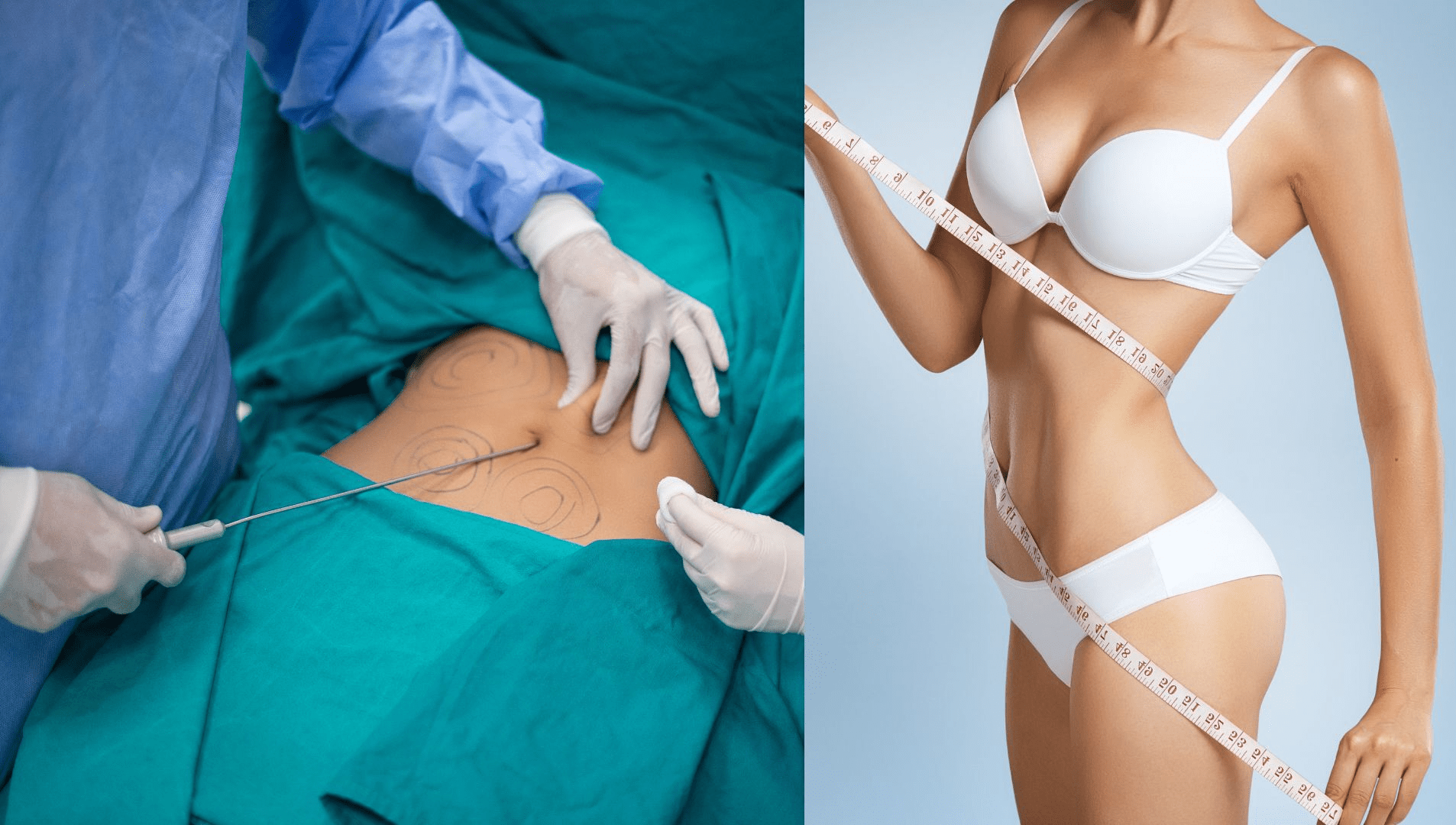
- Body contouring (abdominoplasty, liposuction): fluid accumulation (seroma), contour irregularities, or skin necrosis.
Your surgeon will discuss these specific risks in detail during your consultation and provide written information relevant to your procedure.
Factors That Influence Risk
The likelihood of complications can depend on several factors, including:
- The patient’s general health and lifestyle (e.g. smoking, obesity, chronic illness)
- The complexity of the surgery and duration of the procedure
- Adherence to post-operative care instructions
- Use of accredited facilities and qualified surgical and anaesthetic teams
Managing and Minimising Complications
Qualified surgeons take every precaution to minimise risks through:
- Careful patient assessment and surgical planning
- Performing procedures in accredited hospitals or day surgery centres
- Using sterile techniques and experienced surgical teams
- Providing clear pre- and post-operative instructions
Patients also play a key role by following medical advice closely, disclosing their full medical history, and attending all follow-up appointments.
When to Seek Urgent Medical Attention
After surgery, patients should contact their surgeon immediately or seek emergency care if they experience:
- Severe pain unrelieved by prescribed medication
- Excessive swelling, bleeding, or discharge
- Sudden shortness of breath, chest pain, or leg swelling
- High fever or redness spreading around the surgical site
Prompt assessment can prevent complications from worsening.
Informed Consent and Communication
Before proceeding with any plastic or cosmetic procedure, patients are encouraged to:
- Ask questions about the surgeon’s qualifications, experience, and the facility’s accreditation
- Discuss realistic outcomes and possible alternatives
- Understand both the benefits and the potential risks of surgery
A thorough informed consent process helps ensure patients are making decisions aligned with their goals and expectations.
Final Note
While most patients experience positive outcomes and smooth recoveries, no surgery is without risk. Understanding the potential complications and maintaining open communication with your surgeon are essential steps in achieving a safe and satisfactory result.
Disclaimer:
This article provides general information and does not constitute medical advice. Individual circumstances vary, and all patients should consult with a registered specialist plastic surgeon to discuss their specific situation.