
Back Lift: How To Approach Before and After Surgery
Back Lift: At a Glance
- Target Area: The back lift procedure focuses on removing excess skin and fat from the upper and lower back, often targeting areas around the bra line and waist.
- Time Off Work: Patients generally require 1-2 weeks off work for initial recovery and healing.
- Total Recovery: Full recovery can take up to 1 year , with some residual swelling potentially lasting longer.
- Scar Positioning: Scars are strategically positioned along the bra line or waist to minimise visibility and are designed to be easily concealed by clothing.
What is a Back Lift?
A back lift is a surgical procedure designed to improve the contour and appearance of the back by removing excess skin and fat. This surgery is particularly beneficial for individuals who have undergone significant weight loss or have sagging skin due to aging.
By addressing these concerns, a back lift helps create a smoother, more toned appearance, enhancing the overall body contour. The procedure can significantly improve the aesthetic of the upper and lower back, especially around the bra line and waist areas.
Am I an Ideal Candidate for a Back Lift?
Ideal candidates for a backlift are individuals who are in good overall health, have maintained a stable weight, and possess realistic expectations about the surgery’s outcomes.
This procedure is especially suitable for those with excess skin and fat on their back that cannot be improved through diet and exercise alone. Non-smokers or individuals willing to quit smoking before and after the surgery are preferred, as smoking can impede healing and affect the final results.
Candidates need to have a positive outlook and specific goals for body contouring.
How Do I Prepare for a Back Lift Consultation?
To prepare for a back lift consultation, gather your complete medical history, including any previous surgeries, current medications, and any underlying health conditions.
During the consultation, discuss your goals and expectations with Dr Mohaghegh, and be prepared to ask questions about the procedure, recovery process, and potential risks.
Dr Mohaghegh will provide pre-operative instructions, such as stopping certain medications and avoiding smoking, to optimise surgical outcomes. It may also be helpful to bring ‘before’ photos to help plan the surgery and assess the results post-operation.
Is a Back Lift Right for Me?
A backlift may be right for you if you are bothered by excess skin and fat on your back, particularly if these issues have not responded to lifestyle changes.
Consider your motivations carefully to ensure they align with realistic expectations of the surgery’s outcomes. A thorough consultation with a qualified plastic surgeon will help determine if this procedure is suitable for your aesthetic goals.
Dr Mohaghegh will evaluate your skin elasticity, overall health, and specific areas of concern to develop a personalised surgical plan.
What Can I Expect from a Back Lift?
During the back lift procedure, the surgeon makes incisions along the back, typically near the bra line or waist, to remove excess skin and fat. The remaining skin is then tightened and sutured to create a smoother contour.
The surgery is usually performed under general anaesthesia and can take 2-4 hours, depending on the complexity of the case. Liposuction is also used to enhance the results by further contouring the surrounding areas.
Patients can expect a comprehensive approach that addresses both the upper and lower back, resulting in a more harmonious and balanced body contour.
What is the Recovery and Aftercare for a Back Lift?
Recovery from a backlift involves managing swelling and discomfort, which can be alleviated with prescribed medications.
Patients are advised to wear compression garments to support healing and reduce swelling. It is crucial to avoid strenuous activities and heavy lifting for the first 4-6 weeks.
Follow Dr Mohaghegh’s aftercare instructions closely, which may include guidelines on physical activity, wound care, and follow-up appointments, to ensure proper healing and achieve the best possible outcomes. Regular check-ups with Dr Mohaghegh will help monitor your progress and address any concerns during the recovery period.
What Can I Expect from a Back Lift, What are My Expected Outcomes?
Patients can expect a significant improvement in the contour of their back, with a smoother and more toned appearance. While some swelling and bruising are common initially, these symptoms should gradually subside over a few weeks.
The results are generally long-lasting, provided you maintain a stable weight and a healthy lifestyle. The procedure aims to provide a natural enhancement, resulting in a more youthful and balanced appearance.
It is important to have realistic expectations and understand that while the backlift can significantly improve your appearance, it may not achieve perfection.
What are the Potential side effects, Risks, and Complications with Back Lift?
Potential risks associated with a backlift include scarring, infection, bleeding, and changes in skin sensation. More serious complications, although rare, can include blood clots and issues related to anaesthesia.
It is essential to discuss these risks with Dr Mohaghegh and adhere to pre-and post-operative instructions to minimise complications. Dr Mohaghegh will provide detailed information on how to recognise signs of complications and when to seek medical attention.
By following Dr Mohaghegh’s advice and maintaining open communication, you can help ensure a smooth recovery and satisfactory results.
What is the Cost and Considerations When Undergoing a Back Lift?
The cost of a backlift can vary widely, ranging from $9,000, depending on the complexity of the procedure.
This cost typically includes the surgeon’s fee, anaesthesia, and hospital charges. Some insurance plans may cover part of the cost if the surgery is deemed medically necessary, so it’s important to check with your provider.
Patients should also consider additional costs such as post-operative care, compression garments, and potential time off work when planning for the procedure. Discussing the financial aspects with Dr Mohaghegh’s office can help you prepare for the investment in your appearance.
Before and After Patient Photos – Back Lift
Before and after photos can provide a visual representation of the potential outcomes of the procedure. These images are typically taken during the consultation process and are used to help set realistic expectations.
Photos will only be shared with patient consent, in compliance with advertising guidelines. Reviewing these photos can help you understand the potential results and discuss any specific concerns or goals with Dr Mohaghegh.
Seeing the transformations of other patients can provide reassurance and confidence in your decision to undergo the procedure.
If you’re interested in seeing Dr Mohaghegh before and after images please go to our dedicated gallery for body surgeries.
Body Gallery: https://www.drmohaghegh.com.au/procedures/body
What are Some Types of Techniques Used for a Back Lift?
Techniques for a back lift may vary but generally involve making incisions along the back to remove excess skin and fat. The choice of technique depends on the amount of excess tissue and the desired results.
Liposuction is also used to enhance the outcome by further contouring the surrounding areas. Dr Mohaghegh will discuss the most appropriate technique for your specific needs and goals during the consultation.
Understanding the different techniques can help you make informed decisions about your surgery and its expected outcomes.
What are the Next Steps in Booking a Back Lift?
To book a backlift, schedule a consultation with Dr Mohaghegh. During this meeting, discuss your goals, undergo a physical examination, and review your medical history.
If you decide to proceed, Dr Mohaghegh will provide a detailed surgical plan and cost estimate. Ensure you understand all aspects of the procedure, including the risks, benefits, and recovery process, before committing.
Dr Mohaghegh will guide you through the preparation process and provide instructions to optimise your surgical experience. Taking the time to thoroughly research and prepare will help ensure a successful outcome and a positive experience.
Frequently Asked Questions About Back Lift
How long does the surgery take? The surgery typically takes between 2 to 4 hours, depending on the complexity of the case.
Will I have visible scars? Scars are usually placed in less visible areas and tend to fade over time with proper care.
When can I resume normal activities? Most patients can return to normal activities within 4-6 weeks, following their surgeon’s guidelines.
Is the procedure covered by insurance? Coverage depends on medical necessity and individual insurance policies. It is important to check with your insurance provider to determine eligibility.
Arm Lift: What Techniques Are Used In Arm Lift Surgery
Introduction
At Dr Mohaghegh Plastic Surgery in Sydney, we understand the challenges many individuals face with loose, sagging skin on their upper arms. Whether due to significant weight loss, genetics, or the natural aging process, excess arm skin can lead to self-consciousness and discomfort. Arm lift surgery, also known as brachioplasty, to help you achieve the toned and contoured arms you desire.
What is Arm Lift Surgery?
Arm lift surgery is a surgical procedure that reshapes the under portion of the upper arm, from the underarm region to the elbow. It targets loose skin and stubborn fat in the upper arms, improving their contours by reducing excess skin and fat. During the procedure, incisions are made on the underside of the upper arm, with the length depending on the amount of tissue being removed.
In most cases, liposuction may be used to remove excess fat, followed by tightening and reshaping the underlying supportive tissue with sutures. The results of an arm lift are visible almost immediately, though there may be some initial swelling and bruising. With a healthy lifestyle and stable weight, the results of an arm lift can be long-lasting.
Who is a Suitable Candidate for an Arm Lift?
Ideal candidates for arm lift surgery are those who have significant skin laxity in their upper arms, often due to substantial weight loss, aging, or genetic factors. Most candidates are over 40 and have experienced fluctuations in weight or the effects of aging on their skin elasticity.
To be considered for an arm lift, you should be in good overall health, maintain a stable weight with a BMI reduction of at least 5 points, and be nicotine-free. These factors contribute to optimal healing and the best possible results from your surgery.
Techniques Used in Arm Lift Surgery
At Dr Mohaghegh Plastic Surgery, we employ various techniques to achieve the desired results for each patient, focusing on incision methods, fat removal, and skin tightening.
Incision Methods
Incisions for an arm lift are generally placed on the inside or back of the arm, with the length and pattern varying based on the amount and location of excess skin. Common techniques include:
– Inside incision placement
– Customized incision length and pattern
– Closure with absorbable sutures or stitches
– Extended brachioplasty for comprehensive treatment
– Lateral chest lift for smooth underarm and side chest contours
Fat Removal Techniques
Liposuction is often used during arm lift surgery to remove excess fat, creating a smoother, more toned appearance. Dr Mohaghegh utilizes advanced techniques such as VASER liposuction, which uses ultrasound energy to break down fatty tissue before removal. This method allows for more precise fat removal and can be combined with traditional liposuction for optimal results.
Skin Tightening and Contouring
After removing excess fat, Dr Mohaghegh focuses on tightening and contouring the skin for a smooth, defined appearance. This process involves:
– Choosing the appropriate incision method based on individual needs
– Tightening underlying supportive tissue with internal sutures
– Carefully draping the skin over the new contours of the arm
– Strategically placing incisions to minimize visible scarring
Recovery and Aftercare
Proper post-surgery care is essential for a smooth recovery and the best possible results. Our team provides detailed instructions on wound care, medication, and activity restrictions to ensure your safety and comfort.
Post-Surgery Care
Immediately after your arm lift, it’s crucial to manage pain, stay hydrated, and follow a healthy diet rich in protein and antioxidants to promote healing. Scar care, including silicone sheets, sun protection, and gentle massage, can help minimize the appearance of scars over time. Regular follow-up appointments with your surgeon are essential to monitor your progress and address any concerns.
Expected Recovery Timeline
In the first 1-3 days after surgery, you may experience significant pain, which can be managed with medication. Stitches, bandages, and drainage tubes (if required) are typically removed 10 days post-surgery. Most patients can gradually return to exercise within 4-6 weeks, though it’s important to note that scarring may continue to improve for up to 2 years.
Conclusion
Arm lift surgery offers a transformative solution for those struggling with excess skin and fat in their upper arms. With the expertise of Dr Mohaghegh Plastic Surgery’s team, you can achieve the toned, contoured arms you’ve always wanted.
Dr Mohaghegh prioritizes patient safety and satisfaction, adhering to the highest standards of care and ethics set forth by APRAH. We believe in providing transparent, informative consultations to help you make the best decision for your unique needs and goals.
If you’re considering an arm lift in Sydney, we invite you to schedule a consultation with Dr Mohaghegh. Together, we can create a personalized treatment plan to help you embrace your confidence and love your new look.
Arm Lift: How To Approach Before and After Surgery
Arm Lift: At a Glance
Target Area: The procedure focuses on the upper arms, specifically targeting the area from the underarm to the elbow.
Time Off Work: Patients typically need to take 1-2 weeks off work for initial recovery.
Total Recovery: Full recovery generally takes 4-6 weeks, depending on individual healing rates.
Scar Positioning: Scars are usually positioned on the inside or back of the arm, running from the underarm to the elbow.
What is an Arm Lift?
An arm lift, medically known as brachioplasty, is a surgical procedure aimed at reshaping the upper arms by removing excess skin and fat. This surgery is particularly beneficial for individuals who have experienced significant weight loss or have sagging skin due to ageing. The primary goal of an arm lift is to create a more defined and toned appearance by tightening the underlying supportive tissue and removing excess skin.
Am I an Ideal Candidate for an Arm Lift?
Ideal candidates for an arm lift are those who are in good overall health, maintain a stable weight, and have realistic expectations about the surgery’s outcomes. Non-smokers or individuals willing to quit smoking before and after the procedure are preferred, as smoking can hinder the healing process. Candidates should have noticeable skin laxity in the upper arms that cannot be improved through exercise alone.
How Do I Prepare for an Arm Lift Consultation?
To prepare for an arm lift consultation, gather your complete medical history, including details of any previous surgeries and current medications. It’s essential to communicate your goals and expectations to Dr Mohaghegh. Prepare a list of questions regarding the procedure, recovery process, and potential risks. Taking ‘before’ photos can assist in planning the surgery and evaluating the results afterwards.
Is an Arm Lift Right for Me?
An arm lift may be suitable for you if you are concerned about excess skin and fat on your upper arms that do not respond to diet and exercise. It’s important to assess your overall health and discuss any medical conditions with Dr Mohaghegh. Consider your motivations carefully to ensure they align with realistic expectations of the surgery’s results.
What Can I Expect from an Arm Lift?
During an arm lift procedure, Dr Mohaghegh makes incisions on the inside of the arm, allowing for the removal of excess skin. The underlying tissues are tightened and reshaped to enhance the arm’s contour, and the skin is smoothed over the new shape. The surgery is typically performed under general anaesthesia and lasts about 3-4 hours.
What is the Recovery and Aftercare for an Arm Lift?
Recovery from an arm lift involves managing swelling and discomfort, which can be alleviated with prescribed medications. Patients are advised to wear compression garments to support healing and reduce swelling. It’s crucial to avoid strenuous activities for several weeks and to follow Dr Mohaghegh’s aftercare instructions closely to ensure proper healing and optimal results.
What Can I Expect from an Arm Lift, What are My Expected Outcomes?
After an arm lift, patients can expect a significant improvement in the contour and tone of their upper arms. While some swelling and bruising are common initially, these symptoms should diminish over a few weeks. The results are generally long-lasting, provided you maintain a stable weight and a healthy lifestyle.
What are the potential side effects, risks, and complications when undergoing an Arm Lift?
Potential risks associated with an arm lift include scarring, asymmetry, infection, and changes in skin sensation. More serious complications, although rare, can include blood clots and issues related to anaesthesia. Discussing these risks with Dr Mohaghegh and adhering to pre-and post-operative instructions can help minimise complications.
What are the Costs and Considerations When Undergoing an Arm Lift?
The cost of an arm lift starts from $10,000 for surgeon fees, depending on the complexity of the procedure.
This cost typically includes the surgeon’s fee, anaesthesia, and hospital charges. Some insurance plans may cover part of the cost if the surgery is deemed medically necessary, so it’s important to check with your provider.
Before and After Patient Photos – Arm Lift
Before and after photos can provide a visual representation of the potential outcomes of an arm lift. These images are typically taken during the consultation process and are used to help set realistic expectations. Photos will only be shared with patient consent, in compliance with advertising guidelines.
Body Surgery Gallery: https://www.drmohaghegh.com.au/procedures/body
What are Some Types of Techniques Used for an Arm Lift?
There are several techniques for performing an arm lift, including the mini arm lift, full arm lift, and extended arm lift. The choice of technique depends on the amount of excess skin and fat, as well as the desired results. Liposuction is also used in conjunction with the surgery to enhance the outcome.
What are the Next Steps in Booking an Arm Lift?
To book an arm lift, schedule a consultation with Dr Mohaghegh. During this meeting, discuss your goals, undergo a physical examination, and review your medical history. If you decide to proceed, Dr Mohaghegh will provide a detailed surgical plan and cost estimate. Ensure you understand all aspects of the procedure before committing.
Submit an enquiry: https://www.drmohaghegh.com.au/contact
Frequently Asked Questions About Arm Lift
How long does the surgery take? Typically 3-4 hours.
Will I have visible scars? Scars are usually placed in less visible areas and fade over time.
When can I resume normal activities? Most patients return to normal activities within 4-6 weeks.
Is the procedure covered by insurance? Coverage depends on medical necessity and individual insurance policies.
Alar Flare Reduction: What You Need to Know
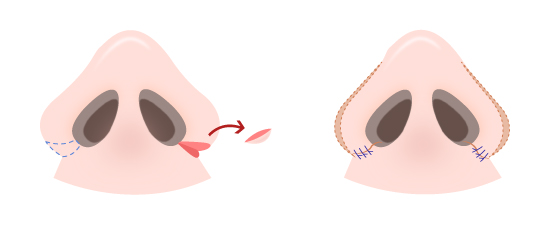
Alar Flare Reduction is a surgical procedure that makes your nostrils look smaller and more even. It removes small bits of tissue to change the size of your nostrils so they don’t stick out as much.
This helps your nose match better with the rest of your face. Surgeons might use smart ways like the sandwich technique and alar base stitch to keep the natural shape and make both sides match.
The surgery can fix it when the space between your nostrils is bigger than the space between your eyes. But, you need to know it’s a big change, and sometimes you might need another surgery to make it just right.
After getting this done, you will wear a bandage for a bit, with most puffiness going down in one month, but full healing can take half a year.
It’s normal to feel swollen and have some bruising after this operation; blowing your nose is off-limits for 6 weeks! Exercise has to wait too until at least 4-6 weeks have passed.
The cost depends on the length and complexity of the surgery. Usually this procedure is not covered by private health insurance.
Picking a surgeon who knows noses well is super important! You’ll want to look at pictures before and after other people’s surgeries so you can think about how yours might turn out.
Your facial harmony can be improved by shaping up those flaring nostrils—keep reading if you want all details on making this choice!
Alar Flare Reduction (Alarplasty) At A Glance
Target Area: Ala cartilage (wide nostrils)
Time Off Work: 1 – 2 weeks (this is patient dependent)
Total Recovery: 6 weeks (this is procedure technique and patient dependent)
Scar Positioning: In the crease of the nose, where the nose meets the cheers (this is the conventional positioning, but depending on your situation this might vary)
Key Takeaways
- Alar flare reduction can make your nostrils look less wide and help the overall balance of your face.
- There are different surgeries like alarplasty and alar base reduction to change nose shape.
- After surgery, you need to take care of yourself by following the surgeon’s instructions for a good healing process.
- Risks with this surgery include swelling, infection, or nose shape problems.
- The cost of this surgery is not usually covered by insurance. It depends on the surgeon’s experience and where you live.
What is Alar Flare?
Alar flare refers to the outward expansion of the nostrils, which can be a distinct facial feature for some individuals. Diverse factors such as genetics or facial expressions contribute to its prominence and may influence one’s desire to pursue cosmetic correction for enhanced symmetry and aesthetic balance.
Definition
Alar flare is when the sides of your nose stand out more than usual. It makes your nostrils look wider and can change how your whole nose looks. Some people might not like this and want to make their nostrils smaller.
Surgeons perform alar base surgery to fix alar flare. This means they work on the bottom part of your nose to improve the appearance. This helps improve how your nose looks from the front and can make you feel better about yourself.
Nostril reshaping fixes problems with noses that are too wide or have flared nostrils. It also helps if one side of someone’s nose does not match the other side. Surgeons take care while doing this so that after surgery, people’s noses fit well with their faces.
Causes
Some people have wide or flaring nostrils because of their genes. They are born with an alar flare and it’s just part of how they look. Accidents can also make nostrils flare out. If someone hurts their nose, it might heal in a way that makes the nostrils look wider.
Serious illnesses like pneumonia or bronchiolitis can lead to alar flare too. Kids who get a harsh cough called croup may also show signs of their nostrils flaring when they breathe.
Trouble breathing, nasal congestion, and infections in your breathing parts can all affect your nose and make your nostrils flare.
Nasal obstruction from swelling inside your nose is another reason for alar flare. Nose injuries can change the shape of your nose and cause trouble breathing which leads to more noticeable flaring especially when you’re trying hard to draw breath.
How it affects appearance
The reasons behind alar flare can have a big impact on how someone’s face looks. Alar flare makes the nostrils look wide and the base of the nose can seem too broad for the face. This might throw off facial balance, making people feel self-conscious about their appearance.
Alar Flare Reduction gives a more refined nasal tip and narrows the width of the nostrils, which helps with facial symmetry improvement. It also lifts the alar crease, giving better harmony to nose and face shapes.
The changes from this surgery are designed to enhance how noses blend with other facial features, leading to an overall improved look that many find pleasing.
Alar Flare Reduction Procedures
Alar Flare Reduction Procedures offer tailored solutions to reshape the nostrils for a more balanced facial appearance, with various surgical techniques ensuring results that harmonise with your unique features.
These targeted approaches provide precision in addressing the individual contours of your nose, refining your profile and enhancing overall facial symmetry.
Alarplasty
Alarplasty is a surgery that changes how your nostrils look. Surgeons do this by removing small parts of the alar, the curvy area where your nose and cheek meet. This makes your nostrils smaller and less wide so they don’t flare as much.
Many people choose this surgery to make their nose look more balanced.
If you find your nostril size or shape doesn’t match, an alarplasty might be a good choice for you. It can help make both sides of your nose look the same. Sometimes doctors do it with other nose surgeries (such as rhinoplasty) for a bigger change in how your nose looks.
If one side of your nostrils was changed by having a cleft lip as a baby, this surgery can also help fix that.
This procedure is mainly about making you happy with how you look rather than fixing health problems. Talk to a doctor who knows lots about noses if you are thinking about getting an alarplasty done.
They will tell you what to expect, talk about risks, and explain how long it takes to heal after the surgery.
Now let’s explore if reducing alar flare is right for you.
Alar Base Reduction
Moving from the general reshaping of the alar region, let’s focus on a specific procedure known as Alar Base Reduction. This surgery helps to correct wide nostrils by making them narrower.
Surgeons remove a small piece of tissue from the base of the nostrils. This change is permanent. Once done, this cannot be turned back without another surgery.
This procedure often includes removing part of the nasal sill if it’s too big and causing extra flare in your nostrils. A trapezoidal graft might also be used to keep some natural flare while fixing its shape.
Nostril size reduction aims to create a balanced look that fits well with your other facial features.
Choosing this type of nostril reshaping means you want long-lasting changes in how your nose looks. It can make a big difference not only in appearance but also in how you feel about yourself.
The key thing is that any changes made fit well with your unique face shape and features.
Techniques and methods used
Reducing the width of your nose’s base can change your look. Techniques and methods used in alar flare reduction depend on what you need.
- One choice is Alarplasty. Surgeons cut small parts from the sides of your nostrils.
- They may use a Wedge excision. Here, they take out tiny wedges of tissue to make the flares smaller.
- The Sandwich Technique is quite popular. This method narrows the base of your nose carefully.
- Sometimes, doctors do an Alar base reduction. They work on the bottom part of your nostrils for a better shape.
- Alar flaring reduction helps if your nostrils spread too much when you breathe or talk.
- For Alar hooding reduction, surgeons fix extra folds that might be by your nostrils.
Is Alar Flare Reduction Right for You??
You might think about alar flare reduction if you feel your nostrils are too wide or don’t match your face. People who find that the width of their nostrils is more than the space between their eyes often choose this surgery.
It ensures both sides of your nose look the same and can make your whole face appear more balanced. If you want smaller nostrils or to fix how they look, this procedure could be right for you.
Talk with a doctor who knows a lot about noses to learn more. They will check out your nose, talk about what changes you want, and tell you what results to expect from the surgery.
You should also know that once you have alar base reduction, it’s not something that can be easily undone. However, if needed, another operation can adjust the size again. Now let’s look at what happens after surgery in terms of recovery and care.
Recovery and Aftercare
Navigating the post-operative journey with care, recovery from alar flare reduction demands attention to detail and adherence to your surgeon’s guidance. Understanding the steps involved in healing can pave the way for a successful outcome and enhanced facial harmony.
Post-surgery care
After your alar flare reduction surgery, taking care of yourself is key. Here’s what you need to do to help your nose heal and keep problems away.
- Wear a bandage: You’ll have a bandage on your nose. Keep it there for as long as the doctor says.
- Watch for swelling: Your nose will be puffy, but most of the swelling goes down in a month.
- Deal with numbness: You might not feel your nose tip, upper lip, or gums at first. Feeling should come back slowly over weeks or months.
- Be gentle when cleaning: When you clean your face and nose, be soft and careful.
- Stay away from blowing your nose: Don’t blow your nose for at least 6 weeks to avoid hurting it again.
- Skip the pool and gym early on: No swimming for 4 weeks and no gym for 4-6 weeks — give your body time to rest.
- Follow all care instructions: Your doctor will give you a plan. Make sure you follow it closely.
Potential risks and complications
- You may see swelling, redness, and bruising around your nose right after your operation. This is normal at first.
- Infections could happen where you had your cuts. If you see pus or feel pain, tell your doctor.
- Sometimes there might be bleeding or oozing from where the surgery was. Keep an eye on this.
- You might get some bruises which is when parts of your skin turn different colours because of blood underneath.
- Scars can form where the cuts were made. They may fade over time but won’t always go away completely.
Duration of recovery
After an alar flare reduction, you may have pain, bruising, and swelling. These often get better after a few days to a week. Depending on your lifestyle & work you can usually resume your daily routine within a week.The full healing period takes about 4-6 weeks.
It’s important to follow aftercare instructions from your doctor to help with recovery. Swelling goes down slowly and might take up to 6 months to totally clear. But don’t worry too much; most people feel okay after just two weeks and can do their everyday things again in about one week.
Choosing a Surgeon
Selecting a surgeon is pivotal for ensuring optimal outcomes in alar flare reduction surgery; it requires evaluating credentials, scrutinising before and after galleries, and understanding financial aspects such as costs and insurance possibilities.
Qualifications and experience
Check the surgeon’s training before you decide to have alar flare reduction. They should also have good skills in doing nose surgeries, like rhinoplasties and other procedures.
Ask for proof that your doctor is trained well in plastic surgery. A good surgeon has a certificate from a board that says they know how to do the job right. You want someone who has done lots of alar base reductions.
Look at photos of other people’s noses that the surgeon has fixed. This will give you an idea of their work. Talk about money and if your insurance might help pay for it too. It’s smart to pick a doctor who makes you feel safe and understands what you want.
Before and after photos
Choosing the right surgeon for your alar flare reduction is a big deal. You want someone skilled in rhinoplasty and other facial procedures. Good surgeons have galleries of before and after photos to show their work.
These pictures help you see how your nose might look after surgery.
Looking at these photos gives you an idea of the changes possible with nasal surgery. They are part of getting ready for your operation too. Surgeons take them so both you and they can compare your nose’s appearance from before to after the procedure.
This helps everyone understand the results of the cosmetic surgery better.
Cost and insurance coverage
After considering the transformative before and after photos, it’s important to understand the financial implications of alar flare reduction surgery. The cost can be a significant factor in your decision-making process.
Patients should request a comprehensive quote to fully understand the financial commitment. Surgeons will detail all associated costs, ensuring transparency. Keep in mind, prices vary widely and are dependent on multiple factors. Remember, investment in the right surgeon may influence the success of your surgery.
Conclusion
Narrowing your nostrils through alar flare reduction can change how your nose looks. If you think about this nose surgery, talk to a skilled surgeon. They’ll help you decide if it’s right for you and tell you what to expect.
It’s important to know that the change made by this operation lasts forever. Choose a good doctor and get ready for a new look that could make you very happy with your nose!
Abdominoplasty (tummy tuck) Recovery FAQs: Your Most Pressing Questions Answered
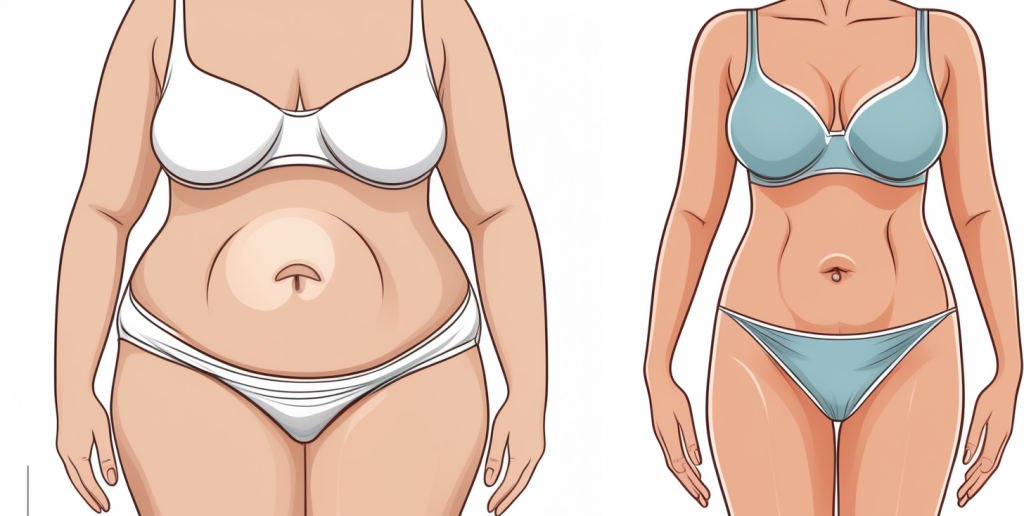
Abdominoplasty, commonly known as a tummy tuck, is a significant surgical procedure that can enhance body image and self-confidence by removing excess fat and loose skin from the abdomen. Understanding the recovery process is crucial for a smooth and successful healing journey. Dr. Mohaghegh, a Sydney-based plastic surgeon, provides comprehensive guidance on what to expect during recovery, including tips for managing post-operative care and addressing potential complications. This article aims to provide patients with essential information to navigate the recovery process effectively and achieve optimal results.
Key Takeaways
- The recovery process after an abdominoplasty surgery involves different phases, including immediate recovery, early recovery, mid-recovery, late recovery, and complete healing.
- It is important to follow guidelines for at – home recovery, such as staying in a reclining position, avoiding unnecessary movements, following pain management instructions, and being alert for warning signs of complications.
- Abdominoplasty surgery carries potential risks and complications such as hematomas or blood collections, infections, lung complications or blood clots forming in the body. Promptly seeking medical attention if you notice anything unusual is crucial.
- Tips for a smooth recovery include taking care of yourself correctly after the surgery by wearing a compression garment or abdominal binder daily and incorporating supplements like arnica, bromelain and vitamin C into your routine. Resuming activities should be done gradually with guidance from your plastic surgeon.
Understanding Abdominoplasty Recovery
After undergoing abdominoplasty (tummy tuck) surgery, it is important to have a clear understanding of the recovery process and what to expect in order to ensure a smooth healing journey.
Timeline for recovery
Abdominoplasty recovery is a process that involves different phases:
- Immediate Recovery: This phase lasts for the first two weeks post-surgery. You may suffer from pain, bruising, and swelling.
- Early Recovery: The next stage runs from the third week to the fourth week after surgery. During this period, mild discomfort and some swelling persist.
- Mid Recovery: This stage starts from the fifth week and can last up to six weeks post-surgery. You must avoid strenuous activities during this time.
- Late Recovery: Lymphatic system healing often occurs between the second month and third month post-surgery.
- Complete Healing: By the end of 18 months, your body will likely show signs of complete recovery with minimal swelling or bruising.
What to expect after surgery
Following your abdominoplasty procedure, Dr. Mohaghegh, a plastic surgeon in Sydney, will guide you to expect some changes. The initial symptoms like swelling, bruising and mild discomfort are common during the first two weeks of post-operative recovery.
Waterproof bandages cover the incision site for protection and patients can usually go home after two to three days. Though bruising and swelling might persist up till four weeks into healing, significant reduction occurs by the end of six weeks with proper daily care as directed by the Dr Mohaghegh Plastic Surgery team.
The scar from surgery takes longer than other symptoms to fade away but gradually diminishes over time.
Guidelines for at-home recovery
Following a tummy tuck procedure by Dr Mohaghegh, your at-home recovery is crucial for proper healing. Adhere to these guidelines:
- Stay in a reclining position: The upper body should be slightly raised and the knees bent to keep swelling at bay.
- Restrict unnecessary movements: Avoid walking completely upright for two weeks post-surgery.
- Follow pain management instructions: Pain, bruising, and swelling are common within the first month. Your plastic surgeon may provide medication recommendations or prescriptions.
- Be alert for warning signs: Unusual symptoms could signal complications. Reach out to your healthcare provider if you notice anything unusual.
- Seek assistance with daily tasks: Help at home can ease stress and physical strain during early recovery days.
- Attend all follow-up appointments with your plastic surgeon in Sydney: These visits allow Dr Mohaghegh to monitor your progress and address any concerns you might have.
Possible complications of surgery
Abdominoplasty surgery, like any other surgical procedure, carries potential risks and complications. Hematomas or blood collections rank as the most common major drawback. This might lead to infections, lung complications or blood clots forming in your body.
Challenges with wound healing could also occur, adding to prominent scarring as a possible outcome of the surgery. Some patients report persistent pain or discomfort post-surgery. Deep vein thrombosis is another severe complication; this condition involves blood clots developing in your leg or chest which can cause heart issues.
We must not overlook the fundamental risks such as bruising, bleeding and infection either that are part and parcel of this process.
Tips for a Smooth Recovery
Take care of yourself during your abdominoplasty recovery with these expert tips from Dr Mohaghegh, a trusted plastic surgeon in Sydney. From preparing for recovery to daily care and resuming activities, these tips will help ensure a smooth road to healing.
Don’t miss out on this valuable information!
Individual recovery process
Everyone experiences the abdominoplasty recovery process in their own unique way. Factors such as your health, age, and the quality of post-operative care can influence how quickly you heal after surgery.
Dr Mohaghegh often highlights that some patients might feel abdominal tightness or discomfort for a while following the procedure, which is entirely normal. Likewise, swelling and bruising may persist up to three months; however, this too gradually diminishes over time.
If at any point during your individual recovery journey you feel concerned about progress or unusual symptoms, it’s essential to reach out to your plastic surgeon immediately for
reassurance and advice.
Avoiding strenuous activities until at least six weeks into recovery gives your body ample time to rest and recover from the surgery. You may need hospital-based care initially in some cases but generally move towards self-care at home with prescribed guidelines by Dr Mohaghegh Plastic Surgery team in Sydney.
To aid healing further, wearing an abdominal binder or compression garment becomes a crucial part of daily routine during these initial months—the supportive wear helps reduce swelling while providing comfort as you navigate through everyday chores post-surgery.
Meanwhile, proper wound care ensures that incision lines heal eventually reducing visibility of scar over time—it can take longer than three months though so patience plays a big part here.
Remember each individual’s experience varies—just because one person bounced back relatively fast doesn’t necessarily mean everyone will follow suit hence why paying attention to personal pace remains important throughout the entire process.
Preparing for recovery
Correct preparation can make your recovery from an abdominoplasty surgery more manageable and comfortable. Here are some key steps to consider:
- Organise assistance: You’ll need help at home for at least the first week after surgery, especially if you have small children.
- Plan for transportation: Arrange someone to drive you home after the procedure and to your follow-up appointments.
- Gather necessary supplies: This includes wound care products, prescribed medications, loose clothing, compression garments or abdominal binders – these are essential in supporting your healing process.
- Prepare meals ahead of time: Having ready-to-eat healthy meals will reduce the need for strenuous cooking activities in the initial recovery period.
- Create a comfortable recovery space: Set up a rest area with plenty of pillows, blankets and easy access to water and other necessities.
- Schedule time off work: Remember, strenuous activities should be avoided for at least six weeks post-operation.
Daily care
Taking care of yourself correctly after tummy tuck surgery is critical for a swift and uncomplicated recovery. The following lists some key points to remember:
- Each day, you need to wear a compression garment or abdominal binder. This helps reduce swelling and supports your abdominal area.
- Incorporate a range of supplements into your daily routine. Arnica, bromelain, , vitamin C, and probiotics are particularly beneficial in boosting your immune system and aiding the healing process.
- Keep an eye out for warning signs that may suggest complications post – surgery; muscle separation is one such symptom that needs immediate attention from Dr Mohaghegh or his team at Plastic Surgery Sydney.
- Planning is crucial during this period. Ensure necessities like meals, house chores, and pet care are properly managed so your recovery at home remains stress-free.
Ongoing help at home
To ensure a smooth recovery after your abdominoplasty surgery, ongoing help at home is crucial. One way you can continue to support your healing process is by wearing a compression garment or abdominal binder.
These garments provide gentle pressure, helping with swelling, discomfort, and the feeling of tightness in your abdomen. Along with that, incorporating certain supplements into your routine can also aid in the healing process.
Taking arnica, bromelain and vitamin and C supplements along with probiotics and can boost immunity and promote faster healing. Remember, these simple steps can make a big difference in your recovery journey.
Resuming activities
Once you have completed your abdominoplasty surgery and are on the road to recovery, it is important to gradually resume your regular activities. Here are some tips to help you get back into your routine after abdominoplasty:
- Start slow: Begin with light activities such as short walks around the house or gentle stretching exercises. Listen to your body and do not push yourself too hard too soon.
- Gradually increase intensity: As you start feeling more comfortable, you can slowly increase the intensity of your activities. This could include longer walks, swimming, or low-impact exercises like yoga or Pilates.
- Avoid strenuous activities: It is crucial to avoid any strenuous activities that may put excess strain on your abdominal muscles for at least six weeks after surgery. This includes heavy lifting, running, sports, and motorbike riding.
- Wear a supportive garment: During your recovery period, wearing a supportive garment recommended by your plastic surgeon can provide added support and compression for your abdomen as you resume activities.
- Follow post-operative instructions: Always follow the specific guidelines provided by your plastic surgeon regarding resuming physical activity. They will be able to provide tailored advice based on your individual case and the extent of your surgery.
Long-Term Abdominoplasty Recovery
Continued healing and follow-up appointments are important for a successful long-term abdominoplasty recovery. Find out what you need to know about the ongoing care after your surgery.
Follow-up appointments
Follow-up appointments play a crucial role in the long-term recovery process after a tummy tuck surgery. It is highly recommended to schedule regular check-ups with your surgeon to monitor your progress and ensure that you are healing properly.
During these appointments, your surgeon will examine your incisions, evaluate how well they are healing, and address any concerns or complications that may arise. By attending follow-up appointments, you can stay on track with your recovery journey and receive the necessary guidance and support from your plastic surgeon.
Continued healing
During the long-term recovery phase after a abdominoplasty, it is important to prioritise continued healing. This includes attending follow-up appointments with your plastic surgeon to monitor progress and address any concerns.
While the initial symptoms of pain, swelling, and bruising should subside around six weeks after surgery, it can take up to a year or more for the complete healing process. Over time, scars from the surgery will begin to mature and fade.
Remember that patience is key during this stage as it can take up to three months for the initial swelling and bruising to fully disappear. By staying committed to your recovery plan and following your surgeon’s instructions, you are giving yourself the best chance at achieving optimal results in the long run.
Conclusion
In conclusion, this article has answered some of the most pressing questions about abdominoplasty surgery recovery. From understanding the timeline and what to expect after surgery, to tips for a smooth recovery and long-term healing, we’ve covered it all.
Whether you’re considering a tummy tuck or have already had one, this article provides valuable information to help guide you through your recovery journey.
FAQs
1. How long does it take to recover from an Abdominoplasty ?
The recovery time for a tummy tuck can vary, but most individuals can expect to recover within 4-6 weeks.
2. Will there be visible scarring after an Abdominoplasty ?
Yes, there will be some scarring after a tummy tuck procedure. However, with proper care and time, the scars typically fade and become less noticeable over time.
3. Can I resume exercise or physical activity after an Abdominoplasty ?
It’s important to avoid strenuous exercise or physical activity for at least 4-6 weeks following a abdominoplasty to allow your body enough time to heal properly. Your surgeon will provide specific guidelines based on your individual case.
4. How should I manage pain during the recovery period?
Your surgeon may prescribe pain medication to help manage any discomfort during the initial stages of recovery. It’s important to follow their instructions and only use medication as directed.
5. When can I see final results after an Abdominoplasty ?
While you will notice improvements in your appearance immediately following surgery, it may take several months for the final results of your abdominoplasty procedure to fully manifest as swelling subsides and tissues settle into their new position..
Abdominoplasty: What techniques are used in Abdominoplasty Surgery
Introduction
At Dr Mohaghegh Plastic Surgery in Sydney, we understand the challenges many individuals face with loose skin and stubborn belly fat, especially after pregnancy or significant weight loss. Abdominoplasty, also known as a tummy tuck, is a surgical procedure designed to restore a firmer, more toned midsection Dr. Mohaghegh has perfected various techniques to address your unique needs and help you achieve the results you desire.
Understanding Abdominoplasty
Abdominoplasty is a cosmetic surgery that improves the appearance of the abdomen by removing excess skin and fat while tightening the abdominal muscles. This procedure can help alleviate issues such as lax abdominal muscles, excess belly fat, and saggy skin around the waist. In addition to its aesthetic benefits, abdominoplasty may also address functional concerns like bladder weakness and constipation.
It’s important to note that abdominoplasty is not a weight loss procedure. The ideal candidates for this surgery are those who have significant abdominal wall laxity due to conditions like rectus diastasis, which cannot be resolved through diet and exercise alone.
Types of Abdominoplasty Techniques
At Dr Mohaghegh Plastic Surgery, we offer several surgical techniques to target different areas and concerns of the abdomen, ranging from minor skin removal to extensive reshaping.
Full Abdominoplasty
Full abdominoplasty involves a hip-to-hip incision below the navel and another around the belly button. During this procedure, Dr Mohaghegh tighten the abdominal muscles, remove excess skin, and eliminate fat to achieve a better contour. This technique is best suited for patients with significant extra skin in the lower abdomen.
Mini Abdominoplasty
For less severe cases, mini abdominoplasty focuses on the area below the navel, creating a smaller scar without the need for belly button repositioning. This procedure often incorporates liposuction to remove excess fat, reduces extra skin, and tightens loose muscles. Mini abdominoplasty is suitable for individuals with minor issues compared to those requiring full surgery.
Extended Abdominoplasty
Extended abdominoplasty involves an additional incision around the waistline to address severe sagging skin and loose muscles. This technique removes excess skin and fat from both the upper and lower abdomen, including the flanks, making it especially useful for those who have lost significant weight or had multiple pregnancies.
Reverse Abdominoplasty
Reverse abdominoplasty targets loose excess skin in the upper abdomen while sparing the lower abdomen. Incisions are made along the lower breast fold, effectively hiding scars. This technique preserves blood supply around the belly button during surgery.
360° Body Lift
A 360° Body Lift improves the shape and tone of tissues supporting fat and skin by removing excess sagging fat and skin with extensive incisions. The incision length depends on the amount and location of excess skin. Liposuction may be part of this surgery to enhance contour, with results visible almost immediately and final outcomes developing over one to two years.
Choosing the Right Technique
Finding the best method for each individual depends on various factors, including body type, medical history, and personal goals. Dr Mohagegh will assess your suitability for abdominoplasty based on criteria such as:
– Body Mass Index (BMI): Ideal candidates usually have a BMI under 30 to minimize surgery risks.
– Medical history: We will discuss any health conditions like diabetes that may impact the procedure.
– Future plans: Significant weight loss or pregnancies should be delayed until after surgery to avoid complications.
– Existing anatomy: Your body shape plays a role in determining the appropriate technique based on excess skin, fat, and muscle tone.
During your consultation, we will provide tailored recommendations to help you make an informed decision about your treatment plan.
Consultation Process
Preparing for abdominoplasty surgery involves a detailed consultation where we walk you through each step to ensure you’re ready. This includes:
– Initial consultation with a Dr. Mohagheghto evaluate your health and discuss goals
– Lifestyle changes like quitting smoking and maintaining a balanced diet before surgery
– Scheduling multiple consultations to thoroughly review your case and address any doubts
– Medication review to avoid medicines that increase bleeding risks
– Mental preparation for this invasive procedure by addressing concerns or anxieties
Dr Mohaghegh Plastic Surgery offers consultations where a cost evaluation will help you understand the financial aspects of your surgery.
Recovery and Aftercare
After an abdominoplasty, patients typically stay in the hospital for at least 48 hours for wound monitoring and vital sign checks. For the first two weeks post-surgery, it’s important to focus on mobilization and performing easy activities to avoid complications like deep venous thrombosis and reduce strain on incisions.
Wearing compression garments for 23 hours a day for six to eight weeks is crucial to minimize swelling. Driving is unsafe for 2-3 weeks due to lingering anesthesia effects and discomfort, while swimming should wait until six to eight weeks post-surgery to prevent infection or poor healing.
Bruising, swelling, and initial difficulty standing are common but improve over time with proper care. Following your surgeon’s post-operative instructions closely is key to ensuring a smooth recovery and optimal results.
Conclusion
Abdominoplasty offers significant benefits for those seeking a flatter, firmer midsection. At Dr Mohaghegh Plastic Surgery, our experienced surgeon tailor each procedure to address your specific concerns, whether it’s removing excess skin and fat or tightening abdominal muscles.
We prioritize patient safety by complying with regulatory standards and ethical guidelines set by APRAH. Through transparent consultations, we help you make informed decisions about your treatment plan and provide comprehensive aftercare instructions to support your recovery.
If you’re considering an abdominoplasty to restore your core muscles or achieve your desired body contour, we recommend consulting with Dr. Mohaghegh for personalized advice based on a thorough physical examination. With our expertise and commitment to your well-being, we can help you achieve optimal outcomes on your journey towards improved abdominal health and aesthetics.
Abdominoplasty: What To Expect From Your Surgery

Abdominoplasty, commonly known as a tummy tuck, is a popular cosmetic surgical procedure designed to improve the appearance of the abdomen. Many individuals opt for this surgery to remove excess skin and fat, tighten abdominal muscles, and achieve a smoother and firmer abdominal profile. People choose abdominoplasty for various reasons, including post-pregnancy body changes, significant weight loss, or simply to enhance their body contour.
What is an Abdominoplasty?
Explanation of Abdominoplasty
Abdominoplasty is a surgical procedure aimed at removing excess skin and fat from the abdominal area while tightening the underlying muscles. This surgery helps to create a more toned and aesthetically pleasing abdominal profile.
Types of Abdominoplasty Procedures
There are several types of abdominoplasty procedures, each tailored to meet specific patient needs:
– Traditional Abdominoplasty: Involves a horizontal incision between the pubic hairline and belly button, removal of excess skin, and tightening of abdominal muscles.
– Mini Abdominoplasty: Focuses on the lower abdomen below the belly button, suitable for individuals with less excess skin.
– Extended Abdominoplasty: Is a cosmetic plastic surgery done to reshape and recontour the entire stomach in addition to the flank area between your waist and hip, ideal for those with significant weight loss.
– Lipoabdominoplasty: Combines liposuction with abdominoplasty for enhanced contouring.
Why Have Abdominoplasty?
Reasons for Abdominoplasty
Individuals may opt for abdominoplasty for various reasons, including:
– Excess skin or fat in the abdominal area that is resistant to diet and exercise.
– Weakened or separated abdominal muscles due to pregnancy or weight fluctuations.
– Desire for a more toned and aesthetically pleasing abdominal profile.
Benefits of Abdominoplasty
The benefits of undergoing abdominoplasty include:
– Improved abdominal contour and appearance.
– Enhanced self-confidence and body image.
– Relief from skin irritation and infections caused by excess skin.
– Better posture and core strength due to tightened abdominal muscles.
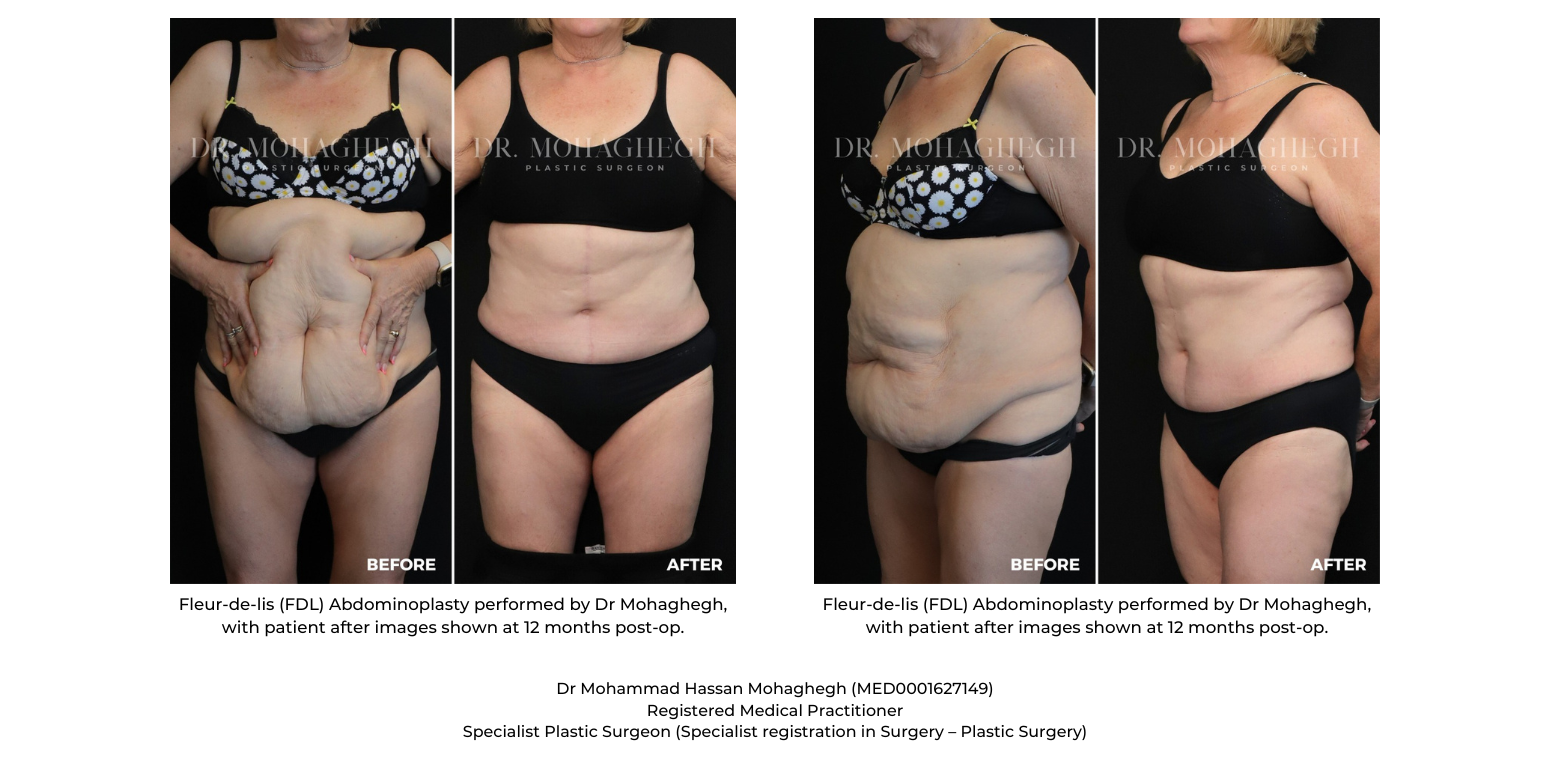
Before & Afters
Visual Examples
In-Depth About the Procedure
Detailed Explanation of the Procedure
The abdominoplasty procedure involves several steps:
1. Anaesthesia: Administered for patient comfort during the surgery.
2. Incision: A horizontal incision is made between the pubic hairline and belly button.
3. Muscle Repair: The underlying abdominal muscles are tightened and sutured.
4. Skin Removal: Excess skin is removed, and the remaining skin is repositioned.
5. Closing the Incisions: Sutures, skin adhesives, or clips are used to close the incisions.
What to Expect During Surgery
Patients can expect the surgery to last between two to five hours, depending on the extent of the procedure. Post-surgery, patients will have dressings and possibly drainage tubes to manage fluid build-up.
Recovery Time
Typical Recovery Time
The typical recovery time for abdominoplasty varies but generally includes:
– First Week: Rest and limited movement to allow initial healing.
– Weeks 2-4: Gradual increase in activity, avoiding strenuous exercise.
– Weeks 4-6: Light activities and low-impact exercises can be resumed.
– Months 3-6: Full recovery with most patients returning to normal activities.
Tips for a Smooth Recovery
– Follow your surgeon’s instructions closely.
– Wear compression garments to reduce swelling.
– Stay hydrated and maintain a healthy diet.
– Avoid smoking and alcohol to promote healing.
Recovery & Aftercare
Post-Operative Care Guidelines
– Keep the surgical site clean and dry.
– Attend all follow-up appointments with your surgeon.
– Take prescribed medications to manage pain and prevent infection.
Importance of Following Instructions
Adhering to post-surgery instructions is crucial for optimal results and minimising complications. Proper care ensures a smoother recovery and enhances the overall outcome of the surgery.
Potential Risks and Complications
Common Risks and Complications
Abdominoplasty, like any surgery, carries potential risks, including:
– Infection
– Scarring
– Fluid accumulation (seroma)
– Poor wound healing
– Changes in skin sensation
Minimising Risks
To minimise risks, choose a board-certified plastic surgeon, follow pre- and post-operative instructions, and maintain a healthy lifestyle.
Post-Surgery Care
Caring for the Surgical Site
– Follow wound care instructions provided by your surgeon.
– Monitor for signs of infection or complications.
– Use prescribed creams or medications as directed.
Follow-Up Appointments
Regular follow-up appointments are essential to monitor healing progress and address any concerns promptly.
Before & Afters
More Visual Examples
Additional before and after photos can further illustrate the effectiveness of abdominoplasty in achieving a flatter, firmer abdomen.
Conclusion
Abdominoplasty is a highly effective procedure for improving abdominal contour and boosting self-confidence. If you are considering this surgery, consult with a qualified plastic surgeon to discuss your goals and determine the best approach for your needs.
Frequently Asked Questions
Common Questions About Abdominoplasty
– How much does abdominoplasty cost?
The cost varies depending on the extent of the surgery and the surgeon’s fees. It is best to discuss this during your consultation.
– What is the recovery time?
Most patients return to normal activities within 3-6 months.
– Are there any risks?
Yes, potential risks include infection, scarring, and fluid accumulation. Choosing a qualified surgeon and following post-operative care instructions can minimise these risks.
For more information or to schedule a consultation, contact Dr. Mohaghegh Plastic Surgery today.
Abdominoplasty: How To Approach Before and After Surgery

What is Abdominoplasty (Tummy Tuck)?
Abdominoplasty, commonly known as a tummy tuck, is a surgical procedure designed to remove excess fat and skin from the abdominal area and tighten the muscles of the abdominal wall. This procedure aims to create a smoother, firmer abdominal profile.
Am I an ideal candidate for an Abdominoplasty (Tummy Tuck)?
Ideal candidates for abdominoplasty are typically:
– Individuals with excess or sagging abdominal skin
– Those with weakened abdominal muscles
– People who have maintained a stable weight
– Non-smokers in good overall health
It’s important to note that abdominoplasty is not a substitute for weight loss or a healthy lifestyle.
How do I prepare for an Abdominoplasty (Tummy Tuck) consultation?
When preparing for your consultation with Dr. Mohaghegh, consider:
– Your medical history and any current medications
– Your goals and expectations for the surgery
– Questions about the procedure, recovery, and potential risks
– Bringing relevant medical records
Dr. Mohaghegh will take the time to discuss all available options and address your concerns.
Is Abdominoplasty (Tummy Tuck) Right for me?
Deciding to undergo abdominoplasty is a personal choice that should be made after careful consideration and consultation with a qualified plastic surgeon like Dr. Mohaghegh. While the procedure can offer significant improvements in abdominal contour, it’s important to have realistic expectations and understand the commitment required for recovery.
If you’re considering abdominoplasty, we encourage you to schedule a consultation with Dr. Mohaghegh to discuss your goals and determine if this procedure is right for you.
Remember, every surgical procedure carries risks. The information provided here is general in nature and does not constitute medical advice. For personalised information, please consult directly with Dr. Mohaghegh.
What can I expect from an Abdominoplasty (Tummy Tuck)?
The abdominoplasty procedure typically involves:
– Administration of anaesthesia
– Making an incision from hip to hip just above the pubic area
– Removing excess skin and fat
– Tightening abdominal muscles
– re-inserting the belly button into the new position
– Closing the incision
The procedure usually takes 3-5 hours, depending on the extent of work required.
What is the recovery and aftercare with an Abdominoplasty (Tummy Tuck)?
Recovery from abdominoplasty generally involves:
– 1-2 weeks off work
– 4-6 weeks before resuming light activities
– Wearing compression garments as directed
– Keeping incisions clean and dry
– Attending all follow-up appointments with Dr. Mohaghegh
Full recovery can take several months.
What can I expect from an Abdominoplasty (Tummy Tuck), what are my expected outcomes?
While results can vary, patients can generally expect:
– A flatter, firmer abdominal contour
– Improved abdominal muscle tone
– Potential reduction in some stretch marks
It’s important to maintain a stable weight and healthy lifestyle to preserve results.
What are the potential side-effects, risks, complications with an Abdominoplasty (Tummy Tuck)?
As with any surgery, abdominoplasty carries some risks, including:
– Infection
– Poor wound healing
– Fluid accumulation
– Numbness or changes in skin sensation
– Asymmetry
– Scarring
Dr. Mohaghegh will discuss these risks in detail during your consultation.
What is the cost and considerations when considering an Abdominoplasty (Tummy Tuck)?
The cost of abdominoplasty can vary based on individual needs and the extent of the procedure. Factors affecting cost may include:
– Surgeon’s fees which includes Post-surgery garments
– Hospital or surgical facility costs
– Anaesthesia fee
– Prescriptions for medication
What is a surgeon’s fee?
The surgeon’s fee is a component of your abdominoplasty cost. This fee reflects the expertise, experience, and time invested by Dr. Mohaghegh in performing your procedure. It’s important to note that surgeon’s fees can vary based on factors such as:
- The complexity of your specific case
- The surgeon’s level of experience and qualifications
- The geographic location of the practice
At our clinic, we strive to provide competitive and transparent pricing. During your consultation, Dr. Mohaghegh will assess your individual needs and provide a detailed quote for the surgeon’s fee
What is a Hospital or surgical facility fee?
The hospital or surgical facility fee covers the cost of using the operating room and associated facilities. This fee typically includes:
- Operating room time
- Nursing staff
- Surgical equipment and supplies
- Medication
- Recovery room use
The exact cost can vary depending on the length of your procedure and the specific facility used. At Dr. Mohaghegh Plastic Surgery, we work with accredited facilities that meet the highest standards of safety and care
What is an Anaesthesia fee?
Anaesthesia is crucial for your comfort and safety during the abdominoplasty procedure. The anaesthesia fee covers:
- The anaesthesiologist’s services
- Medications administration
- Monitoring
The cost of anaesthesia can vary based on the duration of your surgery and the type of anaesthesia used. Our team works with experienced anaesthesiologists to ensure your safety throughout the procedure, if you’re interested in which anaesthesiologist we would be working with in your operation just ask.
What are post-surgery garments for Abdominoplasty patients?
Post-surgery compression garments are an essential part of your recovery process after abdominoplasty. These garments serve several important functions:
- Reducing swelling and fluid retention
- Supporting the newly contoured abdominal area
- Promoting proper healing and skin retraction
At Dr. Mohaghegh Plastic Surgery, we recommend high-quality compression garments designed specifically for abdominoplasty patients. The cost of these garments is usually included in the surgical and doesn’t need to be purchased separately.
Why would I need prescription medication after my surgery?
After your abdominoplasty, you may require prescription medications to manage pain and prevent infection. These medications are crucial for:
- Pain management during the initial recovery period
- Preventing potential complications such as infection
- Ensuring your comfort as you heal
The cost of these medications is usually not included in the surgical fees. However, they are an important part of your recovery process and should be factored into your overall budget for the procedure
During your consultation, Dr. Mohaghegh’s team will provide a detailed cost breakdown, this is all dependent on your situation.
Before and after patients – Abdominoplasty (Tummy Tuck)
If you’re interested in seeing before and after images, please look at our gallery.
What techniques are used for an Abdominoplasty (Tummy Tuck)?
Multiple techniques are associated with Abdominoplasty (Tummy Tuck) operations, each of which depends on your situation. If you’re interested in this topic, please let us know during your consultation. To give you a simple overview, here are some techniques used in Abdominoplasty surgeries.
Standard or Full Abdominoplasty: This involves a hip-to-hip incision below the navel and another incision around the belly button. It removes excess skin and fat from the upper and lower abdomen and tightens the abdominal muscles.
Extended Abdominoplasty: The incision extends further around the hips to remove more skin from a wider area. This is often used for massive weight loss patients .
Mini Abdominoplasty: Uses a shorter incision (4-8 inches) above the pubic region. It does not reposition the navel or remove excess skin from the upper abdomen .
Fleur-de-lis Abdominoplasty: Includes both a horizontal and vertical incision, allowing for more extensive skin removal. It’s typically reserved for patients needing significant correction
Lipoabdominoplasty: Combines liposuction with abdominoplasty to allow for greater fat removal and contouring of the abdomen .
Mons Lift: Can be included to reduce a protruding mons pubis area .
Drainless Abdominoplasty: Aims to avoid the use of surgical drains where possible .
High Lateral Tension Abdominoplasty: A technique that puts more tension on the lateral aspects of the abdomen .
Circumferential Abdominoplasty: Removes excess skin from the flanks and posterior trunk area, often used for massive weight loss patients.
What are the next steps in booking an Abdominoplasty (Tummy Tuck)?
It is quite simple, get intouch with our team via phone or our contact form. We will be in touch with available time to book in a consultation.
Frequently Asked Questions About Abdominoplasty (Tummy Tuck)
1. How long do results last?
Results can be long-lasting with proper diet and exercise, though natural ageing processes will continue to affect your skin.
2. Will I have visible scars?
While scars are an inevitable part of any surgery, they are typically placed in areas that can be easily concealed by clothing and tend to fade over time.
3. Can abdominoplasty be combined with other procedures?
Yes, it can be combined with other body contouring procedures such as liposuction or breast surgery.
4. How soon can I return to normal activities?
Most patients can return to light activities within 4-6 weeks, but full recovery can take several months.
5. Is abdominoplasty covered by insurance?
Abdominoplasty is generally considered a cosmetic procedure and is not covered by insurance.
However, if this procedure is deemed medically necessary, then you may be eligible for private health coverage.
Please speak to Dr. Mohaghegh about the different financing options that may be available.