
Breast Implant Replacement: What To Expect From Your Surgery
Breast implant replacement surgery provides an opportunity for patients to enhance or modify their current implants. Numerous women opt for this procedure due to implant rupture, capsular contracture, or a desire to alter size. In Sydney, the operation typically lasts 1-3 hours and ranges from $9,000 to $15,000.
Dr Mohaghegh Plastic Surgery Sydney emphasises the significance of individualised care during breast implant revision. Boasting extensive experience in capsulectomy and implant revision procedures, Dr Mohaghegh ensures each patient receives customised treatment. This article delves into the expectations patients should have regarding their breast implant replacement surgery.
Breast Implant Replacement
Breast implant replacement, also known as breast implant revision or secondary breast augmentation, is a surgical procedure to update or enhance existing breast implants. This operation involves removing current implants and inserting new ones. Sydney patients considering this surgery can expect a process customised to their individual needs and objectives.
The surgery offers numerous advantages. It enables the rectification of issues with previous implants, such as ruptures or capsular contracture. It also presents an opportunity to modify implant size or type, helping patients achieve their desired aesthetic. For many individuals, this procedure can restore self-assurance and physical comfort.
During breast implant replacement in Sydney, surgeons use advanced techniques to ensure optimal outcomes. The process typically entails creating incisions along the original surgical lines to minimise additional scarring. Surgeons then carefully remove the old implants and any surrounding scar tissue if necessary – a procedure referred to as capsulectomy.
Patients undergoing implant exchange have several options to consider. They can select between saline and silicone implants, each possessing distinct characteristics. The dimensions and shape of the new implants can be adjusted to better complement the patient’s physique or preferences. In certain instances, a breast lift may be performed concurrently with the implant replacement to address any sagging.
Recovery from breast implant revision generally spans several weeks. Patients may experience some discomfort, swelling, and bruising in the initial post-operative days. Most individuals can resume light activities within one to two weeks, however strenuous exercise should be avoided for at least a month. Follow-up appointments are essential to monitor healing and ensure the best possible outcome.
Aftercare is crucial for successful recovery. Patients are encouraged to wear a supportive bra, avoid sleeping on their stomach, and follow their surgeon’s instructions carefully. Proper care of incision sites helps prevent infection and promote healing. Regular check-ups enable surgeons to track progress and address any concerns promptly.
Breast implant replacement is a personalised procedure. Each patient’s experience may differ based on their specific circumstances and goals. Consulting with Dr Mohaghegh Plastic Surgery Sydney is the first step in understanding what to expect from this transformative surgery.
Information about Breast Implant Replacement
Breast implant replacement is a surgical intervention involving the removal of existing implants and insertion of new ones. This procedure addresses various concerns arising after previous breast augmentation surgeries. Sydney patients seeking implant revision often have issues related to changes in implant condition, aesthetic preference shifts, or medical complications.
Dr Mohaghegh Plastic Surgery Sydney, a renowned expert in breast implant replacement, has conducted numerous successful operations. The clinic observes that many individuals opt for implant revision due to natural bodily changes over time or dissatisfaction with their current implant size or shape.
Typically, the procedure lasts 1-3 hours, contingent on case complexity. During surgery, incisions are made – frequently at the original augmentation site – to extract old implants. New implants are then inserted, potentially differing in size, shape, or material based on patient goals and surgical recommendations.
Patients undergoing breast implant revision should anticipate a recovery period akin to their initial augmentation. Most can resume light activities within a week, though complete recovery may extend several weeks. Adhering strictly to post-operative instructions is vital for optimal healing and results.
What is a Breast Implant Replacement?
Breast implant replacement, a common procedure in Sydney, involves exchanging existing implants for new ones. This surgery extends beyond a simple swap, addressing various issues that may have developed since the initial implantation.
Dr Mohaghegh Plastic Surgery Sydney, a leading expert in breast implant revision, explains, “Many patients need more than just new implants. They often face challenges like capsular contracture or implants that have shifted position.”
The procedure can address these concerns, potentially reshaping the implant pocket or adjusting breast tissue as necessary. A capsulectomy might be included in the process, removing hardened tissue that sometimes forms around implants over time.
Individuals considering breast implant replacement should understand it’s more than exchanging old for new. The surgery offers an opportunity to reassess and improve the original results, customising the outcome to align with the patient’s current preferences and needs.
Types of Breast Implant Replacement Procedures
Breast implant revision in Sydney includes various approaches suited to patients’ specific needs. These procedures address different situations and health requirements, ranging from straightforward replacements to more complex surgeries.
- Implant Replacement without Capsulectomy: This technique involves removing the old implant and inserting a new one, leaving the existing capsule – the tissue surrounding the implant – intact. This approach is often suitable for patients experiencing no complications with their original implants.
- Implant Replacement with Partial or Total Capsulectomy: During this procedure, surgeons remove the implant and either a portion or the entire surrounding capsule. This method is often used when the capsule has hardened or its integrity is questionable, offering a more comprehensive approach to implant revision for breast surgery in Sydney.
- En Bloc Capsulectomy: This advanced technique involves removing the implant and its surrounding capsule as a single unit. This method is particularly useful when there are concerns about implant rupture or other complications. Surgeons performing capsulectomy in Sydney often recommend this approach due to its thorough handling of potential issues.
The most appropriate technique is chosen based on various factors, including the patient’s unique circumstances, the reason for replacement, and the expert recommendation of Dr Mohaghegh Plastic Surgery Sydney. Each method has its own advantages, and the choice is made to ensure the best outcomes for patients undergoing breast implants replacement.
Why have a Breast Implant Replacement
Reasons for a Breast Implant Replacement
Common reasons for choosing this procedure include:
- Implant rupture or leakage
- Capsular contracture (hardening of scar tissue around the implant)
- Desire to change implant size or type
- Implant malposition or asymmetry
- Concerns about breast implant illness (BII) or breast implant-associated anaplastic large cell lymphoma (BIA-ALCL)
- Aging of implants (typically 10-15 years after initial surgery)
Benefits of a Breast Implant Replacement
Key benefits include:
- Addressing complications from previous implant surgery
- Updating implant material or style
- Improving breast shape and symmetry
- Alleviating discomfort associated with capsular contracture
- Potential improvement in overall health for patients with implant-related concerns
Breast implant revision in Sydney offers patients the chance to address issues with their existing implants. This surgical procedure helps women experiencing complications such as implant rupture or capsular contracture. It also serves those wanting changes in implant size or type.
Some individuals choose implant revision due to health-related concerns. These may include worries about breast implant illness or the rare occurrence of breast implant-associated lymphoma.
Replacement becomes necessary as implants age, usually after a decade or more. This need allows patients to upgrade to newer implant materials or styles. It also presents an opportunity to improve breast symmetry and shape.
Women experiencing discomfort from capsular contracture may consider a capsulectomy in Sydney. This surgical intervention removes the hardened scar tissue surrounding the implant, often providing relief.
Breast implant replacement tackles various complications from previous surgeries. The procedure aims to enhance both the aesthetic appearance and physical comfort of the breasts. In some cases, patients with implant-related issues may see overall health improvements after the replacement.
What are some cost considerations for a Breast Implant Replacement?
The expense of breast implant revision in Sydney varies depending on several factors. These encompass the surgeon’s expertise and clinic location, procedure complexity, implant type selected, facility expenses, and anaesthesia costs.
Individuals seeking breast implant revision in Sydney can expect to pay between $9,000 and $15,000, with more complicated cases potentially exceeding this range. It’s important to note that Medicare and private health insurance providers generally do not cover cosmetic breast implant replacements.
Nevertheless, partial coverage might be available for medically necessary implant replacements, such as capsulectomy in Sydney or procedures required due to implant rupture. Patients are advised to consult with Dr Mohaghegh Plastic Surgery Sydney to thoroughly understand the financial implications specific to their case.
Before and after photos for Breast Implant Replacement
Dr Mohaghegh’s exceptional skill in breast implant revision procedures is displayed in the clinic’s extensive photo gallery. Patients are encouraged to examine these images during consultations, allowing them to understand potential outcomes and set realistic expectations for their breast implant replacement surgery.
The gallery demonstrates Dr Mohaghegh’s expertise across various implant revision cases. These visual examples help patients envision possible results and express their goals more clearly. Reviewing these photos enables individuals to see transformations achieved through different techniques, including capsulectomy procedures.
It’s worth noting that individual results may vary due to unique factors. These images are a valuable resource in the decision-making process. They offer important insights into Dr Mohaghegh’s capabilities and show the range of improvements possible through breast implant replacement surgery.
In-depth about undergoing a Breast Implant Replacement
Breast implant replacement, a procedure requiring precision and skill, typically spans 2-3 hours under general anaesthesia. The operation’s duration fluctuates based on case complexity. Dr Mohaghegh Plastic Surgery Sydney often uses original incision sites, minimising additional scarring.
The process begins with the careful extraction of old implants. In certain instances, the surrounding capsule – scar tissue encasing the implant – requires removal. This crucial step, known as capsulectomy, ensures optimal outcomes.
Following removal, new implants are carefully inserted. These are selected to align with the patient’s desired aesthetic and physique. The procedure concludes with suture closure of incisions.
Patients undergoing this Sydney-based surgery should expect a recovery period. This phase involves adequate rest, restricted physical activity, and strict adherence to post-operative guidelines. As swelling gradually subsides over subsequent weeks, the surgery’s results become increasingly apparent.
Recovery timeline for a Breast Implant Replacement
The recovery journey following breast implant revision surgery in Sydney typically adheres to a general timeline, though individual experiences may vary:
- Week 1-2: Patients convalesce at home, prioritising rest and managing any discomfort with prescribed medications. This initial fortnight is critical for healing commencement.
- Week 3-4: Gentle activities can be reintroduced, with the surgical bra remaining a necessity. During this phase, patients often experience a progressive increase in comfort and mobility.
- Week 6: Most routine activities, including exercise, may be resumed – but strictly with the surgeon’s explicit authorisation. This milestone signifies substantial progress in the recovery process.
3-6 months: Scars continue their gradual fading, and the definitive results of the breast implant revision become increasingly evident. By this stage, patients typically report enhanced confidence in their new appearance.
Throughout this recovery period, regular follow-up consultations with Dr Mohaghegh Plastic Surgery Sydney are essential to ensure proper healing and address any emerging concerns. The recovery process for a capsulectomy in Sydney might necessitate additional care and time, contingent upon the procedure’s complexity.
Tips for a smooth recovery for a Breast Implant Replacement
- Strict adherence to post-operative guidelines is essential. These instructions are vital for optimal healing and results following breast implant revision in Sydney.
- The surgical bra plays a crucial role in recovery. Wearing it as directed by Dr Mohaghegh Plastic Surgery Sydney supports new implants and reduces discomfort.
- Patients must avoid heavy lifting and vigorous activities for at least six weeks. This precaution enables proper body healing after the implant revision procedure.
- Maintaining proper hydration and consuming a nutritious diet are fundamental. These elements significantly contribute to the body’s healing process following capsulectomy in Sydney.
- Attending all scheduled follow-up appointments is imperative. These visits enable Dr Mohaghegh Plastic Surgery Sydney to monitor progress and promptly address any concerns after the breast implant revision surgery.
Recovery and aftercare for a Breast Implant Replacement
Optimal healing and results following breast implant revision surgery in Sydney heavily depend on proper aftercare. Patients should adhere to these crucial steps:
- Wear a supportive surgical bra continuously for several weeks. This aids in maintaining the new implants’ position and minimising swelling.
- Ensure incision sites remain clean and dry to avert infection. Careful adherence to the surgeon’s wound care instructions is essential.
- Administer all prescribed medications as directed. These might include antibiotics to prevent infection and analgesics for comfort.
- Avoid smoking and alcohol consumption during recovery. These substances can hinder healing and elevate complication risks.
- Gradually resume normal activities, following the surgeon’s guidance. This approach prevents undue strain on the surgical site and promotes proper healing.
Careful adherence to these aftercare guidelines enhances the success of breast implant revision procedures in Sydney. Patients should maintain consistent communication with Dr Mohaghegh Plastic Surgery Sydney throughout their recovery journey.
Importance of following instructions for a Breast Implant Replacement
Dr Mohaghegh Plastic Surgery Sydney emphasises the critical importance of adhering to post-operative guidelines following breast implant revision surgery. These instructions serve several crucial functions:
- Minimising the risk of potential complications
- Ensuring proper and efficient healing of incisions
- Playing a key role in achieving desired aesthetic outcomes
- Contributing significantly to the longevity of surgical results
Patients who carefully follow their surgeon’s advice typically experience smoother recoveries and superior outcomes. This is particularly evident in complex procedures such as capsulectomy performed in Sydney. The guidance provided is specific to each patient’s unique circumstances, considering factors like the implant type used and the surgical techniques employed during the procedure.
Potential risks, side-effects and complications in a Breast Implant Replacement
Breast implant revision procedures carry several potential risks, as highlighted by Dr Mohaghegh Plastic Surgery Sydney. Although generally uncommon, these risks are crucial for patients to comprehend:
- Infection: Bacterial growth may occur at the surgical site.
- Bleeding: Excessive bleeding during or post-surgery is possible.
- Sensation alterations: Post-operation breast or nipple sensitivity might change.
- Asymmetry: Breasts may not appear perfectly matched after healing.
- Wound healing complications: Some patients could experience delayed or problematic healing.
- Capsular contracture: Formation of scar tissue around the implant might cause hardness.
- Implant complications: New implants could rupture or shift from their intended position.
Dr Mohaghegh Plastic Surgery Sydney emphasises the importance of thoroughly discussing these risks. Patients are encouraged to ask questions and express concerns to ensure full understanding before proceeding with breast implant replacement surgery.
Minimising the risk of complications in Breast Implant Replacement
Individuals seeking breast implant revision in Sydney can implement various measures to reduce their risk of complications. Based on extensive experience with capsulectomy procedures in Sydney, Dr Mohaghegh Plastic Surgery Sydney recommends:
- Choosing a qualified plastic surgeon: Patients should opt for a board-certified specialist with a proven track record in breast implant replacement. This expertise is vital for achieving optimal outcomes.
- Following medical advice: Adhering strictly to pre and post-operative instructions aids in ensuring a smooth recovery process. These guidelines are customised to each patient’s specific requirements.
- Focusing on overall health: A nutritious diet and consistent exercise regimen before and after surgery can significantly influence healing. Individuals who prioritise their well-being typically experience superior results.
- Attending follow-up appointments: Regular check-ups enable surgeons to monitor progress and address concerns promptly. These visits play a crucial role in long-term success.
- Maintaining open communication: Patients are encouraged to report any unusual symptoms or concerns to their surgeon without delay. Quick intervention can prevent minor issues from escalating into major complications.
By following these recommendations, individuals undergoing implant revision for breast surgery in Sydney can improve their chances of a successful procedure and recovery.
Post-surgery care for Breast Implant Replacement
Following breast implant revision surgery in Sydney, careful aftercare is vital for optimal recovery. Patients must wear compression garments as per Dr Mohaghegh Plastic Surgery Sydney’s guidance. These specialised garments help minimise swelling and provide necessary support for the newly placed implants. Maintaining clean and dry incision sites is crucial to prevent potential infections. Surgeons advise against exposing healing scars to direct sunlight, as this can negatively impact their final appearance.
A gradual approach to resuming normal activities is strongly recommended. Dr Mohaghegh Plastic Surgery Sydney will provide a detailed timeline for reintroducing exercise and other physical activities. Maintaining a consistent weight is crucial for preserving the aesthetic results of the implant revision. Significant weight fluctuations may alter the breasts’ appearance post-surgery.
For individuals considering a capsulectomy in Sydney, these post-operative care instructions are equally important. While the recovery process might differ slightly, the fundamental principles of careful wound care and gradual activity resumption remain constant. Following Dr Mohaghegh Plastic Surgery Sydney’s specific post-operative guidelines closely is essential for achieving the best possible outcomes.
What are the next steps in booking a Breast Implant Replacement?
- Reach out to Dr Mohaghegh’s clinic to schedule an initial consultation
- Come prepared to discuss personal objectives and desired results
- Undergo a comprehensive physical evaluation
- Review previous patient outcomes through photographic evidence
- Gain insight into potential risks and side effects
- Receive a personalised surgical strategy and cost breakdown
- Select a suitable date for the procedure if deciding to proceed
Individuals considering breast implant revision in Sydney will discover this process to be uncomplicated. Dr Mohaghegh’s proficiency in capsulectomy procedures ensures a thorough approach. The consultation facilitates an extensive discussion about implant revision for breast surgery, customised to address each patient’s specific requirements.
Frequently asked questions about Breast Implant Replacement
How long do results last?
Contemporary implants typically endure for 10-15 years or longer with appropriate maintenance. They aren’t designed to last indefinitely. Many Sydney patients undergoing implant revision for breast enhancement find their outcomes persist for numerous years.
Will I lose sensation in my nipples?
Temporary sensory alterations are usual, but permanent loss rarely occurs. Dr Mohaghegh’s experience in breast implant revision in Sydney demonstrates that most individuals regain normal sensation as time progresses.
How visible will the scars be?
Scars gradually fade but remain permanently visible. The surgeon frequently utilises the original incision sites. Numerous patients who’ve undergone capsulectomy in Sydney report their scars becoming less conspicuous with proper care.
Can I breastfeed after this procedure?
Women who successfully breastfed with their initial implants should be capable of doing so post-replacement surgery. Dr Mohaghegh’s practice has observed many mothers successfully nursing following breast implant revision in Sydney.
How soon can I return to work?
The majority of patients can resume desk jobs within 1-2 weeks. This timeframe varies based on individual recovery and specific job requirements. Dr Mohaghegh’s Sydney patients often report feeling prepared to resume light duties earlier than anticipated.
Breast implant replacement is a personalised procedure. Individuals should consult Dr Mohaghegh to ascertain if this technique aligns with their needs and to formulate a personalised surgical plan. His proficiency in breast implant revision in Sydney ensures each patient receives individualised care.
Conclusion
Breast implant replacement surgery offers individuals the chance to refresh their appearance or address health concerns. This procedure, spanning several hours, uses existing incision sites, minimising further scarring. Recovery takes multiple weeks, with most patients resuming light activities within two weeks. In Sydney, costs typically range from $9,000 to $15,000, and Medicare generally does not cover cosmetic replacements. Optimal results depend on proper aftercare, including wearing supportive bras and following medical advice closely. Dr Mohaghegh Plastic Surgery Sydney emphasises the value of thorough consultations and personalised care throughout the entire process, ensuring patients receive customised treatment and support.
Breast Implant Removal / Fibrous Cap Removal: What To Expect From Your Surgery
Breast implant removal, also known as explantation, is a surgical procedure designed to remove breast implants and, in some cases, the surrounding scar tissue capsule. This comprehensive guide will walk you through what to expect from this procedure, from its benefits to recovery and aftercare.
Information about Breast Implant Removal / Fibrous Cap Removal
Breast implant removal is a surgical procedure that involves taking out breast implants that were previously placed for cosmetic or reconstructive purposes. The fibrous cap, also known as the capsule, is the scar tissue that naturally forms around the implant. In some cases, this capsule may also be removed during the procedure.
What is a Breast Implant Removal / Fibrous Cap Removal?
This surgery involves removing breast implants, whether silicone or saline. The procedure may also include removing the surrounding scar tissue capsule, which is known as a capsulectomy. The extent of the surgery depends on the reason for removal and the condition of the implants and surrounding tissue.
Types of Breast Implant Removal / Fibrous Cap Removal Procedures
There are several techniques used in breast implant removal:
1. Simple implant removal: The implant is removed, but the capsule is left in place.
2. Total capsulectomy: Both the implant and the entire capsule are removed.
3. En bloc capsulectomy: The implant and capsule are removed together as one unit.
4. Partial capsulectomy: The implant is removed along with only a portion of the capsule.
The choice of technique depends on the patient’s individual circumstances, the reason for removal, and the surgeon’s recommendation.
Why have a Breast Implant Removal / Fibrous Cap Removal
Reasons for a Breast Implant Removal / Fibrous Cap Removal
Common reasons for choosing this procedure include:
– Complications such as capsular contracture (hardening of the scar tissue around the implant)
– Implant rupture or leakage
– Concerns about breast implant illness (BII) or breast implant-associated anaplastic large cell lymphoma (BIA-ALCL)
– Change in aesthetic preferences
– Desire to return to natural breast size and shape
Benefits of a Breast Implant Removal / Fibrous Cap Removal
Key benefits include:
– Resolution of implant-related complications
– Potential alleviation of symptoms associated with BII
– Return to a more natural breast appearance
– Elimination of the need for future implant maintenance or replacement
– Potential improvement in overall health and well-being for some patients
What are some cost considerations for a Breast Implant Removal / Fibrous Cap Removal?
The cost of breast implant removal can vary significantly depending on several factors:
– Surgeon’s expertise and location
– Complexity of the procedure (e.g., simple removal vs. en bloc capsulectomy)
– Hospital or surgical facility fees
– Anaesthesia fees
– Post-operative care and garments
In Australia, breast implant removal procedures typically range from $5,000 to $15,000 or higher, depending on the complexity of the case. It’s important to note that Medicare may cover some of the costs if the procedure is deemed medically necessary. Always request a detailed quote during your consultation to understand all associated costs.
Before and after photos for Breast Implant Removal / Fibrous Cap Removal
If you’re interested in before and after patient content, please go to our gallery. It is always best to ask during consultation so that the expectations are specific to your case.
In-depth about undergoing a Breast Implant Removal / Fibrous Cap Removal
The procedure is typically performed under general anaesthesia and takes about 1-3 hours, depending on the complexity. The surgeon will make incisions, often in the same location as the original implant surgery, to remove the implants and, if necessary, the surrounding capsule. If a breast lift is being performed simultaneously, additional incisions may be required.
Recovery timeline for a Breast Implant Removal / Fibrous Cap Removal
Recovery timelines can vary, but generally:
– Week 1-2: Rest at home, manage discomfort with prescribed medication
– Week 3-4: Return to light activities, continue wearing surgical bra
– Week 6: Resume most normal activities, including exercise (with surgeon’s approval)
– 3-6 months: Scars continue to fade, final results become apparent
Tips for a smooth recovery for a Breast Implant Removal / Fibrous Cap Removal
1. Follow all post-operative instructions carefully
2. Wear your surgical bra as directed
3. Avoid heavy lifting and strenuous activities for at least 6 weeks
4. Stay hydrated and maintain a healthy diet
5. Attend all follow-up appointments with your surgeon
Recovery and aftercare for a Breast Implant Removal / Fibrous Cap Removal
Proper aftercare is crucial for optimal healing and results. This includes:
– Wearing a supportive surgical bra 24/7 for several weeks
– Keeping incisions clean and dry
– Taking prescribed medications as directed
– Avoiding smoking and alcohol during recovery
– Gradually returning to normal activities as advised by your surgeon
Importance of following instructions for a Breast Implant Removal / Fibrous Cap Removal
Adhering to your surgeon’s post-operative instructions is vital for:
– Minimising the risk of complications
– Ensuring proper healing of incisions
– Achieving the best possible aesthetic outcome
– Maintaining long-lasting results
Potential risks, side-effects and complications in a Breast Implant Removal / Fibrous Cap Removal
While generally safe, potential risks include:
– Infection
– Bleeding
– Changes in breast or nipple sensation
– Asymmetry
– Poor wound healing
– Unsatisfactory aesthetic results
– Seroma (fluid accumulation)
Minimising the risk of complications in Breast Implant Removal / Fibrous Cap Removal
To reduce risks:
– Choose a qualified FRACS plastic surgeon with experience in this procedure
– Follow all pre and post-operative instructions
– Maintain a healthy lifestyle before and after surgery
– Attend all follow-up appointments
– Report any concerns to your surgeon promptly
Post-surgery care for Breast Implant Removal / Fibrous Cap Removal
Post-surgery care involves:
– Wearing compression garments as directed
– Keeping incisions clean and dry
– Avoiding sun exposure to healing scars
– Gradually returning to normal activities
– Maintaining a stable weight to preserve results
What are the next steps in booking a Breast Implant Removal / Fibrous Cap Removal?
1. Schedule a consultation
2. Discuss your goals and expectations
3. Undergo a pre-operative examination
4. Review before and after photos
5. Discuss potential risks and complications
6. Receive a personalised treatment plan and quote
7. Schedule your surgery date if you decide to proceed
Frequently asked questions about Breast Implant Removal / Fibrous Cap Removal
How long do results last?
Results are generally permanent, but natural ageing and gravity will continue affecting breast appearance.
Will I lose sensation in my nipples?
While temporary changes in sensation are common, permanent loss is rare.
How visible will the scars be?
Scars will fade over time but will be permanently visible. Your surgeon will place incisions in less noticeable areas when possible.
Can I breastfeed after this procedure?
Most women can breastfeed after implant removal, but discuss this with your surgeon if it’s a concern.
How soon can I return to work?
Most patients can return to desk jobs within 1-2 weeks, but this varies based on individual recovery and job requirements.
Remember, breast implant removal is a personalised procedure. Consult with a qualified plastic surgeon to determine if this technique is right for you and to develop a tailored surgical plan.
Breast Augmentation: What To Expect From Your Surgery
Introduction to Breast Augmentation
Breast augmentation is a surgical procedure designed to enhance the size and shape of a patient’s breasts using implants. This procedure can help improve body contour, balance proportions, and boost self-confidence.
Reasons for Considering Breast Augmentation
Patients may consider breast augmentation for various reasons, including:
– Desire for larger breasts
– Restoration of breast volume lost after weight reduction or pregnancy
– Achieving better breast symmetry
– Reconstruction after breast cancer surgery
Understanding your motivations and goals is crucial for achieving the best possible outcome.
What are the different types of Breast Implants available?
There are several types of breast implants to choose from, each with its own benefits:
– Saline Implants: Filled with sterile salt water, offering a uniform shape and feel.
– Silicone Implants: Filled with silicone gel, known for a more natural feel.
— Round Implants: Provide a fuller appearance.
– Teardrop Implants: Offer a more natural, sloping shape.
Dr. Mohaghegh will help you choose the best option based on your anatomy and desired results.
How do I prepare for a Breast Augmentation consultation?
When preparing for your consultation with Dr. Mohaghegh, consider:
– Discussing your medical history and any current medications
– Bringing photos of your desired breast size and shape
– Preparing questions about the procedure, recovery, and potential risks
– Being ready for a physical examination
Dr. Mohaghegh will provide a thorough evaluation and discuss all available options to help you achieve your goals.
Before and after photos for Breast Augmentations
If you’re interested in seeing before and after photos of Breast Augmentation patients performed by Dr Mohaghegh, please view our before and after gallery.
What happens during the Breast Augmentation procedure?
The breast augmentation procedure typically involves:
– Administration of anaesthesia
– Making an incision in one of three locations: inframammary (under the breast), periareolar (around the nipple), or transaxillary (under the arm)
– Inserting the implant either under the pectoral muscle (submuscular) or directly behind the breast tissue (subglandular)
– Closing the incisions with sutures, skin adhesive, or surgical tape
The surgery usually takes 1-2 hours, depending on the specifics of the procedure.
What is the recovery and aftercare for a Breast Augmentation?
Recovery from breast augmentation generally involves:
– 1-2 weeks off work
– Wearing a support bra to minimise swelling and support the breasts
– Avoiding strenuous activities for at least 4-6 weeks
– Keeping incisions clean and dry
– Attending all follow-up appointments with Dr. Mohaghegh
Full recovery can take several weeks to months, and it’s crucial to follow all post-operative instructions carefully.
What are the expected results and longevity of a Breast Augmentation?
While results can vary, patients can generally expect:
– Enhanced breast size and shape
– Improved body proportions
– Boosted self-confidence
Breast implants are not lifetime devices, and you may need to replace them after 10-15 years. Regular follow-up appointments are essential to monitor the condition of the implants.
What are the potential risks, side-effects and complications of a Breast Augmentation?
As with any surgery, breast augmentation carries some risks, including:
– Infection
– Capsular contracture (scar tissue formation around the implant)
– Implant rupture or leakage
– Changes in nipple or breast sensation
– BIA- ALCL (lympohoma)
– Unsatisfactory aesthetic results
Dr. Mohaghegh will discuss these risks in detail during your consultation and provide guidance on how to minimise them.
What are the cost considerations for a Breast Augmentation?
The cost of breast augmentation can vary based on individual needs and the specifics of the procedure. Factors affecting cost may include:
– Surgeon’s fees and implants fee
– Hospital or surgical facility costs
– Anaesthesia fees
– Post-surgery garments
– Prescriptions for medication
During your consultation, Dr. Mohaghegh’s team will provide a detailed cost breakdown.
Frequently asked questions about Breast Augmentations
How long do breast implants last? Breast implants typically last 10-15 years, but some may last longer. Regular check-ups are essential.
Will I have visible scars? Scars are an inevitable part of any surgery, but they are usually placed in inconspicuous areas and tend to fade over time.
Can breast augmentation be combined with other procedures? Yes, it can be combined with other procedures such as a breast lift or liposuction.
How soon can I return to normal activities? Most patients can return to light activities within 1-2 weeks, but full recovery can take several weeks to months.
Is breast augmentation covered by insurance? Breast augmentation is generally considered a cosmetic procedure and is not covered by insurance. However, financing options may be available.
Is Breast Augmentation Right for Me?
Breast augmentation can offer significant improvements in breast size and shape, enhancing your overall body contour and boosting your self-confidence. However, it’s a personal choice that should be made after careful consideration and consultation with a qualified plastic surgeon like Dr. Mohaghegh.
If you’re considering breast augmentation, we encourage you to schedule a consultation with Dr. Mohaghegh to discuss your goals and determine if this procedure is right for you.
Remember, every surgical procedure carries risks. The information provided here is general in nature and does not constitute medical advice. For personalised information, please consult directly with Dr. Mohaghegh.
Brachioplasty: Arm Lift and Reduction – What To Expect From Your Surgery
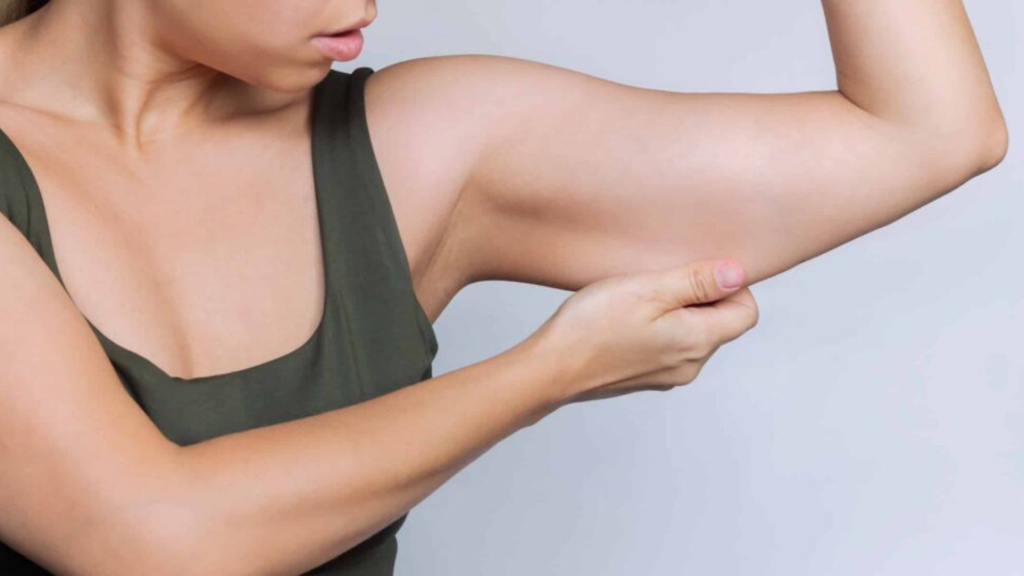
Brachioplasty, also known as an arm lift or arm reduction surgery, can help improve the appearance of sagging upper arms. This procedure removes excess skin and fat to create a more toned, contoured look. If you’re considering brachioplasty, it’s important to understand what the surgery entails and what you can expect from the results.
What is Brachioplasty?
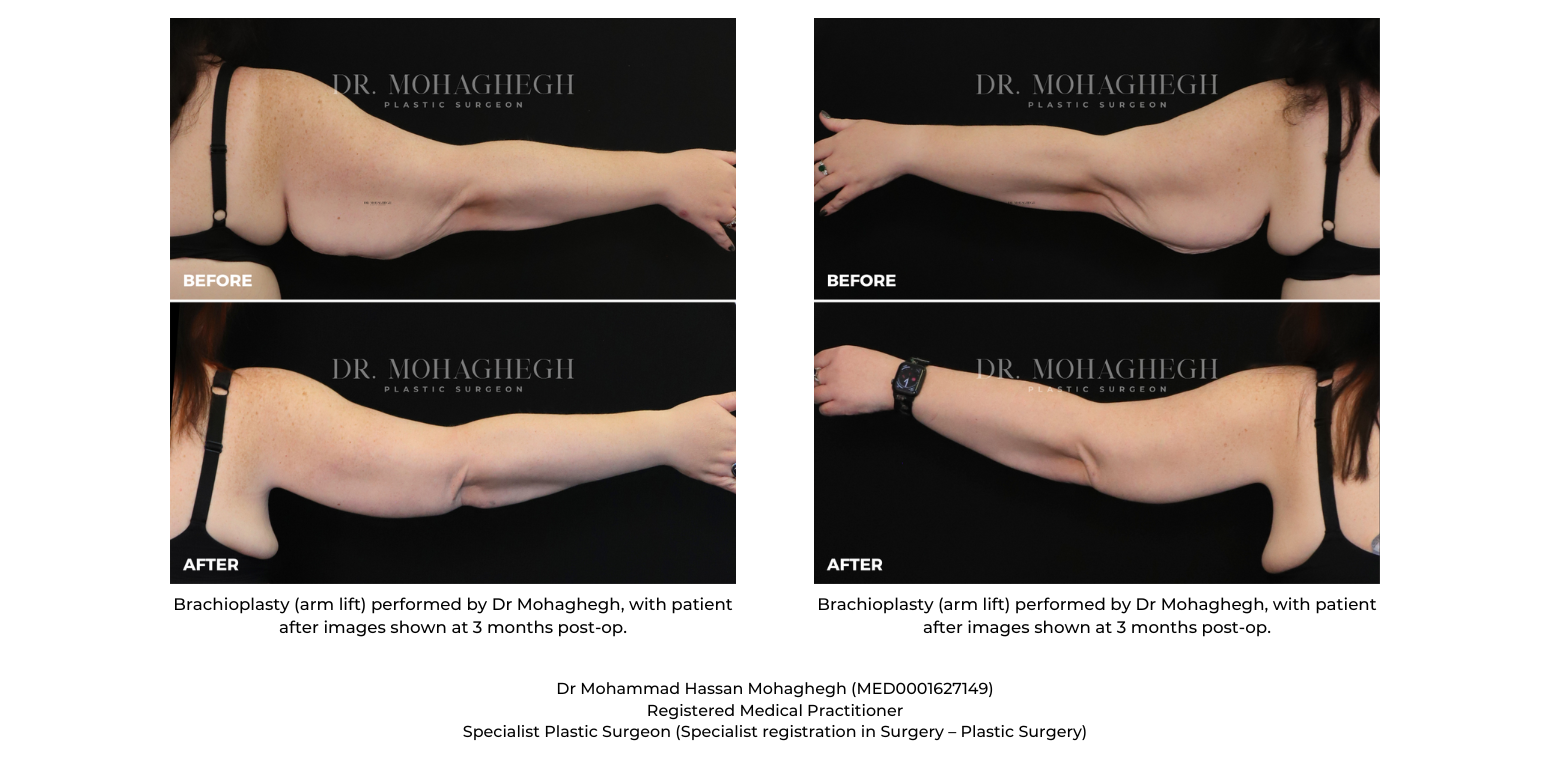
Brachioplasty is a surgical procedure that removes excess skin and fat from the upper arms, between the armpit and elbow. It can address issues like:
– Sagging, loose skin on the upper arms
– Excess fat deposits resistant to diet and exercise
– Loss of skin elasticity due to aging or significant weight loss
Good candidates for brachioplasty are generally healthy adults at a stable weight who have realistic expectations about the results. The surgery is particularly beneficial for those who have lost a substantial amount of weight and are left with excess skin.
Why Have Brachioplasty?
There are several reasons why individuals choose to undergo brachioplasty:
– Improved arm contour and shape
– Ability to wear sleeveless or short-sleeved clothing with confidence
– Removal of excess skin that causes chafing or irritation
– Enhanced self-esteem and body image
Many patients report feeling more comfortable and confident in their appearance after brachioplasty surgery.
Before & Afters
Visual Examples
In-Depth About the Procedure and Techniques Used
Brachioplasty is typically performed under general anaesthesia. The surgeon will make an incision on the inside or back of the upper arm, often extending from the armpit to near the elbow. Excess skin is then removed and the underlying tissues are tightened. In some cases, liposuction may be used to remove stubborn fat deposits.
The exact technique used will depend on the amount of correction needed. Options include:
– Traditional brachioplasty for significant skin excess
– Limited incision brachioplasty for moderate skin laxity
– Extended brachioplasty to address loose skin on the chest wall
Your surgeon will recommend the most appropriate technique based on your individual needs and goals.
What is the Recovery Time?
Recovery time varies between patients, but most can expect:
– 1-2 weeks off work
– 4-6 weeks before resuming strenuous activities
– Several months for swelling to fully subside
Following your surgeon’s post-operative instructions carefully can help promote healing and reduce downtime. This includes wearing compression garments, avoiding heavy lifting, and keeping the incisions clean and protected.
Recovery & Aftercare
Proper aftercare is crucial for optimal results. In the days and weeks following surgery:
– Rest with your arms elevated to reduce swelling
– Take prescribed pain medication and antibiotics as directed
– Avoid getting the incisions wet for the first few days
– Attend all follow-up appointments with your surgeon
Most patients can shower after 48 hours and resume light activities within 1-2 weeks. However, it’s important to avoid strenuous exercise or heavy lifting for at least 4-6 weeks.
Potential Risks and Complications
As with any surgery, brachioplasty carries some risks. These may include:
– Infection
– Bleeding
– Poor wound healing
– Asymmetry
– Changes in skin sensation
– Unsatisfactory aesthetic results
Choosing a qualified, experienced plastic surgeon and following all pre- and post-operative instructions can help minimise these risks.
Post-Surgery Care
Proper care of your incisions is essential for optimal healing:
– Keep incisions clean and dry
– Apply antibiotic ointment as directed
– Avoid exposing scars to direct sunlight
– Massage scars gently once healed to improve their appearance
Your surgeon will provide detailed instructions on scar care and may recommend silicone sheets, taping or other treatments to promote optimal healing.
Conclusion
Brachioplasty can dramatically improve the appearance of sagging upper arms, helping patients feel more confident in their bodies. While the procedure does involve some recovery time and potential risks, many find the results well worth it. If you’re considering arm lift surgery, consult with a board-certified plastic surgeon to discuss your options and determine if you’re a good candidate for the procedure.
Frequently Asked Questions
1. How long do brachioplasty results last?
Results can be long-lasting if you maintain a stable weight and healthy lifestyle.
2. Will I have visible scars after brachioplasty?
Yes, there will be scars, but they typically fade over time and can be hidden by clothing.
3. Can brachioplasty be combined with other procedures?
Yes, it’s often performed alongside other body contouring surgeries like breast lifts or tummy tucks.
4. How much does brachioplasty cost?
Costs vary depending on the extent of the procedure. Consult with a surgeon for a personalised quote.
5. Is brachioplasty covered by insurance?
It’s typically considered cosmetic and not covered, but exceptions may exist for medical necessity.
Remember, while this information provides a general overview, it’s crucial to consult directly with a qualified plastic surgeon for personalised advice and treatment recommendations.
Belt Lipectomy: Body Lift – What To Expect From Your Surgery
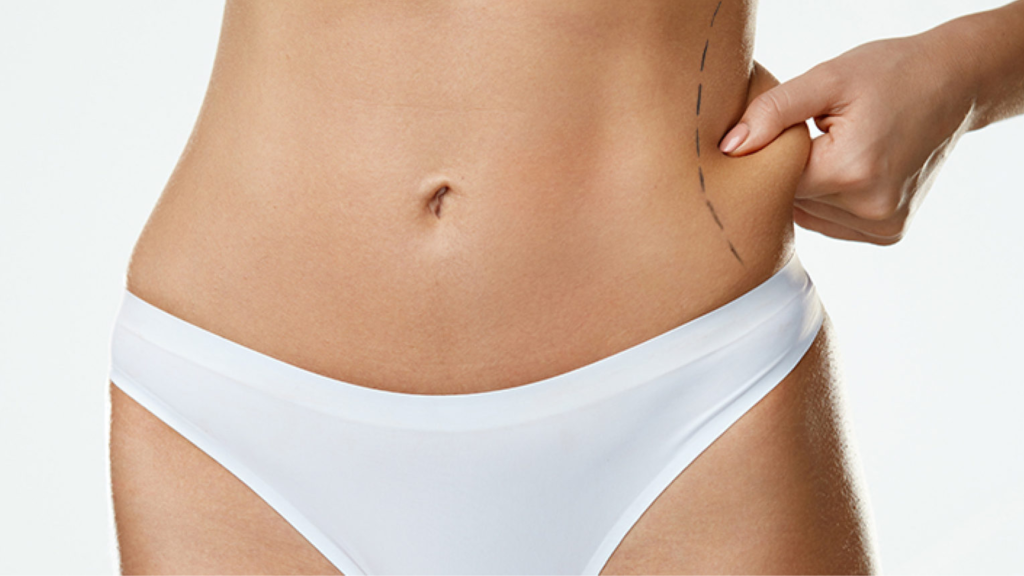
Belt Lipectomy: Body Lift – What To Expect From Your Surgery
Belt lipectomy, also known as a body lift or circumferential abdominoplasty, is a transformative surgical procedure designed to remove excess skin and fat from around the midsection. This comprehensive surgery addresses sagging tissue in the abdomen, hips, lower back, and buttocks, resulting in a more contoured and toned appearance.
What is a Belt Lipectomy?
A belt lipectomy is an extensive body contouring procedure that involves making an incision around the entire circumference of the lower torso, similar to a belt. During the surgery, excess skin and fat are removed from the abdomen, hips, lower back, and buttocks. The remaining skin is then tightened and repositioned to create a smoother, more defined body contour.
Why Consider a Belt Lipectomy?
There are several reasons why individuals may choose to undergo a belt lipectomy:
– Significant weight loss: After massive weight loss, either through bariatric surgery or lifestyle changes, excess skin often remains, which cannot be addressed through diet and exercise alone.
– Post-pregnancy changes: Pregnancy can cause stretching of the abdominal skin and muscles, which may not fully recover naturally.
– Ageing: As we age, skin loses elasticity, leading to sagging and laxity around the midsection.
– Improved body contour: A belt lipectomy can provide a more proportionate and aesthetically pleasing body shape.
Before & Afters
Visual Examples
.png)
The Belt Lipectomy Procedure
The belt lipectomy procedure is typically performed under general anaesthesia and can take several hours to complete. The surgery involves:
1. Making an incision around the entire circumference of the lower torso
2. Removing excess skin and fat
3. Tightening underlying muscles, particularly in the abdominal area
4. Repositioning and tightening the remaining skin
5. Closing incisions with sutures
Dr Mohaghegh employs advanced surgical techniques to minimise scarring and optimise results for each patient.
Recovery and Aftercare
Recovery from a belt lipectomy is a gradual process that requires patience and adherence to post-operative instructions. Most patients can expect:
– Initial recovery period of 2-3 weeks before returning to light activities
– Full recovery may take 6-12 weeks or longer
– Wearing compression garments to reduce swelling and support healing
– Avoiding strenuous activities and heavy lifting for several weeks
– Following a specific wound care regimen to promote proper healing
Dr Mohaghegh and our team will provide detailed aftercare instructions and support throughout your recovery process.
Potential Risks and Complications
As with any surgical procedure, there are potential risks associated with belt lipectomy. These may include:
– Infection
– Bleeding
– Adverse reaction to anaesthesia
– Delayed wound healing
– Seroma (fluid accumulation)
– Asymmetry
– Scarring
Dr Mohaghegh will discuss these risks in detail during your consultation and take all necessary precautions to minimise complications.
Conclusion
A belt lipectomy can be a life-changing procedure for individuals struggling with excess skin and fat around their midsection. While the surgery and recovery process are extensive, the results can be truly transformative, leading to improved body contour and increased self-confidence.
It’s crucial to consult with a qualified plastic surgeon like Dr Mohaghegh to determine if you’re a suitable candidate for this procedure and to discuss your individual goals and expectations.
Frequently Asked Questions
1. Am I a good candidate for a belt lipectomy?
Ideal candidates are those who have maintained a stable weight for at least 6 months, are in good overall health, and have realistic expectations about the procedure’s outcomes.
2. How long will the results of a belt lipectomy last?
Results can be long-lasting with a healthy lifestyle, including maintaining a stable weight and regular exercise.
3. Will I have visible scars after the procedure?
While scarring is inevitable, Dr Mohaghegh uses advanced techniques to minimise their appearance. Scars typically fade over time and can often be concealed by clothing.
4. Can a belt lipectomy be combined with other procedures?
Yes, it’s common to combine a belt lipectomy with other body contouring procedures such as liposuction, arm lift, or breast surgery, for more comprehensive results.
5. How much does a belt lipectomy cost?
The cost varies depending on individual factors. Dr Mohaghegh will provide a detailed quote during your consultation.
Remember, every surgical procedure carries risks. Discussing these with Dr Mohaghegh during your consultation is important to ensure you’re making an informed decision about your health and body.
Fleur De Lis Abdominoplasty: Body Lift + Abdominoplasty – What To Expect From Your Surgery
Fleur De Lis abdominoplasty is an advanced body contouring procedure that combines elements of a traditional tummy tuck with additional techniques to address excess skin and tissue in both vertical and horizontal directions. This comprehensive approach can provide dramatic results for patients who have experienced significant weight loss or have stubborn loose skin that does not respond to diet and exercise alone.
What is Fleur De Lis Abdominoplasty?
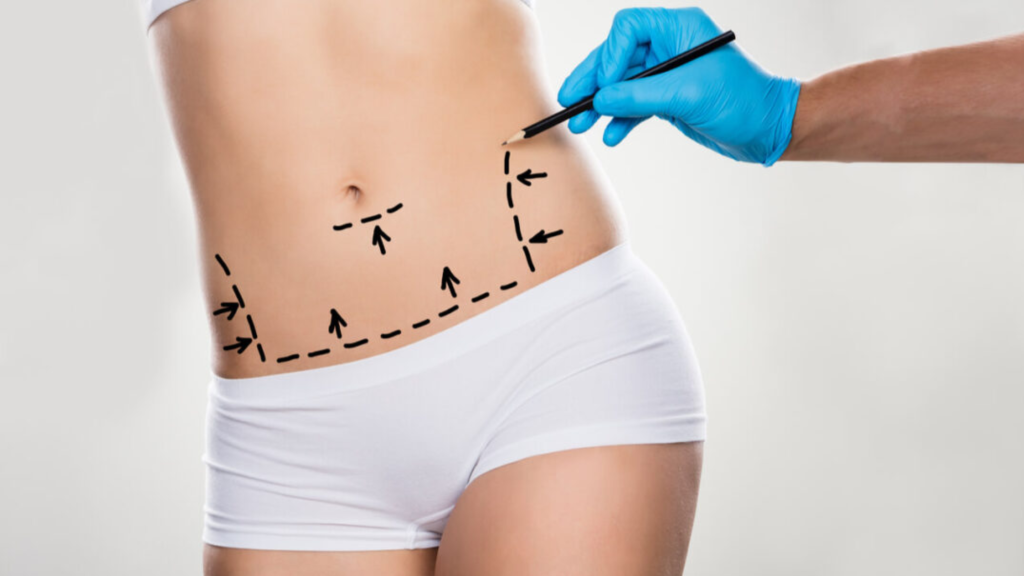
Fleur De Lis abdominoplasty is named after the lily flower shape created by the incision pattern. It involves:
– A traditional horizontal incision along the lower abdomen
– An additional vertical incision from the sternum to the pubic area
– Removal of excess skin and fat tissue
– Tightening of abdominal muscles
– Repositioning of the belly button
This technique allows for more extensive tissue removal and body contouring compared to a standard tummy tuck. It is particularly beneficial for patients with significant skin laxity in both the upper and lower abdomen.
Why Consider Fleur De Lis Abdominoplasty?
There are several reasons patients may choose this procedure:
– Significant weight loss leaving excess, sagging skin
– Pregnancy-related changes to the abdomen
– Age-related skin laxity and muscle weakness
– Desire for a more contoured waistline and flatter abdomen
Fleur De Lis abdominoplasty can dramatically improve body contours, leading to increased self-confidence and comfort in clothing. However, it is important to have realistic expectations and understand that this is a major surgical procedure.
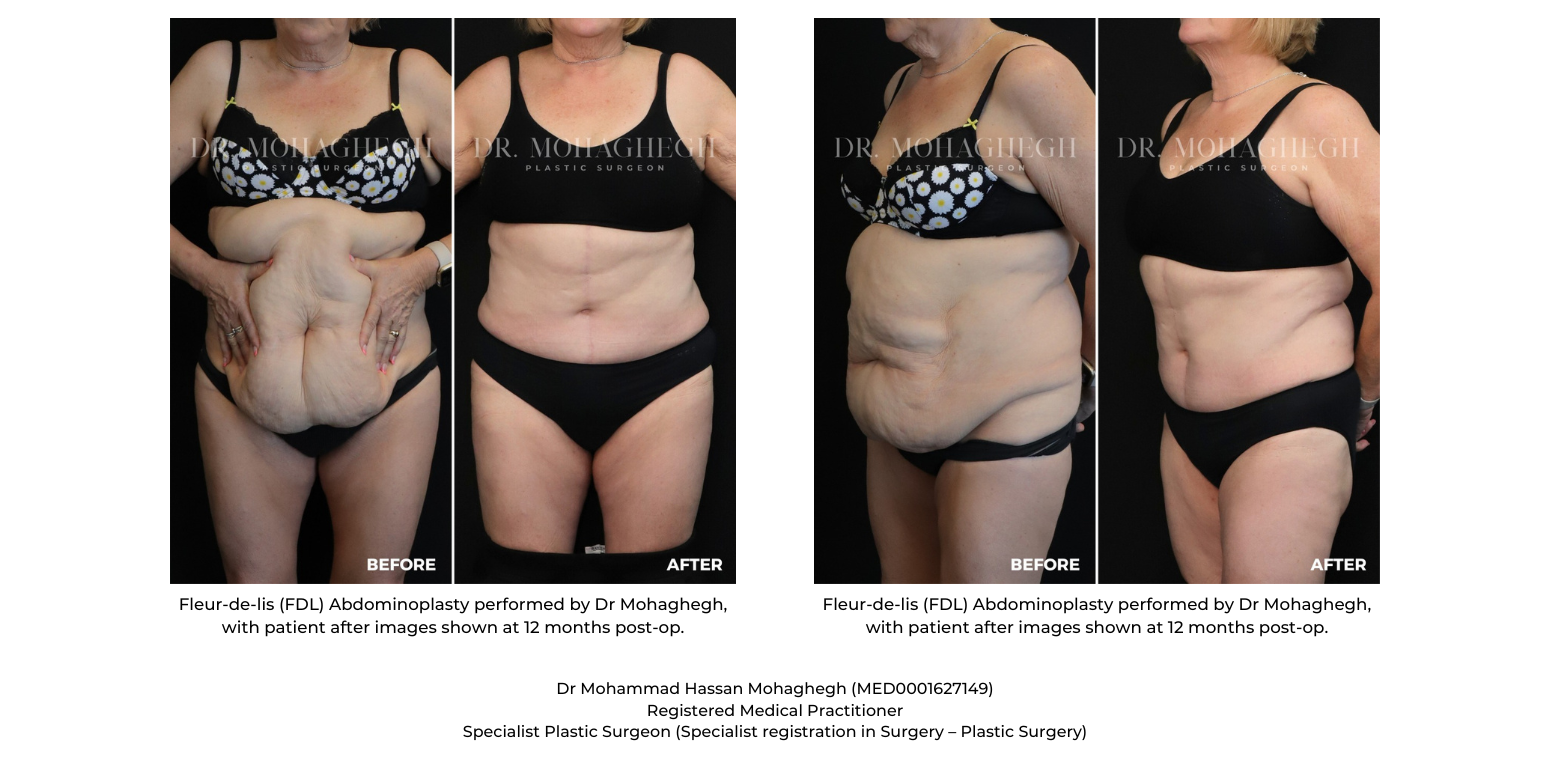
Before & Afters
Visual Examples
In-Depth About the Procedure and Techniques Used
The Fleur De Lis abdominoplasty is performed under general anaesthesia and typically takes 3-5 hours. Key steps include:
1. Marking the incision lines pre-surgery
2. Making the horizontal and vertical incisions
3. Elevating the skin and fat
4. Repairing and tightening abdominal muscles
5. Removing excess skin and fat
6. Repositioning the belly button
7. Closing incisions with sutures
Advanced techniques may be used to enhance results and minimise complications. Your surgeon will discuss the specific approach planned for your procedure during your consultation.
What is the Recovery Time?
Recovery from Fleur De Lis abdominoplasty typically involves:
– 1-3 nights hospital stay
– 2-3 weeks off work
– 4-6 weeks before resuming normal activities
– Several months for swelling to fully subside
Full results may not be apparent for 6-12 months as the body continues to heal and adjust.
Recovery & Aftercare
Proper aftercare is crucial for optimal results:
– Wear compression garments as directed
– Take prescribed medications to manage pain and prevent infection
– Avoid strenuous activity for 4-6 weeks
– Attend all follow-up appointments
– Maintain a stable weight through diet and exercise
Your surgeon will provide detailed post-operative instructions tailored to your specific case.
Potential Risks and Complications
As with any surgery, there are potential risks:
– Infection
– Bleeding
– Poor wound healing
– Seroma formation
– Asymmetry
– Numbness or changes in sensation
– Unsatisfactory aesthetic results
Choosing a qualified, experienced plastic surgeon and following all pre- and post-operative instructions can help minimise these risks.
Post Surgery Care
Proper care of your incisions is essential:
– Keep incisions clean and dry
– Change dressings as directed
– Watch for signs of infection (redness, warmth, discharge)
– Avoid sun exposure to scars for at least 12 months
– Use scar treatments as recommended by your surgeon
Regular follow-up appointments allow your surgeon to monitor your healing and address any concerns.
Conclusion
Fleur De Lis abdominoplasty can provide dramatic improvements in body contour for suitable candidates. However, it is a complex procedure that requires careful consideration. A consultation with a board-certified plastic surgeon is essential to determine if this surgery is right for you and to develop a personalised treatment plan.
Frequently Asked Questions
Q: Am I a good candidate for Fleur De Lis abdominoplasty?
A: Ideal candidates are non-smokers at a stable weight with significant skin laxity in both vertical and horizontal directions of the abdomen. A consultation is necessary to determine suitability.
Q: How long do results last?
A: Results can be long-lasting with a stable weight and healthy lifestyle. However, natural aging will continue to affect skin elasticity over time.
Q: Will I have visible scars?
A: Yes, Fleur De Lis abdominoplasty results in both vertical and horizontal scars. These typically fade over time but will be permanent. Your surgeon can advise on scar management techniques.
Q: Is this covered by insurance?
A: Fleur De Lis abdominoplasty is typically considered cosmetic and not covered by insurance. However, in some cases of functional impairment following massive weight loss, partial coverage may be possible. Check with your insurance provider.
Q: How much does Fleur De Lis abdominoplasty cost?
A: Costs vary depending on the extent of the procedure and individual factors. A consultation is necessary to provide an accurate estimate.
Remember, while this information provides an overview, a personal consultation with a qualified plastic surgeon is essential to determine if Fleur De Lis abdominoplasty is right for you and to develop a tailored surgical plan.
Body Lift: What Techniques Are Used In Body Lift Surgery
Introduction
At Dr Mohaghegh Plastic Surgery in Sydney, we understand the challenges many individuals face with loose or sagging skin and stubborn fat deposits after significant weight loss, pregnancy, or simply due to aging. Body lift surgery offers a fantastic solution to these issues by removing excess skin and reshaping the body for a more toned appearance. Our team, led by Dr Mohaghegh, one of Sydney’s leading plastic surgeons, brings extensive experience and expertise in body contouring surgeries, including abdominoplasty, to provide personalized care that aims for the best possible results.
Understanding Body Lift Surgery
Body lift surgery helps people who have lost a significant amount of weight by tightening and lifting sagging skin in several body areas, offering a more natural look and convenience for daily activities. The procedure improves the shape and tone of the tissue under the skin by removing extra sagging skin and fat that can result from aging, sun damage, pregnancy, weight changes, or genetics. It is important to note that a body lift is not the same as liposuction, although a plastic surgeon might use liposuction in conjunction with a body lift if the patient has good skin elasticity.
Areas Targeted by Body Lift Surgery
A body lift targets many areas of the body, with the abdominal area being a primary focus, extending around the sides and into the lower back. This helps to remove excess skin and fat while tightening tissues. The procedure also focuses on the thighs—inner, outer, and posterior areas—all benefiting from this surgery. The buttocks are another common area treated during a body lift, allowing patients to achieve a more toned and sculpted appearance overall.
Techniques Used in Body Lift Surgery
Body lift surgery involves several methods to reshape the body, with each technique targeting specific areas for better contours and a balanced look.
The 360° Body Lift
The 360° Body Lift enhances shape and tone while removing excess sagging fat and skin. It employs bikini-pattern incisions to address multiple areas simultaneously, such as the abdomen, thighs, and buttocks. Extensive surgical incisions are tailored to the amount of excess skin present, and deep sutures provide support for the new body contours post-surgery. This detailed procedure offers comprehensive improvement in a single session.
Combining Procedures for Customized Treatment Plans
Combining body contouring procedures can streamline recovery, save costs, and enhance aesthetic results. For instance, a thigh lift may be combined with a buttock lift or an abdominoplasty. One common combined procedure is the lower body lift, which includes an outer thigh/buttock lift and an abdominoplasty. Each treatment plan is customized based on individual needs, and combining procedures may take multiple stages to ensure safety and effective results. Working closely with our surgeon helps patients create a plan that fits their goals while minimizing risks.
Specific Techniques for Abdomen, Thighs, and Buttocks
The Lower Body Lift, or Belt Lipectomy, reshapes the abdomen, thighs, and buttocks. Incisions are made around the waist and inner thighs to remove excess fat and skin, giving a smoother look from all angles. A Mid Body Lift (Torsoplasty) tightens muscles for a flatter stomach while also removing extra skin around the hips, buttocks, and thighs. These techniques work together to create balanced results.
Pre-Surgical Considerations
During the initial consultation, we discuss your goals and medical history to ensure you are fit for surgery by reviewing your overall health and lifestyle habits.
Initial Consultation Expectations
In the initial consultation, our surgeon will review your medical history and conduct a physical examination to determine if you are a suitable candidate for body lift surgery. We will also provide detailed preoperative instructions. Patients must achieve a stable weight before surgery, and smokers should quit well in advance—usually several weeks—to ensure better healing. It is crucial to follow all guidelines to prepare both physically and mentally for the procedure.
Determining Suitability for Surgery
In our initial consultation, we gather detailed information about your health and lifestyle to determine if you are a suitable candidate for body lift surgery. We assess your skin tone, general health, and goals. Candidates who have lost substantial weight often have excess hanging skin, and good overall health is crucial. Smoking or drinking should be stopped several weeks before surgery for better healing. Our team will guide you through this process to ensure the best results.
Preparing Physically and Mentally
After determining your suitability for surgery, it is crucial to prepare both physically and mentally to ensure a smoother experience and aid in faster recovery. This preparation includes undergoing lab tests or a medical evaluation, adjusting medications as advised, ceasing smoking, avoiding certain drugs and supplements, following dietary instructions, arranging post-surgery care, preparing clothing and personal items, and staying calm and positive.
What to Expect During Surgery
During surgery, we will explain the procedures step-by-step and ensure you feel at ease.
Surgical Procedures Explained
In a body lift, we enhance the shape and tone of tissues by removing extra fat and skin through extensive incisions. These cuts vary based on how much skin needs to be removed and where it is located. Commonly, bikini-pattern incisions are used to tighten multiple areas at once.
Anesthesia and Incision Techniques
We will ensure you are comfortable during the surgery by using general anesthesia, which means you will be asleep and feel no pain. To remove excess skin and fat, we make incisions in targeted areas, which might vary based on your personalized plan—whether it is a lower body lift, upper body lift, or full body lift. The entire process usually takes 3 to 5 hours, depending on the areas being addressed.
Recovery and Aftercare
Recovery and aftercare are crucial for achieving the best results from body lift surgery. Discover what steps to follow for a smooth healing process.
Immediate Post-Surgery Care
Immediate post-surgery care is crucial for a smooth recovery and includes rest, assistance with hygiene, administration of painkillers and antibiotics, sleeping in a jackknife position, wearing compression garments, monitoring wound sites, hydrating and eating light meals, following up with appointments, avoiding strenuous activities, and seeking emotional support.
Long-Term Recovery Process
Body lift surgery has a long-term recovery process, and staying patient and following the right steps is key. This process includes physical activity restrictions, monitoring surgical sites, drainage tube care, pain management, proper diet and nutrition, attending follow-up appointments, maintaining mental well-being, managing scarring, resuming normal activities, and ongoing monitoring and care.
Monitoring and Managing Potential Complications
Monitoring and managing complications after body lift surgery is crucial, and patients need to be aware of potential risks and how to address them effectively. Common complications include wound dehiscence, infection, seroma, and the use of compression garments and thrombosis prophylaxis. Significant predictors of complications include maximum BMI, preoperative BMI, percentage of excess weight loss, and smoking status.
Risks and Complications
Risks and complications can arise with any surgical procedure, and patients need to understand these to make an informed decision.
Common Surgical Risks
Common risks include excessive bleeding, poor wound healing, blood clots, and unfavorable scarring. Recovery may take four to six weeks, and patients are advised to avoid exercise for six to eight weeks post-surgery. Scars will encircle the body but are designed to be inconspicuous under swimwear.
How to Minimize Potential Complications
Patients can minimize potential complications from body lift surgery by providing a thorough list of past medical conditions, procedures, medications, and other relevant health information. Achieving an optimal Body Mass Index (BMI) is recommended for better surgical outcomes, and stable weight before surgery helps maintain results and aids post-operative healing. Optimal health is advised before surgery, including avoiding nicotine for at least 6 weeks pre and post-surgery.
Conclusion
Body lift surgery can offer life-changing results through tailored techniques and skilled hands, aiming to contour and refine the body. Dr Mohaghegh, an expert with over 20 years of experience in surgery, emphasizes that the key features of body lift surgeries are their ability to target multiple areas at once, making them effective for significant transformations. Results often include tighter skin, reduced sagging, and better physical comfort.
Safety is always a primary concern, and all procedures should meet strict medical standards. Proper certifications and transparency with patients ensure ethical practices. To get the best out of this surgery, planning is crucial, and it is vital to follow pre-surgical instructions closely, maintain a healthy lifestyle before and after surgery, and attend all follow-up appointments for optimal results.
There are clear benefits like improved appearance and increased self-esteem; however, risks such as bruising or infection exist too. It is essential to consider both sides before making a decision about surgery. Ultimately, body lift procedures are highly recommended for suitable candidates who have realistic expectations based on professional advice. As long as patients prepare well and choose qualified surgeons (like Dr Mohaghegh), they can look forward to excellent outcomes.
Body Lift: How To Approach Before and After Surgery
Body Lift: At a Glance
Target Area: A body lift is a comprehensive procedure that targets multiple areas, including the abdomen, thighs, buttocks, and lower back. It aims to remove excess skin and fat while tightening the underlying tissues to enhance body contours.
Time Off Work: Patients generally require about 2-3 weeks off work to allow for initial recovery and healing.
Total Recovery: Full recovery can take several months, with most swelling subsiding within 8-12 weeks. Complete healing and final results may take up to a year.
Scar Positioning: Scars are strategically placed to be concealed by clothing, often following a circumferential pattern around the lower torso, which allows them to be hidden by underwear or swimwear.
What is a Body Lift?
A body lift, often referred to as a belt lipectomy, is an extensive surgical procedure designed to improve the contour and tone of the body by removing excess skin and fat.
This procedure is particularly beneficial for individuals who have experienced significant weight loss, resulting in sagging skin that cannot be corrected through diet and exercise alone.
The surgery focuses on enhancing the appearance of the abdomen, thighs, buttocks, and lower back by tightening the underlying supportive tissue and removing loose skin. The overall goal is to create a smoother, more toned appearance and restore a more youthful body contour.
Am I an Ideal Candidate for a Body Lift?
Ideal candidates for a body lift are individuals who are in good overall health, have maintained a stable weight, and possess realistic expectations about the surgery’s outcomes.
This procedure is especially suitable for those with significant skin laxity due to massive weight loss, ageing, or pregnancy. Non-smokers or individuals willing to quit smoking before and after the surgery are preferred, as smoking can impede healing and affect the final results.
Candidates should have a positive outlook and specific goals for body contouring, understanding that while the procedure can significantly improve appearance, it may not achieve perfection.
How Do I Prepare for a Body Lift Consultation?
To prepare for a body lift consultation, gather your complete medical history, including any previous surgeries, current medications, and underlying health conditions.
During the consultation, discuss your goals and expectations with Dr Mohaghegh, and be prepared to ask questions about the procedure, recovery process, and potential risks.
Dr Mohaghegh will likely provide pre-operative instructions, such as stopping certain medications and avoiding smoking, to optimise surgical outcomes. It may also be helpful to bring ‘before’ photos to help plan the surgery and assess the results post-operation.
Dr Mohaghegh will evaluate your skin elasticity, overall health, and specific areas of concern to develop a personalised surgical plan.
Is a Body Lift Right for Me?
A body lift may be right for you if you are bothered by excess skin and fat on your body, particularly if these issues have not responded to lifestyle changes.
Consider your motivations carefully to ensure they align with realistic expectations of the surgery’s outcomes. A thorough consultation with Dr Mohaghegh will help determine if this procedure is suitable for your aesthetic goals.
Dr Mohaghegh will assess your overall health, skin condition, and specific areas of concern to determine the best approach for your body lift.
What Can I Expect from a Body Lift?
During the body lift procedure, the surgeon makes incisions around the lower torso to remove excess skin and fat. The remaining skin is then tightened and sutured to create a smoother contour. The surgery is usually performed under general anaesthesia and can take several hours, depending on the complexity of the case.
Liposuction is also used to enhance the results by further contouring the surrounding areas. Patients can expect a comprehensive approach that addresses multiple body areas, resulting in a more harmonious and balanced body contour.
The procedure aims to provide a natural enhancement, resulting in a more youthful and balanced appearance.
What is the Recovery and Aftercare for a Body Lift?
Recovery from a body lift involves managing swelling and discomfort, which can be alleviated with prescribed medications. Patients are advised to wear compression garments to support healing and reduce swelling. It is crucial to avoid strenuous activities and heavy lifting for the first 4-6 weeks.
Follow Dr Mohaghegh’s aftercare instructions closely, which may include guidelines on physical activity, wound care, and follow-up appointments, to ensure proper healing and achieve the best possible outcomes.
Regular check-ups with Dr Mohaghegh will help monitor your progress and address any concerns during the recovery period. Full recovery can take several months, with most swelling subsiding within 8-12 weeks, but complete healing and final results may take up to a year.
What Can I Expect from a Body Lift, What are My Expected Outcomes?
Patients can expect a significant improvement in the contour of their body, with a smoother and more toned appearance.
While some swelling and bruising are common initially, these symptoms should gradually subside over a few weeks.
The results are generally long-lasting, provided you maintain a stable weight and a healthy lifestyle. It is important to have realistic expectations and understand that while a body lift can significantly improve your appearance, it may not achieve perfection. The procedure aims to provide a natural enhancement, resulting in a more youthful and balanced appearance.
What are the Potential side effects, Risks, and Complications with Body Lift?
Potential risks associated with a body lift include scarring, infection, bleeding, and changes in skin sensation. More serious complications, although rare, can include blood clots and issues related to anaesthesia.
It is essential to discuss these risks with Dr Mohaghegh and adhere to pre-and post-operative instructions to minimise complications. Dr Mohaghegh will provide detailed information on how to recognise signs of complications and when to seek medical attention.
By following Dr Mohaghegh’s advice and maintaining open communication, you can help ensure a smooth recovery and satisfactory results.
What are the Cost and Considerations When Undergoing a Body Lift?
The cost of a body lift can vary widely depending on complexity of the procedure, consider prices from $15,500
This cost typically includes the surgeon’s fee, anaesthesia, and hospital charges, but not additional expenses like post-surgery garments or medications. Some insurance plans may cover part of the cost if the surgery is deemed medically necessary, so it’s important to check with your provider.
Patients should also consider additional costs such as post-operative care, compression garments, and potential time off work when planning for the procedure. Discussing the financial aspects with Dr Mohaghegh’s office can help you prepare for the investment in your appearance.
Before and After Patient Photos – Body Lift
Before and after photos can provide a visual representation of the potential outcomes of the procedure.
These images are typically taken during the consultation process and are used to help set realistic expectations. Photos will only be shared with patient consent, in compliance with advertising guidelines.
Reviewing these photos can help you understand the potential results and discuss any specific concerns or goals with Dr Mohaghegh. Seeing the transformations of other patients can provide reassurance and confidence in your decision to undergo the procedure.
If you are interested in before and after images please check out our body procedure gallery.
Body Gallery: https://www.drmohaghegh.com.au/procedures/body
What are Some Types of Techniques Used for a Body Lift?
Techniques for a body lift may vary but generally involve making incisions around the lower torso to remove excess skin and fat. The choice of technique depends on the amount of excess tissue and the desired results.
Liposuction is also used to enhance the outcome by further contouring the surrounding areas. Dr Mohaghegh will discuss the most appropriate technique for your specific needs and goals during the consultation. Understanding the different techniques can help you make informed decisions about your surgery and its expected outcomes.
What are the Next Steps in Booking a Body Lift?
To book a body lift, schedule a consultation with Dr Mohaghegh.
During this meeting, discuss your goals, undergo a physical examination, and review your medical history. If you decide to proceed, Dr Mohaghegh will provide a detailed surgical plan and cost estimate. Ensure you understand all aspects of the procedure, including the risks, benefits, and recovery process, before committing.
Dr Mohaghegh will guide you through the preparation process and provide instructions to optimise your surgical experience. Taking the time to thoroughly research and prepare will help ensure a successful outcome and a positive experience.
Frequently Asked Questions About Body Lift
How long does the surgery take? The surgery may take 4-6 hours, depending on the complexity of the case.
Will I have visible scars? Scars are usually placed in less visible areas and tend to fade over time with proper care.
When can I resume normal activities? Most patients can return to normal activities within 6-8 weeks, following their surgeon’s guidelines.
Is the procedure covered by insurance? Coverage depends on medical necessity and individual insurance policies. It is important to check with your insurance provider to determine eligibility.
Back Lift W/ Buttock Autoaugmentation: What Techniques Are Used In Back Lift W/ Buttock Autoaugmentation Surgery
Introduction
At Dr Mohaghegh Plastic Surgery in Sydney, we understand the challenges many individuals face with stubborn fat and sagging skin in the lower back, often accompanied by a less defined buttock area. Back Lift with Buttock Autoaugmentation is an effective solution that enhances your body’s natural contour by reshaping the lower back and augmenting the buttocks using your own tissue. Our highly experienced plastic surgeon, Dr Mohammad Mohaghegh, specializes in this intricate procedure, ensuring each patient receives personalized care designed to meet their unique needs.
Understanding Back Lift with Buttock Autoaugmentation
Back Lift with Buttock Autoaugmentation is a transformative procedure that aims to enhance the shape and contour of your lower body by lifting sagging skin and augmenting the buttocks. The surgery involves removing excess skin and fat from the lower back while simultaneously using your own tissue to enhance the shape and size of your buttocks.
This procedure is particularly beneficial for individuals who have lost a significant amount of weight or those experiencing the effects of aging on their lower back and buttock area. By addressing these concerns in a single surgery, patients can achieve a more balanced and youthful appearance.
Ideal Candidates for the Procedure
The ideal candidates for Back Lift with Buttock Autoaugmentation are those in good overall health, with stable weight and realistic expectations about the procedure’s outcomes. Non-smokers or those who quit before surgery tend to have better success rates and faster recovery times.
Candidates should have significant skin laxity in the lower back area and a desire to enhance the shape and size of their buttocks. It is essential to maintain a healthy lifestyle, including proper nutrition and regular exercise, to ensure the longevity of the surgery’s results.
Techniques Used in Back Lift with Buttock Autoaugmentation
At Dr Mohaghegh Plastic Surgery, we employ various techniques to achieve optimal results based on your individual needs and goals. The three main techniques used in this procedure are:
Fat Grafting and Redistribution
Fat grafting involves using liposuction to remove excess fat from one area of the body, processing it, and then re-injecting it into the buttocks using a special cannula. This technique helps improve body proportions by redistributing fat to areas where it is most needed, resulting in a more balanced and attractive silhouette.
Gluteal Autoaugmentation
Gluteal autoaugmentation is a technique that enhances the shape and size of the buttocks without the use of implants. Instead, the surgeon uses tissue from other areas of the body to augment the buttocks, creating a natural-looking result. The modified SGAP (superior gluteal artery perforator) rotation flap technique is often used in this method, ensuring the tissue maintains its blood supply for optimal healing and results.
Circumferential Lower Body Lift
A circumferential lower body lift is a comprehensive approach that targets the lower back, abdomen, hips, and buttocks. This technique involves removing excess skin and fat to contour these areas, with scars typically placed along the lower back and potentially extending to the buttocks. This method ensures more even results compared to separate procedures.
Preparing for Surgery
Preparing for Back Lift with Buttock Autoaugmentation surgery involves a detailed consultation process to ensure you are physically and mentally ready for the procedure. During your consultation with Dr Mohaghegh, you will discuss your goals, medical history, and any lifestyle changes necessary before surgery, such as quitting smoking and maintaining a balanced diet.
You may need to undergo pre-operative testing to evaluate your overall health and suitability for the procedure. Our team will provide you with comprehensive pre-operative instructions and support to help you feel confident and prepared for your surgery.
Recovery and Postoperative Care
After your Back Lift with Buttock Autoaugmentation surgery, proper post-operative care is crucial for a smooth recovery and optimal results. Patients typically stay in the hospital for at least 48 hours following the procedure for monitoring and pain management.
In the first few weeks after surgery, it is essential to follow Dr Mohaghegh’s instructions regarding wound care, medication, and activity restrictions. Wearing compression garments as directed and attending all follow-up appointments are key to ensuring proper healing and minimizing the risk of complications.
As you progress through your recovery, it is important to maintain a healthy lifestyle, including a balanced diet and gentle exercise, to support your body’s healing process and maintain the long-term results of your surgery.
Conclusion
Back Lift with Buttock Autoaugmentation is a highly effective procedure for individuals seeking to enhance their lower body contours and achieve a more youthful, balanced appearance. With the expertise of Dr Mohammad Mohaghegh and his team at Dr Mohaghegh Plastic Surgery in Sydney, patients can expect personalized care and exceptional results.
As with any surgical procedure, it is essential to have realistic expectations and carefully consider the potential risks and benefits. Dr Mohaghegh prioritizes patient safety and adheres to the highest ethical standards set by APRAH, ensuring transparent communication and informed decision-making throughout the process.
If you are considering Back Lift with Buttock Autoaugmentation, we invite you to schedule a consultation with Dr Mohaghegh to discuss your unique needs and goals. Together, we can develop a personalized treatment plan to help you achieve the natural-looking, confidence-boosting results you desire.
Back Lift w/ Buttock Autoaugmentation: How To Approach Before and After Surgery
Back Lift with Buttock Autoaugmentation: At a Glance
Target Area: This surgical procedure focuses on the lower back and buttocks, addressing sagging skin and enhancing the buttocks using the patient’s tissue.
Time Off Work: Patients generally need to take about 2-3 weeks off work for initial recovery and healing.
Total Recovery: Full recovery can take up to 1 year, with variations depending on individual healing rates and adherence to post-operative care.
Scar Positioning: Scars are strategically placed along the lower back, often near the waistline, and may extend to the buttocks, depending on the extent of the lift and augmentation.
What is a Back Lift with Buttock Autoaugmentation?
A back lift with buttock autoaugmentation is a comprehensive surgical procedure aimed at reshaping and contouring the lower back while enhancing the buttocks.
This dual-purpose surgery involves the removal of excess skin and fat from the lower back, which is then used to augment the buttocks, providing a fuller and more lifted appearance.
This procedure is particularly beneficial for individuals who have experienced significant weight loss or have sagging skin due to ageing, offering a natural enhancement by utilising the patient’s tissue.
Am I an Ideal Candidate for a Back Lift with Buttock Autoaugmentation?
Ideal candidates for this procedure are those who are in good overall health, have maintained a stable weight, and possess realistic expectations about the surgery’s outcomes.
Candidates should have noticeable excess skin and fat in the lower back and desire a more contoured and enhanced buttock appearance. Non-smokers or individuals willing to quit smoking before and after the surgery are preferred, as smoking can significantly hinder the healing process and affect the final results.
If you’re interested in seeing if you’d be a candidate please contact us or call 1300 074 466, our lovely staff will answer any questions you might have.
How Do I Prepare for a Back Lift with Buttock Autoaugmentation Consultation?
Preparing for the consultation involves gathering your complete medical history, including any previous surgeries, current medications, and any underlying health conditions.
It is crucial to have a clear discussion with Dr Mohaghegh about your goals and expectations.
Prepare a list of questions regarding the procedure, recovery timeline, and potential risks. Taking ‘before’ photos can help plan the surgery and assess the results post-operation.
Additionally, Dr Mohaghegh may provide specific instructions on lifestyle modifications, such as dietary changes or smoking cessation, to optimise surgical outcomes.
Is a Back Lift with Buttock Autoaugmentation Right for Me?
This procedure may be suitable for you if you are concerned about excess skin and fat in your lower back and wish to enhance your buttocks without the use of implants.
It is important to evaluate your overall health and discuss any medical conditions with Dr Mohaghegh.
Consider your motivations carefully to ensure they align with realistic expectations of the surgery’s outcomes. A thorough consultation with Dr Mohaghegh will help determine if this procedure is the right fit for your aesthetic goals.
What Can I Expect from a Back Lift with Buttock Autoaugmentation?
During the procedure, Dr Mohaghegh will make an incision along the lower back to remove excess skin and fat. This tissue is then carefully repositioned or grafted to the buttocks to enhance their shape and volume.
The surgery is typically performed under general anaesthesia and can take anywhere from 3 to 5 hours, depending on the complexity and extent of the work required.
Patients can expect a comprehensive approach that addresses both the lower back and buttocks, resulting in a more harmonious and balanced body contour.
What is the Recovery and Aftercare for a Back Lift with Buttock Autoaugmentation?
Recovery from a back lift with buttock autoaugmentation involves managing swelling and discomfort, which can be alleviated with prescribed medications.
Patients are advised to wear compression garments to support healing and reduce swelling. It is crucial to avoid sitting directly on the buttocks for a period recommended by Dr Mohaghegh to ensure optimal results.
Patients should follow Dr Mohaghegh’s aftercare instructions closely, which may include guidelines on physical activity, wound care, and follow-up appointments, to ensure proper healing and achieve the best possible outcomes.
What Can I Expect from a Back Lift with Buttock Autoaugmentation, What are My Expected Outcomes?
Patients can expect a significant improvement in the contour of their lower back and enhanced buttock volume and shape.
While some swelling and bruising are common initially, these symptoms should gradually subside over a few weeks.
The results are generally long-lasting, provided you maintain a stable weight and a healthy lifestyle. The procedure aims to provide a natural enhancement using your tissue, resulting in a more youthful and balanced appearance.
What are the Potential Side-Effects, Risks, and Complications with Back Lift with Buttock Autoaugmentation?
Potential risks associated with this procedure include scarring, asymmetry, infection, and changes in skin sensation.
More serious complications, although rare, can include blood clots and issues related to anaesthesia. It is essential to discuss these risks with Dr Mohaghegh and adhere to pre-and post-operative instructions to minimise complications.
Dr Mohaghegh will provide detailed information on how to recognise signs of complications and when to seek medical attention.
What are the Costs and Considerations When Undergoing a Back Lift with Buttock Autoaugmentation?
The cost of a backlift with buttock autoaugmentation can range from $13,500, depending on the complexity of the procedure and geographical location.
This cost typically includes the surgeon’s fee, anaesthesia, and hospital charges. Some insurance plans may cover part of the cost if the surgery is deemed medically necessary, so it is important to check with your provider.
Patients should also consider additional costs such as post-operative care, compression garments, and potential time off work when planning for the procedure.
What is the typical pricing for an anaesthesiologist for a Buttock Autoaugmentation?
Before and After Patient Photos – Back Lift with Buttock Autoaugmentation
Before and after photos can provide a visual representation of the potential outcomes of the procedure.
These images are typically taken during the consultation process and are used to help set realistic expectations. Photos will only be shared with patient consent, in compliance with advertising guidelines.
Reviewing these photos can help you understand the potential results and discuss any specific concerns or goals with Dr Mohaghegh.
If you are interested in seeing before and after photos please go to our gallery for body procedures.
Body Surgery Gallery: https://www.drmohaghegh.com.au/procedures/body
What are Some Types of Techniques Used for a Back Lift with Buttock Autoaugmentation?
Techniques for this procedure may vary but generally involve removing excess skin and fat from the lower back and using this tissue to augment the buttocks.
The choice of technique depends on the amount of excess tissue and the desired results. Liposuction is also used to enhance the outcome by further contouring the surrounding areas.
Dr Mohaghegh will discuss the most appropriate technique for your specific needs and goals during the consultation.
What are the Next Steps in Booking a Back Lift with Buttock Autoaugmentation?
To book this procedure, schedule a consultation with Dr Mohaghegh.
During this meeting, discuss your goals, undergo a physical examination, and review your medical history. If you decide to proceed, Dr Mohaghegh will provide a detailed surgical plan and cost estimate.
Ensure you understand all aspects of the procedure, including the risks, benefits, and recovery process, before committing.
Dr Mohaghegh will guide you through the preparation process and provide instructions to optimise your surgical experience.
Frequently Asked Questions About Back Lift with Buttock Autoaugmentation
How long does the surgery take? The surgery typically takes between 3 to 5 hours, depending on the complexity of the case.
Will I have visible scars? Scars are usually placed in less visible areas and tend to fade over time with proper care.
When can I resume normal activities? Most patients can return to normal activities within 6-8 weeks, following Dr Mohaghegh’s guidelines.
Is the procedure covered by insurance? Coverage depends on medical necessity and individual insurance policies. It is important to check with your insurance provider to determine eligibility.