
Everything You Need to Know About Revision Rhinoplasty
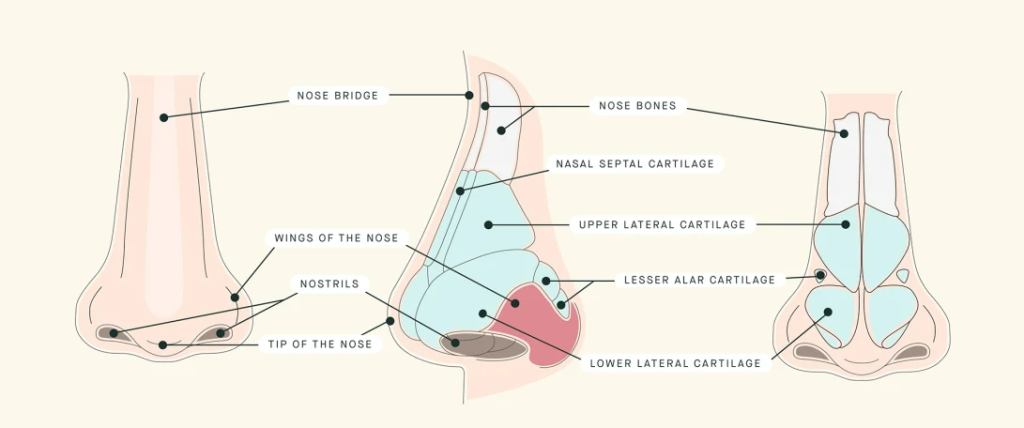
At Dr Mohaghegh Plastic Surgery in Sydney, we understand that not all rhinoplasty procedures yield the desired results. Revision Rhinoplasty, also known as secondary rhinoplasty, is a specialized surgical procedure designed to address aesthetic and functional issues that arise from a previous rhinoplasty surgery. This article provides a comprehensive guide to everything you need to know about revision rhinoplasty, including who may need it, the techniques used, and what to expect from the procedure and recovery process. By understanding the complexities and nuances of revision rhinoplasty, you can make an informed decision about whether this procedure is right for you.
Introduction to Revision Rhinoplasty
If you’re considering rhinoplasty, revision rhinoplasty may be an option. Apparently, revision rhinoplasty after primary rhinoplasty is around 10% – 15%.
In this blog post, we’ll explore everything from who may need a revision procedure, to what the process entails and what to look for in a surgeon.
Key Takeaways
- Revision Rhinoplasty is a corrective surgery that addresses the aesthetics and/or function of the nose with an aim to fix unsatisfactory results from an initial rhinoplasty procedure.
- Ideal candidates for revision rhinoplasty are those who wish to improve the appearance or function of their nose after already undergoing one or more primary nose surgeries, this might include a bad surgery.
- Techniques used in revision like open rhinoplasty and grafts/implant may be needed for structural support depending on individual cases are commonly employed in this surgery.
- Potential risks of needing revision surgery include infection, swelling, scarring as well as long term side effects which should be weighed when deciding on whether or not to proceed with revisionary procedures.
Understanding Revision Rhinoplasty
Revision rhinoplasty is a corrective surgery (sometimes referred to as secondary rhinoplasty) that addresses the aesthetics and/or function of the nose with an aim to fix unsatisfactory results from an initial rhinoplasty procedure.
Definition and purpose
Revision rhinoplasty, also known as secondary rhinoplasty, is a complex and intricate surgical procedure that aims to improve the form and/or function of the nose. It is performed on patients who have previously undergone rhinoplasty one or more times with unsatisfactory results.
The need for revision rhinoplasty arises when the initial surgery did not meet the patient’s expectations or needs regarding both aesthetic and functional concerns. This requires precision and expertise from a skilled plastic surgeon with ample experience performing this type of corrective surgery in order to achieve desired results.
As such, it is important for those considering revision rhinoplasty to consult with specialized surgeons such as Dr Mohaghegh Plastic Surgery in Sydney, who will have all the pertinent knowledge necessary for carrying out successful operations safely and successfully.
Who is a suitable candidate?
Revision rhinoplasty requires specific skills and experience, so it’s important to consult with a plastic surgeon who specializes in this procedure. Generally speaking, an ideal candidate for revision rhinoplasty is someone who wishes to improve the appearance or function of their nose after already undergoing one or more primary nose surgeries.
Common causes for seeking revision include unsatisfactory cosmetic improvements, difficulties breathing due to nose congestion, asymmetrical nostrils caused by scar tissue formation, unbalanced cartilage support structure in the nose bridge area due to insufficient correction during original surgery etc. A thorough consultation with an experienced plastic surgeon should allow any prospective patient to fully understand their situation and what can be expected from the outcome of a successful revision rhinoplasty surgery.
The Procedure and Recovery
During the procedure, a skilled and experienced surgeon will implement techniques including incision placement, cartilage grafts, contouring, or repositioning of structures to correct aesthetic issues.
Post-operatively, patients should adhere to instructions from their surgeon in order to promote successful recovery.
Techniques and methods used
Revision rhinoplasty techniques and methods are used to address both the cosmetic and functional aspects of the patients’ noses. Depending on the severity of anatomic defects or prior surgical results, they may range from relatively minor interventions (narrowing, elevating) to complex revisions (reshaping/lifting a nose tip, reconstructing tissue damage).
open rhinoplasty technique commonly employed in revision surgery. In an open approach, discreet incisions are made across either side of the nostrils to gain access to all underlying nasal structures—this allows for greater manipulation compared to a closed approach.
Furthermore, grafts or implants may be needed for structural support depending on individual cases. Autologous material can come from inside or outside the nose. wThe other option is to use Allograft cartilage , a piece of cartilage that is taken from a deceased donor to replace damaged cartilage.
All techniques used in revision rhinoplasty must ultimately balance form with function; failure risk is therefore especially pronounced owing to its more delicate nature compared with primary nose procedures.
Post-surgical instructions and recommendations
Rhinoplasty is a complex procedure, therefore it’s important to follow all guidelines provided by your doctor for the best possible outcome and a smooth recovery. Before undergoing rhinoplasty surgery, make sure that you understand all pre-operative instructions such as quitting smoking or using certain medications, etc. Additionally after surgery, your surgeon will provide detailed post-operative instructions including rest and activity restrictions.
It’s important to adhere strictly to these recommendations in order to ensure proper healing and reduced risk of infection. Swelling is a common side effect of nose surgeries however; following specific instructions can help manage discomfort and reduce swelling.
ice packs should be applied for ten minutes every hour in an effort to minimize swelling during the first few days post operation.
In addition, head elevation can also assist with reducing this bruising at night while sleeping so it’s recommended not to sleep flat until advised otherwise by your specialist doctor e.g Dr Mohaghegh Plastic Surgery in Sydney.
Pain management medication as prescribed by your specialist can also assist with managing any discomfort associated with rhinoplasty recovery process which may last several weeks depending on individual cases , regular check ups are essential during this period).
Risks and Considerations
It is important to understand the potential risks and complications associated with revision rhinoplasty prior to undergoing the surgery.
Potential risks and complications
Revision rhinoplasty carries a higher risk of complications compared to primary rhinoplasty. Common risks include bleeding, bruising, swelling, infection and scarring. However, these can be minimized with expert medical care and an experienced plastic surgeon who understands how to identify feasible expectations and takes the necessary precautions during the procedure.
Other potential risks involve complications due to transplantation or implant material, such as infection, extrusion or distortion of the transplant/implant material that may require additional surgical intervention—the nose can also become more fragile with each subsequent revision surgery.
Long-term side effects of revision rhinoplasty are extremely rare but must always be taken into account when considering this type of surgery. It is also important to take all necessary precautions after the procedure in order to reduce risk of infection that could extend recovery time or cause further complications down the line.
Factors to consider before undergoing revision rhinoplasty
Before making the decision to undergo revision rhinoplasty, it is important to carefully weigh all potential risks and considerations. Revision rhinoplasty carries a higher risk of complications compared to primary rhinoplasty due to the complexity of altering a wound created by previous surgery.
Potential risks and complications include swelling around the nose and face, bleeding, infection, scarring, temporary loss of sense of smell and potential bursting vessels. Poor planning and communication between patient and plastic surgeon prior to the original surgery may also contribute to unsatisfactory outcomes from a rhinoplasty which lead one considering revision on cosmetic or functional grounds.
It is essential for individuals seeking out this procedure have access to detailed information on the likely methods used in their specific cases as well as post-op guidelines that prioritize healing time appropriately while being realistic about new surgical expectations in terms of aesthetic outcome goals so they can make an informed decision regarding this type of cosmetic enhancement.
Conclusion
Revision rhinoplasty is a complex procedure designed to address structural and/or aesthetic flaws from the original primary nose surgery. The success of revision rhinoplasty depends on clear communication with the surgeon, realistic expectations and careful selection of a highly skilled and experienced specialist in this field.
As cartilage may be used during the recontouring process, it is important to select an experience Rhinoplasty Surgeon such as Dr Mohaghegh Plastic Surgery here at Sydney who pays attention to detail when performing revision rhinoplasty.
Additionally, potential risks should also be discussed before undertaking any form of surgery, especially revisionary ones. By understanding all these elements ahead of time, patients can rest assured knowing that their desired outcomes will be met by working closely with an experienced plastic surgeon.
Frequently Asked Questions
1. What is a revision rhinoplasty?
A revision rhinoplasty, or secondary nose job, is an operation to make improvements on an initial rhinoplasty procedure. This surgery can be used to alter the shape and size of your nose in order to correct any deformities that may have occurred during your initial operation, as well as the signs of aging which may affect your facial features over time.
2. Am I a suitable candidate for revision rhinoplasty?
Revision rhinoplasty is suitable for those who are looking to make adjustments or corrections following their primary nose job – provided that their surgeon deems them medically fit and their nasal structure remains intact enough to bear further remodelling without risking patient health and safety.
3. What risks might be associated with my revision procedure?
Varying levels of discomfort, swelling at the treatment site (which can take several months to subside), scarring, infections in rare cases and changes in sensation around the nostrils are all potential risk factors – depending on each individual’s particular situation however all this will be discussed with you by a qualified plastic surgeon prior surgery commencing so they understand exactly what has been agreed upon beforehand for optimal results & satisfaction post-op.
4. Should I expect noticeable cosmetic results after my procedure?
Results tend not to produce immediately visible consequences but rather over greater lengths of time often months; due it being needed tailored exercises & massage therapy along usual postoperative advice from healthcare professionals involved such as controlling inflammation/swelling thru medication if prescribed necessary before full effects become increasingly evident.?
General Facts
- Revision rhinoplasty, also known as secondary rhinoplasty, is a corrective surgery aimed at addressing the function and/or aesthetics of the nose.
- It is not about improving upon a previously successful surgery but rather correcting issues from the original desired outcome.
- Patients considering revision rhinoplasty should be explicit with their surgeon about their dissatisfaction and what they want to correct.
- Cartilage is often needed for structural support in revision rhinoplasty, particularly for the tip and/or bridge of the nose.
- Septal cartilage, which is often deficient in revision cases, may be used during the procedure.
- Revision rhinoplasty is a secondary nose surgery designed for individuals who have already undergone a primary rhinoplasty.
- Constantian, a renowned nose specialist, highlights that revision rhinoplasty is a unique procedure where progress can be lost with each subsequent surgery.
- There may be concerns about the safety of revision rhinoplasty, but it is essential to consult with a skilled and experienced surgeon.
- The success of revision rhinoplasty ultimately depends on the patient’s realistic expectations and the expertise of the surgeon.
Facts about -Definition and purpose, Understanding Revision Rhinoplasty
- Revision rhinoplasty is a surgical procedure performed on patients who have previously undergone rhinoplasty one or more times and are seeking improvements in the appearance of their nose.
- It is also known as secondary rhinoplasty, as it is a corrective surgery that aims to address both the function and/or aesthetic concerns that were not adequately resolved in the initial rhinoplasty.
- The need for revision rhinoplasty arises when the results of the initial nose surgery do not meet the patient’s expectations or needs.
- Revision rhinoplasty requires precise surgical skills and a deep understanding of the nose’s anatomy, as it is a complex and intricate procedure.
- A systematic approach to diagnosing rhinoplasty deformities is essential to formulating a suitable surgical plan for revision rhinoplasty.
- The primary purpose of revision rhinoplasty is to improve the form and/or function of the nose, addressing both cosmetic and functional concerns.
- The success rate of revision rhinoplasty can vary depending on factors such as the surgeon’s expertise and the complexity of the case.
- Revision rhinoplasty can be a more challenging procedure than the initial rhinoplasty, as it involves working with altered nasal anatomy and scar tissue from previous surgeries.
- The cost of revision rhinoplasty may be higher than that of the initial rhinoplasty due to the additional complexities involved and the need for specialized surgical techniques.
- It is important for patients considering revision rhinoplasty to consult with a skilled and experienced surgeon who specializes in this procedure, as they will have the expertise to achieve the desired results.
Facts about -Who is a suitable candidate? Understanding Revision Rhinoplasty
- When considering revision rhinoplasty, it is important to choose a board-certified plastic surgeon with substantial experience in rhinoplasty.
- Revision rhinoplasty is a surgical procedure aimed at improving the form and/or function of the nose when the results of the initial nose surgery do not meet the patient’s needs.
- Patients who are unhappy with the results of a previous rhinoplasty may be suitable candidates for revision rhinoplasty.
- Revision rhinoplasty should be approached with caution and careful consideration.
- Common causes for revision rhinoplasty include unsatisfactory cosmetic appearance, breathing difficulties, and scar tissue formation.
- It is important for patients to have realistic expectations and a positive state of mind when considering revision rhinoplasty.
- The success rate of revision rhinoplasty can vary depending on various factors, including the skill and experience of the surgeon.
- Revision rhinoplasty is a complex procedure that requires specialized skills and expertise.
- Finding a reputable and experienced revision rhinoplasty surgeon is crucial for achieving the best results.
- Revision rhinoplasty is not typically covered by insurance, so patients should be prepared for the associated costs.
Facts about -Techniques and methods used, The Procedure and Recovery
- Revision rhinoplasty has a higher revision rate compared to primary rhinoplasty, indicating that it is a more complex procedure.
- The procedure of revision rhinoplasty is performed to correct problems or dissatisfaction following a previous nasal surgery.
- It can be used to correct nasal deformities caused by lacking structure or medical complications.
- Revision rhinoplasty, also known as secondary rhinoplasty, is a corrective surgery that aims to address both the function and appearance of the nose.
- Similar to primary rhinoplasty, revision nose surgery helps improve the shape, contours, and function of the nose.
- It is a surgical procedure that corrects cosmetic as well as functional issues resulting from previous nasal surgeries.
- Revision rhinoplasty can be used to fix nasal issues and improve both the aesthetic and functional aspects of the nose.
- The success rate of revision rhinoplasty may vary and is influenced by several factors.
- The cost of revision rhinoplasty may also vary depending on the extent of correction needed and the surgeon’s expertise.
- It is important to choose a skilled and experienced revision rhinoplasty surgeon to ensure optimal results and minimize risks.
Facts about -Post-surgical instructions and recommendations, The Procedure and Recovery
- Pre and post-operative instructions for rhinoplasty are important for a smooth recovery.
- The recovery process after nose surgery can be made more comfortable by following certain tips.
- Mayo Clinic provides information about the benefits, risks, and expectations of nose surgery.
- Detailed instructions for rhinoplasty recovery are based on the experience of thousands of surgeries.
- The size of the tip of the nose may appear bigger after surgery, not smaller.
- Most patients experience very little pain during rhinoplasty recovery.
- It is recommended to wait at least one year after the initial procedure before considering revision rhinoplasty.
- There are frequently asked questions about recovery time, pre-operative instructions, and long-term side effects of rhinoplasty.
- Some people may experience a blocked nose for several months after rhinoplasty.
- There are potential risks associated with rhinoplasty, but the chances of death are very low.
Facts about -Potential risks and complications, Risks and Considerations
- Rhinoplasty, including revision rhinoplasty, carries risks and potential complications.
- The main risks associated with implants and transplants in the nose include infection, extrusion, distortion, and resorption.
- With each subsequent revision surgery, the nose can become more vulnerable and prone to increased fragility.
- Common risks of rhinoplasty include bleeding, bruising, swelling, infection, and scarring, but these can be minimized with expert medical care.
- Complications in rhinoplasty are rare, and the overall risks are small.
- Revision rhinoplasty carries a higher risk of complications compared to primary rhinoplasty.
- Nose bleeds, infection, changes in smell, scar tissue, healing asymmetry, and anesthesia issues are common risks associated with rhinoplasty.
- Studies have shown low revision, complication, and dissatisfaction rates for rhinoplasty patients in group practice.
- Long-term side effects of rhinoplasty and the risk of death are extremely rare.
- It is important to take necessary precautions to avoid infection after rhinoplasty.
Facts about -Factors to consider before undergoing revision rhinoplasty, Risks and Considerations
- Revision rhinoplasty carries a higher risk of complications compared to primary rhinoplasty.
- Temporary loss of sense of smell is a potential side effect of revision rhinoplasty.
- Prolonged swelling around the nose and face can occur after revision rhinoplasty.
- Bursting of blood vessels is another risk associated with revision rhinoplasty.
- Bleeding, infection, and scarring are common risks of any surgical procedure, including revision rhinoplasty.
- Performing a revision rhinoplasty can be complex due to the alterations made during the initial surgery.
- Poor planning and discussion before the primary surgery can lead to a failed rhinoplasty.
- Misdiagnosis, infection, and technical issues can also contribute to the failure of a rhinoplasty.
- Revision rhinoplasty requires revisiting a wound created by a previous procedure.
- It is important for a plastic surgeon to carefully consider several factors before performing revision rhinoplasty.
Easing the Swelling: Post-Op Care Tips for Rhinoplasty Patients

Rhinoplasty, or nose surgery, is a significant procedure that requires careful post-operative care to ensure a smooth and successful recovery. Swelling is a common and normal part of the healing process, but proper management is crucial to minimize discomfort and achieve optimal results. Dr. Mohaghegh, a Sydney-based plastic surgeon, provides personalized guidance and practical tips to help patients manage swelling and navigate the recovery process effectively. This article outlines essential advice on understanding and managing swelling after rhinoplasty, ensuring patients are well-equipped to achieve a comfortable and rapid recovery.
Key Takeaways
- Understanding the types of swelling after rhinoplasty (immediate and long – term) can help you set realistic expectations for your recovery process.
- Factors like surgical technique, individual healing response, age, health status, lifestyle factors, pre-existing conditions, and compliance with care instructions can influence swelling after rhinoplasty.
- To manage swelling after rhinoplasty surgery: keep your head elevated, apply cold compresses gently to reduce inflammation, stay hydrated to promote healing and reduce water retention, and prioritize rest for optimal conditions for healing.
- Follow your surgeon’s guidelines closely for long – term swelling management and avoid triggers like alcohol or drugs that can prolong the healing process.
Understanding Swelling After Rhinoplasty
Swelling after rhinoplasty can vary in type and severity, with factors such as the extent of surgery and individual healing capabilities influencing the recovery stages.
Types of swelling
After undergoing a rhinoplasty, you may experience two distinctive types of swelling. Both are normal aspects of the healing process, but they manifest differently and at various stages of recovery.
Type of Swelling
- Immediate Swelling – This typically occurs right after the surgery. It’s due to the trauma your nose experiences during the procedure. The immediate swelling is most pronounced during the first few days post-op and gradually subsides over the next couple of weeks.
- Long-Term Swelling – This swelling is related to fluid retention and is less visible. The long-term swelling may take several months to a year to fully resolve. It’s a gradual process and you may notice small changes over time rather than abrupt reduction.
It’s crucial to understand these types of swelling to set realistic expectations for your recovery. Stay patient, follow your surgeon’s advice, and eventually, you will see the results you’ve been anticipating.
Factors influencing swelling
Swelling after a rhinoplasty can vary from patient to patient due to several variables. Let’s take a look at some of these factors:
- Technique Used: The specific approach employed by Dr Mohaghegh during the plastic surgery can influence the degree of swelling. Different techniques can cause varying levels of tissue disturbance, leading to more or less inflammation.
- Individual Healing Response: Each patient has a unique healing rate and response to trauma. Some patients may experience more swelling due to their body’s natural reaction to surgery.
- Age and Health Status: Older patients or those with compromised health may find that their bodies react differently to surgery, potentially leading to increased swelling.
- Lifestyle Factors: Habits such as smoking, drinking alcohol, or using certain drugs can delay healing and increase swelling post-rhinoplasty.
- Pre-Existing Conditions: patient nose skin type and thickness, certain medical conditions may cause a patient’s body to retain more fluid than usual, resulting in prolonged swelling.
- Compliance With Care Instructions: Following the guidelines provided by your plastic surgeon significantly affects the severity and duration of swelling post-rhinoplasty. Staying hydrated, getting enough rest, keeping your head elevated, and avoiding triggers will help manage swelling efficiently.
Recovery stages
Understanding the stages of recovery after rhinoplasty aids in setting realistic expectations for your healing process.
- Initial Swelling: Operative swelling over the nose and upper lip is common after the surgery. This will significantly subside within a week.
- Cast Removal: Plastic surgeons, like Dr Mohaghegh, typically remove the cast one week after rhinoplasty surgery.
- Subsiding Bruises and Swelling: Most of the bruising and swelling will fade within the first two weeks post-surgery.
- Continued Healing: Though much of the visible swelling dissipates within 3 to 4 weeks, your nose will continue to heal internally for up to 18 months .
- Final Stage: It takes about one year for repositioned cartilage to fully conform to its new shape during rhinoplasty recovery, completing your healing journey with Dr Mohaghegh Plastic Surgery in Sydney.
Managing Swelling After Rhinoplasty
To manage swelling after rhinoplasty, keep your head elevated, apply cold compresses, stay hydrated, and make sure to rest.
Keeping head elevated
To manage swelling after your rhinoplasty procedure by Dr Mohaghegh, it’s vital to maintain an elevated head position. This can signal a significant difference in your recovery process and is easily achieved by sleeping with three or four pillows propped beneath your head.
Even better, consider spending the first week or two resting in a recliner, which naturally encourages an uplifted posture. Incorporating travel neck pillows into your routine also helps keep movement minimal while you sleep and assists in reducing additional swelling.
It’s not just about comfort but a strategic practice endorsed by plastic surgeons across Sydney for effective post-op care.
Applying cold compresses
The effectiveness of cold compresses in managing post-rhinoplasty swelling is praised by numerous plastic surgeons, including Dr Mohaghegh from Plastic Surgery Sydney. Cold compresses reduce both swelling and pain by restricting the access of inflammatory mediators to the surgical area.
To get these benefits, patients typically apply a cold pack or an ice pack wrapped in cloth to their nasal region for several days following surgery.
However, while applying cold compresses might seem straightforward, there are important factors that patients need to remember. Firstly, any contact with the nose should be gentle so as not alter blood flow or put pressure on its new shape.
Secondly, consistency plays a key role here; regular application of the cold treatment enhances its benefits chiefly because it keeps aggravating inflammation at bay over time.
Staying hydrated
Maintaining optimal hydration levels is critical after a rhinoplasty procedure. Consuming ample amounts of water facilitates the flushing out of toxins from your body, hastening postoperative healing and reducing swelling.
Beyond this, adequate hydration promotes proper drainage of surgical wounds, potentially minimising any discomfort you may feel. Plus, consistent water intake can deter significant water retention that might exacerbate swelling further.
Pairing a diet low in sodium with a high level of hydration can support an efficient recovery process by managing inflammation effectively. Regularly refilling that water bottle not only quenches thirst but fuels your body’s healing mechanisms to recover in comfort after rhinoplasty.
Resting
Rest is an absolute must for patients recovering from a rhinoplasty procedure. This isn’t just about getting plenty of sleep at night, but also reducing physical and mental stress throughout the day to allow your body optimal conditions for healing.
In the two weeks following surgery, it’s important that you minimise activities that may increase your heart rate or blood pressure. During this time, your nose experiences changes as it heals and rests in its new shape, supported by the careful work carried out by Dr Mohaghegh Plastic Surgery in Sydney.
Furthermore, resting can alleviate stuffiness resulting from post-operative swelling; therefore prioritising rest during recovery could help improve breathing comfort faster after surgery.
So give yourself permission to relax or perhaps listen to some calming music or watch something entertaining on TV – this period of rest not only enhances recovery but is indeed a key part of what we recommend here at Dr Mohaghegh Plastic Surgeon clinic as patient care measures.
Long-Term Swelling Management
Follow your surgeon’s guidelines for long-term swelling management and be sure to avoid triggers such as alcohol or drugs that can prolong the healing process.
Follow surgeon’s guidelines
Follow your surgeon’s guidelines carefully to ensure a smooth and successful recovery after rhinoplasty. Your surgeon will provide you with specific instructions tailored to your individual needs and the details of your surgery.
These guidelines may include information about managing swelling, taking medications as directed, attending follow-up appointments, and avoiding certain activities or substances that can slow down the healing process.
By following these guidelines closely, you can help minimise post-operative complications and enhance your overall results. Remember that each person’s recovery process is unique, so it is essential to listen to your surgeon’s recommendations for your particular case.
Avoiding triggers (alcohol, drugs, etc.)
To ensure a smooth recovery after rhinoplasty, it is important to avoid certain triggers that can worsen swelling and prolong healing. Here are some tips to help you steer clear of these triggers:
- Stay away from alcohol: Alcohol can interfere with medications and thin out your blood, which increases the risk of bleeding and slows down the healing process. It’s best to avoid alcoholic beverages until your surgeon gives you the green light.
- Say no to drugs: Certain drugs, such as aspirin and other blood-thinning medications, should be avoided before and after rhinoplasty surgery. These medications can increase the risk of bleeding and bruising. Make sure to follow your surgeon’s instructions regarding medication use.
- Don’t smoke: Smoking not only compromises your overall health but also impairs healing. Nicotine constricts blood vessels, limiting oxygen flow to the surgical site and slowing down tissue repair. To optimize your recovery, it’s essential to refrain from smoking during the healing period.
Tips for a Rapid and Comfortable Recovery
Invest in a U-shaped neck pillow or airplane pillow for added support and comfort during your recovery from rhinoplasty.
Invest in a U-shaped neck pillow
Investing in a U-shaped neck pillow is highly recommended for a rapid and comfortable recovery after rhinoplasty. This type of pillow provides vital support to your head and neck, helping to ease swelling and prevent any strain during sleep.
By maintaining proper alignment of the spine and cushioning the surgical area, the U-shaped neck pillow promotes better blood circulation, reduces discomfort, and allows for a more restful sleep.
So be sure to add this essential item to your post-op shopping list for maximum comfort during recovery!
Prepare for downtime with entertainment
Using entertainment during your downtime after rhinoplasty surgery can be a helpful way to distract yourself from swelling and discomfort. Whether it’s watching movies or TV shows, reading books, or listening to music or podcasts, having something entertaining to engage with can help pass the time and provide relaxation.
You might also consider playing video games, doing puzzles, or engaging in hobbies like painting or knitting. By having a selection of entertainment options readily available, you can ensure a more enjoyable recovery period without feeling bored or restless.
Stay hydrated with straws and a water bottle
Staying hydrated is crucial for a smooth recovery after rhinoplasty. Drinking water through a straw and using a water bottle can help you stay properly hydrated during this time. Adequate hydration helps your body flush out excess fluids, reducing post-operative swelling.
So, make sure to have a supply of straws and a convenient water bottle within reach throughout your recovery process. This simple step can contribute to faster healing and better overall results.
Use saline irrigation and pain medication as directed
To promote a smooth recovery after rhinoplasty surgery, it is essential to follow your surgeon’s instructions regarding saline irrigation and pain medication. Saline irrigation involves rinsing your nasal passages with a saltwater solution to dissolve any soluble packing and help reduce swelling.
By using a bottle system or spray as prescribed, you can aid in the healing process and promote better breathing. Additionally, it is crucial to take your pain medication as directed by your surgeon.
This will help manage any discomfort or soreness you may experience after the procedure, ensuring a more comfortable recovery journey.
Conclusion
Follow these post-op care tips to ease swelling after rhinoplasty surgery and promote a comfortable recovery. Elevate your head, apply cold compresses, stay hydrated, and rest as much as possible.
By following these guidelines and avoiding triggers like alcohol and drugs, you can help manage swelling in the long term. Remember to invest in a U-shaped neck pillow for support, prepare for downtime with entertainment, use saline irrigation as directed, and take pain medication when needed.
With proper care and adherence to your surgeon’s instructions, you can ensure a rapid and smooth recovery from rhinoplasty surgery.
FAQs
1. How long does the swelling last after rhinoplasty?
Swelling after rhinoplasty can last for several weeks to months, with the majority of it subsiding within the first few months.
2. Can I do anything to reduce the swelling after rhinoplasty?
Yes, you can help reduce post-operative swelling by applying cold compresses, keeping your head elevated while sleeping, and following your surgeon’s instructions for medication and care.
3. When can I resume normal activities after rhinoplasty?
You should avoid strenuous activities or exercise for at least six weeks after rhinoplasty, but you can gradually increase activity levels as advised by your surgeon.
4. Will there be pain or discomfort during the recovery period?
Some mild pain or discomfort is common in the days following surgery but can be managed with prescribed pain medication. It is important to follow your surgeon’s guidelines for pain management.
5. Are there any specific foods or beverages I should avoid during my recovery from rhinoplasty?
It’s best to avoid alcohol, spicy foods, hot beverages, and hard-to-chew food that may require excessive chewing during the initial healing phase of your nose job recovery.
What Does Dorsal Hump Removal Involve in Rhinoplasty?
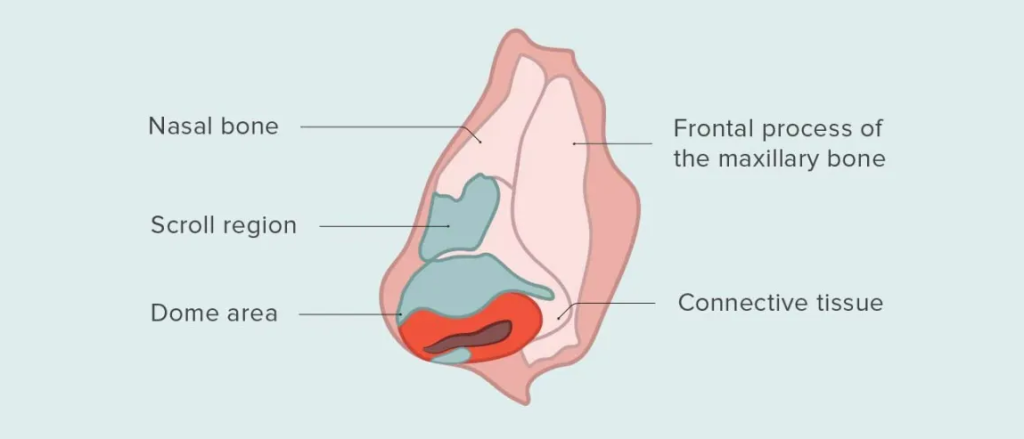
A dorsal hump, a visible bump on the bridge of the nose, can be a source of aesthetic concern for many individuals. Rhinoplasty surgery offers a solution to address this issue by removing excess bone and cartilage from the nasal bridge. This article provides an in-depth look at dorsal hump removal through plastic surgery, including the different surgical options and non-surgical alternatives available. Dr. Mohaghegh, a Sydney-based plastic surgeon, offers expert guidance to help patients understand the procedure and its outcomes, ensuring they make informed decisions about their treatment plan. By exploring the various options for dorsal hump removal, individuals can achieve a more symmetrical and balanced nasal appearance that enhances their overall facial harmony.
Key Takeaways
- Dorsal hump removal can be achieved through either open or closed rhinoplasty, and tip rhinoplasty to reduce the size of the nose.
- Alternatives to surgery such as non-surgical rhinoplasty using filler injections are available, with minimal downtime usually required for recovery.
- Potential risks associated with dorsal hump removal include infection, extrusion, distortion, resorption as well as general side effects like bleeding or infection related to surgical procedures themselves.
- Quality results are paramount when undergoing any type of nasal reshaping procedure so it’s important to find a skilled healthcare professional who has experience in performing these treatments safely and effectively .
Surgical Options for Dorsal Hump Removal
Dorsal hump removal may involve either an open or closed rhinoplasty, and a tip rhinoplasty to reduce the size of the nose.
Open Rhinoplasty
Open Rhinoplasty is an invasive surgical procedure used to remove a dorsal hump during primary rhinoplasty, accessed through an incision in the columella. During this surgery, cartilage and bone structures are surgically adjusted or removed to create balance between the nose and other facial features.
Additional treatments such as septorhinoplasty may also be performed for further refinement of the tip of the nose. Open rhinoplasty carries some potential risks, including complications due to anesthesia or excessive bleeding.
Successful open rhinoplasty procedures can provide significant improvements in the symmetry and shape of a patient’s nose, bringing overall symmetry.
Closed Rhinoplasty
Closed Rhinoplasty is a permanent surgical procedure used to correct a dorsal hump and reshape the nose. The technique involves making incisions on the inside of the nose, as no external cuts are made.
During this procedure, nasal bones and cartilages are carefully adjusted in order to create a more pleasing aesthetic look or alleviate any breathing problems caused by structural changes inside the nose.
This method of reshaping can refine the tip of your nose by removing cartilage or reduce a dorsal hump using filing techniques. It is also commonly known as “Nose Reshaping Surgery” or a “Nose Job” because its final result gives you an improved shape for both cosmetic appearance and any underlying structural issues that could be causing obstructions within your airways.
Tip Rhinoplasty
Tip rhinoplasty is a surgical procedure used to reshape the cartilage of the tip of the nose in order to refine and improve its shape. It is often carried out as part of rhinoplasty surgery to help reduce or remove dorsal humps, which are usually genetic and can appear prominent on some individuals.
On average, tip rhinoplasty takes 2 hours under general anesthesia, with surgeons typically excising cartilage from the nasal septum and lining up the edges for symmetry. Tip refinement requires sculpting using precision instruments and/or sutures before prior tissue inflammation subsides completely.
This procedure overcomes many issues related to dorsal hump removal including reducing post-operative bruising, deformity associated with over aggressive reduction techniques while also ensuring a balanced result.
Non-Surgical Options for Dorsal Hump Removal
Non-surgical alternatives to dorsal hump removal include non-surgical rhinoplasty with filler injections, which involve minimal downtime.
Filler Injections
Non-surgical rhinoplasty,, is an increasingly popular option for those looking to improve the shape of their nose without invasive surgery. Filler injections are used in non-surgical rhinoplasty to mask minor imperfections and achieve a more symmetrical and balanced appearance.
The fillers used in this type of procedure can camouflage concerns like a hump on the bridge of the nose, subtly reshape drooping nasal tips or other subtle changes that may be desired.
Though temporary lasting up to up to 18 months depending on the patient and with follow-up treatments needed if necessary, filler injections provide individuals with an alternative solution to traditional surgical rhinoplasty.
The procedure involves little to no downtime allowing patients to quickly resume their normal activities afterwards. It is important that individuals considering non-surgical rhinoplasty seek out qualified healthcare professionals who have experience working with these procedures in order ensure safety and yield successful results.
Non Surgical Rhinoplasty
Non Surgical rhinoplasty is a popular, minimally invasive alternative to surgical rhinoplasty for people wanting to improve their appearance without going under the knife. This procedure involves injecting dermal filler, such as hyaluronic acid, into the targeted area of the nose which temporarily reshapes and contours it.
Non Surgical rhinoplasty can disguise small bumps on the nasal bridge (known as dorsal hump) or change the angle of a drooping nasal tip. It cannot reduce any excess large tissue in cases where surgery would be required for permanent changes with complete satisfaction of desired outcome.
Further advantages include reduced downtime and fewer risks since no knives are used. However, its effects are generally temporary so further treatments may be necessary depending on individual needs or desires after 6 months or longer period according to severity of deformities.
Risks and Recovery for Dorsal Hump Removal
Patients can expect some swelling and bruising as part of the healing process, but these should resolve with time. Complications from dorsal hump removal are uncommon, however it is important to follow up with your surgeon for post-surgery visits in order to ensure a successful result.
Recovery Process
For those undergoing dorsal hump removal surgery as part of rhinoplasty, it is important to be aware of the recovery time and associated side effects. Patients may require some downtime post-surgery – normally two weeks – while allowing the nose to heal.
As with all surgeries involving incisions around the face, there will be some swelling and bruising which should subside over that time period. During recovery it’s essential to follow instructions from your surgeon carefully in order for a successful outcome – this includes taking necessary pain medication when prescribed, avoiding strenuous activity, wearing a protective splint on the nose where advised and attending any scheduled appointments or follow up check ups with your surgeon.
It may take several months after surgery before you can fully appreciate the results, as swelling will likely affect how visible outcomes are immediately post-op. By understanding what sort of recovery process is expected following dorsal hump removal surgery enables individuals to make an informed decision regarding their treatment plan.
Potential Complications
Rhinoplasty, including dorsal hump removal, carries risks of potential complications that cannot always be avoided. Removing the dorsal hump is an important step in reducing these risks. In addition to implant-related dangers, other general side effects like bleeding or infection can occur due to rhinoplasty procedures themselves.
Long-term side effects such as shifted cartilage after the procedure or rhinoplasty rejection can also be observed. To protect from potential problems or long-term effects patients should quit smoking before their operation if possible and discuss various options for surgery with a surgeon for detailed information about procedural safety.
Expected Outcomes
When considering dorsal hump removal, the primary objective is usually to improve the appearance of the nose. Patients typically seek rhinoplasty for cosmetic concerns such as a drooping tip or uneven site profile.
Dorsal hump removal can fix these common issues and give patients an improved nasal shape overall that will hopefully better match their face shape and expectations. The exact expected outcome of Rhinoplasty varies from person to person depending on individual features and objectives, but generally patients who have undergone dorsal hump removal can expect a more symmetrical nose with improved projection, definition, size and balance in proportion with other facial features.
In some cases there may be significant alterations made to the nose shape that result in dramatic changes if desired by the patient; however, it’s important not to go overboard as subtle improvements are ultimately what makes noses look most natural after surgery.
Conclusion
Having a dorsal hump can be both aesthetically distressing and affect self-confidence. Many individuals choose to have rhinoplasty in order to reduce or remove the visible bump on their nose bridge.
Dorsal hump removal is a common procedure that involves removing excess bone and/or cartilage from the nasal bridge, which can be achieved either through open or closed rhinoplasty surgery.
It is important for people considering this type of surgery to consult with an experienced plastic surgeon who has expertise in rhinoplasty, such as Dr Mohaghegh in Sydney, since it requires special skill and experience to meet desired results without having any complications post-surgery.
Non-Surgical Rhinoplasty may also provide good cosmetic results but should only be employed by professional doctors after assessing your needs thoroughly. Whatever option you choose, make sure you understand all aspects of the process before committing yourself so that you will end up with desirable outcomes confidently knowing that there are no unwanted surprises along the way.
General Facts
- Dorsal hump removal is a common procedure in rhinoplasty, aimed at correcting the appearance of a hump on the bridge of the nose.
- The dorsal hump is made up of bone and/or cartilage and can vary in size and shape.
- There are different surgical approaches to dorsal hump removal, including surgery on the bone, cartilage, or both.
- Rhinoplasty surgeons can remove both the bone and cartilage to create a straighter line from the top to the tip of the nose.
- Dorsal hump removal can be performed using either an open or closed rhinoplasty technique.
- The procedure involves removing the excess bone or cartilage to provide a straight bridge of the nose.
- Dorsal hump deformity is often described as a “reductive” rhinoplasty, as it reduces the size of the nose.
- Genetic factors play a significant role in the development of dorsal humps.
- Rhinoplasty is a common procedure used to address cosmetic concerns related to the dorsal hump.
- Nose hump reduction can also be achieved naturally through non-surgical methods, although the effectiveness may vary.
Facts about – Open Rhinoplasty, Surgical Options for Dorsal Hump Removal
- Open rhinoplasty is a surgical procedure used to remove a dorsal hump during primary rhinoplasty.
- Dorsal hump removal options include open rhinoplasty and a noninvasive procedure called nonsurgical rhinoplasty.
- Open rhinoplasty involves making an incision in the columella to access and remove the dorsal hump.
- Dorsal humps on the nose are often genetic and more common in certain populations.
- Rhinoplasty can be performed for cosmetic reasons or to correct structural issues with the nose.
- Septorhinoplasty is a procedure that can refine the tip of the nose and straighten the septum
- Classic nasal hump reduction techniques may lead to deformities of the nasal dorsum.
- There are options for dorsal hump removal without surgery, such as nonsurgical rhinoplasty.
- Both open and closed rhinoplasty techniques can be used for dorsal hump removal.
- Dorsal hump removal is a common reason why patients seek rhinoplasty.
- Open rhinoplasty involves a surgical incision in the columella to access and remove the dorsal hump.
- Dorsal hump removal can improve the aesthetic appearance of the nose and enhance facial harmony.
Facts about – Closed Rhinoplasty, Surgical Options for Dorsal Hump Removal
- Closed rhinoplasty is used to correct dorsal humps and narrow the nose tip or bridge of the nose.
- Closed rhinoplasty involves reshaping the nasal bones and cartilages to remove the dorsal hump.
- The surgical technique of closed rhinoplasty is considered one of the most complex in plastic surgery.
- Closed rhinoplasty is less common compared to other nose bump removal surgeries.
- In closed rhinoplasty, incisions are made on the inside of the nose.
- Closed rhinoplasty can be performed for both cosmetic and structural reasons.
- The purpose of closed rhinoplasty is to change the shape and appearance of the nose.
- Closed rhinoplasty is often referred to as “nose reshaping surgery” or a “nose job.”
- Closed rhinoplasty can refine the tip of the nose by removing cartilage.
- Closed rhinoplasty can also involve shaving down a dorsal hump on the nose.
- Closed rhinoplasty is a surgical option for removing a dorsal hump, but there may also be non-surgical options available.
- The cost and recovery time of closed rhinoplasty may vary depending on individual factors.
Facts about – Tip Rhinoplasty, Surgical Options for Dorsal Hump Removal
- Tip rhinoplasty is a surgical procedure that aims to reshape the cartilage of the tip of the nose.
- Dorsal hump removal is a common reason why patients opt for rhinoplasty surgery.
- Dorsal humps are genetic and tend to be more common in some individuals.
- Both rhinoplasty and nonsurgical rhinoplasty are options for dorsal hump removal.
- Rhinoplasty is a surgical procedure that can change the shape of the nose, including smoothing out a dorsal hump.
- Dorsal hump excision is an integral part of the rhinoplasty procedure for patients with prominent nasal dorsa.
- The surgeon can refine the tip of the nose by removing cartilage and shave down a dorsal hump.
- There are related searches on how to naturally reduce a dorsal hump and its attractiveness.
- The cost of dorsal hump removal and the possibility of it going away naturally are also mentioned in the related searches.
- Pressure on a nose bump will not make it go away.
- Septorhinoplasty is another surgical option for dorsal hump removal.
- Nose hump surgery is available in Sydney, NSW.
Facts about – Filler Injections, Non-Surgical Options for Dorsal Hump Removal
- A non-surgical rhinoplasty,, is a procedure that involves using dermal fillers to change the shape of the nose for a temporary period of up to 18 months.
- This procedure is particularly suitable for patients with a drooping nasal tip or a bump on the nose known as a dorsal hump.
- The filler injections are used to camouflage concerns like a hump on the bridge of the nose and can help to achieve a more symmetrical and balanced appearance.
- The fillers used in non-surgical rhinoplasty are not permanent and will eventually be naturally absorbed by the body.
- The procedure is considered to be precise, fast, and painless, offering an alternative option to traditional surgical rhinoplasty.
- Non-surgical nose jobs using filler injections can improve the shape and symmetry of the nose without the need for invasive surgery.
- The results of a non-surgical rhinoplasty are temporary and can last for up to 18months, after which the procedure may need to be repeated to maintain the desired results.
- The cost of a non-surgical rhinoplasty can vary depending on factors such as the type and amount of filler used, as well as the expertise of the practitioner.
- Non-surgical rhinoplasty has gained popularity as it is a minimally invasive procedure that requires little to no downtime, allowing patients to resume their normal activities shortly after the treatment.
- It is important to consult with a qualified and experienced practitioner for a non-surgical rhinoplasty to ensure safe and effective results.
- Risks and side effects of non-surgical rhinoplasty may include temporary swelling, bruising, or redness at the injection site, but these typically subside within a few days.
- Non-surgical rhinoplasty offers a non-permanent solution for individuals who desire to improve the appearance of their nose without undergoing surgery.
Facts about – Nonsurgical Rhinoplasty, Non-Surgical Options for Dorsal Hump Removal
- A nonsurgical rhinoplasty is a dermal filler procedure that can change the shape of the nose for up to 18 months.
- Non-surgical rhinoplasty is suitable for patients with a drooping nasal tip or a bump, known as a dorsal hump, on the nose.
- Results from non-surgical rhinoplasty may be limited in patients with a large hump, severe deviation, excessive tip rotation issues, or other structural concerns.
- Non-surgical nose jobs cannot reduce the size of the nose, but they can disguise bumps and contour the nose to give it a straighter appearance.
- Non-surgical rhinoplasty procedures may help camouflage a small dorsal hump, which is a visible bump on the nose’s profile.
- The procedure involves injecting dermal fillers to temporarily change the structure of the nose.
- Non-surgical nose jobs can make a hooked nose with a dorsal hump appear smaller once the filler has straightened its appearance.
- Non-surgical rhinoplasty is a popular alternative to surgical nose jobs.
- Permanent non-surgical nose jobs are also available, although the effects may vary.
- Non-surgical rhinoplasty is generally considered safe but may have temporary side effects.
- The results of non-surgical rhinoplasty can last for several months, but the duration may vary depending on the individual.
- Non-surgical rhinoplasty is a non-invasive option for those who want to improve the appearance of their nose without undergoing surgery.
Facts about – Recovery Process, Risks and Recovery for Dorsal Hump Removal
- After undergoing dorsal hump removal surgery, patients can expect a recovery period of approximately two weeks, during which time they may need to take time off work to rest and heal.
- Swelling and bruising are common side effects of dorsal hump removal surgery, but these typically subside within a couple of weeks as the recovery process progresses.
- Dorsal hump removal is often performed as part of rhinoplasty, which is a surgery to repair or reshape the nose for both cosmetic and structural reasons.
- The dorsal hump on the nose is caused by a cartilage and bone irregularity, and while it is not dangerous, many individuals opt to have it removed for aesthetic purposes.
- Recovery from dorsal hump removal surgery involves allowing the nose to heal and adjusting to the new shape of the nose, which may take several months to fully appreciate the final results.
- In some cases, dorsal hump removal can be achieved without the need for surgery, although the effectiveness of non-surgical methods may vary.
- It is important to consult with a qualified surgeon to discuss the risks and potential complications associated with dorsal hump removal surgery.
- The cost of dorsal hump removal surgery may vary depending on factors such as the surgeon’s experience, location, and the extent of the procedure.
- Nose reshaping, including dorsal hump removal, can be performed through a variety of techniques, such as rhinoplasty or septorhinoplasty, depending on the individual’s specific needs.
- While there may be some long-term side effects or potential risks associated with rhinoplasty, the overall satisfaction rate with dorsal hump removal surgery is generally high.
- Natural remedies or techniques to reduce the size or appearance of a dorsal hump may have limited effectiveness and it is recommended to consult with a professional for proper treatment.
- Researching and understanding the recovery process, risks, and benefits of dorsal hump removal surgery is crucial before making a decision to undergo the procedure.
Facts about – Potential Complications, Risks and Recovery for Dorsal Hump Removal
- Dorsal hump removal in rhinoplasty carries the risk of potential complications.
- Removing the dorsal hump is crucial in reducing the risk of complications.
- Rhinoplasty surgery, including dorsal hump removal, is generally considered safe.
- Quitting smoking before undergoing rhinoplasty can help decrease the risk of complications.
- Consultations with a surgeon can provide detailed information about the risks and complications of dorsal hump removal.
- Rhinoplasty carries the risk of bleeding and infection, like any major surgery.
- Ultrasonic rhinoplasty is a less invasive option for nose reshaping.
- Long-term side effects of rhinoplasty and the risk of death are related concerns.
- Signs of rhinoplasty rejection and shifted cartilage after the procedure can be observed.
- The tip of the nose may remain hard for up to two years after rhinoplasty.
- The rate of complications in rhinoplasty procedures is a relevant consideration.
Facts about – Expected Outcomes, Risks and Recovery for Dorsal Hump Removal
- Dorsal hump removal is a common procedure in rhinoplasty aimed at changing the shape of the nose and improving its appearance.
- Dorsal humps are typically caused by genetic factors and can be a source of cosmetic concern for individuals.
- Rhinoplasty surgery, including dorsal hump removal, is generally considered safe but carries common risks associated with any type of cosmetic surgery.
- The recovery period for dorsal hump removal can vary, with patients usually needing to take up to two weeks off work to allow for adequate healing.
- The full effect of the operation may take several months to be visible.
- Rhinoplasty, or nose reshaping surgery, is another term commonly used to describe the procedure.
- Dorsal humps can be naturally occurring and are generally not dangerous, but individuals may choose to have them removed for cosmetic reasons.
- Nose surgery can correct various nasal imperfections, including dorsal humps, nasal deformities from trauma or injury, and low-hanging nasal tips.
- It is important for individuals considering dorsal hump removal or any rhinoplasty procedure to be aware of the potential risks and complications associated with surgery.
- Some potential long-term side effects of rhinoplasty include cartilage shifting and the possibility of rejection.
- Non-surgical methods for dorsal hump removal are not as effective as surgical intervention.
- The attractiveness of a dorsal hump nose can vary between individuals, with some finding it attractive while others may prefer a more refined nasal profile.
Common Misconceptions about Open Rhinoplasty in Sydney
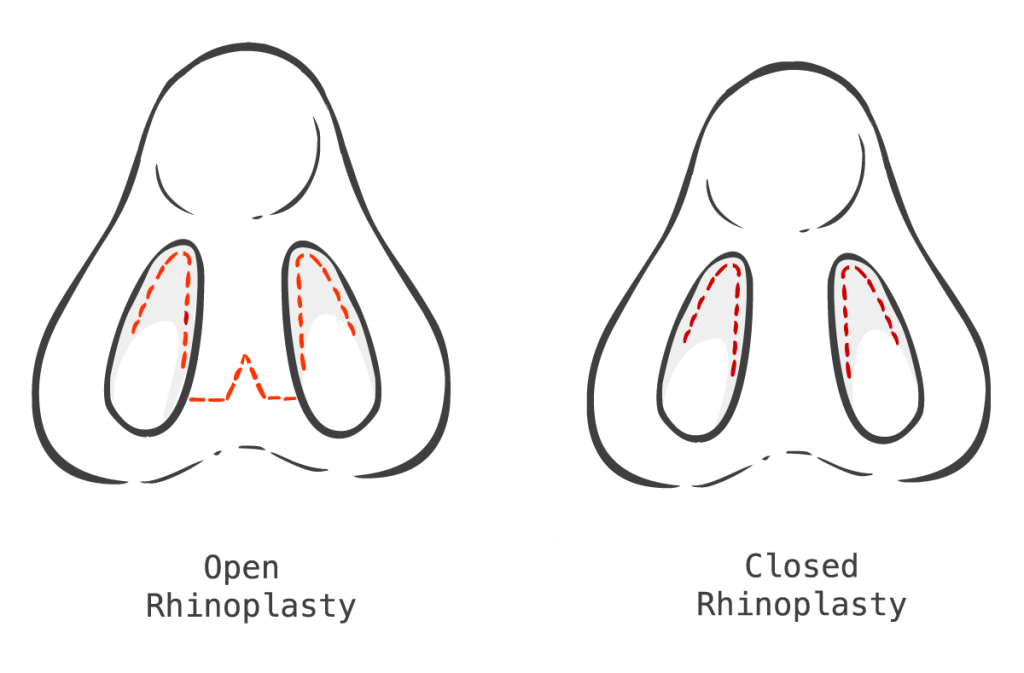
Rhinoplasty, also known as a nose job, is a surgery to change the shape of your nose. Many people in Sydney get it done. It’s important because how we feel about our noses can affect our confidence.
This surgery might seem scary, but it makes small cuts under your nose that are hard to see after they heal. The pain is not too bad and goes away fast. Open rhinoplasty is very careful work that can make your nose look just right.
Swelling and bruising on the face are normal when you’re healing; they don’t mean something went wrong. And remember, men and women of all ages choose this surgery— After getting rhinoplasty, some discomfort is normal. Full recovery takes 12-18 months
Finding an expert surgeon is key to helping stay safe during surgery and lower any risks like pain or needing another operation later on. We’ll take these myths about looking fake or being super painful and show why they aren’t true! Plus, we’ll tell you how to pick a great surgeon here in Sydney.
Ready for real facts?
Key Takeaways
- Open rhinoplasty doesn’t always mean your nose will look fake. A skilled surgeon in Sydney can make it look natural.
- Nose jobs are for both men and women of different ages, not just older women.
- Recovery from nose surgery varies by person; it can take a year to see the final shape.
- Following your surgeon’s care instructions after rhinoplasty is key for proper healing.
- Finding a good plastic surgeon with lots of experience is important for safety and the best results.
Debunking Common Myths About Rhinoplasty
Let’s clear the air and set the facts straight about rhinoplasty, tackling head-on some of the most widespread myths that are circulating in Sydney. From unrealistic expectations to age-related stereotypes, we’ll sift through fiction to uncover the truth behind this transformative procedure.
Rhinoplasty will make your nose look fake
Some people think getting rhinoplasty means their nose will look fake. That’s not true if you choose a good doctor. A skilled surgeon knows how to reshape your nose so it looks natural and fits your face.
They plan the surgery carefully. This means thinking about your other features, skin, and what you want.
Cheap nose jobs might not look real because they are often done without careful planning. But when you pay for quality, you’re paying for a surgeon’s skill to make sure your new nose doesn’t stand out as fake but blends naturally with your unique facial structure.
Good surgeons aim for balance and beauty that looks like it was always there.
In Sydney, top plastic surgeons do rhinoplasty with a focus on keeping things looking real. Their goal is always to enhance how you look without giving away that you had work done.
They use advanced methods in nasal reshaping to improve both how the nose works and how it matches with the rest of your face.
Rhinoplasty is only for women and older people
You might think nose surgery is just for women or older folks, but that’s not true! Men and women of different ages choose rhinoplasty. They all want to change something about their noses.
Some may have trouble breathing, while others are looking to improve how they look.
Older people do get nose jobs, but it’s also really common among younger adults. Doctors can work on your nose once it has stopped growing. This usually happens by the time people are in their late teens.
Now let’s talk about another myth: many believe that getting a new nose means lots of pain during surgery.
Rhinoplasty is a painful cosmetic surgical procedure
Many people think getting a nose job means dealing with a lot of pain. This isn’t true! Rhinoplasty might sound scary, but doctors work hard to keep you comfortable. They use special care during the surgery and give you medicine to help with any pain after.
After the operation, it’s normal to see some swelling and maybe some bruises on your face. But a lot of people find out that it doesn’t hurt as much as they thought it would. You’ll get advice on how to deal with any ache, but most patients say the recovery isn’t too tough.
Four Common Misconceptions About Healing After Rhinoplasty
Healing from a rhinoplasty is often shrouded in myths, leading to unrealistic expectations of the recovery process. It’s crucial to dispel these misconceptions for patients in Sydney seeking a smooth and informed post-operative journey.
Plastic surgeons expect you to follow post-operative orders
After a nose job, plastic surgeons give you special instructions to help you heal. It’s very important to do what they say for the best results. These rules can include things like not touching your nose, keeping your head up, and avoiding hard work.
Many people don’t know how much these orders matter. But if you don’t follow them, it can lead to problems with breathing or the shape of your nose later on. Also, doing what your surgeon tells you helps you feel better faster.
For a good recovery after nasal surgery, read and understand all the medical instructions. Ask questions if something is not clear so that there are no mistakes in taking care of yourself post-op.
Correct healing process steps keep pain low and prevent scars from getting bad. Remember to always listen carefully to what your surgeon says about recovery because they want what’s best for your health and new look!
The splint removal does not reveal the final results
Many people think taking off the splint means they’ll see their new nose shape right away. But this isn’t true. Your face needs time to heal, and there could still be swelling. It’s normal for your nose to change over several months after the surgery.
The real look of your nose, after it heals, can sometimes take up to 18 months for the final result. Everyone heals at their own pace, so two people might have different healing times even if they got the same surgery on the same day.
Just like a flower needs time to bloom, your nose needs time to settle into its new shape. The early days are just the start of changes that will happen as you recover from your rhinoplasty.
Healing rates vary for each individual
Healing after nasal surgery is different for everyone. Some people might see changes quickly, while others take longer. This is normal and depends on your body. It’s important to not compare your recovery with someone else’s.
Your outcomes can show up within a year. Knowing this helps you set the right expectations for your healing process. After the surgical splint comes off, the swelling might get worse before it gets better.
So, give your nose time to heal and settle into its new shape.
Pain after rhinoplasty is normal
Feeling some pain after getting your nose done is expected. People often think it will hurt a lot, but really, the ouch is usually not too bad. Doctors know how to make things easier for you now, so most people only feel a bit uncomfortable while they get better.
Each person feels pain differently from a nose job. You might have just a little soreness or not much at all. It’s okay to feel this way as your nose heals. Nurses and doctors will help you with what to do after surgery to keep the ache low and help your nose heal up well.
FAQs about Rhinoplasty in Sydney
Tackling the pressing questions head-on, this section will provide clarity for those contemplating a nose job in Sydney, shedding light on common queries surrounding the transformational procedure.
Whether it’s concerned about altering facial dynamics or understanding recovery timelines, we uncover expert insights to guide your rhinoplasty journey.
Can a nose job make your nose smaller?
Yes, a nose job can indeed make your nose smaller. This type of cosmetic surgery is called rhinoplasty. Surgeons do careful work to reshape or repair the nose. They might take away some parts and change their size.
People choose this to have noses that fit better with their faces.
The process involves a small cut on the skin between your nostrils. Then, the surgeon works on the bone and cartilage underneath. Every person’s face is different, so surgeons plan each operation carefully.
Their goal is for you to look good and feel happy with your new nose size after healing from nasal surgery.
Will a nose job change your face?
A nose job, also known as rhinoplasty surgery, is a way to change how your nose looks. This kind of facial enhancement can make a big difference in your face because the nose is right in the middle.
Surgeons work on the cartilage and shape of your nose to improve its look.
If you’re thinking about getting this cosmetic surgery, remember it’s all about balance. The goal is for your new nose to fit well with your other facial features. After nasal surgery, many people see their whole face differently and feel better about how they look.
What is the best age for a nose job?
Choosing the right time for a nose job is key. For girls, it’s often good to wait until they’re at least 16 years old. Boys should usually wait a bit longer, around 17 years. This waiting makes sure their noses have finished growing.
It’s also best to get a nose job when you’re young and healthy, typically between the ages of 20 and 40. However, there isn’t just one perfect age for everyone. Each person should think about what works best for them.
Having nasal surgery is an important choice. The body heals better when people are younger rather than older. But remember, even though being in your twenties or thirties might be ideal for healing well after surgery, other things matter too—like how much you want the change and if you’re ready emotionally for cosmetic surgery.
How do I prepare for a nose job?
To get ready for a nose job, you need to follow some important steps. First, talk with your surgeon about what you should do. They might tell you to stop taking certain medicines that can make bleeding worse during surgery.
It’s also key not to smoke because smoking can slow down how fast you heal.
Make sure your home is set up so you can rest after the procedure. Have ice packs, clean washcloths, and any medicine your doctor said you should take ready at home. You’ll be told not to eat or drink anything after midnight before your surgery day.
Listen carefully to all the instructions given by the plastic surgeon for both preoperative and postoperative care. Following these directions helps ensure a good outcome from your rhinoplasty surgery and recovery time could be faster if things go smoothly with proper care.
How long does it take to recover from nose surgery?
After you have nose surgery, your body starts healing right away. But it takes time for everything to get better on the inside and outside. You might see a lot of changes in the first six weeks as the swelling goes down and your nose begins to look more like how you want it to look.
For some people, it can take up to a year to 18 months before their new nose shape is fully set. This is because the inside of your nose needs lots of time to heal completely. You will see that over months, your nose keeps looking better as all the little changes happen.
Next, let’s talk about pain and scars from rhinoplasty.
Concerns and Risks of Rhinoplasty
While rhinoplasty can significantly enhance facial harmony, it’s crucial to acknowledge the potential concerns and risks associated with this surgical procedure. Selecting a skilled plastic surgeon in Sydney is vital for minimising these risks and ensuring a safe transformation of your nasal contours.
Potential pain and scarring
After a nose job, feeling some pain is normal. Doctors will help you handle it with medicine. Your nose has to heal inside and out, which might hurt at first. Most times, the soreness goes away fast.
Scarring is something many people think about before nasal surgery. Usually, there’s just a small mark hidden between your nostrils where the doctor cut. It can fade over time and be hard to see.
The cuts inside your nose won’t leave scars that others can see. With good care after the operation, your scars should heal well and not stand out much later on.
Revision rhinoplasty
Sometimes, even with the best care, a nose job doesn’t turn out as hoped. This is where revision rhinoplasty comes in. It’s a second chance to fix or change your nose after an earlier surgery didn’t meet your expectations.
Getting another surgery on your nose can feel scary. You might worry about pain and problems that could come up. Risks like bad reactions to anaesthesia are possible whenever you have surgery again.
Also, fixing issues from the first operation can be hard for surgeons.
Many people in Sydney look for revision rhinoplasty because they want to feel better about how their nose looks or works. But it’s not just about looks; some need this corrective nasal procedure because their breathing isn’t right after the first surgery.
It’s important to know that healing will take time and each person heals at their speed.
Possible complications
Getting a nose job can sometimes lead to problems. You might bleed a lot, feel numb in your nose, get an infection, have scars, or not react well to the sleep medicine they give you during surgery.
These are rare but important things to think about.
If you choose to reshape your nose, you may also see bruising and lumps filled with blood under your skin. Feeling numb can happen too but usually goes away after some time. It’s key to talk with a surgeon who knows a lot about noses so you understand these possible issues before deciding on nasal surgery.
A good doctor will tell you how to lower the risk of these things happening. They will help you find ways to have a safe and successful nasal aesthetic surgery. If you face any troubles after your procedure, reach out to them right away for help.
How to minimise risks and find a qualified surgeon
To avoid complications, it’s key to choose a good surgeon for your nose job. Look for someone with special training in ENT or facial plastic surgery from top places like Australia, the USA, or Europe.
Make sure they have lots of experience. For the safest care, your operation should happen in a hospital that’s approved and with an expert anaesthetist to look after you during surgery.
This way, risks go down and you can trust you’re in safe hands.
You want the least chance of problems and the best results from your rhinoplasty. So take time to find a plastic surgeon who knows what they’re doing. Check their history: Are they known for doing great work? Have they learned how to fix noses well? Also, make sure everything is set for using general anaesthetic safely – this helps you sleep through the procedure without feeling anything.
When all these things check out, you’ll feel more relaxed about getting your nose done knowing it’s less risky.
How to Find a Reputable Plastic Surgeon in Sydney
Check out the surgeon’s background before you choose. Look for one with a license and board certification in plastic surgery. This shows they have passed tough tests and know what they’re doing.
A good surgeon should also have lots of experience, especially with nose jobs.
Read what other patients say online to learn how well the surgeon does their job. Happy customers often tell others about their good experiences with facial enhancements and rhinoplasties.
Visit different surgeons to talk about your wishes and get a feel for who makes you most comfortable. You want someone who listens to you and explains things clearly without using hard words.
Choose a plastic surgeon wisely; it matters a lot for your health and happiness!
Conclusion
In Sydney, people often hear wrong ideas about nose jobs. Remember, it’s important to learn the truth from a good doctor. If you think about getting your nose shaped, don’t let these myths stop you.
A skilled surgeon can help make the journey safe and clear up any worries. Trust the facts and take the step towards feeling better about your nose!
If you’re considering any form of cosmetic surgery, it’s crucial to choose the right professional; learn key insights on how to find a reputable plastic surgeon in Australia for the best outcome.
Breast Surgery: What Techniques Are Used In Breast Procedures?
Breast Surgery: What Techniques Are Used In Breast Procedures?
Breast surgery covers medical and cosmetic procedures for the breasts. It is popular in Australia, with many options available to meet different needs. Dr Mohaghegh offers breast surgery in Sydney, including augmentation using implants or fat grafting techniques.
Patients choose breast surgery for health or personal reasons. Common examples include cancer treatment, size reduction, or cosmetic enhancement.
Modern methods use advanced tools and approaches for results that aim to look natural and fit your goals. These include silicone or saline implants, flap reconstruction with body tissue, and fat grafting for softer enhancements, each technique is dependent on your needs and goals.
This article explains key procedures and techniques used in breast surgeries as well as highlighting risks and recovery steps ahead.
If you’re planning on getting breast surgery done, please do not hesitate to contact our friendly staff to guide you in your journey.
Contact us today on 1300 074 466 or via out contact page.
Overview
- Breast surgery covers medical and cosmetic needs, including augmentation, reduction, lifts, reconstructions.
- Common reasons include correcting asymmetry, improving body proportion after weight loss or pregnancy and reducing pain from large breasts
- Techniques depend on your case: implants (silicone/saline), fat grafting for natural enhancement, flap reconstruction using body tissue (DIEP/TRAM), and incision types like infra-mammary or transaxillary.
- Risks can involve infection, scarring, capsular contracture with implants or rare conditions like BIA-ALCL linked to textured implants. Proper consultations manage these concerns best. During your consultation and pre-operative timeline Dr Mohaghehg and his team will address all of the risks in breast surgery.
- Recovery needs rest and care. Whilst recovering from a breast surgery wear supportive bras; avoid heavy lifting; follow post-surgery advice for optimal healing outcomes while boosting confidence levels over time. This information is covered in your post-operative material, with the assistance of our friendly staff during your recovery journey.
Overview of Breast Surgery
Breast surgery includes procedures to change the size, shape, or appearance of breasts. It can also address medical issues such as excess tissue.
For breast surgery before and afters please go to our gallery page.
What is Breast Surgery?
Breast surgery modifies the shape, size, or appearance of breasts. It can address both medical and cosmetic needs for women and men.
Cosmetic options involve visual or functional enhancements such as breast augmentation through implants or fat grafting.
Surgeries can also reduce discomfort from large breasts with procedures like breast reduction. For some, it includes implant replacement or removal alongside fibrous cap removal.
Men may undergo gynaecomastia correction for enlarged breast tissues using liposuction or gland removal methods. This is a common operation for those who have undergone dramatic weightloss, or have experienced hormonal changes over a period of time.
Recovery times are dependent on the patient and their habits. Usually patients can go back to work within 2-3 days, with the initial swelling reducing after 4-6 weeks. It is recommended to speak with Dr Mohaghegh during your recovery to ensure that you recover as quickly as possible
Each year, thousands of patients undergo breast surgeries, of which can carry risks. However with the guidance of Dr Mohaghehg and his team, there is a reduced likelihood of risks through dedicated monitoring and assurances of quality of care.
Common Reasons for Undergoing Breast Surgery
The choice to have breast surgery depends on the individual (patient). There are many reasons related to health, appearance, or personal comfort.
- Correcting Asymmetry
Uneven breasts can make clothing choices difficult or cause self-consciousness. Surgery helps improve balance and confidence. - Improving Body Proportion
Enlarged or small breasts can create imbalances with body shape. Augmentation or reduction restores proportionate appearance. - Restoring Shape after Weight Loss
Significant weight loss often leads to drooping breasts. Procedures like a breast lift with autoaugmentation help regain volume and firmness. - Relieving Pain from Large Breasts
Overly large breasts can lead to chronic back, shoulder, and neck pain. Breast reduction eases this daily discomfort. - Reducing Skin Issues
Rashes under the breasts are common with larger sizes. Reduction surgery provides lasting relief by decreasing breast size. - Improving Mental Well-being
Unhappiness with breast size can cause stress or low confidence. Surgeries bring positive emotional changes and better self-esteem. - Reversing Implant Concerns
Some patients prefer breast implant removal + fibrous cap removal. This prevents complications caused by old implants over time. - After Pregnancy Changes
Breastfeeding often leaves deflated-looking breasts due to lost volume and shape. Breast lift w implant adds natural fullness again. - Gender-Affirming Reasons for Men
Men with gynecomastia seek men’s breast reduction. Liposuction or gland removal achieves a more masculine chest contour.
Each reason highlights unique needs addressed through modern procedures. This emphasises the importance of approaching a registered plastic surgeon who has completed the correct training and has an adequate amount of experience dealing with your circumstances. Dr Mohaghegh amongst his peers has been highlighted as one of the leading surgeons in breast surgery, ensuring astounding technique and quality of care.
Types of Breast Surgery Procedures
Breast surgery includes procedures for medical and cosmetic reasons. Each type has specific goals to address different needs and concerns.
Breast Augmentation
Breast augmentation improves breast size or shape. Women with smaller breasts, such as A or B cup sizes, often choose this procedure. Doctors use implants made of silicone or saline to achieve desired results, during your consultation these options are discussed.
Fat grafting is another option for a more natural enhancement by using the patient’s own body fat. This operation is conventionally coupled with liposuction of specific areas, aiming to accomplish the goals that the patient has in mind.
Dr Mohaghegh’s breast augmentations start at $8,900. Costs may vary based on the surgeon and method used. Recovery includes rest and following post-surgery care advice closely. Enquire about possible payment options and to enquire that Dr Mohaghegh is a match to accomplish your goals.
Many patients see noticeable changes after healing fully in weeks or months.
Implant placement (silicone or saline)
There are two primary types of implants that can be used;
Saline implants
This implant type has a silicone shell filled with sterilised saline water. They feel lightweight and can be adjusted during surgery for size. If they rupture, the body absorbs the saline safely.
Saline implants often suit patients wanting minor adjustments or those concerned about silicone.
Silicone Implants
This implant type is quite popular due to their realistic appearance and natural feel. They contain a thick gel inside a silicone outer shell. These implants hold their shape well and mimic natural breast tissue closely.
Many surgeons recommend them for long-lasting results in breast augmentation procedures.
It is recommended to consult with Dr Mohaghegh about what implant type you’re looking for. Some common issues with implants is the escalation of sizing, as an example if a patient is wanting to go from an A cup to a larger cup might not be possible due to body frame and your overall skin elasticity.
Recommendations related to type come with experience, therefore a professional in the field is needed to ensure the highest quality of care and outcome.
Fat grafting for natural enhancement
Fat grafting uses a patient’s own fat for breast surgery. Dr Mohaghegh removes fat from areas like the thighs or abdomen using liposuction. The fat is then cleaned and injected into the breasts.
This method can increase breast size naturally by up to two times.
This technique avoids implants, offering a different look and feel. Results may vary as some transferred fat can be reabsorbed by the body over time.
Implant CC difference chart

Implant Profile
Patients ask what size breast implants they want relative to size, however bra sie is not yet standardised, so it is difficult to be precise.
Breast Implants along with the volume are defined by the profile and height. Below is a diagram outlining some dimensions, please contact Dr Mohaghegh to discuss this further and to find the right fit for you.
Below is a diagram outlining some of the implants available however specially in the 400 – 405cc range, as you can see the height and diameter of these implants change. Contact Dr Mohaghegh for more information regarding the right implant for you.

Breast Reduction
Breast reduction, or reduction mammoplasty, reduces breast size by removing tissue and fat. This surgery helps with discomfort like back pain, neck strain, or skin irritation caused by large breasts.
The inferior pedicle technique is the most common method used. It preserves blood supply to the nipple while reshaping the breast.
This procedure often improves quality of life. Many patients report better posture and a wider range of physical activities after recovery.
Below is a table outlining the weight of your breasts depending on the bra size, these are estimations however considering this weight and an individuals frame, a patient might consider a breast reduction surgery to elevate stress.

Breast Lift (Mastopexy)
A breast lift, or mastopexy, raises sagging breasts. It removes extra skin and tightens tissues around the area. This helps reshape and support the new breast contour. The procedure does not change the size but focuses on the repositioning and tightening of the skin.
Surgeons use different incision patterns during a breast lift. Common methods include cutting around the areola, making a vertical line down to the breast crease, or combining these cuts.
There are three primary incisions that can be performed during a mastopexy; the periareola (around the areola), the lollipop incision, and the anchor incision. These aim to minimize scarring.

Male Breast Surgery
Male breast surgery aims to address issues like enlarged breast tissue in men. It helps improve chest appearance and boosts confidence.
Gynecomastia Surgery: Treating Enlarged Male Breast Tissue
Gynecomastia surgery reduces enlarged male breast tissue. Surgeons use liposuction or gland removal to treat the condition. Liposuction removes excess fat through small cuts using a thin tube called a cannula.
Gland removal is done if firm tissue needs to be excised for better results.
Anaesthesia options include intravenous sedation or general anaesthesia for comfort during the procedure. Men often choose this surgery to improve chest shape and confidence. The next method focuses on gynaecomastia correction techniques like precise gland treatment or additional sculpting needs.
Gynaecomastia correction
This surgery reduces enlarged breast tissue in men. It can involve liposuction to remove excess fat or direct gland removal for firmer results. The choice depends on the patient’s needs and tissue type.
Liposuction works well if fat causes swelling, while gland removal suits dense tissues. Many men choose this surgery to improve self-confidence and comfort. Risks may include scarring, uneven results, or infection but are generally manageable with care post-surgery.
Liposuction or gland removal
Liposuction removes fat from the chest using a thin tube called a cannula. The surgeon makes small cuts and inserts the cannula to suction out excess fat. This technique works best for men with fatty tissue but no enlarged glands or sagging skin.
Gland removal surgery treats cases with hard glandular tissue. The surgeon cuts around the areola to remove this tissue directly. In some cases, they may also take out extra skin if needed.
Both procedures aim to create a flatter, firmer chest shape.
Gynecomastia correction can combine both methods if required.

Techniques Used in Cosmetic Breast Surgery
Techniques Used in Cosmetic Breast Surgery: Surgeons use different methods to shape and improve breast appearance, ensuring natural and satisfying results.
Infra-Mammary Incision
An infra-mammary incision is made under the breast, along the natural crease. Surgeons use this technique for precise implant placement in breast augmentation or reconstruction. It works well with silicone and saline implants.
This method offers discreet scarring as the scar hides in the fold of the breast. It allows better control over implant positioning and reduces complications during surgery. Many patients find it provides excellent cosmetic results.
Periareolar Incision
The periareolar incision is made along the edge of the areola. Surgeons use this method for precise implant placement with direct vision. It offers better control during surgery. The incision blends with the natural colour of the areola, leaving minimal visible scarring.
This technique works well for breast augmentation procedures. Patients often prefer it because scars can be discreet. This incision may also allow access to reshape or adjust tissue as needed.
Transaxillary Incision
A transaxillary incision is made in the armpit for breast augmentation. This method creates a hidden scar, keeping it away from the breasts. It is a preferred option for those wanting less visible scars.
Only saline implants can be used with this technique. The surgeon positions the implant through the armpit opening into the breast area. Many patients choose this approach to avoid scarring on their chest or under their breasts.
Fat Grafting for Natural Breast Enhancement
Fat grafting for breast enhancement uses your body’s fat to increase breast size. Doctors remove fat from areas like the thighs or abdomen using liposuction. They then clean and inject the fat into the breasts for a natural look and feel.
Pre-expansion techniques improve results by creating space in the breasts before adding fat. This method works well for those who want a modest size boost without implants. It offers fewer risks of rejection since it uses your own body tissue.
Risks and Considerations for Breast Surgery Techniques
Breast surgery can involve risks like infection, bleeding, or scarring. For breast augmentation, capsular contracture is a common issue. This occurs when scar tissue tightens around an implant, causing pain or changes in shape.
Implants may also rupture or leak over time. In some cases, rippling or displacement of implants can happen too. Some women experience changes in nipple sensation after surgery or face challenges with breastfeeding later on.
Post-Surgery Considerations
Patients need to focus on proper care, healing, and following their surgeon’s advice for the best results.
Recovery and Rehabilitation
Recovery after breast surgery needs time and care. Swelling and fatigue are common but improve gradually.
- Rest is crucial in the first week. Avoid lifting heavy objects or intense activity during this period.
- Expect grogginess on Day 1 due to anaesthesia. Arrange for someone to assist you at home.
- Significant swelling can last through Weeks 1-2. Wear a supportive bra as instructed by your surgeon.
- Pain management includes prescribed medications. Follow the dose schedule strictly to stay comfortable.
- Keep the surgical area dry and clean to prevent infections. Use gentle soap approved by your doctor if necessary.
- Attend all follow-up visits with your surgeon for proper monitoring of healing progress and wound care.
- Avoid smoking during recovery as it slows down healing processes significantly.
- Light activities such as walking can aid blood circulation and reduce blood clot risks after approval from your doctor.
- Consume balanced meals rich in vitamins, especially Vitamin C, for faster tissue repair.
Recovery prepares patients for post-surgery considerations like scar management and outcomes over time.
For more information on recovery contact the team at Dr Mohagheghs plastic surgery.
Interested in breast surgery?
Breast surgery offers many options for different needs.
From breast augmentations to reduction, various techniques aim to improve confidence and comfort.
Choosing the right approach requires careful planning and expert guidance from experienced surgeons like Dr Mohagheghin Sydney. Always discuss your goals and medical history during consultations for best results.
To contact Dr Mohaghegh please use our contact us page – click here
Breast Surgeries: How To Approach Before And After Surgery
What is Breast Surgery?
Breast surgery changes the size or shape of breasts using implants, lifts, or reductions. Read on to explore your options.
Surgery Overview: Breast Augmentation
Nearly 18,000 breast augmentations were performed in Australia in 2018. Surgeons use silicone breast implants to enhance size and shape. Sydney plastic surgeons perform the procedures under general anesthesia.
Costs start from $8,750, including GST.
Benefits include fuller, symmetrical breasts and restored volume after ageing or pregnancy. Implants last a minimum of ten years. Potential risks involve surgical complications and anesthesia-related issues.
Surgery Overview: Breast Lift w Implant
A Breast Lift with Implant combines mastopexy and breast augmentation. This surgery enhances breast fullness and overall size. Dr Mohaghegh Plastic Surgery uses techniques like crescent, circumareolar, vertical, and inverted-T incisions.
Silicone implants are often chosen for their natural feel and durability.
Pre-operative consultations assess your history, including breastfeeding and previous surgeries. This helps tailor the surgical approach to your needs. Common complications include recurrent ptosis, scarring, and capsular contracture.
Proper planning reduces these risks and ensures better outcomes.
A Breast Lift with Implant can significantly enhance both the shape and confidence of patients.
Surgery Overview: Breast Lift w Mastopexy
The Breast Lift with Mastopexy starts with a general anesthetic. The surgeon makes incisions around the areola, vertically down to the breast crease, or uses both methods. Breast tissue is reshaped to lift and firm the breasts.
The incisions are closed with stitches. Patients see the results right after surgery, and scars fade over time.
Between 2019 and 2022, breast lift procedures rose by 30%. This cosmetic surgery improves breast shape and corrects breast ptosis. Surgeons use different surgical techniques to achieve natural-looking results.
After surgery, patients wear a support bra and manage any pain. Many regain confidence in their body image following the procedure.
Surgery Overview: Breast Lift with Autoaugmentation
Breast Lift w Autoaugmentation uses your own tissue to lift and enlarge the breasts. No implants are needed. This surgery fixes sagging and adds natural volume. It suits women who want fuller breasts.
The procedure could include fat transfer to shape the breasts naturally. Patients enjoy a natural look and feel after surgery. Recovery involves wearing a support bra and avoiding heavy lifting.
View patient results in our gallery.
Surgery Overview: Breast Reduction
Breast reduction surgery helps relieve discomfort from large breasts. Women with mastalgia often experience neck and back pain, and find physical activities difficult. The procedure removes excess fat, glandular tissue, and skin.
In 2014, there were 114,170 breast reductions in the U.S., showing its popularity. Many patients report high postoperative satisfaction rates after the surgery.
Potential complications include delayed wound healing, hematoma, and uncommonly nipple necrosis. Choosing a qualified plastic surgeon can reduce these risks. Postoperative care involves managing wounds and avoiding heavy lifting to ensure a smooth recovery.
High satisfaction rates show the positive impact of breast reduction surgery.
Surgery Overview: Breast Implant Removal + Fibrous Cap Removal
Following a breast reduction, some patients consider breast implant removal with fibrous cap removal. This surgery involves extracting silicone or saline implants along with the surrounding scar tissue, known as the fibrous capsule.
Capsular contracture, where this scar tissue tightens, is a common reason for removal. The American Society of Plastic Surgeons advises that implants should be replaced or removed every 10 to 15 years to reduce risks and maintain breast health.
Potential risks of this procedure include dissatisfaction with breast appearance, bleeding, infection, and changes in nipple sensation. It is important to discuss these risks with a specialist before deciding.
The surgical team will evaluate your physical health and ensure the surgery is appropriate for you. Proper aftercare is essential for a smooth recovery and achieving the best possible outcome.
Surgery Overview: Breast Implant Replacement
Breast implant replacement addresses issues like leaks, tears, or capsular contracture. Surgeons remove the old implants and any surrounding fibrous tissue. Silicone-gel implants need regular screenings to check for ruptures after replacement.
If a surgeon is concerned about implant rupture, it is appropriate to schedule an ultrasound to evaluate the implant’s integrity. Ultrasound imaging is a reliable, non-invasive diagnostic tool for detecting potential ruptures, particularly for silicone implants. If the ultrasound findings are inconclusive or suggestive of rupture, further imaging, such as an MRI, might be recommended for confirmation.
After surgery, avoid strenuous activities and watch for signs of infection. Follow your surgeon’s instructions for post-operative care to ensure proper healing. Setting realistic expectations is important, as changes in weight or aging can affect breast appearance.
Breast implant replacement is a common plastic surgery procedure aimed at restoring both function and aesthetics.
Surgery Overview: Men’s Breast Reduction
Men’s breast reduction effectively treats gynecomastia, a condition affecting up to half of men in the UK. The surgery involves liposuction and removal of glandular tissue to reduce breast size and improve chest contour.
Plastic and reconstructive surgeons, often fellows of the Royal Australasian College of Surgeons, perform the procedure under general anesthetic. Recovery requires wearing a compression garment for several weeks to support healing.
Most patients can return to work within one week. This surgical procedure enhances physical appearance and boosts confidence by addressing breast asymmetry and reducing excess tissue.
How do I prepare for a breast surgery consultation?
Preparing for a breast surgery consultation is important. Follow these steps to get ready.
- Set Clear Goals
Decide if you want augmentation, a lift, or reduction.
Define what you hope to achieve with the surgery.
- Research Implant Types
Learn about saline, silicone, and fat grafting options.
Understand the benefits of each type.
- Choose Implant Sizes
Discuss different implant sizes with your plastic surgeon.
Select a size that matches your body and goals.
- Evaluate Financial Stability
Know the cost of breast augmentation surgery.
Consider if payment plans are available.
- Explore Payment Options
Check if your surgeon offers financing.
Plan how you will cover the surgery expenses.
- Arrange Post-Operative Care
Organise transportation for after the surgery.
Ensure you have help at home during recovery.
- Prepare Medical Information
Bring your medical history to the consultation.
Share any previous surgeries or health issues.
- List Your Questions
Ask about risks, recovery time, and expected outcomes.
Get clear answers to make an informed decision.
- Follow Pre-Operative Instructions
Complete all guidelines given by your surgeon.
Prepare physically and mentally for the surgery.
Please do not hestiate to communicate with Dr Mohaghegh and the clinic in answering your questions, we are here to help you.
Is breast surgery right for me?
Deciding on breast surgery depends on your diagnosis and personal health.
What can I expect from breast surgery?
Breast surgery typically lasts between one to 4 hours . The exact time depends on the procedure .Most patients stay in the hospital for the day or overnight for more complex surgeries.
During your stay, medical staff monitor your recovery closely.
After surgery, you will receive post-operative care instructions. These include how to manage pain and any medications you need to take. It is important to follow these instructions to ensure proper healing.
You might need to wear a special bra to support your breasts and limit movement.
Watch for signs of infection after surgery. Common symptoms include fever and pus drainage from the incision site. If you notice any of these signs, contact your surgeon immediately.
Following these steps helps achieve the best results from your breast surgery.
What is the recovery and aftercare for breast surgery?
Recovery from breast enlargement surgery typically takes around six weeks. Wear comfortable clothing, such as T-shirts or tank tops, to reduce discomfort. Most patients can go back to office work within 2-3 days.
If your job involves physical tasks, allow about three weeks for healing. The dropping and fluffing stage starts six weeks after surgery and may continue up to three months. Follow your plastic surgery aftercare instructions closely to ensure the best results.
What can I expect from breast surgery, what are my expected outcomes?
After breast surgery, expect to stay in the hospital from the same day up to three days, depending on the procedure. Surgical drains may be placed to remove excess fluid. You will move to a recovery room immediately for vital sign monitoring and pain management.
Most patients receive a pathology report about one week after surgery.
Your breasts will feel swollen and may bruise. Swelling and discomfort decrease over weeks. You should avoid heavy lifting and strenuous exercise initially. Wearing a support bra helps maintain cleavage and support the pectoral muscles.
Follow your surgeon’s aftercare instructions to achieve the best outcomes from your breast enhancement procedures.
What are the potential side-effects, risks, complications with breast surgery?
Breast surgery can lead to several side-effects and risks. Patients may experience breast pain and changes in nipple or breast sensation. At least 1% of patients might develop asymmetry, breast tissue atrophy, or infections.
Silent ruptures can occur, especially with silicone gel-filled implants, meaning the implant breaks without noticeable symptoms.
There is a risk of breast implant-associated anaplastic large cell lymphoma (BIA-ALCL), a rare cancer linked to certain implants. Other cancers may also pose a threat. Complications such as seroma, where fluid builds up around the implant, can arise after surgery.
Implant removal or replacement may be necessary if these issues occur. Understanding these risks helps in making informed decisions about breast augmentation surgeries.
Next, consider the costs and factors involved when planning your breast surgery.
What are the costs and considerations when undergoing breast surgery?
After understanding the potential side-effects, risks, and complications, let’s discuss the costs and key considerations when planning for a breast surgery.
Cost Factors
Breast Implants: Start at $8900 including GST for Dr Mohaghegh, to get an accurate existimate of your procedure please get a custom quote from the clinic.
Breast Reconstruction: Usually covered by health insurance plans, however please communicate with our office to confirm this as this depends on your situation.
Medicare Coverage: Covers breast reconstruction in public hospitals if medically necessary, communicate with our staff to ensure that you fit the definition of “medically necessary”.
What are some types of techniques used for breast surgery?
Breast surgery involves various techniques customised to individual needs. These methods ensure natural results and patient satisfaction, however please consult Dr Mohaghegh on what might be the best option for yourself and your bodies natural structure.
- Silicone Gel Implants
Provide a natural feel and look.
Available in different shapes and sizes.
Commonly used in augmentation mammoplasties. - Autologous Tissue Transfer
Use your own tissue for reconstruction.
Reduces the risk of implant-related complications.
Ideal for cancer patients requiring reconstruction. - DIEP Flap Technique
Transfers skin and fat from the abdomen.
Preserves the abdominal muscles.
Suitable for those also considering an abdominoplasty. - SIEA Flap Technique
Similar to DIEP but uses smaller blood vessels.
Minimises muscle disruption.
Offers quicker recovery times. - Fat Grafting
Transfers fat from one part of the body to the breasts.
Enhances breast volume naturally.
Can be combined with other procedures like mastopexy. - Prepectoral Reconstruction
Places implants above the chest muscle.
Reduces pain and muscle damage.
Allows for faster return to normal activities. - Mastopexy with Breast Augmentation
Lifts the breasts while increasing their size.
Combines the benefits of a breast lift and augmentation.
Results in a fuller and more youthful appearance. - Tissue Expanders
Gradually stretch the skin and tissue.
Used before placing permanent implants.
Helps achieve better implant positioning.
Each technique serves different purposes and is chosen based on individual goals and medical needs.
What are the next steps in booking a breast surgery
After exploring the techniques used for breast surgery, here are the next steps to book your procedure.
- Call for a Consultation
Dial 1300 074 466 to speak with our team. They will help you schedule your appointment. - Choose Your Location
Dr Mohagheghs Clinic is located in Edgecliff, NSW - Select an Appointment Time
Dr. Mohaghegh is available from 9:00 am to 5:00 pm. Pick a time that fits your schedule. - Prepare Your Medical Information
Gather your medical history and any current medications. This helps ensure your safety. - Discuss Your Goals
During the consultation, talk about your desired outcomes. Our aesthetic surgeons will guide you. - Review the Costs
Understand the cost of procedures like augmentation mammaplasty. We will explain all fees clearly. - Schedule Pre-Surgery Assessments
Complete any required tests or evaluations. These ensure you are ready for surgery. - Confirm Your Surgery Date
Choose a date for your procedure that works best for you. We will finalise the booking.
Following these steps will help you book your breast surgery smoothly and safely.
Frequently asked questions about breast surgery
Breast surgery covers many procedures. Patients often have questions about them.
What types of breast surgery are available?
Options include breast augmentation, lifts with implants or mastopexy, reduction, and implant removal or replacement. Each procedure addresses different needs.
How do I prepare for a breast surgery consultation?
Gather your medical history and list your medications. Prepare questions to ask your aesthetic plastic surgeon.
Is breast surgery right for me?
Consider your health and goals. Consult with a certified plastic surgical specialist.
What happens during breast surgery?
General anesthetic is used. The procedure varies based on the type of surgery.
What is the recovery like after surgery?
Recovery time depends on the surgery type. Follow aftercare instructions for proper healing.
What results can I expect from breast surgery?
Outcomes vary per individual and procedure. Discuss realistic expectations with your surgeon.
What are the risks of breast surgery?
Risks include infection, hematoma, and changes in nipple feeling. Understand all potential complications.
How much does breast surgery cost?
Costs vary by procedure and surgeon’s fees. Consider all expenses before deciding.
What techniques are used in breast surgery?
Techniques include augmentation mammoplasty and mastopexy. Surgeons choose methods based on patient needs.
How do I book a breast surgery?
Schedule a consultation with Dr Mohaghegh. Discuss available dates and procedures.
Are there lifestyle changes after breast surgery?
Avoid heavy weight lifting initially. Follow guidelines to support your recovery.
Learn more about breast procedures
Dr Mohaghegh provides a series of resources about Breast Surgeries, click the links below to understand more and review before and afters.
Before & Afters
https://www.drmohaghegh.com.au/procedures/breast
General Information
Breast Augmentation – https://www.drmohaghegh.com.au/procedure/breast-augmentation
Breast Lift – https://www.drmohaghegh.com.au/procedure/breast-lift
Breast Reduction – https://www.drmohaghegh.com.au/procedure/breast-reduction
What To Expect From Your Surgery
Male Breast Reduction (Gynaecomastia) – https://www.drmohaghegh.com.au/blog/male-breast-reduction-gynaecomastia-what-to-expect-from-your-surgery
Breast Implant Replacement – https://www.drmohaghegh.com.au/blog/breast-implant-replacement-what-to-expect-from-your-surgery
Breast Implant Removal / Fibrous Cap Removal – https://www.drmohaghegh.com.au/blog/breast-implant-removal-fibrous-cap-removal-what-to-expect-from-your-surgery
Breast Reduction – https://www.drmohaghegh.com.au/blog/breast-reduction-what-to-expect-from-your-surgery
Breast Lift with Autoaugmentation – https://www.drmohaghegh.com.au/blog/breast-lift-with-autoaugmentation-what-to-expect-from-your-surgery
Breast Lift (Mastopexy) – https://www.drmohaghegh.com.au/blog/breast-lift-mastopexy-what-to-expect-from-your-surgery
Breast Lift with Implant – https://www.drmohaghegh.com.au/blog/breast-lift-with-implant-what-to-expect-from-your-surgery
Breast Augmentation – https://www.drmohaghegh.com.au/blog/breast-augmentation-what-to-expect-from-your-surgery
Contact Dr Mohaghegh for more information about Breast Surgeries
If you’re interested in scheduling a consultation with Dr Mohaghegh please contact us on 1300 074 466 or submit an enquiry via our website.
Breast Reduction: What To Expect From Your Surgery
Breast reduction surgery, also known as reduction mammoplasty, is a procedure designed to remove excess breast tissue, fat, and skin to achieve a breast size more proportionate to your body. This comprehensive guide will walk you through what to expect from breast reduction surgery, from its benefits to recovery and aftercare.
Information about Breast Reduction
Breast reduction is a surgical procedure that aims to alleviate the physical discomfort and emotional concerns associated with overly large breasts. It’s designed to create smaller, more manageable breasts that are in better proportion with the rest of your body.
What is Breast Reduction?
Breast reduction surgery involves removing excess breast fat, glandular tissue, and skin to achieve a breast size that is more in proportion with your body. The procedure also typically includes lifting and reshaping the breasts, often repositioning the nipples and areolas to a more natural position.
What are some types of Breast Reduction procedures?
There are several techniques used in breast reduction surgery, including:
1. Anchor Incision: This technique involves three incisions – one around the areola, one vertically from the areola to the breast crease, and one along the inframammary fold.
2. LeJour Incision or Lollipop Technique: This method involves two incisions – one around the areola and one vertically down to the breast crease, resulting in a lollipop-shaped scar.
3. Liposuction: In some cases, liposuction alone can be used for breast reduction, particularly when the excess volume is primarily fatty tissue.
The choice of technique depends on the patient’s anatomy, the amount of reduction needed, and the surgeon’s preference.
Why have a Breast Reduction?
Reasons for Breast Reduction
Common reasons for choosing breast reduction surgery include:
– Chronic back, neck, and shoulder pain
– Skin irritation beneath the breast crease
– Difficulty fitting into bras and clothing
– Limitations in physical activities
– Self-consciousness about breast size
Benefits of a Breast Reduction
Key benefits of breast reduction surgery include:
– Relief from physical discomfort
– Improved body proportion and appearance
– Enhanced ability to participate in physical activities
– Better fit in clothing
– Potential boost in self-confidence
What are some cost considerations for Breast Reduction?
The cost of breast reduction surgery can vary significantly depending on several factors:
– Surgeon’s expertise and location
– Hospital or surgical facility fees
– Anaesthesia fees
– Post-operative care and garments
In Australia, breast reduction surgery may be covered by private health insurance if it’s performed to relieve medical symptoms. However, it’s important to check with your insurance provider about coverage details and any out-of-pocket expenses.
Before and after photos for Breast Reduction
If you’re interested in viewing before and afters please go to our gallery. If you’re interested in a specific before and after, it is best to ask during your consultation to get this information.
In-depth about undergoing a Breast Reduction
Breast reduction surgery is typically performed under general anaesthesia and can take between 3 to 4 hours. The surgeon will make the necessary incisions, remove excess breast tissue, fat, and skin, reshape the breast, and reposition the nipple and areola if needed. In some cases, liposuction may be used in conjunction with the surgery to remove excess fat.
Recovery timeline for Breast Reduction
Recovery timelines can vary, but generally:
– Week 1-2: Rest at home, manage discomfort with prescribed medication
– Week 3-4: Return to light activities, continue wearing a surgical bra
– Week 6: Resume most normal activities, including exercise (with surgeon’s approval)
– 3-6 months: Scars continue to fade, final results become apparent
Tips for a smooth recovery for Breast Reduction
1. Follow all post-operative instructions carefully
2. Wear your surgical bra as directed
3. Avoid heavy lifting and strenuous activities for at least 6 weeks
4. Stay hydrated and maintain a healthy diet
5. Attend all follow-up appointments with your surgeon
Recovery and aftercare for Breast Reduction
Proper aftercare is crucial for optimal healing and results. This includes:
– Wearing a supportive surgical bra 24/7 for several weeks
– Keeping incisions clean and dry
– Taking prescribed medications as directed
– Avoiding smoking and alcohol during recovery
– Gradually returning to normal activities as advised by your surgeon
Importance of following instructions for Breast Reduction
Adhering to your surgeon’s post-operative instructions is vital for:
– Minimising the risk of complications
– Ensuring proper healing of incisions
– Achieving the best possible aesthetic outcome
– Maintaining long-lasting results
Potential risks, side-effects and complications in a Breast Reduction
While generally safe, potential risks include:
– Infection
– Bleeding
– Changes in breast or nipple sensation
– Asymmetry
– Poor wound healing
– Unsatisfactory aesthetic results
– Potential impact on breastfeeding ability
Minimising the risk of complications in Breast Reduction
To reduce risks:
– Choose a qualified FRACS plastic surgeon with experience in breast reduction
– Follow all pre and post-operative instructions
– Maintain a healthy lifestyle before and after surgery
– Attend all follow-up appointments
– Report any concerns to your surgeon promptly
Post-surgery care for Breast Reduction
Post-surgery care involves:
– Wearing compression garments as directed
– Keeping incisions clean and dry
– Avoiding sun exposure to healing scars
– Gradually returning to normal activities
– Maintaining a stable weight to preserve results
What are the next steps in booking a Breast Reduction?
1. Schedule a consultation
2. Discuss your goals and expectations
3. Undergo a pre-operative examination
4. Review before and after photos
5. Discuss potential risks and complications
6. Receive a personalised treatment plan and quote
7. Schedule your surgery date if you decide to proceed
Frequently asked questions about Breast Reduction
How long do results last?
Results can be long-lasting with proper care and maintenance of a stable weight.
Will I lose sensation in my nipples?
While temporary changes in sensation are common, permanent loss is rare.
How visible will the scars be?
Scars will fade over time but will be permanently visible. Your surgeon will place incisions in less noticeable areas.
Can I breastfeed after this procedure?
Breastfeeding ability may be affected. Discuss this with your surgeon if it’s a concern.
How soon can I return to work?
Most patients can return to desk jobs within 1-2 weeks, but this varies based on individual recovery and job requirements.
Remember, breast reduction is a personalised procedure. Consult with Dr Mohaghegh to determine if this technique is right for you and to develop a tailored surgical plan.
Breast Lift with Implants Sydney: Surgery Guide, Costs & Recovery
Breast lift with implants offers a comprehensive solution for women seeking fuller, more youthful breasts. This combination surgery addresses sagging tissue while enhancing volume through implant placement. After pregnancy or significant weight loss, many Sydney residents choose this procedure to rejuvenate their silhouette. Typically lasting 3-4 hours, the operation can significantly enhance breast aesthetics.
Dr Mohaghegh Plastic Surgery Sydney has extensive experience, having conducted numerous breast lift and implant procedures. Patients are offered diverse implant choices, including saline, silicone, and highly cohesive gel options. These implants come in round or teardrop shapes, customised to individual aesthetic goals. Post-surgery, patients generally require 1-2 weeks off work, with full activity resumption after 4-6 weeks. The results of this transformative procedure can endure for 10-15 years.
Table of Contents
- Introduction to Breast Lift with Implant
- Reasons for Considering Breast Lift with Implant
- Types of Implants Used in Breast Lift
- Preparing for Your Consultation
- The Breast Lift with Implant Procedure
- Recovery and Aftercare
- Expected Results and Longevity
- Potential Risks and Complications
- Cost Considerations
- Frequently Asked Questions
- Conclusion: Is Breast Lift with Implant Right for You?
Introduction to Breast Lift with Implant
Augmentation mastopexy, commonly known as breast lift with implant surgery, offers a comprehensive solution for breast enhancement. This dual procedure combines the benefits of a breast lift (mastopexy) with breast augmentation, effectively addressing sagging while increasing volume. The outcome is remarkably rejuvenated, shapelier breasts positioned higher on the chest. Numerous Sydney women opt for this transformative surgery to enhance their self-assurance and attain their desired aesthetic. It’s particularly appealing for those experiencing post-pregnancy changes or simply seeking to amplify their natural curves. By simultaneously lifting and augmenting, this procedure provides a youthful silhouette that many find irresistible. The surgery’s ability to tackle multiple concerns in one operation makes it an increasingly popular choice for those aiming to revitalise their appearance.
What are some reasons for Considering Breast Lift with Implant?
Many women think about breast lift with implants surgery. This procedure addresses various concerns. Here are compelling reasons to consider this operation:
- Sagging breasts: Ageing, childbirth, or weight fluctuations can cause breasts to droop. A lift effectively corrects this issue.
- Enhanced volume and shape: Implants provide the desired increase in breast size and fullness.
- Improved symmetry: The surgery can harmonise breasts that differ in size or shape, creating a more balanced appearance.
- Restored fullness: Post-pregnancy or significant weight loss often leads to volume reduction. Implants effectively replenish lost volume.
Understanding your motivations for this surgery is crucial. Your specific goals will guide Dr Mohaghegh Plastic Surgery Sydney in achieving optimal results. Consider your desired outcome from a breast lift with implants. This reflection will inform your consultation and help formulate a surgical plan aligned with your expectations.
Dr Mohaghegh Plastic Surgery Sydney offers various implant options for breast lift procedures, each with unique characteristics to suit individual needs. Saline implants, filled with sterile salt water, provide a uniform shape and firmer breast texture. Silicone implants, preferred by many Sydney patients, offer a natural feel and realistic appearance.
Highly cohesive gel implants, also known as “gummy bear” implants, maintain their shape even if the shell breaks, ensuring long-lasting results with reduced leakage risk. Round implants are ideal for those wanting fuller upper breast volume and enhanced cleavage post-surgery.
Teardrop implants mimic natural breast contours, providing a subtle enhancement often recommended for patients seeking a more natural-looking outcome. These implants offer a sloping shape that closely resembles the breast’s natural profile.
During consultations at Dr Mohaghegh Plastic Surgery Sydney, patients discuss their anatomy, skin elasticity, and aesthetic goals to determine the most suitable implant for their breast lift surgery. This personalised approach ensures optimal results suited to each individual’s unique body shape and desired outcome.
How do I prepare for my Breast Lift consultation?
Preparing for your breast lift and implants consultation with Dr. Mohaghegh is essential. Start by gathering your comprehensive medical history, including previous surgeries, existing health conditions, and current medications. This information will give Dr. Mohaghegh a thorough understanding of your health status.
Next, gather images showing your desired breast size and shape. These visual references will effectively communicate your aesthetic goals for the mastopexy procedure to Dr. Mohaghegh.
Create a list of questions about the breast augmentation and lift surgery. Ask about recovery duration, potential risks, and post-operative expectations. This preparation will ensure you’re well-informed and comfortable with the process.
Be prepared for a physical examination. Dr. Mohaghegh needs to assess your breasts to determine the most suitable surgical approach.
During your appointment, Dr. Mohaghegh will carefully evaluate your requirements. They will discuss all available options for breast lift and implants in Sydney, providing you with a clear plan to achieve your desired outcome.
A breast lift with implants is a refined procedure that enhances breast shape and size. Initially, anaesthesia is administered for patient comfort. Carefully planned incisions are made around the areola, vertically to the breast crease, and sometimes horizontally along it, providing access to the breast tissue.
Excess skin is removed, and breast tissue is reshaped to achieve a natural, lifted appearance. Implant placement options include submuscular (under the chest muscle), subglandular (behind breast tissue), or the dual-plane technique. The dual-plane method involves positioning the implant’s upper portion beneath the muscle while the lower part sits directly under breast tissue, often producing more natural-looking results.
The nipple and areola are repositioned higher on the breast, essential for creating a perkier, more youthful look. Incisions are closed using sutures, with dressings applied. Skin adhesive or surgical tape may be used to aid healing.
This procedure typically takes 3-4 hours, though duration can vary based on individual patient needs and case specifics. At Dr Mohaghegh Plastic Surgery Sydney, combining a breast lift with implants is a common choice, offering patients improved breast shape and increased volume in one procedure.
Before and after photos of Breast Lifts
Our gallery highlights the remarkable transformations achieved through breast lift surgeries performed by Dr Mohaghegh. These images provide a comprehensive view of mastopexy’s potential to enhance your appearance. Numerous Sydney patients have experienced significant improvements following their breast lift and implant procedures. The photographs showcase authentic results, allowing you to visualise potential outcomes. Browsing these images might spark the inspiration you seek. Many clients report that viewing these photos played a crucial role in their decision to proceed with the surgery. They offer a compelling demonstration of our surgeon’s expertise and the calibre of our work. Explore the gallery and envision your own potential transformation!
What is the recovery and aftercare like in a Breast Lift with Implant procedure?
Recovery following mastopexy with implants demands patience and diligent care. Expect the following:
- Reserve 1-2 weeks for rest and healing, away from work
- Don a specialised support bra to minimise swelling and maintain breast position
- Avoid strenuous exercise for a minimum of 4-6 weeks
- Maintain incision sites clean and dry to prevent infection
- Attend all scheduled follow-up appointments with Dr. Mohaghegh
Returning to your regular routine takes time, often spanning weeks or months. Adhering strictly to your surgeon’s instructions is crucial for optimal results from your breast lift and implants in Sydney.
Healing varies among individuals. Some patients recover swiftly, while others require extended recuperation. Heed your body’s signals and avoid rushing the process. The outcome of your transformation justifies the waiting period!
What are the expected results and longevity of a Breast Lift with an implant?
As an experienced plastic surgeon in Sydney, I’ve witnessed the transformative effects of mastopexy surgery with implants on patients’ appearances and self-esteem. While the outcomes are often remarkable, it’s essential to maintain realistic expectations.
Typically, patients experience:
- Significantly fuller and more uplifted breasts
- Enhanced breast symmetry and balance
Throughout my career performing breast lift and implant procedures in Sydney, I’ve observed patients’ delight with their transformed appearance. Many report increased self-assurance when wearing swimsuits and figure-hugging attire.
It’s crucial to understand that breast implants are not lifetime devices. Generally, they last between 10-15 years before replacement becomes necessary. Although some patients’ implants have endured longer, this isn’t typical.
Consistent follow-up appointments are vital. I consistently emphasise this to my patients, as these check-ups enable early detection of potential issues, allowing us to address them promptly before they escalate.
With proper maintenance, your enhanced appearance can persist for years. However, it’s important to note that natural ageing processes and gravity will continue to influence your breasts. Some individuals might require a revision procedure in the future to preserve their results.
What are some potential risks, side-effects and complications with a Breast Lift with an implant?
Breast lift with implant procedures, while generally successful, come with potential risks that patients should be aware of. Infection remains a significant concern, despite rigorous sterile techniques employed during surgery. Patients must adhere strictly to post-operative care instructions to minimise this risk.
Capsular contracture, where scar tissue forms around the implant, can occur. Gentle massage techniques and proper implant placement may help prevent this complication in many instances.
Although rare, implant rupture or leakage is possible. Modern implants are designed for durability, but trauma or wear over time might cause issues. Thorough discussions about implant options are crucial to select the most suitable type for each patient.
Occasionally, changes in nipple or breast sensation occur. Most patients regain normal feeling within months, however, some may experience long-term sensory alterations.
BIA-ALCL, an extremely rare type of lymphoma, is a serious concern. Using only approved implants and staying informed about the latest research helps minimise this risk.
Unsatisfactory aesthetic results can happen. Careful surgical planning and detailed discussions about expectations are essential. Minor revisions may sometimes be necessary to achieve the desired outcome.
Poor wound healing can delay recovery. Patients who follow nutrition and activity guidelines tend to heal more effectively.
During consultations for breast lift with implants, Dr Mohaghegh Plastic Surgery Sydney thoroughly discusses these risks, exploring ways to reduce complications and ensure patients are fully informed before proceeding. While these risks exist, most patients experience successful outcomes and are delighted with their results.
What are some cost considerations regarding a Breast Lift with an implant?
As an experienced plastic surgeon in Sydney, I’ve observed numerous patients contemplating the financial aspects of a breast lift with implants. The procedure’s cost isn’t uniform and varies based on individual requirements and preferences.
Typically, the total expense encompasses:
- Surgeon’s expertise and time
- Hospital or surgical centre fees
- Anaesthesia costs
- Post-surgery special garments
- Necessary medications
These components contribute to the overall price. During your consultation, my team and I will provide a comprehensive breakdown of all expenses, ensuring transparency.
In Sydney, the cost of breast lift and implant surgeries can fluctuate significantly. While some clinics may offer lower prices, it’s crucial to prioritise quality and safety over cost-cutting.
Years of experience have shown that investing in a skilled surgeon and a reputable clinic often yields superior results and reduces the risk of complications.
Consider this surgery an investment in yourself. Although cost is a factor, focus on finding a trustworthy surgeon with whom you feel at ease. This aspect is invaluable.
At Dr Mohaghegh Plastic Surgery Sydney, we aim to provide exceptional care and results while maintaining transparency about associated costs.
Frequently Asked Questions
How long do breast implants last?
Typically, breast implants remain effective for 10 to 15 years. While some may endure longer, regular check-ups are essential. Dr Mohaghegh Plastic Surgery Sydney will provide guidance on appropriate timing for replacement considerations.
Will I have visible scars?
Scarring is an inevitable aspect of surgical procedures. For breast lift with implants, incisions are strategically placed in less conspicuous areas. These marks generally fade with time. Your surgeon can recommend methods to help minimise scar visibility.
Can a breast lift with an implant be combined with other procedures?
Yes, this surgery can be combined with other cosmetic treatments. Many patients choose to undergo a tummy tuck or liposuction at the same time. Discuss your aesthetic goals with Dr Mohaghegh Plastic Surgery Sydney to develop a personalised treatment plan.
How soon can I return to normal activities?
Generally, patients can resume light activities within 1-2 weeks post-surgery. However, complete recovery may extend over several weeks or months. Dr Mohaghegh Plastic Surgery Sydney will provide specific advice based on your individual case.
Is a breast lift with an implant covered by insurance?
Insurance typically doesn’t cover this procedure, as it’s classified as cosmetic. However, this shouldn’t discourage you. Many Sydney clinics offer flexible payment plans to assist with cost management. Ask about these options during your consultation with Dr Mohaghegh Plastic Surgery Sydney.
Conclusion: Is Breast Lift with Implant Right for me?
A breast lift with implants can significantly enhance breast appearance and feel. This procedure alters size, shape, and position, potentially improving overall body aesthetics and self-confidence. It’s a decision that requires careful consideration.
Consulting an experienced plastic surgeon like Dr Mohaghegh is crucial before proceeding. He can assess whether this surgery aligns with your individual needs and aspirations.
Considering a breast lift with implants in Sydney? Schedule a consultation with Dr Mohaghegh. He’ll address your concerns and guide you towards an informed decision.
Every surgical procedure carries risks. This information is general and shouldn’t substitute professional medical advice. For personalised insights about your unique situation, it’s essential to discuss directly with Dr Mohaghegh Plastic Surgery Sydney.
Conclusion
Breast lift with implants presents a potent remedy for addressing sagging and volume loss simultaneously. At Dr Mohaghegh Plastic Surgery Sydney, patients are offered a range of implant choices to align with their aesthetic objectives. The recovery period typically spans 1-2 weeks, with patients able to resume full exercise regimens after 4-6 weeks. Although uncommon, complications such as infection or implant-related issues may arise. Procedure costs fluctuate depending on individual requirements, though numerous clinics provide flexible payment options. Prospective patients should carefully consider the advantages and potential risks before opting for this transformative surgical intervention.
Breast Lift with Autoaugmentation: What To Expect From Your Surgery
Breast lift and autoaugmentation is an innovative surgical technique that combines the benefits of a traditional breast lift with the added advantage of enhancing breast volume using the patient’s own tissue. This comprehensive guide will walk you through what to expect from this procedure, from its benefits to recovery and aftercare. If you’re looking for the breast lift cost sydney, then please enquire with Dr Mohaghegh and his team.
Information about Breast Lift and Autoaugmentation
A breast lift with autoaugmentation, also known as auto-augmentation mastopexy, is a surgical procedure designed to lift and reshape sagging breasts while simultaneously enhancing their volume and projection. This technique utilises the patient’s existing breast tissue to create fuller, more youthful-looking breasts without the need for implants.
What is a Breast Lift and Autoaugmentation?
Auto-augmentation breast lift is a surgical procedure that raises ptotic (sagging) breasts off the abdomen while retaining all existing subcutaneous tissue. Unlike traditional breast lifts that may result in a loss of breast volume, this technique reconstructs the breast mound without losing fullness. The excessive lower pole breast tissues are repositioned higher on the breast mound to restore upper pole fullness and create a natural teardrop breast shape.
Types of Breast Lift and Autoaugmentation procedures
There are several techniques used in auto-augmentation breast lifts, including:
1. LIFT technique: Lower Island Flap Transposition technique, which adds flexibility in breast parenchyma redistribution.
2. Ribeiro technique: Uses a posterior-based pedicle for autoaugmentation.
3. Modified SPAIR technique: Similar to short scar periareolar inferior pedicle reduction mammaplasty.
The surgeon will determine the technique based on individual assessment and the patient’s anatomy and desired outcome.
Why have a Breast Lift and Autoaugmentation
Reasons for a Breast Lift with Autoaugmentation
Common reasons for choosing this procedure include:
– Sagging breasts (ptosis)
.png)
– Loss of upper pole fullness
– Downturned areolas
– Desire to improve breast shape without increasing size
– Preference for using natural tissue over implants
Benefits of a Breast Lift with Autoaugmentation
Key benefits include:
– Improved breast shape and projection
– Enhanced upper pole fullness
– No need for breast implants
– Natural-looking and feeling results
– Correction of ptotic areolas
– Improved fit of clothing and swimwear
– Potential boost in self-confidence
What are some cost considerations for a Breast Lift and Autoaugmentation?
The cost of a breast lift with autoaugmentation can vary significantly depending on several factors:
– Surgeon’s expertise and location
– Complexity of the procedure
– Hospital or surgical facility fees
– Anaesthesia fees
– Post-operative care and garments

In Australia, breast lift procedures typically range from $9,000 to $15,000 or higher. However, it’s important to note that auto-augmentation techniques may fall on the higher end of this range due to their complexity. Always request a detailed quote during your consultation to understand all associated costs.
Schedule a consultation with Dr Mohaghegh to further get clarity on both financing options and costings.
Before and after photos for Breast Lift with Autoaugmentation
View our before and after gallery, however it is best to ask Dr Mohaghegh for specific cases that match yours. This will give you a realistic idea of potential outcomes and help you set appropriate expectations.
In-depth about undergoing a Breast Lift with Autoaugmentation
The procedure is typically performed under general anaesthesia and takes about 3-4 hours. The surgeon will make the necessary incisions, elevate the skin, and reposition the lower pole breast tissues to the upper pole. The nipple-areola complex is then elevated to a central position on the breast mound with forward projection. Finally, the incisions are sutured closed.
Recovery timeline for a Breast Lift with Autoaugmentation
Recovery timelines can vary, but generally:
– Week 1: Rest at home, manage discomfort with prescribed medication
– Week 2-3: Return to light activities, continue wearing surgical bra
– Week 4-6: Gradually increase activity levels
– Week 6+: Resume most normal activities, including exercise
– 3-6 months: Scars continue to fade, final results become apparent
Tips for a smooth recovery for a Breast Lift with Autoaugmentation
1. Follow all post-operative instructions carefully
2. Wear your surgical bra as directed
3. Avoid heavy lifting and strenuous activities for at least 6 weeks
4. Stay hydrated and maintain a healthy diet
5. Attend all follow-up appointments with your surgeon
Recovery and aftercare for a Breast Lift with Autoaugmentation
Proper aftercare is crucial for optimal healing and results. This includes:
– Wearing a supportive surgical bra 24/7 for several weeks
– Keeping incisions clean and dry
– Taking prescribed medications as directed
– Avoiding smoking and alcohol during recovery
– Gradually returning to normal activities as advised by your surgeon
Importance of following instructions for a Breast Lift with Autoaugmentation
Adhering to your surgeon’s post-operative instructions is vital for:
– Minimising the risk of complications
– Ensuring proper healing of incisions
– Achieving the best possible aesthetic outcome
– Maintaining long-lasting results
Potential risks, side-effects and complications in a Breast Lift with Autoaugmentation
While generally safe, potential risks include:
– Infection
– Bleeding
– Changes in breast or nipple sensation
– Asymmetry
– Poor wound healing
– Unsatisfactory aesthetic results
Minimising the risk of complications in Breast Lift with Autoaugmentation
To reduce risks:
– Choose a qualified FRACS plastic surgeon with experience in this technique
– Follow all pre and post-operative instructions
– Maintain a healthy lifestyle before and after surgery
– Attend all follow-up appointments
– Report any concerns to your surgeon promptly
Post-surgery care for Breast Lift with Autoaugmentation
Post-surgery care involves:
– Wearing compression garments as directed
– Keeping incisions clean and dry
– Avoiding sun exposure to healing scars
– Gradually returning to normal activities
– Maintaining a stable weight to preserve results
What are the next steps in booking a Breast Lift with Autoaugmentation?
1. Research and select a qualified plastic surgeon
2. Schedule a consultation with Dr Mohaghegh
3. Discuss your goals and expectations
4. Undergo a physical examination
5. Review before and after photos
6. Discuss potential risks and complications
7. Receive a personalised treatment plan and quote
8. Schedule your surgery date if you decide to proceed
Frequently asked questions about Breast Lift with Autoaugmentation
1. How long do results last? Results can be long-lasting with proper care and maintenance of a stable weight.
2. Will I lose sensation in my nipples? While temporary changes in sensation are common, permanent loss is rare.
3. How visible will the scars be? Scars will fade over time but will be permanently visible. Your surgeon will place incisions in less noticeable areas.
4. Can I breastfeed after this procedure? Most women can breastfeed after a breast lift with autoaugmentation, but discuss this with your surgeon if it’s a concern.
5. How soon can I return to work? Most patients can return to desk jobs within 1-2 weeks, but this varies based on individual recovery and job requirements.
Remember, a breast lift and autoaugmentation is a personalised procedure. Consult with a Dr Mohaghegh to determine if this technique is right for you and to develop a tailored surgical plan.
Breast Lift (Mastopexy): What To Expect From Your Surgery
Table of Contents
- Introduction to Breast Lift (Mastopexy)
- Reasons for Considering a Breast Lift
- Types of Breast Lift Techniques
- Preparing for Your Consultation
- The Breast Lift Procedure
- Recovery and Aftercare
- Expected Results and Longevity
- Potential Risks and Complications
- Cost Considerations
- Frequently Asked Questions
- Conclusion: Is a Breast Lift Right for You?
Introduction to Breast Lift (Mastopexy)
A breast lift, also known as mastopexy, is a surgical procedure designed to raise and reshape sagging breasts. This procedure can help restore a more youthful and aesthetically pleasing breast contour by removing excess skin and tightening the surrounding tissue.
What are some reasons for considering a Breast Lift (Mastopexy)
Age-Related Changes
As women age, their breasts naturally lose elasticity and firmness. This can lead to:
– Sagging or drooping breasts (ptosis)
– Loss of upper pole fullness
– Decreased breast projection
A breast lift can address these issues, restoring a more youthful breast contour.
Post-Pregnancy Changes
Pregnancy and breastfeeding can significantly alter breast appearance:
– Stretched skin and ligaments
– Deflated breast volume
– Downward migration of breast tissue
Many women seek mastopexy as part of a “mommy makeover” to reclaim their pre-pregnancy figure.
Weight Fluctuations
Significant weight loss or gain can affect breast shape and position:
– Excess skin after weight loss
– Stretched breast tissue
– Loss of breast volume
A breast lift can help restore proportion and shape following major weight changes.
Nipple and Areola Concerns
Changes to the nipple-areola complex often motivate women to consider mastopexy:
– Downward-pointing nipples
– Enlarged or stretched areolas
– Asymmetrical nipple position
Mastopexy can reposition and resize the nipple-areola complex for a more aesthetically pleasing result.
Breast Asymmetry
Natural breast asymmetry or asymmetry resulting from previous surgeries can be addressed through a breast lift:
– Difference in breast size
– Uneven breast position
– Varying degrees of ptosis between breasts
A skilled surgeon can use mastopexy techniques to improve symmetry and overall breast appearance.
Loss of Breast Shape and Firmness
Over time, breasts may lose their youthful shape and firmness due to:
– Decreased skin elasticity
– Weakened supportive ligaments
– Changes in glandular tissue
A breast lift can restore a more rounded, perky breast contour.
Clothing Fit and Comfort
Practical considerations often play a role in the decision to undergo mastopexy:
– Difficulty finding well-fitting bras
– Discomfort during physical activities
– Self-consciousness in swimwear or form-fitting clothes
A breast lift can improve these quality-of-life factors for many women.
It’s important to note that these should be personal motivations, not responses to external pressures.
Understanding your specific reasons for considering a breast lift is crucial for setting realistic expectations and achieving satisfactory results. A consultation with a qualified plastic surgeon like Dr Mohaghegh can help you explore whether mastopexy is the right choice for your individual needs and goals.
Remember, the decision to undergo any cosmetic procedure should be made carefully and for personal reasons, not to meet someone else’s expectations or standards.
What are some different techniques used in Breast Lifts (Mastopexy)?
There are several breast lift techniques, each suited to different degrees of sagging and desired outcomes:
- Crescent Lift: For minimal sagging, involving a small incision along the top half of the areola.
- Peri-Areolar or “Donut” Lift: For mild sagging, involving a circular incision around the areola.
- Vertical or “Lollipop” Lift: For moderate sagging, involving incisions around the areola and vertically down to the breast crease.
- Inverted T or “Anchor” Lift: For significant sagging, involving incisions around the areola, vertically down to the breast crease, and horizontally along the breast crease.
Dr. Mohaghegh will recommend the most appropriate technique based on your individual needs and desired results.
How do I prepare for my Breast Lift consultation?
How to Prepare for Your Breast Lift Consultation Preparing thoroughly for your breast lift consultation with Dr Mohaghegh is crucial to ensure you get the most out of your appointment and take the first step towards achieving your desired results. Here’s a comprehensive guide to help you prepare: Gather Your Medical Information
Compile a detailed medical history, including:
- Past surgeries and medical procedures
- Chronic health conditions
- Allergies
- Family history of breast cancer or other breast-related issues
List all current medications, including:
- Prescription drugs
- Over-the-counter medications
- Herbal supplements and vitamins
- Note any previous breast surgeries or treatments
Collect Visual References
- Bring photos of breast shapes and sizes you find appealing
- Include images of post-surgery results you hope to achieve
- Consider bringing photos of your breasts from before any changes (e.g., pre-pregnancy)
Prepare a List of Questions Write down questions about:
The breast lift procedure itself:
- Surgical techniques Dr Mohaghegh recommends for your case
- Expected duration of the surgery
- Type of anesthesia used
Recovery process:
- Estimated downtime and when you can return to work/normal activities
- Post-operative care instructions
- Pain management strategies
Potential risks and complications
- Common side effects
- Rare but serious complications
- How Dr Mohaghegh handles unexpected outcomes
Expected results:
- Realistic outcomes for your specific case
- Longevity of results
- Potential need for future procedures
Be Prepared for a Physical Examination
- Wear comfortable, easily removable clothing
- Be ready to discuss your concerns about your breasts openly
- Expect measurements and photographs to be taken for medical records
Consider Your Goals and Lifestyle
- Think about your motivations for seeking a breastlift
- Consider how the surgery might impact your:some text
- Work-life
- Exercise routine
- Personal relationships
- Reflect on your long-term body goals
Financial Considerations
- Be prepared to discuss costs and payment options
- Check with your insurance provider about coverage (if applicable)
- Ask about financing plans if needed
Arrange Post-Consultation Support
- Bring a trusted friend or family member for support and to help remember information.
- Have a notebook or digital device ready to take notes during the consultation.
By thoroughly preparing for your consultation with Dr. Mohaghegh, you’ll be able to have a productive discussion about your breast lift surgery. This preparation will help ensure that all your concerns are addressed and that you have the information needed to make an informed decision about proceeding with the procedure.
What happens during a Breast Lift Procedure?
The breast lift procedure typically involves:
- Administration of anaesthesia
- Making incisions based on the chosen technique
- Removing excess skin and reshaping the breast tissue
- Repositioning the nipple and areola to a higher position
- Reducing the size of enlarged areolas if necessary
- Closing the incisions with sutures, skin adhesive, or surgical tape
The surgery usually takes 3-4 hours, depending on the extent of the lift required.
What is the recovery and aftercare for a Breast Lift?
Recovery from a breast lift generally involves:
- 1-2 weeks off work
- Wearing a support bra to minimise swelling and support the breasts
- Avoiding strenuous activities for at least 4-6 weeks
- Keeping incisions clean and dry
- Attending all follow-up appointments with Dr. Mohaghegh
Full recovery can take several weeks to months, and it’s crucial to follow all post-operative instructions carefully.
What is the expected result and longevity of a Breast lift
While results can vary, patients can generally expect:
- Improved breast shape and position
- Enhanced breast firmness
- More youthful breast appearance
- Improved breast symmetry
The results of a breast lift can be long-lasting, but natural aging and gravity will continue to affect your breasts over time. Maintaining a stable weight and healthy lifestyle can help prolong the results.
What are some potential risks, side-effects and considerations when undergoing a Breast Lift?
As with any surgery, a breast lift carries some risks, including:
- Infection
- Changes in nipple or breast sensation
- Poor wound healing
- Asymmetry
- Unsatisfactory aesthetic results
- Potential need for revision surgery
Dr Mohaghegh will discuss these risks in detail during your consultation and provide guidance on how to minimise them.
What are some cost considerations when undergoing a Breast Lift?
The cost of a breast lift can vary based on individual needs and the specifics of the procedure. Factors affecting cost may include:
- Surgeon’s fees
- Hospital or surgical facility costs
- Anaesthesia fees
- Post-surgery garments
- Prescriptions for medication
During your consultation, Dr. Mohaghegh’s team will provide a detailed cost breakdown.
Frequently Asked Questions about Breast Lifts
Will a breast lift affect my ability to breastfeed?
While most women can breastfeed after a breast lift, it’s important to discuss this with Dr Mohaghegh if you plan to have children in the future.
Will I have visible scars?
Scars are inevitable in any surgery, but they are usually placed in inconspicuous areas and tend to fade over time.
Can a breast lift be combined with other procedures?
Yes, it can be combined with other procedures, such as breast augmentation or reduction.
How soon can I return to normal activities?
Most patients can return to light activities within 1-2 weeks, but full recovery can take several weeks to months.
Is a breast lift covered by insurance?
Breast lifts are generally considered cosmetic procedures and are not covered by insurance. However, financing options may be available.
Conclusion: Is a Breast Lift Right for Me?
A breast lift can offer significant improvements in breast shape and position, enhancing your overall body contour and boosting your self-confidence. However, it’s a personal choice that should be made after careful consideration and consultation with a qualified plastic surgeon like Dr Mohaghegh.
If you’re considering a breast lift, we encourage you to schedule a consultation with Dr. Mohaghegh to discuss your goals and determine if this procedure is right for you.
Remember, every surgical procedure carries risks. The information provided here is general in nature and does not constitute medical advice. For personalised information, please consult Dr. Mohaghegh directly.