
Male Breast Reduction (Gynaecomastia): What To Expect From Your Surgery
Male breast reduction, also known as gynaecomastia surgery, is a procedure designed to correct overdeveloped or enlarged breasts in men. This comprehensive guide will walk you through what to expect from this surgery, from its benefits to recovery and aftercare.
Information about Male Breast Reduction (Gynaecomastia)
Gynaecomastia is a common condition characterised by the enlargement of breast tissue in males. It can affect one or both breasts and may occur at any age. Male breast reduction surgery aims to create a flatter, more masculine chest contour by removing excess glandular tissue, fat, and skin.
What is a Male Breast Reduction (Gynaecomastia)
Male breast reduction is a surgical procedure that removes excess breast tissue, fat, and skin to achieve a chest contour more in line with masculine aesthetics. The surgery may involve liposuction, excision of glandular tissue, or a combination of both techniques, depending on the individual case.
Types of Male Breast Reduction (Gynaecomastia) procedures
There are several approaches to male breast reduction:
1. Liposuction: This technique is used when excess fat is the primary cause of breast enlargement.
2. Excision: This method is employed when glandular breast tissue or excess skin needs to be removed.
3. Combination approach: Many cases require both liposuction and excision for optimal results.
The choice of technique depends on the patient’s individual circumstances, the extent of the gynaecomastia, and the surgeon’s recommendation.
Why have a Male Breast Reduction (Gynaecomastia)
Reasons for a Male Breast Reduction (Gynaecomastia)
Common reasons for choosing this procedure include:
– Persistent enlarged breasts despite weight loss or exercise
– Emotional discomfort and self-consciousness
– Physical discomfort, such as breast tenderness
– Desire to improve body contour and achieve a more masculine chest appearance
Benefits of a Male Breast Reduction (Gynaecomastia)
Key benefits include:
– Improved chest contour and more masculine appearance
– Increased self-confidence and body image
– Relief from physical discomfort associated with enlarged breasts
– Ability to participate more comfortably in physical activities
– Better fit in clothing
What are some cost considerations for a Male Breast Reduction (Gynaecomastia)?
The cost of male breast reduction can vary significantly depending on several factors:
– Surgeon’s expertise and location
– Complexity of the procedure
– Hospital or surgical facility fees
– Anaesthesia fees
– Post-operative care and garments
In Australia, male breast reduction procedures typically range from $8,000 to $15,000 or higher, depending on the complexity of the case. It’s important to note that Medicare may cover some of the costs if the procedure is deemed medically necessary. Always request a detailed quote during your consultation to understand all associated costs.
Before and after photos for Male Breast Reduction (Gynaecomastia)
While have before and after photos in our gallery, it’s crucial to view examples of your Dr Mohagheghs work during your consultation. This will give you a realistic idea of potential outcomes and help you set appropriate expectations.
In-depth about undergoing a Male Breast Reduction (Gynaecomastia)
The procedure is typically performed under general anaesthesia and takes about 1-3 hours, depending on the complexity. The surgeon will make incisions, often around the lower part of the areola or in the natural creases of the chest. Excess glandular tissue, fat, and skin are removed through these incisions. In some cases, the nipple-areola complex may need to be repositioned for a natural appearance.
Recovery timeline for a Male Breast Reduction (Gynaecomastia)
Recovery timelines can vary, but generally:
– Week 1-2: Rest at home, manage discomfort with prescribed medication
– Week 3-4: Return to light activities, continue wearing a compression garment
– Week 6: Resume most normal activities, including exercise (with surgeon’s approval)
– 3-6 months: Scars continue to fade, final results become apparent
Tips for a smooth recovery for a Male Breast Reduction (Gynaecomastia)
1. Follow all post-operative instructions carefully
2. Wear your compression garment as directed
3. Avoid heavy lifting and strenuous activities for at least 6 weeks
4. Stay hydrated and maintain a healthy diet
5. Attend all follow-up appointments with your surgeon
Recovery and aftercare for a Male Breast Reduction (Gynaecomastia)
Proper aftercare is crucial for optimal healing and results. This includes:
– Wearing a compression garment 24/7 for several weeks
– Keeping incisions clean and dry
– Taking prescribed medications as directed
– Avoiding smoking and alcohol during recovery
– Gradually returning to normal activities as advised by your surgeon
Importance of following instructions for a Male Breast Reduction (Gynaecomastia)
Adhering to your surgeon’s post-operative instructions is vital for:
– Minimising the risk of complications
– Ensuring proper healing of incisions
– Achieving the best possible aesthetic outcome
– Maintaining long-lasting results
Potential risks, side-effects and complications in a Male Breast Reduction (Gynaecomastia)
While generally safe, potential risks include:
– Infection
– Bleeding
– Changes in nipple or breast sensation
– Asymmetry
– Poor wound healing
– Unsatisfactory aesthetic results
– Seroma (fluid accumulation)
Minimising the risk of complications in Male Breast Reduction (Gynaecomastia)
To reduce risks:
– Choose a board-certified plastic surgeon like Dr Mohaghegh
– Follow all pre and post-operative instructions
– Maintain a healthy lifestyle before and after surgery
– Attend all follow-up appointments
– Report any concerns to your surgeon promptly
Post-surgery care for Male Breast Reduction (Gynaecomastia)
Post-surgery care involves:
– Wearing compression garments as directed
– Keeping incisions clean and dry
– Avoiding sun exposure to healing scars
– Gradually returning to normal activities
– Maintaining a stable weight to preserve results
What are the next steps in booking a Male Breast Reduction (Gynaecomastia)?
1. Schedule a consultation with Dr Mohaghegh
2. Discuss your goals and expectations
3. Undergo a physical examination
4. Review before and after photos
5. Discuss potential risks and complications
6. Receive a personalised treatment plan and quote
7. Schedule your surgery date if you decide to proceed
Frequently asked questions about Male Breast Reduction (Gynaecomastia)
How long do results last?
Results are generally permanent, but significant weight gain or hormonal changes may affect the outcome.
Will I lose sensation in my nipples?
While temporary changes in sensation are common, permanent loss is rare.
How visible will the scars be?
Scars will fade over time but will be permanently visible. Your surgeon will place incisions in less noticeable areas when possible.
Can the condition return after surgery?
While rare, gynaecomastia can recur, especially if caused by certain medications or medical conditions.
How soon can I return to work?
Most patients can return to desk jobs within 1-2 weeks, but this varies based on individual recovery and job requirements.
Remember, male breast reduction is a personalised procedure. Consult with Dr Mohaghegh to determine if this technique is right for you and to develop a tailored surgical plan.
Is Non-Surgical Rhinoplasty Safe?
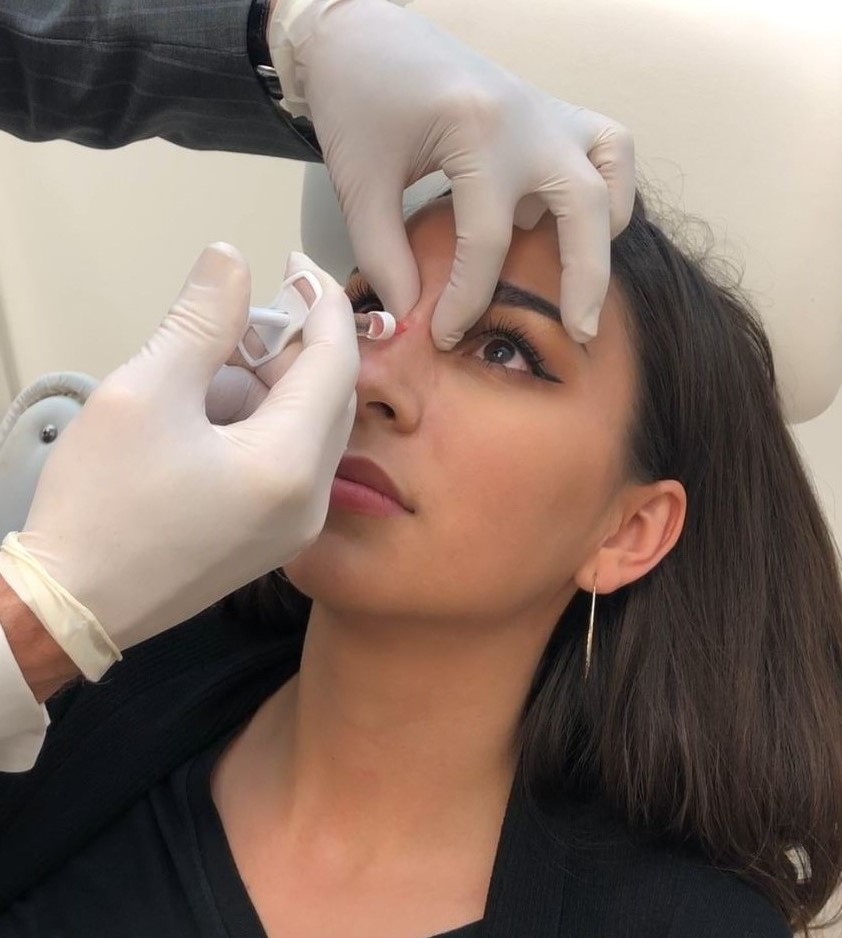
At Dr Mohaghegh Plastic Surgery in Sydney, we understand that many individuals seek non-surgical alternatives to traditional rhinoplasty. Non-surgical rhinoplasty, also known as liquid rhinoplasty, is a minimally invasive procedure that uses injectable dermal fillers to temporarily change the shape of the nose. This article explores the safety aspects of non-surgical rhinoplasty, discussing its benefits and potential risks, to help you make an informed decision about whether this procedure is right for you.
Introduction
Are you tired of your bumpy nose and want to shape it without undergoing a surgical procedure? Non-surgical rhinoplasty is an ideal option for temporary cosmetic changes in the nose. This minimally invasive Aesthetic procedure can provide quick results with almost no downtime.
In this blog, we will discuss whether non-surgical rhinoplasty is safe or not. Read on to learn all the important facts about this treatment so that you can make the best decision for yourself!
Key Takeaways
- Non – surgical rhinoplasty is an ideal solution for those seeking a minimally invasive beauty procedure that provides quicker results than traditional surgical methods
- Ideal candidates should have realistic expectations and consult with qualified practitioners prior to treatment
- Advantages of non surgical rhinoplasty include reduced risk of infection, minimal downtime after the treatment, customisation of individual treatments, and affordability.
- Limitations and potential risks associated with non – surgical rhinoplasty include potential vascular complications if injected incorrectly resulting in long lasting disfigurement or scarring as well as temporary effects that may require repeated treatments.
Understanding Non-Surgical Rhinoplasty
Non-surgical rhinoplasty is a minimally invasive procedure that can reshape the nose without surgery, providing instant gratification in terms of improved appearance.
Procedure details
Non-surgical rhinoplasty is a cosmetic procedure that uses injectable dermal fillers, such as hyaluronic acid (HA), to temporarily change the shape of the nose without surgery. The process involves injecting a small amount of filler into specific areas on the nose to create more definition and improve symmetry.
Non-surgical rhinoplasty can be used to straighten bumps, hide a nasal hump, or increase height including elevation of the bridge and tip without making any cuts in skin or cartilage tissue.
Generally, it takes less than an hour for this type of treatment with results lasting up to two years depending on patient’s individual metabolism rate. As there are potential risks associated with non-surgical nose job procedures, consultations with qualified practitioners prior to treatment are essential to assess appropriateness and fitness for treatment purposes.
Ideal candidates
Non-surgical rhinoplasty is suitable for many people looking to correct minor imperfections in the nose, such as bumps or a slightly droopy tip. This procedure is often employed as an alternative to traditional surgical rhinoplasty for individuals with mild aesthetic concerns who wish to make subtle changes that enhance facial harmony without drastically altering their features.
Liquid rhinoplasty can help with unevenness of the bridge and any asymmetry in shape, size or projected appearance. It’s also a safe method of addressing underdeveloped noses that don’t need significant alteration yet require definition around the nasal contour and projection.
Aside from adjusting physical traits non-surgical rhinoplasty has been used successfully to adjust nostril width, improve breathing capacity through reshaping nasal passages, and alter angles between your lips and nose.
Pros and Cons of Non-Surgical Rhinoplasty
Non-surgical rhinoplasty offers both potential advantages and limitations against undergoing more traditional surgical methods.
Advantages
Non-surgical rhinoplasty offers many advantages over traditional surgical procedures. An overall reduced risk of infection, bleeding and other side effects such as prolonged healing are all benefits of using dermal fillers for the procedure.
Additionally, non-surgical rhinoplasty is less invasive than a conventional knife-based approach and there’s no downtime required after the treatment due to its minimally invasive nature. This gives patients who need results quickly an ideal solution compared to more intrusive and lengthy processes with surgical options.
Furthermore, this type of Rhinoplasty also offers an affordable means for people on a budget who desire only subtle changes to their features or even those looking to achieve corrections that will then be maintained with regular injections.
Limitations and potential risks
Non-surgical rhinoplasty, or liquid rhinoplasty, is an alternative to surgical rhinoplasty that involves the use of injectable hyaluronic acid and other fillers. While it may sound appealing due to its non-invasive nature and relatively fast recovery time compared to traditional surgery, there are some important limitations and potential risks associated with this procedure.
One limitation is that it provides temporary results – typically lasting 6-12 months – meaning those considering the procedure should be prepared for repeated treatments in order to maintain effects.
Additionally, non-surgical nose job also have a limited scope when compared to surgical procedures, as they are unable to significantly address structural abnormalities such as severe bumps or crooked bony protrusions.
Despite being less risky than surgical methods, there can still be potential risks associated with non-surgical rhinoplasty such as vascular complications including tissue necrosis if injected incorrectly which could result in permanent disfigurement or scarring.
Making an Informed Decision
It is important to determine your decision based on the information you have, seek expert advice and understand the limitations of non-surgical rhinoplasty before proceeding with any procedures.
Factors to consider
When considering a nonsurgical rhinoplasty procedure, there are several different factors to take into account. People from ethnic backgrounds with widely varying perceptions of nose aesthetics have all chosen to undergo the procedure, so it’s important for individuals to think about their own vision of how they want their nose to look post-procedure.
It is also critical that potential patients consider what risks or side effects may accompany the nonsurgical rhinoplasty as well – although non-surgical procedures are normally less risky than surgical ones, if proper care isn’t taken during and following the injection process there may be some health complications.
Lastly, it is advisable for people who are interested in undergoing this type of cosmetic enhancement should consult with an experienced practitioner beforehand; obtaining information on what techniques and fillers will be used as well as a full understanding of what can reasonably be expected from the results.
Consultation with a qualified practitioner
Before undergoing non-surgical rhinoplasty, it is important to consult with a qualified medical practitioner. This consultation prior to the procedure allows for informed consent and discussion of possible risks and benefits.
An experienced practitioner can assess your individual case and give you an accurate picture of what the expected outcome could be. They will also discuss how long the effects may last in comparison to surgery, as well as other potential side effects associated with filler injections that need to be carefully considered before proceeding.
Additionally, they will explain the full process of non-surgical rhinoplasty including injection technique and any aftercare instructions that may necessary afterwards. Not only does this help gain a better understanding of all aspects related to this cosmetic treatment but gives peace of mind knowing that safety protocols are being observed at every step by qualified experts making sure optimal results are achieved without any further complications or setbacks.
Assessing the severity of your concerns
When considering non-surgical rhinoplasty, it is important to assess the severity of the individual’s concerns with their nose. Understanding one’s specific aesthetic goals for the procedure can give individuals an insight into what kind of results they anticipate or if there are particular areas that need addressing.
A qualified practitioner can evaluate a patient’s current situation and provide advice on which treatment option would meet those expectations in order to provide optimal outcomes. To ensure proper results while avoiding potential risks, consulting with a medical professional experienced in various surgical and non-surgical procedures will guarantee safer solutions and better understanding any possible side effects associated with the chosen method.
It is recommended that individuals thoroughly familiarize themselves with both surgical and nonsurgical options prior to making an informed decision about their desired outcome.
Conclusion
Non-surgical rhinoplasty is an appealing option that can provide quick, visible results. However, it is important to weigh up the risks associated with this type of procedure and understand your own individual concerns before making a decision to have non-surgical nose jobs.
Although this procedure carries significant risk when performed by unqualified practitioners, safe and experienced Plastic Surgeons like Dr. Mohaghegg from Sydney are equipped to not only minimise potential side effects but also deliver satisfying outcomes for their patients.
All things considered, carefully evaluating individual factors such as cost and recovery time in consultation with a trusted practitioner are essential steps towards learning whether non-surgical rhinoplasty is right for you or not .
Frequently Asked Questions
1. What is non-surgical rhinoplasty?
Non-surgical rhinoplasty, sometimes called a ‘non-surgical nose job’ ,is a cosmetic treatment that involves the injection of fillers into the nasal area to reshape and contour the nose without involving surgery.
2. Is non-surgical rhinoplasty suitable for everyone?
No, not all patients are suitable for this procedure and it’s important to discuss any medical conditions you may have with your doctor before considering this option. Your doctor will be able to advice if this treatment is suitable based on your individual circumstances.
3. How long does a non-surgical nose job take?
A typical session lasts between 10-30 minutes however follow up visits may also be necessary depending on individual patient needs & desired results in order maintain shape or adjust modifications as needed over time.
4. Are there any risks associated with non – surgical rhinoplasty ?
Yes, as with any procedure risks are involved although they will be discussed in detail during an initial consultation by our experienced staff prior to beginning treatment so individuals can make an informed decision regarding their care.
General Facts
- Non-surgical rhinoplasty uses dermal filler ingredients to change the shape of the nose.
- Nonsurgical rhinoplasty carries risks such as blindness or skin death when injecting fillers into other parts of the face.
- Liquid nose jobs involving fillers are considered one of the highest risk cosmetic procedures.
- Non-surgical rhinoplasty is generally cheaper than surgical rhinoplasty.
- Non-surgical nose jobs have become popular because they are reversible.
- Non-surgical rhinoplasty is considered a safe procedure when performed by the right hands.
- Nonsurgical nose jobs are noninvasive and have a minimal recovery period.
- Non-surgical rhinoplasty provides quick results.
- Side effects of non-surgical rhinoplasty are a concern for many individuals.
- Non-surgical nose jobs are not permanent and may require maintenance over time.
Facts about -Procedure details, Understanding Non-Surgical Rhinoplasty
- Nonsurgical rhinoplasty is a cosmetic procedure that uses dermal fillers to temporarily change the shape of the nose.
- Non-surgical rhinoplasty is a quick, safe, and reliable alternative for patients who want to enhance the appearance of their nose without undergoing surgery.
- The procedure involves injecting a filler ingredient, such as hyaluronic acid (HA), into the nose to create the desired shape.
- While non-surgical rhinoplasty is generally considered safe, it is not completely free of complications.
- The primary benefit of non-surgical nose job is that it does not require surgery and has minimal downtime.
- Non-surgical rhinoplasty can be used to straighten the nose, hide a bump, or increase the height of the nose.
- The procedure is also known as liquid rhinoplasty or nose filler.
- Non-surgical rhinoplasty is performed by qualified medical professionals with expertise in injectable fillers.
- Non-surgical nose jobs are considered safe when performed by experienced practitioners.
- Non-surgical rhinoplasty is a popular alternative to traditional surgical rhinoplasty for those who prefer non-invasive procedures.
Facts about -Ideal candidates, Understanding Non-Surgical Rhinoplasty
- Hyaluronic acid fillers are safe and effective dermal fillers for non-surgical rhinoplasty.
- Liquid rhinoplasty is a non-surgical procedure that can address small nasal bumps and slightly droopy tips.
- Non-surgical rhinoplasty with HA filler injections is considered a safe procedure but may not be completely free of complications.
- Nonsurgical rhinoplasty involves injecting dermal fillers to temporarily change the structure of the nose.
- Non-surgical nose jobs are considered safe when performed by skilled practitioners.
- Non-surgical rhinoplasty is a good option for minor deformities and asymmetries in the nose.
- Non-surgical nose jobs are suitable for individuals with bumps in the nose that can be straightened out or slightly droopy noses.
- Side effects and risks associated with non-surgical rhinoplasty include potential complications from filler injections.
- Non-surgical rhinoplasty is a temporary solution and may require maintenance treatments.
- Liquid rhinoplasty can be an alternative to traditional surgical rhinoplasty for certain aesthetic concerns.
Facts about -Advantages, Pros and Cons of Non-Surgical Rhinoplasty
- Non-surgical rhinoplasty is a knife-free alternative to conventional surgical rhinoplasty.
- It has a minimal recovery time compared to surgical rhinoplasty.
- Liquid rhinoplasty, a form of non-surgical rhinoplasty, provides temporary results and requires additional treatments to maintain the desired look.
- Non-surgical rhinoplasty using dermal fillers eliminates the risks of infection, bleeding, and prolonged healing associated with surgical treatments.
- The procedure is quick, offering a faster solution compared to traditional rhinoplasty.
- Non-surgical rhinoplasty involves injecting dermal fillers to temporarily change the structure of the nose.
- It is a less invasive and more affordable option than surgical rhinoplasty.
- Non-surgical nose jobs are customizable to individual needs and preferences.
- The procedure requires zero downtime, allowing patients to resume their regular activities immediately.
- Non-surgical rhinoplasty using dermal fillers is not permanent and can be adjusted or reversed if desired.
Facts about -Limitations and potential risks, Pros and Cons of Non-Surgical Rhinoplasty
- The risks involved in surgical rhinoplasty include bleeding, infection, a bad reaction to general anesthesia, and other potential complications.
- Liquid rhinoplasty, a non-surgical alternative, has its own pros and cons compared to surgical rhinoplasty.
- Some of the cons of liquid rhinoplasty include unrealistic expectations and temporary results.
- Liquid rhinoplasty also has a limited scope compared to surgical rhinoplasty.
- Non-surgical rhinoplasty can potentially lead to side effects such as redness and swelling at the injection site.
- These side effects normally subside within 24 to 48 hours.
- Non-surgical rhinoplasty using dermal fillers does not require anesthesia or surgery.
- Non-surgical nose jobs are considered less risky and have less downtime compared to surgical procedures.
- However, there can still be potential risks associated with non-surgical rhinoplasty, such as vascular complications and tissue necrosis.
- It is important to carefully consider the limitations and potential risks before opting for non-surgical rhinoplasty.
Facts about -Factors to consider, Making an Informed Decision
- Different ethnic groups have varying perceptions of nose aesthetics, which influences their decision to undergo nonsurgical rhinoplasty.
- Before deciding on a nonsurgical nose job, individuals should consider five key factors.
- Nonsurgical rhinoplasty carries certain risks, as assessed by experts in the field.
- A nonsurgical nose job involves the injection of fillers to temporarily alter the nose’s structure.
- Nonsurgical rhinoplasty may be a suitable option for some individuals.
- Side effects can occur with nonsurgical rhinoplasty.
- The popularity of nonsurgical rhinoplasty has led to an increase in search queries for the procedure.
- Some people seek permanent nonsurgical nose job options.
- There is a risk of complications, such as blindness, associated with nonsurgical rhinoplasty.
Facts about -Consultation with a qualified practitioner, Making an Informed Decision
- Non-surgical rhinoplasty, also known as nose filler, is a cosmetic procedure that can help achieve a more defined and symmetrical nose shape.
- The decision to undergo non-surgical rhinoplasty should be made after a consultation with a qualified medical practitioner.
- From 1 July, major cosmetic surgery reforms require that informed consent for the procedure be obtained during the consultation with the performing practitioner.
- Registered medical practitioners who perform cosmetic surgery and procedures are required to follow guidelines to ensure safe and ethical practices.
- The cost of non-surgical rhinoplasty can vary depending on factors such as the type of filler used, the provider chosen, and the number of injections required.
- Non-surgical rhinoplasty is considered a cosmetic procedure and can be done for aesthetic reasons or to correct structural issues with the nose.
- It is important to choose a qualified and experienced medical practitioner for non-surgical rhinoplasty to ensure safety and desired results.
- Non-surgical rhinoplasty is also known as nose slimming injection, and it can help in achieving a more slender nose appearance.
- The cost of non-surgical rhinoplasty in Melbourne and Brisbane can vary, and it is advisable to consult with the practitioner to get an accurate estimate.
- Non-surgical rhinoplasty is a non-invasive alternative to traditional surgical rhinoplasty, offering a quicker recovery time and less risk of complications.
Facts about -Assessing the severity of your concerns, Making an Informed Decision
- Non-surgical rhinoplasty is considered to be a safe procedure when performed by a trained and experienced medical professional.
- Experts have weighed in on the risks associated with non-surgical rhinoplasty.
- Non-surgical rhinoplasty can treat various concerns related to the nose.
- Rhinoplasty is a surgical procedure that repairs or reshapes the nose.
- Talking to a counsellor or psychologist may help individuals overcome their concerns about their appearance.
- Understanding the anatomy of the treatment allows for an informed decision about the right option for aesthetic goals.
- There are statistics regarding plastic surgery among teenagers.
- Non-surgical rhinoplasty, also known as liquid rhinoplasty, is a popular option.
- Nose fillers can have side effects if not done properly.
- It is important to be aware of the potential risks and results of non-surgical rhinoplasty.
How Long Does Swelling Last After a Rhinoplasty (Nose Job)? A Timeline
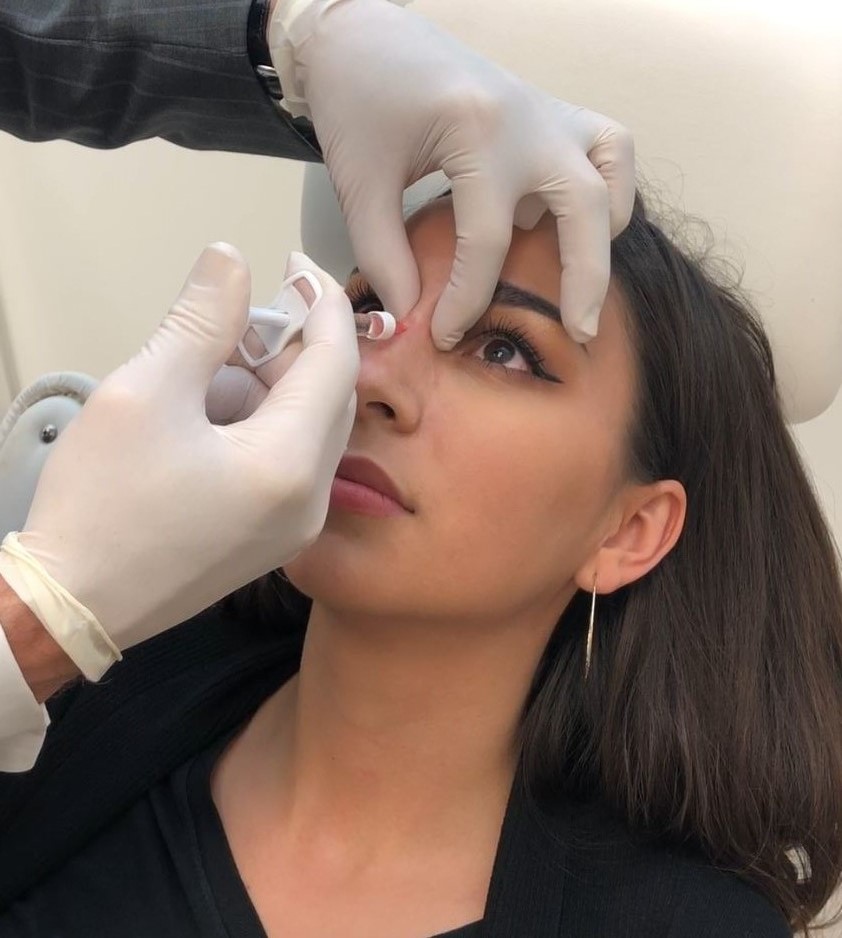
Understanding the recovery process after a rhinoplasty is crucial for managing expectations and ensuring a smooth healing journey. Swelling is a natural part of the healing process, and it can persist for up to 12-18 months post-operation. However, significant improvements are typically noticeable within the first few weeks, with the majority of swelling subsiding by the second month. This article provides a detailed timeline of what to expect during your recovery, highlighting the factors that influence swelling and offering practical tips on how to manage and reduce it. By following these guidelines and adhering to post-operative instructions provided by Dr Mohaghegh Plastic Surgery, you can navigate your recovery with confidence and look forward to enjoying the full benefits of your rhinoplasty procedure.
Key Takeaways
- Swelling after a rhinoplasty can persist for up to 12 – 18 months.
- Early swelling decreases significantly within a few weeks, while late – stage swelling may take up to one year to fully resolve.
- Factors that influence swelling include your body’s natural healing process, the surgical technique used, and the extent of surgery.
- The timeline of swelling after rhinoplasty follows a pattern, with the most significant swelling occurring in the first week and gradually decreasing over time.
Understanding the Healing Process After a Rhinoplasty
There are different types of swelling that can occur after a nose job, and this healing process is influenced by various factors.
Types of Swelling
Swelling after a rhinoplasty generally falls into two main categories—early and late-stage swelling. Early swelling is what you observe immediately following the procedure, due mainly to the trauma caused by surgery to your nose’s delicate tissues.
This type of swelling typically decreases significantly within a few weeks. On the other hand, late-stage swelling occurs gradually over the months following surgery and mostly affects the tip of your nose, requiring more time to completely resolve.
Don’t be alarmed if minor amounts of this late-stage swelling persist up to one year post-surgery—it’s all part of your body’s natural healing process!
Factors that Influence Swelling
Several factors have an impact on swelling after a nose job. One of the critical points is your body’s natural healing process, which varies from person to person. The technique used by your plastic surgeon will also influence swelling levels; for instance, Dr Mohaghegh employs sophisticated methods to minimise trauma and subsequently lessen post-operative inflammation.
The extent of surgery is another crucial determinant – more complex procedures tend to result in greater swelling due to increased tissue disruption. Your lifestyle habits such as hydration levels significantly affect how quickly your body can reduce inflammation too.
So keep these aspects in check while trying to manage the aftermath of rhinoplasty.
Timeline of Swelling After Rhinoplasty
The timeline of swelling after rhinoplasty typically follows a pattern, with the most significant swelling occurring in the first week and gradually decreasing over time. By weeks 2-3, patients can expect to see noticeable improvements, and by month 2 and beyond, the majority of swelling should have subsided.
Week 1
In the first week following your rhinoplasty with Dr Mohaghegh, you’ll likely experience the most significant swelling. Your nose is adjusting to changes and healing from surgery during this period, contributing to the inflammation.
Despite this discomfort, it’s a normal part of recovery in plastic surgery. Patients often show visible improvements each day as swelling starts dissipating steadily after peak inflammation around the third day.
For some patients, slight pain may persist however it’s usually manageable with prescribed medicines by your plastic surgeon in Sydney. The bruising around the eyes that might have appeared post-surgery also begins to fade away gradually within this week.
Weeks 2-3
During the second and third weeks after your nose job, considerable changes start to happen. The majority of swelling begins to subside making your new nasal contours more apparent.
You might notice subtle daily modifications as swelling decreases in this period. A regular follow-up with Dr Mohaghegh ensures the recovery process is on track during these critical weeks after plastic surgery.
Sydney patients should know that some minor persistent puffiness may remain even at three weeks post-rhinoplasty but this is quite normal and will resolve over time. Keep exercising patience, adhering strictly to recovery instructions while looking forward to visible improvements coming soon after Week 3.
Months 2+
Moving into the second month after rhinoplasty, patients often start to feel a sense of excitement.
Significant decrease in swelling becomes noticeable during this period, revealing subtle definitions at the tip and sides of your nose.
However, be prepared for some fluctuations in the degree of swelling throughout this time frame. It’s normal to see mild puffiness appear from time to time due to stress or diet variation.
Even though these minor bumps in your healing road might seem concerning, rest assured that they’re part of a typical healing timeline after any major plastic surgery procedure.
It’s worth noting that by around the three-month mark, Dr Mohaghegh Plastic Surgery patients usually notice continuous improvement in their appearance as swelling continually decreases.
This is truly an exciting phase as you watch your new profile emerge more each day! Towards the end of this period, most patients witness considerable fading of their bruising and lesser sensitivity around the surgical site which further enhances satisfaction with their redefined look achieved through top-tier Plastic Surgery Sydney service like ours!
Tips for Reducing Swelling
Follow the post-operative instructions provided by Dr Mohaghegh, including taking any prescribed medications and avoiding activities that may increase swelling.
Follow Post-Operative Instructions
Adherence to post-operative instructions must be your priority following rhinoplasty. Dr Mohaghegh, a renowned plastic surgeon in Sydney, offers detailed guidelines for patient care which can significantly curtail the duration of swelling:
- Devote ample time for rest and recovery, curtailing any strenuous physical activities.
- Follow prescribed medication routine with diligence.
- Ensure to clean the surgical area as instructed by Dr Mohaghegh to avoid infections.
- Applying cold compresses can provide relief from pain and assist in managing swelling post – surgery.
- Regularly scheduled follow – ups with Dr Mohaghegh Plastic Surgery is crucial for monitoring your progress towards recovery.
- Stay away from smoking or alcohol consumption until given clearance.
Elevate Head and Use Cold Compresses
Raising your head and using cold compresses are two key techniques for reducing swelling after you’ve had a rhinoplasty with Dr Mohaghegh Plastic Surgery in Sydney.
- Keep your head elevated above the level of your heart. This helps to minimise blood flow to the area, thereby decreasing swelling and discomfort.
- Apply a cold compress onto the swollen areas around your nose, but do not put it directly onto your nose. Perform this for 15-minute intervals throughout the day.
- Use cold compresses primarily within the first 48 hours after surgery as they are most effective during this period.
- Opt for a cold pack instead of an ice pack as it is safer and equally efficient in reducing post – operative puffiness.
- Even while sleeping, make sure to keep your head upraised by using multiple pillows or by resting in a recliner chair.
Rest and Stay Hydrated
Rest and staying hydrated are essential for a smooth recovery after rhinoplasty. Taking time to rest allows your body to heal properly and reduces the risk of complications. Make sure to follow your surgeon’s post-operative instructions regarding activity levels and avoid strenuous exercise or activities that can increase swelling.
In addition, staying hydrated by drinking plenty of water is crucial for reducing swelling after a rhinoplasty. Water helps flush out toxins from your body, promotes healing, and keeps your tissues moisturised.
Aim to drink at least 8 cups (64 ounces) of water daily to ensure optimal hydration.
Conclusion
Overall, swelling after a rhinoplasty procedure can last for up to 12-18 months. However, the noticeable swelling tends to improve within the first month, with about 90% of it reduced.
Within 7 to 10 days, patients usually start seeing improvements as the swelling decreases. It’s important to remember that each person’s healing process may vary and it can take a year or more for all swelling to completely subside.
Following post-operative instructions and practising techniques like elevating your head and using cold compresses can help reduce swelling.
FAQs
1. How long does swelling typically last after a rhinoplasty?
Swelling after a rhinoplasty can last up to 18 months with the majority of it subsiding within the first month.
2. When will I start to see noticeable reduction in swelling post-rhinoplasty?
You may begin to notice a reduction in swelling around 1-2 weeks after your rhinoplasty surgery, although it can vary from person to person.
3. Is there anything I can do to help reduce swelling after my rhinoplasty?
Following your surgeon’s guidelines, applying cold compresses, keeping your head elevated while resting, and avoiding strenuous activities can help minimise post-operative swelling.
4. Can prolonged or excessive swelling be a cause for concern after a rhinoplasty?
While some level of swelling is normal during the healing process following a rhinoplasty, if you experience unusual or persistent excessive swelling along with severe pain or other concerning symptoms, it is important to contact your surgeon for further evaluation.
5. How long until all the swelling completely goes away after a nose job?
Complete resolution of all postoperative nasal swelling may take up to several months or even up to one year in rare cases; however, most patients notice significant improvement within the first few months.
How Long Does It Take to Recover from an Abdominoplasty?
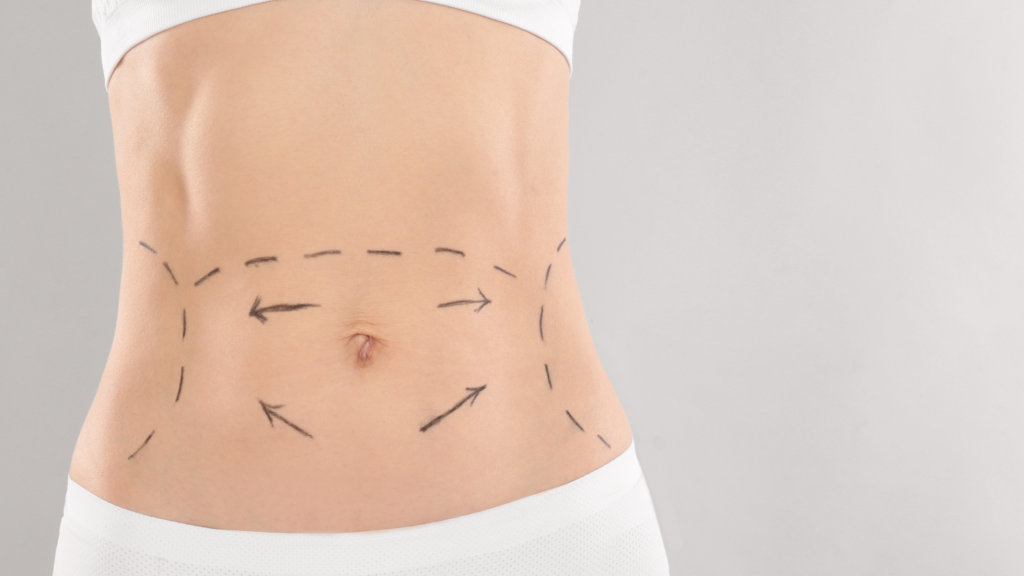
Considering abdominoplasty surgery to eliminate excess fat and loose skin in your abdominal area? Understanding the recovery process is crucial for managing expectations and ensuring a smooth healing journey. This article provides a comprehensive guide to the abdominoplasty recovery process, including timelines, post-surgery care, and practical tips for a smooth journey back to wellness with Dr Mohaghegh Plastic Surgery. By following these guidelines and adhering to post-operative instructions, you can navigate your recovery with confidence and look forward to enjoying the full benefits of your abdominoplasty procedure.
Key Takeaways
- The timeline for recovery after an abdominoplasty can vary, but generally, incision wounds heal within two weeks and the lymphatic system takes about two to three months to fully recover.
- Most patients can return to work within 10 – 14 days following an abdominoplasty, but it may take four to six weeks before resuming strenuous exercise.
- It usually takes around three months or longer for individuals to feel completely recovered from an abdominoplasty.
Understanding abdominoplasty Recovery
During the abdominoplasty recovery process, it is important to have a clear timeline for recovery, know what to expect after surgery, follow at-home recovery guidelines, and be aware of possible physical side effects.
Timeline for recovery
Understanding the timeline for recovery post-abdominoplasty is crucial. Here are some key milestones to keep in mind:
- Incision wounds from an abdominoplasty generally heal within two weeks.
- The lymphatic system needs about two to three months to fully recover after surgery.
- Most patients can go back to work within 10 – 14 days following this cosmetic procedure.
- Four to six weeks is required before resuming strenuous exercise.
- A mini-abdominoplasty patient must avoid rigorous activity for at least six weeks post-surgery.
- It usually takes around three months or longer for individuals to feel absolutely recovered from an abdominoplasty.
- Patients should plan for two to three weeks off work and six weeks away from strenuous activities after an abdominoplasty.
- One year- 18 months after surgery, the results of the procedure will be fully visible, with inflammation completely subsided.
What to expect after surgery
Following the expert hand of Dr. Mohaghegh, a plastic surgeon in Sydney, your abdominoplasty will likely result in observable discomfort during the initial recovery stage.
It’s normal to experience pain, bruising and swelling for about two weeks to a month after surgery. This discomfort however should gradually subside over time as your body heals itself.
You may also notice that the skin on your abdomen feels numb, but don’t worry – it’s part of the healing process and sensation should return within several weeks or months depending on individual healing rates.
A valuable tool for post-surgery recovery includes wearing an abdominal binder which helps prevent fluid buildup; this is typically recommended for about six weeks immediately following surgery.
Guidelines for at-home recovery
Adhering to specific guidelines for at-home recovery can play a significant role in healing after an abdominoplasty performed by plastic surgeons like Dr Mohaghegh.
- Limit movement after surgery: Rest is crucial for recovery as it aids healing.
- Avoid heavy lifting: Strenuous activity should be avoided for at least six weeks post-surgery.
- Follow doctors’ instructions: This includes applying prescribed creams or taking specific medications.
- Plan for adequate recovery time: Ideally, allocate three weeks of at-home recovery after undergoing abdominoplasty surgery with Dr Mohaghegh Plastic Surgery.
- Maintain healthy eating habits: A balanced diet supports the recovery process and helps maintain a stable weight, which is beneficial before, during and after the procedure.
- Keep the incision clean and dry: Proper wound care prevents infection and promotes healing.
- Wear provided surgical garment: Compression garments aid in reducing swelling and improving body contour after a abdominoplasty.
- Attend follow-up appointments: Regular visits to your plastic surgeon in Sydney allow for monitoring of complications or adverse reactions to the procedure.
- Gradually resume normal activities: Two weeks after a mini abdominoplasty allows for resumption of driving, always following your doctor’s advice.
Possible physical side effects
Pain is a standard part of abdominoplasty recovery, and it’s expected to last for the initial few days post-surgery. It’s also common for individuals to experience numbness and bruising around the surgical area.
Swelling takes place as your body heals; this side effect usually persists longer than others. Tiredness often happens too during this period due to the body’s energy redirected towards healing.
Keep an eye out for these physical changes after a abdominoplasty surgery by Dr Mohaghegh, a highly revered plastic surgeon based in Sydney.
Tips for a Smooth Recovery
Prepare yourself for a smooth recovery by following these essential tips from Dr Mohaghegh, a renowned plastic surgeon in Sydney. Read on to ensure a successful abdominoplasty healing process.
Preparing for the recovery process
Proper preparation for the post-surgery recovery process is critical to ensure a smooth and complication-free healing phase.
- Arrange for someone to drive you home after the surgery, as it’s recommended not to drive for two weeks following a mini abdominoplasty and even longer after full abdominoplasty.
- Planning ahead, schedule at least two to three weeks off work to give your body ample time to heal.
- Be sure to have comfortable, loose clothing ready at home that won’t put pressure on the surgical area.
- Consult with Dr Mohaghegh, an experienced plastic surgeon in Sydney, about any concerns or questions regarding your recovery period.
- Prepare a cosy recovery area in your house where you can rest undisturbed and that has easy access to all necessary items like water, medications, phone etc.
- Keep in mind that strenuous activities should be avoided for about six weeks post-operation – this includes heavy lifting and intense exercise routines.
- Making proper food arrangements beforehand would be beneficial – prepare meals that are high in protein and fiber to aid healing and avoid constipation due to pain medications.
- Ensure that you understand all care instructions provided by Dr Mohaghegh Plastic Surgery team before leaving the hospital.
Proper post-surgery care
Taking care of yourself post-surgery is critical for a smooth recovery after a abdominoplasty. Dr Mohaghegh, a plastic surgeon in Sydney, advocates the importance of rest and adherence to specific guidelines during this period.
One should avoid strenuous activities such as weightlifting or running for up to six weeks following the surgery. Simple movements like walking are alright but maintain caution not to walk entirely upright for at least two weeks.
This strategy helps minimise excessive strain on your abdomen. Also crucial is pain management; patients typically experience discomfort along with bruising and swelling in the initial recovery phase which can last up to four weeks post-surgery.
During these first few days, drains may be left in place by your surgeon to manage excess fluids and aid healing.
Resuming normal activities
Dr Mohaghegh, a well-known plastic surgeon from Sydney, insists that patients must be cautious when resuming their normal activities post abdominoplasty. Walking completely upright might seem like an effortless task but it is strongly advised against attempting this for at least two weeks following the surgery.
This simple precaution helps to minimise strain on your healing wound and hastens recovery.
Driving is another daily activity that receives specific guidelines in the recovery process. For those who have undergone a mini abdominoplasty, they can expect to return to driving after approximately two weeks of rest and recuperation.
However, strenuous activities such as weight lifting and running are off-limits for a longer period – usually around six weeks after either type of abdominoplasty procedure. Abiding these recommended timelines goes a long way towards ensuring optimal results from your plastic surgery with Dr Mohaghegh.
Long-Term Recovery
To ensure a successful long-term recovery, it is important to have realistic expectations for the first few months following abdominoplasty surgery. Regularly caring for oneself and monitoring for any potential complications are also crucial aspects of this stage.
Expectations for the first few months
During the first few months after a abdominoplasty surgery, it is important to have realistic expectations. Initially, you may experience discomfort, swelling, and bruising in the abdominal area.
These are normal side effects of the procedure and will gradually subside over time. It is crucial to follow your surgeon’s post-operative care instructions and wear a supportive garment to aid in healing.
While you may be able to resume some light activities within a week or two, it can take about three months or longer to fully recover and see the final results of your abdominoplasty.
Continuing to care for yourself
After the initial recovery period, it is important to continue taking care of yourself following abdominoplasty surgery. This includes monitoring your healing progress and being aware of any potential complications that may arise.
It is also crucial to follow all post-operative instructions provided by your plastic surgeon, such as proper wound care and wearing compression garments if advised. Additionally, maintaining a healthy lifestyle with regular exercise and a balanced diet can help support your long-term recovery and enhance the results of your abdominoplasty procedure.
Monitoring for any complications
After an abdominoplasty, it’s important to closely monitor for any complications that may arise during the recovery process. Complications can include seroma (fluid build-up), hematoma (collection of blood), infection, skin necrosis (skin tissue death), and suture issues.
By staying vigilant and observing your body for any unusual symptoms or changes, you can catch potential complications early on and seek prompt medical attention if needed. Regular follow-up appointments with your plastic surgeon will also help in monitoring your healing progress and addressing any concerns that may arise.
Conclusion
Recovering from an abdominoplasty, takes time and patience. Each person’s recovery timeline will vary, but it typically takes several weeks to recover fully. It’s important to follow the guidelines provided by your plastic surgeon and listen to your body during this time.
By taking care of yourself and allowing ample time for healing, you can achieve optimal results from your surgery.
FAQs
1. How long does it take to recover from an abdominoplasty?
The recovery time for an abdominoplasty can vary, but most people need around 2-4 weeks to resume normal activities.
2. Will I experience pain during the recovery period?
Yes, it is common to experience some pain and discomfort after an abdominoplasty procedure. Your surgeon will provide you with medications to manage the pain during your recovery.
3. Can I go back to work immediately after an abdominoplasty?
No, you will typically need to take at least 2 weeks off from work following an abdominoplasty procedure due to the need for rest and proper healing.
4. When can I start exercising again after a abdominoplasty?
You should avoid rigorous exercise or strenuous activity for about 6 weeks following a abdominoplasty surgery. It’s important to consult with your surgeon before resuming any physical activity.
5. Are there any specific post-operative care instructions for recovering from a abdominoplasty?
Yes, your surgeon will provide you with detailed post-operative care instructions which may include wearing compression garments, avoiding certain body positions, and keeping the incision area clean and dry. Following these instructions will aid in an optimal recovery process.
How Does Alar Base Reduction Enhance Your Nose Shape?
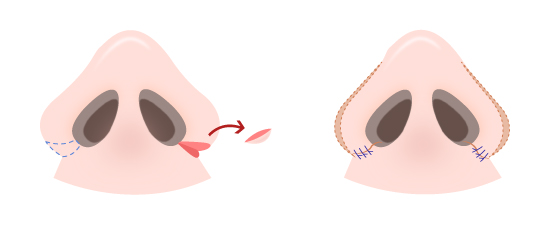
At Dr Mohaghegh Plastic Surgery in Sydney, we understand that the shape and size of the nostrils can significantly impact the overall aesthetic of the nose and facial harmony. Alar Base Reduction, also known as Nostril Surgery or Alarplasty, is a specialized surgical procedure designed to improve the shape and size of the nostrils, enhancing nasal symmetry and achieving a more balanced facial appearance. This article explores how Alar Base Reduction can refine your nose shape, addressing issues such as wide nostrils, asymmetry, and flaring, to create a more aesthetically pleasing profile.
Introduction to Alar Base Reduction and its Benefits
One of the most common concerns for many people is feeling self-conscious about their noses. Alar Base Reduction, alternatively known as Nostril Surgery or Alarplasty, can be a great solution to improve the shape of your nose.
In this article, we will explore why and how it can enhance your nose appearance and what makes it different from open rhinoplasty procedures on the bridge area. Whether you want to reduce nostril size, gain greater nasal symmetry, or achieve facial harmony – learn all about Alar Base Reduction here! So let’s get started!
Key Takeaways
- Alar Base Reduction (also known as Nostril Surgery or Alarplasty) is a specialized rhinoplasty procedure to surgically improve the shape and size of the nostrils.
- The goal of this surgery is to create better balance between your nose and facial features, making it an ideal solution for those with a broad alar base.
- Benefits include improved nasal symmetry, reduced nostril size, better definition on either side; and subtle changes that improve facial balance altogether without compromising breathing ability.
- By correcting unevenness between left and right sides of the nose through nostril reduction surgery – including narrowing flared cartilage at its base – one’s facial profile may become more aesthetically pleasing with improved balance.
Alar Base Reduction Surgery
Alar Base Reduction Surgery is a specialized rhinoplasty procedure to surgically improve the shape and size of the nostrils.
What it is
Alar Base Reduction Surgery is a cosmetic procedure that involves reshaping and reducing the width of the nostril base. Also known as Nostril Reduction or Alarplasty, it is an ideal solution for those with a broad alar base, affecting how wide the nose appears.
During this surgical procedure, part of the cartilage around the opening to your nostrils is removed in order to create better balance between your nose and facial features. Alar Base Reduction Surgery differs from rhinoplasty as it focuses solely on reshaping and reducing the size of the nostrils themselves, rather than altering other aspects of their shape such as its bridge or tip.
For those looking for improved nasal symmetry and reduced nostril size without having to undergo a full rhinoplasty, Alar Base Reduction could be just what they are looking for to achieve an aesthetic balance between facial features – helping them look and feel more confident about their appearance.
How it affects the nose shape
Alar base reduction is a procedure that can improve the shape and aesthetic of the nose. This surgery helps to narrow the width of the nasal base through removal or alteration of cartilage in the alae, which are nostrils.
Alarplasty also works on reducing size and asymmetry in both alae by using sutures to make incisions near each edge, reshaping them to your desired look. By sculpting your nose with these techniques, facial harmony can be achieved as it eliminates any existing discrepancies between eyes, brows or cheekbones that may have been caused by an uneven skin texture or large nostril openings.
With this procedure comes other benefits- improved nasal symmetry from targetting flaring at the sides of your nose; reduced nostril size for a bigger impact aesthetically; better definition on either side; and subtle changes that improve facial balance altogether.
How Alar Base Reduction Enhances Your Nose Shape
Alar Base Reduction reshapes and refines your nose shape by improving its nasal symmetry and reducing the size of nostrils.
Improved Nasal Symmetry
Alar base reduction, also known as alarplasty or nostril surgery, can offer significant improvements to the shape and symmetry of the nose. This procedure involves surgically cutting part of the nostril cartilage (alar cartilage), which helps to adjust the size and shape of your nasal opening.
By carefully selecting which areas are cut, a patient can achieve an ideal level of facial harmony with improved symmetrical balance between the sides of their nose. Overly wide or asymmetric nostrils can give off a sense of imbalance on your face – through alarplasty these issues may be remedied for an overall more pleasing result in terms of aesthetics.
The final outcome is therefore defined by precise surgical technique as well as careful selection on what parts to remove from both sides, while creating harmonious facial proportions between all features around it including eyes, cheeks and mouth area.
Reduced Nostril Size
Alar base reduction is an important procedure for people looking to improve the shape of their nose. By surgically manipulating the width of the alar base, or nostrils, it can effectively reduce their size while also improving nasal symmetry.
Achieving balanced nostril size with alarplasty has been linked to facial harmony and better overall aesthetics of the nose. This method allows patients to reduce exaggerated and asymmetrical flares that may be making them self-conscious about the shape of their nose and increases confidence in one’s profile appearance.
Additionally, a precisely reduced nostril size allows for more aesthetically pleasing aspects such as natural curves along your bridge rather than having protruding unsightly flaring at each side.
Achieving Facial Harmony
Alar base reduction, also known as alarplasty or nostril reduction, is an advanced surgical procedure that can help correct imbalances in the size and shape of wide nostrils. The goal of this surgical technique is to improve nasal symmetry, reduce nostril size, and enhance the overall aesthetics of your nose for a more balanced facial appearance.
Even minor imbalances in the width, projection or symmetry of your nose can significantly affect overall harmony across your face. Through undergoing alar base reduction surgery, any asymmetry in the nostrils’ size or shape can be corrected by reducing their width using precision techniques developed by experienced plastic surgeons such as Dr Mohaghegh Plastic Surgery here in Sydney.
By correcting unevenness between left and right sides of the nose through nostril reduction surgery – including narrowing flared cartilage at its base – one’s facial profile may become more aesthetically pleasing with improved balance.
Conclusion and Final Thoughts
Alar Base Reduction, or Nostril Surgery, is an effective rhinoplasty technique designed to enhance the shape and look of a person’s nose. By adjusting the width of the base area of the nostrils, it can significantly improve nasal symmetry by reducing flared appearance in equal amounts on both sides and create better balance with other facial features.
The procedure also helps reduce nostril size thus achieving greater harmony between nostrils and face. Results last up to years depending on skin type, healing process, and aftercare maintenance.
While Alar Base Reduction does not alter all aspects of nasal contours like bridge height or tip definition as open Rhinoplasty does, it still gives significant results without having to perform more extensive procedures if only minor modifications are desired.
Overall this specialized procedure can have dramatic benefits for those looking for enhancement with their noses while still maintaining natural-looking results.
General Facts
- Alar Base Reduction, also known as Nostril Surgery or Alarplasty, can enhance the shape of your nose.
- The procedure involves adjusting the width of the bottom portion of the nose to improve nasal symmetry and reduce nostril size.
- Alar Base Reduction can address issues with wide nostrils that do not suit your face.
- The incision made during the procedure typically heals within a couple of weeks.
- Unlike open rhinoplasty procedures on the nose’s bridge, Alar Base Reduction focuses on the nostril area.
- The goal of the nostril reduction procedure is to improve the shape and dimension of the nostrils.
- Alar Base Reduction is a specialized surgical procedure that can address both the shape and appearance of the nostrils.
- Rhinoplasty surgeons often use Alar Base Reduction to correct the size or flared appearance of the nostrils.
- The procedure can help achieve a more balanced and proportionate nose shape.
- Alar Base Reduction is an effective solution for individuals seeking to enhance the aesthetics of their nose by reducing the width of the nostrils.
Facts about -What it is, Alar Base Reduction Surgery
- Alar Base Reduction Surgery, also known as Alarplasty or Nostril Surgery, is a procedure that involves cutting part of the nostril cartilage to change the shape or size of the nasal opening and sides of the nose.
- The aim of Alar Base Reduction Surgery is to improve wide nostrils or nostrils that don’t suit the face.
- This procedure is commonly performed in Melbourne and Sydney, Australia.
- Alar Base Reduction Surgery is also referred to as Nostril Reduction or Alarplasty.
- It is an ideal solution for patients with a broad alar base, which is the lower part of the nose.
- The main goal of Alar Base Reduction Surgery is to reduce the width of the nostril base, thereby decreasing the size of the nostrils.
- The procedure can enhance the overall shape of the nose by creating a better balance between the nose and the rest of the facial features.
- Alar Base Reduction Surgery is often considered as an alternative to a full rhinoplasty, as it specifically targets the nostrils rather than the entire nose.
- The long-term effects of Alar Base Reduction Surgery include improved facial symmetry and a more proportionate appearance of the nose.
- The cost of Alar Base Reduction Surgery can vary, and it is recommended to consult with a qualified surgeon to determine the exact cost based on individual needs.
- Alar Base Reduction Surgery is different from rhinoplasty, as it solely focuses on reshaping and reducing the width of the nostrils.
- The procedure can be an effective solution for individuals who are dissatisfied with the width or shape of their nostrils and desire a more balanced and aesthetically pleasing nose.
Facts about -How it affects the nose shape, Alar Base Reduction Surgery
- Alar base reduction surgery, also known as alarplasty or nostril reduction surgery, improves the appearance of the nostrils and enhances the natural aesthetics of the nose.
- The procedure involves cutting part of the nostril cartilage, known as “alae,” to change the shape or size of the nasal opening and sides of the nose.
- Alar base surgery is performed to address excessive width of the nasal base, alar flaring, large nostril size, and alar base or nostril asymmetry.
- The results of alar base reduction surgery can improve nasal symmetry, reduce nostril size, and achieve better facial harmony.
- Alarplasty or nostril surgery can help improve wide nostrils or nostrils that don’t suit the face.
- A rhinoplasty, which includes alar base reduction surgery, can change the shape and projection of the nose.
- The long-term effects of alar base reduction surgery can have a positive impact on the nose shape and overall facial appearance.
- Alar base reduction surgery is often compared to alarplasty and rhinoplasty procedures.
- The cost of alar base reduction surgery may vary depending on the individual case and the surgeon’s fees.
- It is essential to consider the potential side effects of alar base reduction surgery before undergoing the procedure.
- Nostril reduction surgery, also known as alarplasty, is a similar procedure that can improve the appearance of the nostrils.
- Alar base reduction surgery is a popular choice for those looking to enhance their nose shape and achieve better facial aesthetics.
Facts about -Improved Nasal Symmetry, How Alar Base Reduction Enhances Your Nose Shape
- Alar base reduction, also known as alarplasty or nostril surgery, can help improve the symmetry and shape of the nose, specifically the width of the nostrils.
- The procedure involves cutting part of the nostril cartilage (alar cartilage) to adjust the size or shape of the nasal opening and sides of the nose.
- Alar base reduction can enhance facial symmetry by creating a more symmetrical appearance between the nostrils and the overall shape of the nose.
- This procedure is commonly performed in cities like Gold Coast, Brisbane, Melbourne, and Sydney in Australia.
- Alar base reduction is a quick procedure that offers noticeable improvements in nasal symmetry and nostril shape.
- Alarplasty can address wide nostrils or nostrils that do not suit the individual’s face.
- Alar base reduction is often recommended when the nostrils appear enlarged or asymmetrical.
- The size, shape, and symmetry of the base of the nose are important factors to consider when performing alar base reduction.
- In some cases, alar base stitches may be used to address nostril asymmetry, alar flare, and increased interalar width.
- Alar base reduction is a specialized technique that differs from rhinoplasty, as it specifically focuses on improving the nostril area.
- The cost of alarplasty or alar base reduction can vary and is influenced by factors such as the location, surgeon’s expertise, and the complexity of the procedure.
- Alarplasty is a simplified approach to improving nasal symmetry and nostril shape, offering a solution for those who desire a more balanced and aesthetically pleasing appearance.
Facts about -Reduced Nostril Size, How Alar Base Reduction Enhances Your Nose Shape
- Alar base reduction, also known as alarplasty, is a procedure that focuses on improving the appearance of the nostrils and enhancing the overall aesthetics of the nose.
- The procedure addresses issues related to the shape and appearance of the nostrils, including wide nostrils or nostrils that don’t suit the face.
- Alar base reduction can help achieve nasal symmetry, reduce nostril size, and enhance the natural shape of the nose.
- It is a specialized surgical procedure that adjusts the width of the bottom portion of the nose to improve overall nasal aesthetics.
- The bony base width should ideally be 70% to 80% of the alar base, according to evidence-based nasal analysis for rhinoplasty.
- The surgery is performed to surgically correct excessive nasal base width and reduce nasal flaring, resulting in improved nasal symmetry.
- Alar base reduction is often considered as an alternative to rhinoplasty for individuals who primarily want to address nostril-related concerns.
- The procedure is commonly performed in cities like Gold Coast, Brisbane, Melbourne, and Sydney, where specialized clinics offer alarplasty services.
- Nostril reduction surgery, also referred to as alarplasty or alar base reduction, can help improve wide nostrils or nostrils that are not in harmony with the face.
- Alar base reduction is a cosmetic procedure that aims to enhance the natural appearance of the nose by reducing the size of the nostrils.
- The results of alar base reduction can lead to improved nasal symmetry and an overall enhancement of the nose’s shape.
- The cost of alar base reduction may vary depending on the specific clinic and location, and it is advisable to consult with a qualified surgeon for an accurate estimate.
Facts about -Achieving Facial Harmony, How Alar Base Reduction Enhances Your Nose Shape
- Alar base reduction is a surgical procedure that can enhance the shape of your nose and achieve facial harmony.
- Nasal base modification can improve nostril shape and orientation, reduce alar flaring, and correct nasal hooding.
- Even minor imbalances in the width, projection, or symmetry of the nose can significantly affect overall facial harmony.
- Alar base reduction, also known as alarplasty or nostril reduction, can correct the shape or reduce the width of wide nostrils.
- The procedure can improve nasal symmetry, reduce nostril size, and enhance the natural aesthetics of your nose.
- Alar base reduction is performed under anesthesia, ensuring a pain-free experience for the patient.
- Alarplasty is a popular procedure in Melbourne, UK, Gold Coast, and Brisbane for achieving facial harmony and improving nostril appearance.
- Alar base reduction surgery can help in achieving better facial harmony by reducing the size of wide nostrils.
- The technique used in alar base reduction surgery can vary, and the cost of the procedure may differ as well.
- Nostril surgery, such as alarplasty or alar base reduction, can be an effective solution for nostrils that don’t suit your face.
Fleur De Lis Abdominoplasty: Body Lift & Abdominoplasty (Tummy Tuck) – How To Approach Before and After Surgery
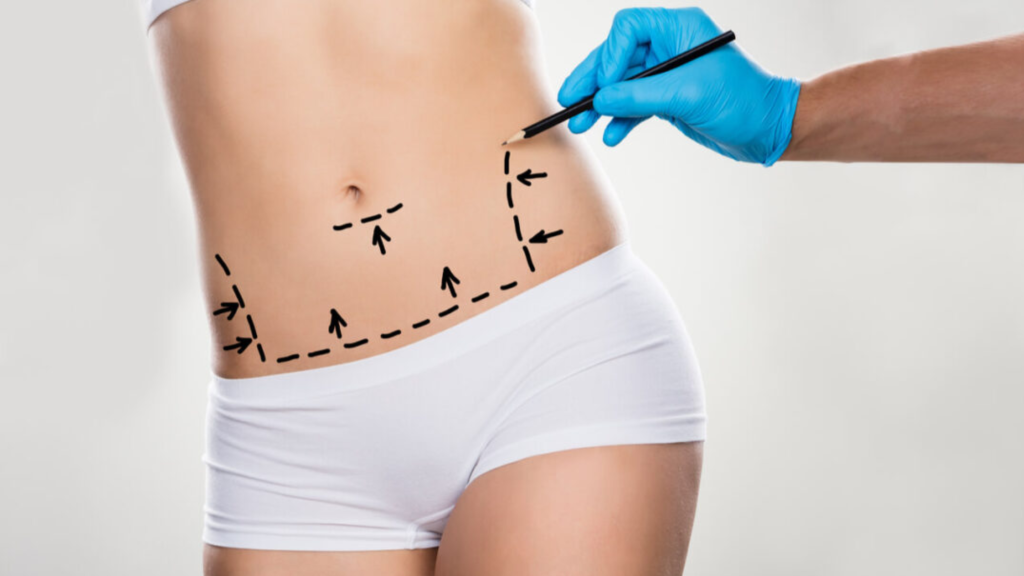
Table of Contents
1. Introduction to Fleur De Lis Abdominoplasty
2. Ideal Candidates for Fleur De Lis Abdominoplasty
3. Differences Between Traditional and Fleur De Lis Abdominoplasty
4. Preparing for Your Consultation
5. The Fleur De Lis Abdominoplasty Procedure
6. Recovery and Aftercare
7. Expected Outcomes and Results
8. Potential Risks and Complications
9. Cost Considerations
10. Alternative Procedures
12. Conclusion: Is Fleur De Lis Abdominoplasty Right for You?
Introduction to Fleur De Lis Abdominoplasty (Tummy Tuck)
Fleur De Lis Abdominoplasty is an advanced body contouring procedure that combines elements of a traditional tummy tuck with a vertical midline incision resembling a fleur-de-lis. This technique is particularly effective for patients who have experienced significant weight loss and have excess skin in both vertical and horizontal dimensions of the abdomen.
Ideal Candidates for Fleur De Lis Abdominoplasty (Tummy Tuck)
Ideal candidates for this procedure typically include:
– Individuals who have lost a substantial amount of weight
– Patients with excess skin in both vertical and horizontal planes of the abdomen
– Those with good overall health and realistic expectations
– Non-smokers or those willing to quit before surgery
It’s important to note that this procedure is more extensive than a traditional abdominoplasty and requires careful consideration.
Differences Between Traditional and Fleur De Lis Abdominoplasty (Tummy Tuck)
The main differences include:
– Incision pattern: Fleur De Lis includes a vertical incision in addition to the horizontal one
– Amount of tissue removed: Generally more extensive in Fleur De Lis
– Suitability for patients: Fleur De Lis is typically for those with more significant skin laxity
– Recovery time: May be longer for Fleur De Lis due to its more extensive nature
How do I prepare for my Fleur De Lis Abdominoplasty (Tummy Tuck) consultation?
When preparing for your consultation with Dr. Mohaghegh, consider:
– Bringing your complete medical history
– Preparing questions about the procedure, recovery, and potential risks
– Discussing your goals and expectations realistically
– Being ready to undergo a physical examination
Dr. Mohaghegh will provide a thorough evaluation to determine if this procedure is right for you.
What does the Fleur De Lis Abdominoplasty (Tummy Tuck) involve?
The procedure typically involves:
– Administration of general anaesthesia
– Creating a horizontal incision along the lower abdomen
– Making a vertical incision from the breastbone to the horizontal incision
– Removing excess skin and fat
– Tightening the abdominal muscles
– Repositioning the navel if necessary
– Closing the incisions
The surgery usually takes 4-5 hours, depending on the extent of the procedure.
What is the recovery and aftercare for a Fleur De Lis Abdominoplasty (Tummy Tuck)?
Recovery from Fleur De Lis Abdominoplasty generally involves:
– 2-3 weeks off work
– 6-8 weeks before resuming strenuous activities
– Wearing compression garments as directed
– Careful wound care and incision management
– Regular follow-up appointments with Dr. Mohaghegh
Full recovery can take several months, and following all post-operative instructions is crucial. The recovery timelines are based on the patient’s reaction to the operation.
What can I expect from a Fleur De Lis Abdominoplasty (Tummy Tuck), what are my expected outcomes?
While results can vary, patients can generally expect:
– Significant improvement in abdominal contour
– Removal of excess skin in both vertical and horizontal dimensions
– Enhanced waistline definition
– Improved overall body proportions
Maintaining a stable weight and healthy lifestyle is important to preserve long-term results.
What are the potential side-effects, risks, complications with a Fleur De Lis Abdominoplasty?
As with any major surgery, Fleur De Lis Abdominoplasty carries risks, including:
– Infection
– Poor wound healing
– Seroma (fluid accumulation)
– Numbness or changes in skin sensation
– Asymmetry
– More extensive scarring compared to traditional abdominoplasty
Dr. Mohaghegh will discuss these risks in detail during your consultation.
What is the cost and considerations when undergoing a Fleur De Lis Abdominoplasty?
The cost of Fleur De Lis Abdominoplasty can vary based on individual needs. Factors affecting cost may include:
– Surgeon’s fees
– Hospital or surgical facility costs
– Anaesthesia fees
– Post-surgery garments
– Prescriptions for medication
Dr. Mohaghegh’s team will provide a detailed cost breakdown during your consultation.
What are some alternative procedures to a Fleur De Lis Abdominoplasty?
Depending on your specific needs, alternatives might include:
– Traditional abdominoplasty
– Panniculectomy
– Liposuction
Dr. Mohaghegh can discuss whether these options might be more suitable for your goals.
Conclusion: Is Fleur De Lis Abdominoplasty Right for You?
Fleur De Lis Abdominoplasty can offer dramatic improvements for those with significant excess skin following major weight loss. However, it’s a complex procedure that requires careful consideration.
If you’re considering this procedure, we encourage you to schedule a consultation with Dr. Mohaghegh to discuss your goals and determine if Fleur De Lis Abdominoplasty is the right choice for you.
Remember, every surgical procedure carries risks. The information provided here is general in nature and does not constitute medical advice. For personalised information, please consult directly with Dr. Mohaghegh.
What are the next steps in booking a Fleur De Lis Abdominoplasty?
It is quite simple, get intouch with our team via phone or our contact form. We will be in touch with available time to book in a consultation.
Fleur De Lis Abdominoplasty: What Techniques Are Used In Fleur De Lis Abdominoplasty Surgery
Introduction
At Dr Mohaghegh Plastic Surgery in Sydney, we understand the challenges many individuals face with loose skin and stubborn fat deposits after significant weight loss or multiple pregnancies. Traditional abdominoplasty techniques often fall short in delivering the desired results, especially for those with excessive sagging above the belly button. This is where Fleur De Lis Abdominoplasty, also known as corset abdominoplasty, can make a world of difference.
Our renowned plastic surgeon, Dr Mohammad Mohaghegh, specializes in this advanced surgical technique, offering patients a comprehensive solution for achieving a smoother, more contoured midsection. With over 20 years of experience in surgery, Dr Mohaghegh and his team are dedicated to providing personalized care and exceptional results.
What is Fleur De Lis Abdominoplasty?
Fleur De Lis Abdominoplasty is a specialized surgical procedure designed to remove excess skin from both the upper and lower abdomen. This technique is particularly beneficial for patients with loose skin after massive weight loss or multiple pregnancies, as it addresses concerns that traditional abdominoplasty methods may not effectively target.
Unlike a standard tummy tuck, which primarily focuses on the lower abdomen, Fleur De Lis Abdominoplasty involves both horizontal and vertical incisions to tighten the skin across the entire abdominal area. It is important to note that this procedure is not intended for weight loss but rather to eliminate stubborn tissue that persists despite diet and exercise efforts.
Comparing Techniques: Fleur De Lis vs. Traditional Abdominoplasty
When considering abdominoplasty, it is crucial to understand the differences between Fleur De Lis and traditional techniques. While both procedures aim to improve the appearance of the abdomen, they vary in their approach and the extent of correction they provide.
Key Differences in Surgical Approach
The primary distinction between Fleur De Lis Abdominoplasty and traditional abdominoplasty lies in how they address excess skin. Fleur De Lis targets both vertical and horizontal skin laxity, making it an ideal choice for post-bariatric patients with significant loose skin. Traditional abdominoplasty, on the other hand, primarily addresses horizontal excess.
In terms of scarring, Fleur De Lis Abdominoplasty results in an inverted “T” shaped scar, while a standard abdominoplasty typically leaves a horizontal scar. Although the Fleur De Lis technique may result in more visible scarring, the benefits often outweigh this drawback, particularly for patients requiring extensive skin removal.
Benefits of Each Technique
Fleur De Lis Abdominoplasty excels in treating vertical skin excess, allowing for the removal of large amounts of redundant skin from the abdomen. This method is particularly advantageous for patients with central abdominal fat, as it can help achieve a slimmer, more contoured appearance.
Traditional abdominoplasty, while less extensive, remains a suitable option for individuals with less severe skin laxity. This technique focuses on removing loose skin and tightening underlying muscles, resulting in a flatter, more toned lower abdomen.
Ultimately, both procedures aim to enhance body aesthetics and boost patient confidence. The choice between Fleur De Lis and traditional abdominoplasty depends on the individual’s unique needs and goals, which Dr Mohaghegh carefully assesses during the consultation process.
Surgical Procedure of Fleur De Lis Abdominoplasty
The Fleur De Lis Abdominoplasty procedure begins with careful planning and precise markings on the patient’s skin. These steps are essential for ensuring optimal results and minimizing complications.
Pre-Surgical Markings
Pre-surgical markings are a critical aspect of Fleur De Lis Abdominoplasty, as they guide the surgeon during the procedure. These markings are typically made with the patient standing, allowing for accurate assessment of skin laxity and tissue removal.
A horizontal line is marked above the belly button, while a vertical “inverted V” is drawn along the midline of the abdomen. These lines serve as a roadmap for the surgeon, ensuring that the appropriate amount of skin and fat is removed and that the final contours are symmetrical and aesthetically pleasing.
Incision Patterns and Skin Removal
Fleur De Lis Abdominoplasty employs an inverted “T” shaped incision pattern, which consists of a vertical incision from the lower chest to the pubic area and a horizontal incision along the lower abdomen. This approach allows for the removal of significant amounts of excess skin, making it an ideal choice for patients with severe skin laxity.
By combining vertical and horizontal incisions, the surgeon can achieve more comprehensive contouring of the midsection. The excess skin is carefully excised, and the remaining tissue is repositioned to create a smoother, more natural-looking result.
Muscle Repair and Belly Button Repositioning
In many cases, Fleur De Lis Abdominoplasty also involves the repair of underlying abdominal muscles, particularly in patients with diastasis recti (separation of the rectus abdominis muscles). Tightening these muscles helps to improve the overall contour of the abdomen and provides additional support to the core.
As a significant amount of skin is removed during the procedure, the belly button often requires repositioning to ensure a natural-looking result. The surgeon carefully creates a new opening for the belly button, ensuring that it is placed in an aesthetically pleasing position that complements the patient’s new abdominal contours.
Recovery and Aftercare
Proper recovery and aftercare are essential for achieving the best possible results from Fleur De Lis Abdominoplasty. Patients should be prepared for a significant recovery period and follow their surgeon’s post-operative instructions closely.
Post-Surgery Hospital Stay
Following Fleur De Lis Abdominoplasty, patients typically remain in the hospital for 2-3 nights. During this time, the medical staff closely monitors the patient’s recovery, managing pain and ensuring that any swelling or bruising is within expected limits. Patients are encouraged to begin light walking the day after surgery to promote circulation and reduce the risk of complications.
Guidelines for Showering and Physical Activities
Most patients can resume showering 24 to 48 hours after surgery, taking care to keep the water at a comfortable temperature and avoid scrubbing the incision sites. It is essential to gently pat the incisions dry with a clean towel to minimize the risk of infection.
Patients should expect to take approximately 10-14 days off work to allow for adequate recovery. During this period, light activities are encouraged, but strenuous exercise and heavy lifting should be avoided for at least six weeks. This gradual return to normal activities ensures that the body has sufficient time to heal and reduces the risk of complications.
Compression Garments and Wound Care
Wearing compression garments for at least six to eight weeks after surgery is crucial for minimizing swelling and supporting the healing process. These garments help to prevent fluid accumulation (seroma formation) and maintain the desired contours of the abdomen.
Proper wound care is also essential for promoting healing and reducing the risk of infection. Dr Mohaghegh and his team may recommend advanced techniques, such as PICO negative pressure wound therapy, to keep the incisions clean and promote faster healing.
Conclusion
Fleur De Lis Abdominoplasty offers a specialized solution for individuals seeking to remove excess skin and achieve a more contoured midsection, particularly after significant weight loss or multiple pregnancies. As a surgeon with over 20 years of experience, Dr Mohaghegh emphasizes the unique benefits of this technique.
According to Dr Mohaghegh, the dual approach of horizontal and vertical tightening sets Fleur De Lis Abdominoplasty apart from other methods, making it highly effective for extensive skin removal. However, she also notes that this procedure may result in more visible scarring compared to simpler techniques, a factor that patients must carefully consider when weighing their options.
Safety is of utmost importance, and Dr Mohaghegh stresses that the procedure adheres to strict guidelines set by medical boards, ensuring that patients receive transparent information about potential risks and complications before undergoing surgery.
To successfully integrate this procedure into daily life, Dr Mohaghegh advises patients to be patient during the recovery process, wear compression garments as directed, and avoid strenuous activities to ensure a smooth healing process. While Fleur De Lis Abdominoplasty excels in significant skin removal, it is crucial for patients to have realistic expectations and discuss their goals thoroughly with their surgeon.
Ultimately, for those seeking a dramatic transformation that goes beyond the scope of traditional methods, Fleur De Lis Abdominoplasty can be a valuable option. By choosing a skilled and experienced surgeon like Dr Mohammad Mohaghegh at Dr Mohaghegh Plastic Surgery in Sydney, patients can feel confident in their decision to pursue this advanced technique for optimal results.
Extended Abdominoplasty: What Techniques Are Used In Extended Abdominoplasty Surgery
Introduction
At Dr Mohaghegh Plastic Surgery in Sydney, we understand the challenges many individuals face with loose skin and stubborn belly fat, especially after pregnancy or significant weight loss. Abdominoplasty, also known as a tummy tuck, is a surgical procedure designed to restore a firmer, more toned midsection. Dr. Mohaghegh has perfected various techniques to address your unique needs and help you achieve the results you desire.
Understanding Abdominoplasty
Abdominoplasty is a cosmetic surgery that improves the appearance of the abdomen by removing excess skin and fat while tightening the abdominal muscles. This procedure can help alleviate issues such as lax abdominal muscles, excess belly fat, and saggy skin around the waist. In addition to its aesthetic benefits, abdominoplasty may also address functional concerns like bladder weakness and constipation.
It’s important to note that abdominoplasty is not a weight loss procedure. The ideal candidates for this surgery are those who have significant abdominal wall laxity due to conditions like rectus diastasis, which cannot be resolved through diet and exercise alone.
Types of Abdominoplasty Techniques
At Dr Mohaghegh Plastic Surgery, we offer several surgical techniques to target different areas and concerns of the abdomen, ranging from minor skin removal to extensive reshaping.
Full Abdominoplasty
Full abdominoplasty involves a hip-to-hip incision below the navel and another around the belly button. During this procedure, Dr Mohaghegh tightens the abdominal muscles, removes excess skin, and eliminates fat to achieve a better contour. This technique is best suited for patients with significant extra skin in the lower abdomen.
Mini Abdominoplasty
For less severe cases, mini abdominoplasty focuses on the area below the navel, creating a smaller scar without the need for belly button repositioning. This procedure often incorporates liposuction to remove excess fat, reduces extra skin, and tightens loose muscles. Mini abdominoplasty is suitable for individuals with minor issues compared to those requiring full surgery.
Extended Abdominoplasty
Extended abdominoplasty involves an additional incision around the waistline to address severe sagging skin and loose muscles. This technique removes excess skin and fat from both the upper and lower abdomen, including the flanks, making it especially useful for those who have lost significant weight or had multiple pregnancies.
Reverse Abdominoplasty
Reverse abdominoplasty targets loose excess skin in the upper abdomen while sparing the lower muscles. Incisions are made along the lower breast fold, effectively hiding scars. This technique preserves blood supply around the belly button during surgery.
360° Body Lift
A 360° Body Lift improves the shape and tone of tissues supporting fat and skin by removing excess sagging fat and skin with extensive incisions. The incision length depends on the amount and location of excess skin. Liposuction may be part of this surgery to enhance contour, with results visible almost immediately and final outcomes developing over one to two years.
Choosing the Right Technique
Finding the best method for each individual depends on various factors, including body type, medical history, and personal goals. Dr Mohaghegh, will assess your suitability for abdominoplasty based on criteria such as:
– Body Mass Index (BMI): Ideal candidates usually have a BMI under 30 to minimize surgery risks.
– Medical history: We will discuss any health conditions like diabetes that may impact the procedure.
– Future plans: Significant weight loss or pregnancies should be delayed until after surgery to avoid complications.
– Existing anatomy: Your body shape plays a role in determining the appropriate technique based on excess skin, fat, and muscle tone.
During your consultation, we will provide tailored recommendations to help you make an informed decision about your treatment plan.
Consultation Process
Preparing for abdominoplasty surgery involves a detailed consultation where we walk you through each step to ensure you’re ready. This includes:
– Initial consultation with Dr.Mohaghegh to evaluate your health and discuss goals
– Lifestyle changes like quitting smoking and maintaining a balanced diet before surgery
– Scheduling multiple consultations to thoroughly review your case and address any doubts
– Medication review to avoid medicines that increase bleeding risks
– Mental preparation for this invasive procedure by addressing concerns or anxieties
Dr Mohaghegh Plastic Surgery offers consultations where a cost evaluation will help you understand the financial aspects of your surgery.
Recovery and Aftercare
After an abdominoplasty, patients typically stay in the hospital for at least 48 hours for wound monitoring and vital sign checks. For the first two weeks post-surgery, it’s important to focus on mobilization and performing easy activities to avoid complications like deep venous thrombosis and reduce strain on incisions.
Wearing compression garments for 23 hours a day for six to eight weeks is crucial to minimize swelling. Driving is unsafe for 2-3 weeks due to lingering anesthesia effects and discomfort, while swimming should wait until six to eight weeks post-surgery to prevent infection or poor healing.
Bruising, swelling, and initial difficulty standing are common but improve over time with proper care. Following your surgeon’s post-operative instructions closely is key to ensuring a smooth recovery and optimal results.
Conclusion
Abdominoplasty offers significant benefits for those seeking a flatter, firmer midsection. At Dr Mohaghegh Plastic Surgery, our experienced surgeon tailor each procedure to address your specific concerns, whether it’s removing excess skin and fat or tightening abdominal muscles.
We prioritize patient safety by complying with regulatory standards and ethical guidelines set by APRAH. Through transparent consultations, we help you make informed decisions about your treatment plan and provide comprehensive aftercare instructions to support your recovery.
If you’re considering an abdominoplasty to restore your core muscles or achieve your desired body contour, we recommend consulting with Dr. Mohaghegh for personalized advice based on a thorough physical examination. With our expertise and commitment to your well-being, we can help you achieve optimal outcomes on your journey towards improved abdominal health and aesthetics.
Exploring the Nuances of Ethnic Rhinoplasty
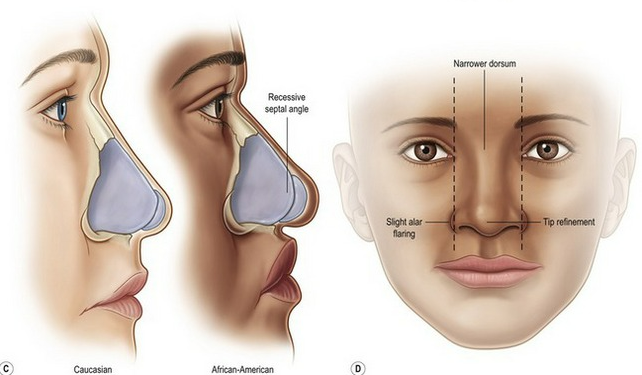
At Dr Mohaghegh Plastic Surgery in Sydney, we recognize the importance of preserving cultural identity and individuality in rhinoplasty procedures. Ethnic Rhinoplasty is a specialized surgical approach that aims to enhance the aesthetic and functional aspects of the nose while respecting and preserving the unique ethnic features of each patient. This article delves into the nuances of Ethnic Rhinoplasty, discussing the techniques used, the importance of cultural sensitivity, and how this procedure can address specific concerns such as thick skin, bulbous tips, and breathing issues, all while maintaining the patient’s ethnic heritage.
Ethnic Rhinoplasty (nose job) at a glance
Target Area: This depends on your nose shape and size, however could include; Bridge height and width, Nasal tip shape and projection, Nostril size and shape and/or Alar base width.
Time Off Work: 1 to 2 weeks, however this depends on your situation and healing.
Total Recovery: 3 to 6 months, however the timeline can vary depending on; the extent of the surgery changes, your healing rate and your ability to comply with post-operative care. Swelling will subside within 2 to 4 weeks, but subtle swelling can be seen up to 4 months post-operatively.
Scar Positioning: Depending on the surgical approach you can expect minor scaring. Different technies have different scars; Closed Rhinoplasty: no external scars, Open Rhinoplasty: a small scar on the strip between the nostril (this is not noticable), Alar Base Reduction: a small scar at the base of the nostril, hidden within the natural crease.
Introduction: Understanding Ethnic Rhinoplasty and its Importance
Ethnic Rhinoplasty enables individuals to accentuate features that are native to their ethnic background while managing complex aesthetic and medical issues. Whether you’re seeking subtle change or substantial transformation, this procedure can help improve the appearance of a nose while respecting cultural identity.
In this blog post, we will dive into the nuances of ethnic rhinoplasty so you can make an informed decision about your own potential procedure. Here, we discuss techniques used in ethnic rhinoplasty, choosing the right surgeon with credentials and experience as well as patient reviews on before-and after photos.
Read on to learn more about how successful Ethnic Rhinoplasty requires a nuanced approach!
Nuances of Ethnic Rhinoplasty
Ethnic rhinoplasty requires an understanding of cultural sensitivity, techniques to modify and tailor unique aesthetics, and management of patient expectations.
Cultural sensitivity and preserving ethnic identity
In ethnic rhinoplasty, it is crucial for surgeons to understand and appreciate the cultural nuances of patients. Respectful consideration of their ways of life and individual identities must be taken into account in order for successful results.
When seeking this type of nose job, each patient will have a unique vision not only about desired aesthetics but also about self-perception in relation to their ethnicity. A deep understanding of facial structure and proportion as well as careful handling are necessary when developing an appropriate surgical plan which can take into account unique ethnic features while still meeting the expectations set forth by the patient.
Avoiding an overly uniform Western”’ style look implores a responsible surgeon to guiding his or her patients through cosmetic decisions with utmost sensitivity surrounding factors such as ethnic identity, family heritage, tradition, race, and culture.
Tailoring the procedure to suit unique ethnic features
Ethnic rhinoplasty allows patients to embrace their unique ethnic features and obtain a more aesthetically pleasing shape without sacrificing their cultural identity. To achieve this, experienced plastic surgeons must consider the nuances of diverse facial structures when planning an individual’s procedure.
For example, Hispanic nose surgery may involve augmentation or enhancement techniques in order to highlight natural contours rather than reducing the overall size of the nose. In contrast, African American rhinoplasty typically includes more reduction than other types of procedures to refine thick skin and reduce bulbous noses while still maintaining natural character features such as ethnicity-specific nostril shapes.
Managing patient expectations and addressing breathing issues
Maintaining open communication between the surgeon and patient is essential for successful outcomes with ethnic rhinoplasty procedures. It is important that surgeons ensure their patients have realistic expectations about what can be achieved from the procedure, so they understand exactly what to expect after undergoing surgery.
This helps build trust between patients and surgeons which in turn will result in more satisfied customers with the overall outcome of ethnic rhinoplasty. In addition to managing expectations, another crucial aspect of ethinic rhinoplasty is addressing any potential breathing issues that could arise post-surgery.
As certain aspects of alterting facial structure or cartilage affect nasal airflow, it is important for both doctors and patients alike to recognize these implications prior to performing the operation as well as address them during follow-up visits afterwards in order to maintain maximum comfort and safety levels during recovery time.
Techniques Used in Ethnic Rhinoplasty
Surgeons typically use augmentation, reduction or refinement techniques to customize the procedure according to each patient’s unique needs and ethnic features.
Augmentation, reduction, and refinement
are three key techniques used in ethnic rhinoplasty to achieve a desired outcome. Augmentation is primarily focused on increasing the size and prominence of certain parts of the nose such as the nasal tip or bridge.
This technique can be performed by adding cartilage or tissue grafts, implants, or by using other materials such as fillers. Reduction helps resize an overly large nose that might result from earlier surgical procedures.
Cartilage and bone from underlying structures are removed to reduce the physical size of the nose while maintaining facial proportions. Refinement involves smoothing out bumps, straightening curves, reshaping nostrils, improving symmetry, and making subtle changes to give a natural look without altering ethnic features too drastically.
Dealing with thick skin and bulbous tips
When it comes to ethnic rhinoplasty, thick skin and bulbous tips are some of the challenges that surgeons must treat. Thick nasal skin can interfere with achieving the desired shape and definition in nose jobs, which is why ethnic rhinoplasty techniques focus primarily on enhancing the underlying cartilage structure to support thicker tissue.
To achieve a more refined appearance while preserving one’s unique features, the surgeon may use advanced methods such as augmentation, reduction and refinement. Augmenting involves gently sculpting or building up areas around the bridge or sides of the nose where there might be dips or hollows; reduction targets bulky sections by thinning them out so they match nearby sections better; and finally refinements help refine delicate lines in any affected area for greater detail.
Choosing the Right Surgeon for Ethnic Rhinoplasty
When selecting the right surgeon for ethnic rhinoplasty, patients should research and review a surgeon’s credentials and experience in dealing with different ethnic groups as well as prior patient results.
Credentials and experience
When it comes to ethnic rhinoplasty, the single most important factor when selecting a surgeon is credentials and experience. It is crucial for patients to ensure that their chosen healthcare professional has the necessary qualifications, certifications, and training in order to perform successful ethnic rhinoplasty procedures.
Patients should strive to find specialists who are familiar with various ethnic nose structures and understand how these variations affect surgery outcomes. Experienced surgeons with extensive knowledge of different cultural needs also offer invaluable guidance into medical expectations for each individual depending on their unique ethnicity.
In Turkey – where over half of all cosmetic plastic surgeries take place every year –certification by entities like the Turkish Medical Association or Psycho-Social Activities Authority (PSAA) is an essential requirement when it comes to performing rhinoplasties regardless of patient’s background in Australia seeking out highly experienced doctors such as Dr Mohaghegh FRACS would be able to deliver better results due higher levels of expertise Patient reviews and before-and-after photos
Patient reviews and before-and-after photos are valuable resources for potential patients considering an ethnic rhinoplasty. Reviews from past patients provide invaluable insights into the surgeon’s expertise, gauge their level of happiness with the results, and cast a light on any unforeseen issues or dissatisfaction.
Meanwhile, carefully selected before-and-after photos demonstrate the skill of a surgeon in crafting comprehensive nose jobs tailored to different facial features. Seeing what other people have achieved through surgery can help individuals make an informed decision about whether they wish to proceed with an ethnic rhinoplasty procedure which preserves their unique identity as well as improving small aesthetic flaws.
Getting a good idea of all possible outcomes can also put patient expectations into perspective.
Conclusion: Successful Ethnic Rhinoplasty requires a nuanced approach to enhance patients’ confidence and preserve their unique ethnic features.
Ethnic rhinoplasty is an incredibly nuanced procedure, requiring more than just a superficial understanding of the patient’s desired results. It requires a deeper knowledge of anatomy and cultural sensitivity to ensure that it preserves identity as well as provides transformative aesthetic improvement.
For many ethnicities, there are unique facial features which must be taken into account to ensure success in this type of surgery – features such as thick skin or bulbous tips have historically been difficult for plastic surgeons to address.
By utilizing techniques like augmentation, reduction, and refinement crafted specifically for each individual ethnicity, Dr Mohaghegh Plastic Surgery and other top surgeons can achieve exceptional outcomes while still preserving facial heritage and accentuating ethnic features when possible.
Apart from its physical benefits, Ethnic Rhinoplasty also helps boost self-confidence by allowing patients to take care of troubling aspects about their noses while staying true to their roots.
General Facts
- Ethnic rhinoplasty requires a deep understanding of facial anatomy and an appreciation for the cultural nuances of each patient’s ethnic background.
- Ethnic rhinoplasty can help preserve a person’s facial heritage.
- The success of ethnic rhinoplasty is based on a thorough understanding of the anatomical nuances of each ethnicity.
- Different types of ethnic nose jobs are offered by plastic surgeons to cater to the diverse needs of ethnic groups.
- Middle Eastern Rhinoplasty is a specialized approach that aims to preserve the ethnic identity of the patient while enhancing their appearance.
- Cultural identification and boosting self-confidence are among the top reasons why people seek out ethnic rhinoplasty.
- Ethnic rhinoplasty is a popular procedure in Australia, particularly in sydney.
- Before and after photos of ethnic nose jobs can provide a glimpse of the transformative results that can be achieved through rhinoplasty.
Facts about -Cultural sensitivity and preserving ethnic identity, Nuances of Ethnic Rhinoplasty
- Ethnic rhinoplasty is a specialized nose job procedure that takes into account and preserves the patient’s ethnic identity.
- A narrow focus on the “American nose” fails to consider the cultural nuances and diversity of patients seeking ethnic rhinoplasty.
- Ethnic rhinoplasty requires a deep understanding of facial anatomy and an appreciation for the cultural nuances of each patient’s ethnic background.
- Facial plastic surgeons must understand nasal aesthetics in the context of race, ethnicity, and culture when performing ethnic rhinoplasty.
- Ethnic rhinoplasty helps reduce imperfections or functional issues while respecting the patient’s heritage and specific ethnic features.
- There are ethical considerations surrounding cosmetic procedures, including issues of discrimination related to age, race, gender, and disability.
- Closed ethnic rhinoplasty is one technique used in ethnic nose job procedures.
- Patients may seek the best rhinoplasty surgeon for ethnic noses to ensure their specific needs and cultural nuances are understood.
- Ethnic liquid rhinoplasty is another approach to address specific concerns in ethnic rhinoplasty.
- Different nose shapes and types are considered in ethnic rhinoplasty, and surgeons need to be familiar with these variations.
Facts about -Tailoring the procedure to suit unique ethnic features, Nuances of Ethnic Rhinoplasty
- Ethnic rhinoplasty is a surgical procedure that aims to reshape the nose while preserving the unique ethnic features and characteristics of individuals from various non-Caucasian backgrounds.
- It is also referred to as an ethnic nose job and is specifically tailored to suit different cultural and shaped noses.
- The outcome of an ethnic rhinoplasty is highly dependent on the individual patient’s goals and unique characteristics.
- The techniques used in traditional rhinoplasty may not always be suitable for patients from diverse ethnic backgrounds.
- Ethnic rhinoplasty can include procedures such as Hispanic nose surgery, African American rhinoplasty, Middle Eastern rhinoplasty, and more.
- The goal of ethnic rhinoplasty is to achieve aesthetically pleasing results while preserving the patient’s cultural identity.
- Ethnic rhinoplasty is a specialized area of interest for plastic surgeons who have experience and expertise in working with diverse ethnic features.
- Patients seeking ethnic rhinoplasty often have specific concerns and desires regarding their nose shape and appearance, which are taken into consideration during the procedure.
- The art of ethnic rhinoplasty involves understanding the nuances of different ethnic features and tailoring the surgical techniques accordingly.
- Ethnic rhinoplasty can address concerns such as a wide nose, a prominent nasal bridge, or a lack of definition in the nasal tip, among others.
- Ethnic rhinoplasty procedures are performed by experienced nose surgeons in various locations such as London, Melbourne, Sydney, and Beverly Hills.
- Ethnic rhinoplasty aims to empower individuals by allowing them to embrace their unique ethnic features while enhancing their overall facial harmony through nose reshaping.
Facts about -Managing patient expectations and addressing breathing issues, Nuances of Ethnic Rhinoplasty
- Ethnic rhinoplasty, also known as an ethnic nose job, is a surgical procedure performed on individuals of non-Caucasian backgrounds.
- Patients who undergo ethnic rhinoplasty may experience adverse effects, including moderate difficulty breathing through the nose and tenderness.
- Many people opt for ethnic rhinoplasty for various reasons, such as cultural identification and boosting self-confidence.
- Surgeons performing rhinoplasty on individuals of African descent should be aware of the ethnic, cultural, anatomic, and surgical issues specific to this patient population.
- Ethnic preservation rhinoplasty is a specialized technique that enhances the appearance of the nose while respecting the patient’s cultural identity.
- Some potential complications of rhinoplasty include risks of death, long-term side effects, rejection, necrosis, breathing problems, and post-operative nose pain.
- It is crucial for surgeons to manage patient expectations and address breathing issues associated with ethnic rhinoplasty to ensure successful outcomes.
Facts about -Augmentation, reduction, and refinement, Techniques Used in Ethnic Rhinoplasty
- Ethnic rhinoplasty refers to a nose reshaping procedure performed on individuals of non-Caucasian ethnicities.
- It is a surgical challenge due to significant anatomical variability from the standard European nose.
- Ethnic rhinoplasty is not a one-size-fits-all procedure and takes into account various factors, including a patient’s ethnicity.
- The goal of reduction in ethnic rhinoplasty is to reduce the physical size of the nose by removing cartilage and bone from the underlying structures.
- Augmentation is another technique used in ethnic rhinoplasty, which involves adding or building up the nasal structures using cartilage grafts or implants.
- Refinement is an important aspect of ethnic rhinoplasty, aiming to achieve aesthetically appealing results while preserving the patient’s ethnic characteristics.
- Hispanic rhinoplasty often focuses on refining or elevating the nasal tip, reducing bumps on the bridge of the nose, and decreasing the size of the nostrils.
- African American rhinoplasty may involve a procedure called alar base reduction, where a small wedge of tissue is removed from the base of the nostrils to reduce their width.
- Ethnic rhinoplasty in London and the UK aims to achieve a better-defined nose with increased refinement.
- Alarplasty is a surgical technique used in ethnic rhinoplasty to decrease the width of the nostrils.
- Ethnic rhinoplasty is a nose job that seeks to improve and enhance the shape of the nose for different ethnic groups.
- Ethnic rhinoplasty is performed to achieve both functional and aesthetic improvements in the nose.
Facts about -Dealing with thick skin and bulbous tips, Techniques Used in Ethnic Rhinoplasty
- Thick skin is a common concern in rhinoplasty, particularly in ethnic rhinoplasty.
- Thick skin on the bulbous tip is a frequently encountered issue in rhinoplasty procedures.
- The benefit of thicker skin is that it can help minimize contour irregularities overlying the cartilage.
- Very thick skin in the nasal tip may not be suitable for rhinoplasty.
- Ethnic noses often have a thicker skin type, making it more challenging to achieve the desired shape and definition.
- Non-Caucasian noses are often characterized by relatively bulbous tips, which can be attributed to factors like thick skin.
- Techniques used in ethnic rhinoplasty do not focus on reducing the thickness of the nasal skin but rather enhancing the nasal cartilage to support the thicker skin.
- Rhinoplasty surgeons must consider the ethnic, cultural, anatomic, and surgical issues specific to patients of African descent.
- The healing time for rhinoplasty with thick skin may be longer.
- There is a search for natural methods to reduce thick skin on the nose.
- Ethnic rhinoplasty is also performed in Australia.
- Swelling is a common concern in rhinoplasty with thick skin.
Facts about -Credentials and experience, Choosing the Right Surgeon for Ethnic Rhinoplasty
- It is crucial to choose a surgeon with high credentials and experience when considering ethnic rhinoplasty.
- Dr. Mohaghegh, a plastic surgeon in Sydney, specializes in different types of ethnic nose jobs.
- The number of non-Caucasian patients seeking rhinoplasty is increasing as the United States becomes more racially and ethnically diverse.
- Certification by the appropriate associations is an essential factor to consider when selecting a rhinoplasty specialist.
- Understanding what ethnic rhinoplasty is can help in choosing the right surgeon for the best results.
- Ethnic rhinoplasty is one of the four most common cosmetic plastic surgeries in Turkey.
- Ethnic rhinoplasty is also popular in Australia, specifically in Sydney.
- The recovery process from ethnic rhinoplasty is generally smooth with a skilled and experienced surgeon.
Facts about -Patient reviews and before-and-after photos, Choosing the Right Surgeon for Ethnic Rhinoplasty
- Ethnic rhinoplasty focuses on preserving the facial heritage of different ethnic groups.
- The “Other-Race Effect” can influence visual attention and perception of attractiveness before and after rhinoplasty.
- Before and after photos of rhinoplasty patients can showcase the results achieved by different surgeons.
- Patient reviews provide valuable insights into the experiences and satisfaction levels of those who have undergone ethnic rhinoplasty.
- Finding the right surgeon is crucial for a successful rhinoplasty, and an extended face-to-face consultation is recommended.
- Revision surgery for ethnic rhinoplasty is often related to tip dissatisfaction.
- Ethnic rhinoplasty takes into account the unique anatomical and cultural features of patients from different ethnic backgrounds.
- Australia, particularly sydney, is known for its expertise in ethnic rhinoplasty.
- An ethnic nose job is similar to a conventional rhinoplasty but may involve specific tweaks to address ethnic characteristics.
- The anesthesia process for ethnic rhinoplasty is similar to that of a regular rhinoplasty procedure.
- Ethnic rhinoplasty can be performed to correct or improve the appearance and function of the nose.
- Septorhinoplasty, a combination of correcting the nasal septum and aesthetic nose surgery, is a common procedure associated with ethnic rhinoplasty.
Expert Advice on Rhinoplasty in Sydney

In Sydney, nose surgery, or rhinoplasty, is quite common. It can take 3 to 4 hours and you might need up to two weeks off work to recover. This surgery could cost between $12,000 and $20,000, depending on the certifications of the surgeon.
When picking a surgeon for this in Sydney, make sure they have learned a lot about this kind of surgery. You should look at their before and after pictures too. Some people choose not to have surgery but instead get treatments that can last from half a year up to three years.
Even though getting your nose done can make you feel happier with how you look, there are some risks like bleeding or infection.
Surgeons performing rhinoplasty in Sydney must be certified by the Royal Australasian College of Surgeons because they need special training.
Keep reading if you want to learn more about how to pick out the best surgeon for changing your nose shape!
Key Takeaways
- Choose a qualified surgeon for rhinoplasty in Sydney; look for those who are board-certified and trained in facial plastic surgery.
- Understand the types of rhinoplasty procedures available, including open and closed methods, and consider non-surgical options like fillers as alternatives.
- Be aware of potential risks that come with nose reshaping surgery such as bleeding, infection or breathing difficulties.
- Before deciding on surgery, review before and after photos to set realistic expectations about the changes to your nose’s appearance.
Understanding Rhinoplasty Surgery
Understanding Rhinoplasty Surgery involves delving into the intricate process of reshaping and refining the nose to enhance facial harmony. It’s an opportunity for individuals to address both aesthetic concerns and functional issues through a tailored surgical approach.
Restoring Natural Balance to the Face
Rhinoplasty surgery helps make the nose look better with your face. The goal is not just to change how the nose looks but to make it match well with other features on your face. For many, this means a more balanced look that feels right.
A skilled surgeon can shape your nose in a way that improves facial harmony. They work on things like size, width, and angles so everything fits together nicely. After surgery, people often notice their whole face seems more in sync.
Good rhinoplasty takes care of small details for big results. It’s about making changes that feel natural, not fake or overdone. When done by an expert, these changes can boost how you see yourself and give you new confidence.
Common Rhinoplasty Problems
Rhinoplasty can sometimes lead to issues. People often face common problems after nasal surgery.
- Bent nose: Sometimes after surgery, a person’s nose may not be straight. It could lean to one side which might need more work to fix.
- Boxy tip: The end of the nose might look square-shaped. This can happen if the cartilage is not shaped right during surgery.
- Broken noses: A nose might get broken again after it has been fixed. This can cause more pain and require another surgery.
- Bulbous nasal tip: The tip of the nose may be too round or large. This might make someone unhappy with how their nose looks.
- Hanging columella: The bit between the nostrils may hang down too far. This can make the underside of the nose look uneven.
- Hump removal issues: Taking out a bump on the nose bridge can lead to an uneven surface or a look that a person does not like.
- Inverted V deformity: After surgery, there may be an upside-down ‘V’ shape showing at the bridge of the nose. This shows that something didn’t go right with restructuring.
- Narrow nose: The nostrils or bridge could become too tight, making it hard for air to move through.
Specific Rhinoplasty Techniques
Moving from the issues people often want to fix, there are special ways surgeons can shape someone’s nose. These techniques include two main types: open rhinoplasty and closed rhinoplasty.
In open rhinoplasty, the surgeon cuts the nose to see everything clearly. This is good for big changes. Closed rhinoplasty has cuts inside the nose, so scars don’t show.
It works well for smaller tweaks.
Surgeons change bones or cartilage during these surgeries to make noses look better or improve function. They might take away some bone or cartilage or add to it to get the right shape.
Sometimes they even use non-surgical ways like fillers if only small changes are needed. Each way has its steps but always aims for natural-looking results that match each person’s face.
Alar Flare Reduction: What You Need to Know
Specific rhinoplasty techniques can greatly improve your nose’s look. Alar flare reduction is one such method, focusing on the nostrils. If you have a wide nose or flared nostrils, this surgery might interest you.
It changes the base of your nose to make it narrower and more balanced with your face.
Experts like Dr Mohaghegh in Sydney use alar base reduction to fix the size and shape of your nostrils. They cut out a small piece from where your nostril walls meet your cheeks.
This makes the nostrils smaller and less flared-up looking. People who want their nose to fit better with their other features often choose this procedure. Surgery results are shown in before-and-after photos so you can see what changes are possible.
Choosing a Rhinoplasty Surgeon in Sydney
Selecting the right surgeon for your rhinoplasty in Sydney is crucial, as their expertise and experience will significantly influence the outcome of your nose reshaping procedure; ensure you delve deeper to understand why credentials and portfolio matter.
Surgical Credentials and Qualifications
Picking the right rhinoplasty surgeon in Sydney is super important. Check their surgical credentials and qualifications carefully.
- Look for a surgeon with board certification. This means they passed special exams and met the high standards required to perform plastic surgery operations in Australia.
- Make sure your surgeon is trained through the Royal Australasian College of Surgeons. They need at least 8 years of study to be experts.
- Ask if your surgeon has specific training in ENT or facial plastic surgery. These areas focus on the nose and face.
- Find out how much experience they have with rhinoplasty.
- Review before and after photos of past surgeries the doctor did. It shows you what changes they can make.
- Ensure the surgeon knows about Australian plastic surgery rules. They should follow all safety laws.
- Confirm that the doctor keeps learning new things in their field. Medicine always changes and good surgeons keep up.
Before and After Photos
Looking at before and after photos can help you see what a nose job might do for you. These images share real stories of how he changes a patient’s nose to achieve the goal of the patient.
Dr Mohaghegh also shares his rhinoplasty gallery so patients like you can think about the changes they want. You get to understand how your face could change after surgery by seeing actual results from others who had their noses fixed.
Now, let’s talk about finding the best surgeon for your nasal surgery in Sydney.
What to Expect Before, During, and After Rhinoplasty
Preparing for rhinoplasty involves understanding the surgical process, managing expectations and being informed about recovery times; continue reading to navigate your journey with confidence.
Potential Risks and Complications
Rhinoplasty, like any surgery, can have risks. Some people might bleed a lot or get an infection. It can also hurt after the operation. Sometimes, the nose may swell too much or a hematoma (a swelling filled with blood) might happen.
Skin problems such as skin necrosis (when skin tissue dies) are rare but serious issues.
There are other concerns with nasal surgery too. You could feel different in your nose skin or find it hard to breathe through your nose. A hole might form in the nasal septum and this would need more surgery to fix.
Dr. Mohaghegh from Sydney says there are steps you can take to lower these risks during rhinoplasty. Make sure you pick a good surgeon and talk about all the possible complications before deciding on surgery.
This way, you’ll know what could happen and how likely it is.
Non-surgical Rhinoplasty Options
Non-surgical rhinoplasty is a quick way to shape your nose without surgery. Doctors use injectable fillers to change the look of your nose. This method can fix small problems like bumps or help make the nose fit better with the rest of the face.
It’s good because it doesn’t take long and you don’t need much time to get better afterwards.
You will see changes right away after getting this non-surgical nose job. Most people can enjoy their new nose look for 18 to 24 months.
Schedule a Consultation with Dr. Mohaghegh
Want to talk about getting a rhinoplasty? Dr. Mohaghegh is ready to help you. He’s an expert in nose-related surgeries in Sydney Australia. He can give you advice on how to make your face look nicer with a new nose shape.
At the consultation, Dr Mohaghegh will listen to what you want and look at your face closely. He’ll tell you what he can do for your nose to fix problems or change its shape so it fits your face better.
If you’re thinking about having a rhinoplasty, meeting with him is a great first step towards looking the way you dream of.
Conclusion
In Sydney, getting expert advice on rhinoplasty is key. Make sure you choose a top surgeon for your nose reshaping needs. Dr Mohaghegh is one of the best in Australia.
They can help you get the best results and care during recovery. Remember, a good doctor will guide you through each step of your nose job journey!