
Thigh Lift: What Techniques Are Used In Thigh Lift Surgery
Introduction
At Dr Mohaghegh Plastic Surgery in Sydney, we understand the challenges many individuals face with excess skin and fat on their thighs, especially after significant weight loss. Thigh lift surgery offers a transformative solution to reshape the thighs by removing unwanted tissue, improving not only the appearance but also alleviating physical discomfort such as chafing and skin irritation. Dr Mohaghegh has experience in various thigh lift techniques, tailoring each procedure to address your unique needs and goals.
Understanding Thigh Lift Surgery
Thigh lift surgery, also known as thighplasty, is a cosmetic procedure that removes excess skin and fat from the thighs, resulting in a smoother, firmer, and more contoured appearance. This surgery is particularly beneficial for individuals who have lost a significant amount of weight, as it addresses the common issue of loose, sagging skin that often accompanies dramatic weight loss.
Ideal candidates for thigh lift surgery are those who have maintained a stable weight, are in good overall health, and have realistic expectations about the procedure’s outcomes. Non-smokers are preferred, as smoking can impair healing and increase the risk of complications. A commitment to a healthy lifestyle, including proper nutrition and regular exercise, is essential for maintaining the results of your thigh lift surgery.
Techniques Used in Thigh Lift Surgery
At Dr Mohaghegh Plastic Surgery, we employ various techniques to achieve optimal results based on your individual needs and goals. The three main techniques used in thigh lift surgery are:
Medial (Inner) Vertical Thigh Lift
The medial thigh lift targets the inner thighs, removing excess skin and fat to create a more toned and contoured appearance. This technique involves horizontal and vertical incisions, which allow for the removal of tissue and the tightening of remaining skin. Dr Mohaghegh takes great care to preserve important anatomical structures, such as the great saphenous vein and femoral vessels, to ensure a safe and successful procedure.
Lateral (Outer) Thigh Lift
A lateral thigh lift focuses on the outer thighs, buttocks, and waist, addressing excess skin and fat in these areas. This technique may involve a longer operative time compared to other thigh lift procedures, and the complication rate is generally higher. However, with proper care and attention to detail, Dr Mohaghegh can achieve excellent results, leading to improved patient satisfaction and enhanced quality of life.
Mini Thigh Lift
For patients with mild to moderate skin laxity in the upper inner thigh area, a mini thigh lift may be the most appropriate option. This technique involves an incision in the groin area, specifically targeting sagging skin in the upper inner thigh. Recovery time for a mini thigh lift is typically shorter than more extensive procedures, with most patients able to return to normal activities within a few weeks.
Benefits of Thigh Lift Surgery
Thigh lift surgery offers numerous benefits for patients seeking to improve the appearance and comfort of their thighs. Some of the key benefits include:
Improved Contour and Shape
By removing excess skin and fat, thigh lift surgery can significantly improve the contour and shape of the thighs, creating a more toned and proportionate appearance. Dr Mohaghegh uses advanced techniques, such as the Liposuction-Assisted Medial Thigh Lift (LAMeT), to achieve optimal results while minimizing complications and preserving important anatomical structures.
Reduction in Skin Irritation and Chafing
Excess skin and fat in the thigh area can lead to painful chafing and skin irritation, especially during physical activities. Thigh lift surgery eliminates this excess tissue, reducing friction and alleviating discomfort. Many patients report a significant improvement in their quality of life following surgery, as they are able to move more freely and confidently without the constant irritation caused by excess skin.
Enhanced Comfort and Mobility
In addition to reducing skin irritation, thigh lift surgery can also enhance overall comfort and mobility. By removing the excess skin and fat that can hinder movement, patients often find that they are able to engage in physical activities with greater ease and confidence. This newfound comfort and mobility can lead to a more active and fulfilling lifestyle, contributing to improved overall well-being.
Conclusion
Thigh lift surgery is a transformative procedure that can help individuals achieve smoother, firmer, and more contoured thighs. As a surgeon with over 20 years of experience, Dr Mohaghegh emphasizes the importance of thorough consultation to determine the most appropriate technique for each patient’s unique needs and goals.
At Dr Mohaghegh Plastic Surgery, we prioritize patient safety and adhere to the highest ethical standards set forth by APRAH. Our team is committed to providing transparent, informative consultations to help you make an informed decision about your thigh lift surgery, ensuring that you have a clear understanding of the potential risks and benefits involved.
When considering thigh lift surgery, it is crucial to have realistic expectations and to be prepared for the recovery process. Dr Mohaghegh will provide you with detailed post-operative care instructions to ensure optimal healing and results. While the recovery time may vary depending on the extent of your procedure, most patients can expect to return to normal activities within several weeks.
If you are struggling with excess skin and fat on your thighs and seeking a solution to improve your comfort, mobility, and appearance, we encourage you to schedule a consultation with our experienced plastic surgeon at Dr Mohaghegh Plastic Surgery in Sydney. Together, we can develop a personalized treatment plan to help you achieve your desired results and embrace a more confident, comfortable, and active lifestyle.
Thigh Lift: How To Approach Before and After Surgery
Thigh Lift: At a Glance
Target Area: A thigh lift focuses on the inner and outer thighs, aiming to reduce excess skin and fat to achieve smoother, more contoured thighs.
Time Off Work: Patients typically need to take 1-2 weeks off work to allow for initial recovery and healing.
Total Recovery: Full recovery can take several weeks, with most swelling subsiding within 8-12 weeks.
Scar Positioning: Scars are strategically placed, often in the groine area or along the inner thigh, to be as discreet as possible
What is a Thigh Lift?
A thigh lift, medically known as thigh plasty , is a surgical procedure designed to reshape and contour the thighs by removing excess skin and fat.
This procedure is particularly beneficial for individuals who have experienced significant weight loss or have sagging skin due to aging. The goal of the surgery is to create smoother, firmer, and more proportionate thigh contours, enhancing the overall appearance of the legs.
A thigh lift can dramatically improve the upper part of the leg, reducing discomfort from chafing and improving the aesthetic profile of the thighs and buttocks.
Am I an Ideal Candidate for a Thigh Lift?
Ideal candidates for a thigh lift are individuals who are in good overall health, have maintained a stable weight, and possess realistic expectations about the surgery’s outcomes.
This procedure is especially suitable for those with sagging skin on the thighs due to weight loss or ageing. Non-smokers or individuals willing to quit smoking before and after the surgery are preferred, as smoking can impede healing and affect final results.
Candidates should have a positive outlook and specific goals for body contouring, understanding that while the procedure can significantly improve appearance, it may not achieve perfection.
How Do I Prepare for a Thigh Lift Consultation?
To prepare for a thigh lift consultation, gather your complete medical history, including any previous surgeries, current medications, and underlying health conditions.
During the consultation, discuss your goals and expectations with Dr Mohaghegh, and be prepared to ask questions about the procedure, recovery process, and potential risks. Dr Mohaghegh will likely provide pre-operative instructions, such as stopping certain medications and avoiding smoking, to optimise surgical outcomes.
It may also be helpful to bring ‘before’ photos to help plan the surgery and assess the results post-operation. Dr Mohaghegh will evaluate your skin elasticity, overall health, and specific areas of concern to develop a personalised surgical plan.
Is a Thigh Lift Right for Me?
A thigh lift may be right for you if you are bothered by excess skin and fat on your thighs, particularly if these issues have not responded to lifestyle changes.
Consider your motivations carefully to ensure they align with realistic expectations of the surgery’s outcomes. A thorough consultation with a qualified plastic surgeon will help determine if this procedure is suitable for your aesthetic goals.
Dr Mohaghegh will assess your overall health, skin condition, and specific areas of concern to determine the best approach for your thigh lift.
What Can I Expect from a Thigh Lift?
During the thigh lift procedure, the surgeon makes incisions in the groin area or along the inner thigh to remove excess skin and fat.
The remaining skin is then tightened and sutured to create a smoother contour. The surgery is usually performed under general anaesthesia and can take 2-4 hours, depending on the complexity of the case.
Liposuction also be used, to enhance the results by further contouring the surrounding areas. Patients can expect a comprehensive approach that addresses both the inner and outer thighs, resulting in a more harmonious and balanced leg contour.
What is the Recovery and Aftercare for a Thigh Lift?
Recovery from a thigh lift involves managing swelling and discomfort, which can be alleviated with prescribed medications. Patients are advised to wear compression garments to support healing and reduce swelling.
It is crucial to avoid strenuous activities and heavy lifting for the first 4-6 weeks. Follow Dr Mohaghegh’s aftercare instructions closely, which may include guidelines on physical activity, wound care, and follow-up appointments, to ensure proper healing and achieve the best possible outcomes.
Regular check-ups with Dr Mohaghegh will help monitor your progress and address any concerns during the recovery period. Full recovery can take several months, with most swelling subsiding within 6-8 weeks.
What Can I Expect from a Thigh Lift, What are My Expected Outcomes?
Patients can expect a significant improvement in the contour of their thighs, with a smoother and more toned appearance.
While some swelling and bruising are common initially, these symptoms should gradually subside over a few weeks. The results are generally long-lasting, provided you maintain a stable weight and a healthy lifestyle.
It is important to have realistic expectations and understand that while the thigh lift can significantly improve your appearance, it may not achieve perfection. The procedure aims to provide a natural enhancement, resulting in a more youthful and balanced appearance.
What are the Potential side effects, Risks, and Complications with Thigh Lifts?
Potential risks associated with a thigh lift include scarring, infection, bleeding, and changes in skin sensation. More serious complications, although rare, can include blood clots and issues related to anaesthesia.
It is essential to discuss these risks with Dr Mohaghegh and adhere to pre-and post-operative instructions to minimise complications.
Dr Mohaghegh will provide detailed information on how to recognise signs of complications and when to seek medical attention. By following Dr Mohaghegh’s advice and maintaining open communication, you can help ensure a smooth recovery and satisfactory results.
What are the Costs and Considerations When Undergoing a Thigh Lift?
The cost of a thigh lift can vary widely, with prices starting from $10,000 for surgeon fees.
Each quote includes surgeon and anaesthetist’s fees and hospital costs. This cost may increase if combined with other procedures. Some insurance plans may cover part of the cost if the surgery is deemed medically necessary, so it’s important to check with your provider.
Patients should also consider additional costs such as post-operative care, compression garments, and potential time off work when planning for the procedure. Discussing the financial aspects with Dr Mohaghegh’s office can help you prepare for the investment in your appearance.
Before and After Patient Photos – Thigh Lift
Before and after photos can provide a visual representation of the potential outcomes of the procedure.
These images are typically taken during the consultation process and are used to help set realistic expectations. Photos will only be shared with patient consent, in compliance with advertising guidelines.
Reviewing these photos can help you understand the potential results and discuss any specific concerns or goals with Dr Mohaghegh. Seeing the transformations of other patients can provide reassurance and confidence in your decision to undergo the procedure.
If you are interested in seeing before and after images please go to our dedicated gallery for body procedures.
Body Gallery: https://www.drmohaghegh.com.au/procedures/body
What are Some Types of Techniques Used for a Thigh Lift?
Techniques for a thigh lift may vary but generally involve making incisions in the groin area or along the inner thigh to remove excess skin and fat.
The choice of technique depends on the amount of excess tissue and the desired results. Liposuction is also used to enhance the outcome by further contouring the surrounding areas.
Dr Mohaghegh will discuss the most appropriate technique for your specific needs and goals during the consultation. Understanding the different techniques can help you make informed decisions about your surgery and its expected outcomes.
What are the Next Steps in Booking a Thigh Lift?
To book a thigh lift, schedule a consultation with Dr Mohaghegh. During this meeting, discuss your goals, undergo a physical examination, and review your medical history.
If you decide to proceed, Dr Mohaghegh will provide a detailed surgical plan and cost estimate. Ensure you understand all aspects of the procedure, including the risks, benefits, and recovery process, before committing.
Dr Mohaghegh will guide you through the preparation process and provide instructions to optimise your surgical experience. Taking the time to thoroughly research and prepare will help ensure a successful outcome and a positive experience.
Frequently Asked Questions About Thigh Lift
How long does the surgery take? The surgery typically takes 3-4 hours, depending on the complexity of the case.
Will I have visible scars? Scars are usually placed in less visible areas and tend to fade over time with proper care.
When can I resume normal activities? Most patients can return to normal activities within 6-8 weeks, following their surgeon’s guidelines.
Is the procedure covered by insurance? Coverage depends on medical necessity and individual insurance policies. It is important to check with your insurance provider to determine eligibility.
The Long-term Results of Open Septorhinoplasty
Have you ever heard of open septorhinoplasty? It’s a surgery that doctors do to fix and shape your nose. This kind of surgery is important because it not only makes people feel better about how they look but also helps them breathe easier.
People get this surgery for many reasons, and the results can last a long time.
The way your nose looks and works after this surgery is interesting. On average, patients who have had open septorhinoplasty are 73.25% happier with their noses later on. After the operation, it takes about 3 to 6 months for the nose tissues to settle down, but changes might happen even after 10 or 20 years!
Some studies show that people felt much better five years after they first got their noses fixed — However, there are some risks like bleeding problems which affect between 15-20% of patients.
And sometimes things don’t go as planned; in fact, only a few need another surgery because their problem wasn’t fixed the first time.
Swelling can stick around for up to a year afterward too Bad things happen rarely though—like infections or trouble with cartilage—but when they do, it can be serious.
Get ready; we’re going to tell you everything about fixing your nose — from picking the right doctor to healing nicely so you’re happy with your new nosey
Takeaways
- Open septorhinoplasty is a surgery for making the nose look better and help with breathing. It can fix the inner wall of your nose and change its shape on the outside.
- Self-care after the surgery is important for healing and keeping good results. This means protecting your nose from the sun, following doctor’s advice, and going to check-ups.
- Most people who have open septorhinoplasty feel happy about their choice years later because they breathe better and like how their noses look.
- There may be risks like swelling or infection after surgery, but doctors can usually handle these problems if they come up.
- Some folks might need another operation called revision septorhinoplasty to sort out any issues or make further improvements to their nose.
Understanding Septorhinoplasty
Septorhinoplasty, a surgical procedure designed to enhance both the function and form of the nose, involves precise alterations that can have significant long-term implications. By delving into its scope and evolving methods, we establish a foundation for comprehending its lasting impact on patients’ lives.
Definition and aim of the surgery
Open septorhinoplasty is a type of nose surgery. It fixes both the inside and outside parts of your nose. If you have trouble breathing or don’t like how your nose looks, this surgery might help.
Doctors cut the skin on your nose to see better. They can fix a bent part inside called the deviated septum. At the same time, they can make your nose look different on the outside.
This surgery has two big goals. First, it makes breathing easier by fixing the inside structure of your nose. Second, it changes the shape of your nose for a look you want.
Types of rhinoplasty procedures
Rhinoplasty is much more than just nose reshaping for a better look. It also helps people breathe easier by fixing structural problems.
- Cosmetic Nose Surgery: This surgery changes the nose’s shape to make it look better or more balanced with your face. People choose this to fix bumps, lumps, or a nose they think is too big or small.
- Functional Rhinoplasty: Sometimes parts inside your nose don’t work right and make it hard to breathe. This surgery fixes those parts so air can move through your nose easily. It’s not about looks; it’s about health.
- Septorhinoplasty: This combines two things – changing the outside of your nose and fixing the inside to help you breathe. It corrects septal deviation, which is a bent nasal septum that blocks airflow.
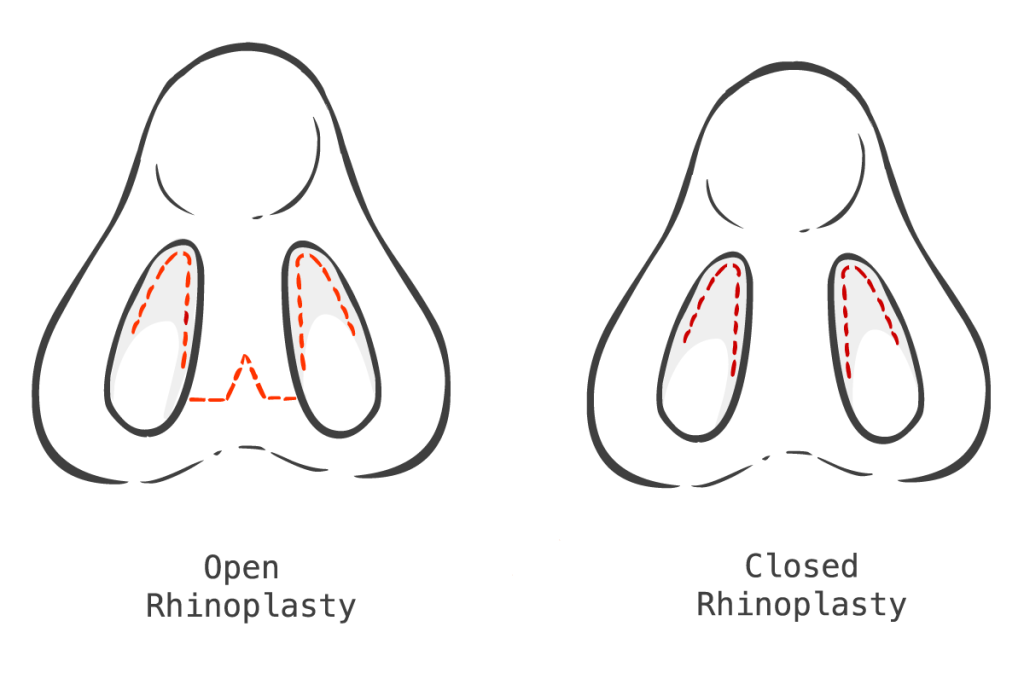
- Open Rhinoplasty: Surgeons cut under your nose so they can see and change the bone and cartilage without any block in view. They use this way when they need to make big changes or complex fixes.
- Closed Rhinoplasty: All cuts are made inside the nostrils here, so there are no clear scars. Surgeons pick this way for smaller changes because it leaves less swelling afterwards.
Changes to laws and regulations
Governments make rules to keep patients safe. These rules also change how doctors do surgeries like septorhinoplasty. Some new rules might involve better checks on the doctor’s skills and make sure they tell you all about your surgery before it happens.
They make sure that any changes needed for nasal breathing or fixing a nasal obstruction are done right. Also, if something goes wrong after a septorhinoplasty, there are laws to help patients.
Doctors always need to stay updated with these laws. This helps them give the best care and follow the newest standards for functional rhinoplasty and cosmetic rhinoplasty. Now let’s see what experts say about getting this kind of nose surgery done.
Expert Advice on Septorhinoplasty
Surgeons who are experts in nose reshaping surgery say it’s important to have realistic hopes. A good surgeon will tell you how your nose might look and work better after the surgery.
They know that each person is different, so they plan the best way to fix their nose. It’s not just about looking better but also about breathing right.
Choosing a skilled surgeon for nasal reconstruction is key. These doctors study for many years to learn how to do surgeries like septorhinoplasty well. They will check your health, talk with you about what you want, and explain the risks before they operate on your nose.
This helps make sure you get a safe and good result from your surgery.
After nasal airway surgery, taking care of yourself helps you heal fast and well. The expert advice includes resting lots, keeping your head up, and avoiding hard exercise for 4-6 weeks.
Follow all the care tips your doctor gives you to help your new nose shape settle in nicely over time.
Considerations Before Undergoing Septorhinoplasty
Before committing to septorhinoplasty, patients must thoroughly evaluate key factors such as the surgeon’s expertise and their health status to ensure a safe and successful outcome.
Continue reading to explore these critical considerations in detail.
Qualifications of the medical practitioner
Choosing the right doctor for nasal surgery is very important. Look for a surgeon who knows a lot about noses and how to change them safely. This person should have done lots of these surgeries before and should be good at both making noses work better and look the way you want.
Make sure your surgeon has studied facial plastic surgery or ear, nose, and throat (ENT) specialties. They need to have a certificate that shows they can do cosmetic surgery or facial reconstructive surgery well.
You can ask them how many rhinoplasty surgeries they’ve done and see pictures of their past work.
Talk with more than one surgeon before you decide who will do your operation. A good surgeon will help you understand what they can do for your nose, what risks there might be, and how it all happens during surgery.
Getting advice from another qualified health practitioner is also wise. It will give you confidence in your decision to go ahead with septorhinoplasty if that’s what you choose.
Current medical status
Before you think about getting septorhinoplasty, look at your health right now. Your doctor will want to know if you have any problems that could make the surgery hard or unsafe. For example, if you’re dealing with a deviated septum, breathing troubles or nasal obstruction, these issues might affect how your surgery goes and what kind of healing plan is needed after.
If you have issues with the function of your nose like snoring or stuffiness, surgery might help. But it’s key to talk with your doctor first. They can check out all the options with you.
This includes medical therapy choices that don’t involve surgery. If other treatments haven’t worked for you in the past, then septorhinoplasty may be a good step to improve how well you breathe and how your nose looks.
Just remember that every person heals differently and there could be risks like bleeding complications during recovery.
Potential complications
Rhinoplasty can sometimes lead to problems. After your nose surgery, you might notice swelling or get a bump filled with blood called a hematoma. An infection could happen where you had the operation, and in rare cases, the skin around your nose might die (skin necrosis).
These issues are serious and need care right away.
Some people who have this surgery face other troubles like heavy bleeding or bad scars. Your nose might not work as well after surgery, which is a functional issue. You also may not be happy with how it looks (aesthetic concern).
Plus, there’s always a chance of blood clots with operations like this. It’s important to know about these risks before deciding on getting rhinoplasty.
Alternatives to rhinoplasty
Nose surgery can change how you breathe and look. But there are other ways to fix nasal issues without rhinoplasty.
- Septoplasty is one choice if you have a deviated septum causing trouble breathing. This surgery straightens the wall inside your nose.
- If your nose feels blocked, using a nasal steroid and saline spray might help. These sprays reduce swelling and clear up congestion.
- Sometimes just fixing the outer part of your nose won’t help with breathing. A doctor may suggest changing the inside with septoplasty alone.
- Some people find relief with breathing strips worn at night. These strips open up nasal passages for better airflow.
- Allergy treatment can also improve nasal obstruction from swollen tissues in your nose due to allergic reactions.
- For minor issues, doctors could recommend lifestyle changes like using a humidifier or quitting smoking to improve nasal airway conditions.
What to Expect During and After Surgery
Delve into the journey of septorhinoplasty, from the intricacies of the operating theatre to navigating the post-operative care, as we reveal how this transformative procedure unfolds and its enduring impact on form and function.
The rhinoplasty procedure
Having a nose job, or rhinoplasty is a big step. It can change how your nose looks and help you breathe better. Here’s what happens during and after this surgery:
- Doctors plan the surgery carefully. They look at your nose and decide what needs to change.
- You go to sleep with medicine so you won’t feel pain during the operation.
- The surgeon cuts the skin of your nose or inside it.
- They shape the bone and cartilage under your skin to make your nose look different.
- If needed, the doctor fixes the wall inside your nose that separates the two airways. This is called septum surgery.
- After shaping everything, they close up the cuts with stitches.
- You rest in a recovery room until you wake up from the sleeping medicine.
- Nurses check on you to make sure you’re okay.
- Your nose might have a cast or bandages to keep its new shape while it heals.
- For several weeks, your nose feels stuffy and swollen inside and out.
- You must be gentle when washing your face and avoid bumping your nose.
- You go back to see the doctor for them to remove any outside stitches and check on healing.
- Swelling goes down slowly, and you start seeing the real shape of your new nose.
- Breathing often gets easier if changes are made to it.
- The shape of your new nose should last for many years.
- Sometimes, people need another surgery if they want changes later on or if something doesn’t heal right.
Immediate recovery and potential complications
Right after your nasal surgery, you might feel some pain and see redness or swelling. Your nose and the area under your eyes could look bruised. This is all part of the healing process.
To handle the pain, doctors will give you medicine.
Sometimes, things don’t go as planned. You could have more swelling than usual, blood collecting where it shouldn’t (hematomas), skin dying (skin necrosis), or an infection at the site.
If you bleed from your nose a lot (epistaxis), find a hole in your septum (septal perforation), notice too much puffiness (edema), or get lots of bruises that spread out (ecchymosis) these are short-term problems that can happen after rhinoplasty.
If any of this happens to you, tell your doctor right away so they can help fix it.
Long-term outcomes and potential changes
After your septorhinoplasty, you’ll need to be patient because the final results take time. For the first year or so, your nose might swell up now and then. This is normal and part of healing.
The swelling goes down slowly and your nose shape gets better over many months.
Your nose keeps on changing even after it seems healed from surgery. Cartilage and skin may shift a bit as they settle into place. It can be more than a year before everything stops moving and you see the true long-term look of your new nose.
Taking care of yourself after surgery helps get the best results in how your nose works and looks. Moving on to self-care will guide you through what steps to take for lasting great results with your new nose shape.
Self-care and Long-term Results
Adhering to post-operative self-care instructions is crucial for ensuring the enduring success of an open septorhinoplasty, as it influences both the functional and aesthetic longevity of the results.
Importance of self-care after surgery
Taking good care of yourself after nose surgery is key for healing well. Right actions and habits help your nose look and work its best in the long run. Staying out of the sun is important because too much sunlight can hurt the skin on your new nose and can result in slow healing.
You need to go back to see your doctor so they can check on how you’re doing.
Good self-care also means less chance you’ll need more surgery later. It’s about keeping track of changes, being safe, and getting better without trouble. Trust that looking after yourself will make a big difference in how you feel and look as time goes by.
Long-term functional and aesthetic results
Caring for yourself after surgery helps you heal and keeps your nose looking good for a long time. The shape of your nose may get better over weeks or months. Your breathing might get easier too.
Some people see these changes right away, but it can take up to a year for others.
Doctors have found that most people are happier with their noses after this kind of surgery. They feel better about how they look and breathe more easily. Still, some might need another small surgery to make things just right.
It’s important to go back to your doctor for check-ups, so they can see how you’re doing.
You should know, that studies show that years later, people who had their noses fixed usually still like the results and feel good about their choice. This is great news if you’re thinking about getting this surgery done!
Possible need for revision surgery
Sometimes the first nose surgery may not work out as planned. You might need another operation to fix problems or improve how your nose looks. This second surgery is called revision rhinoplasty.
It doesn’t happen a lot, but some things could make you more likely to need it.
Things like infection or your body not accepting an implant can lead to needing this extra surgery. The main reason someone might get it is if their septum, which divides the two sides of the nose, wasn’t straightened properly the first time around.
Good self-care after your first surgery can help lower these risks.
If you had sinus problems and got them treated with endoscopic sinus surgery (ESS), you might be in luck; these folks often don’t need any more nose jobs.
Now let’s talk about taking care of yourself for good long-term results after getting your nose fixed.
Conclusion
In the end, open septorhinoplasty can make breathing easier and improve how your nose looks for many years. You must care for your nose after surgery to help with healing. If problems happen, doctors can often fix them.
For more detailed guidance tailored to your specific circumstances, read our expert advice on septorhinoplasty from Sydney’s leading specialists.
If you’re interested in an open septorhinoplasty, please contact our clinic to schedule a consultation.
The Candidates Best Suited for Combined Septo-Rhinoplasty Surgery

Septorhinoplasty surgery offers a comprehensive solution for individuals experiencing breathing difficulties due to a deviated septum or those seeking to improve the aesthetic appearance of their nose. This combined procedure, performed by experienced plastic surgeons like Dr. Mohaghegh in Sydney, addresses both functional and cosmetic concerns in a single operation. By merging septoplasty, which corrects septal deformities and improves nasal airflow, with rhinoplasty, which enhances the appearance of the nose, patients can achieve significant improvements in both breathing function and aesthetics. This article provides an in-depth look at septorhinoplasty surgery, including its benefits, the procedure itself, and what to expect during recovery, helping you make an informed decision about this transformative surgery.
Key Takeaways
- Combined septorhinoplasty surgery is recommended for individuals with chronic sinusitis, breathing difficulties, or a deviated septum.
- This procedure offers both functional improvements, such as improved nasal airflow and reduced snoring, as well as aesthetic enhancements.
- By choosing an experienced plastic surgeon who specialises in nasal surgery, patients can achieve optimal results and address both functional and cosmetic concerns in a single procedure.
Understanding SeptoRhinoplasty Surgery
Septo-rhinoplasty is a surgical procedure that aims to improve both the function and appearance of the nose, often addressing issues with breathing caused by a deviated septum.
What is septo-rhinoplasty?
Septo-rhinoplasty is a surgical procedure that merges two operations: rhinoplasty and septoplasty. A plastic surgeon with expertise in both areas, such as Dr Mohaghegh in Sydney who performs this surgery to enhance not only the appearance of the nose but also its function.
This combined approach targets aesthetic concerns while simultaneously addressing breathing issues caused by a deviated septum. Furthermore, septo-rhinoplasty can rectify nasal deformities and improve airflow through the nose, providing patients with an improved quality of life post-surgery.
Recovery times do vary, typically involving some swelling and bruising during the initial weeks following surgery with optimal results becoming apparent after several months.
Benefits of surgery
Undergoing a septo-rhinoplasty surgery under the capable hands of a skilled plastic surgeon like Dr Mohaghegh offers several advantages.
- Enhanced Breathing: This surgery aims to improve your ability to breathe by correcting nasal deformities.
- Reduced Health Problems: Septoplasty can help mitigate common nose problems such as sinus infections, headaches, and complications associated with restricted breathing.
- Aesthetic Improvements: Combining this procedure with cosmetic rhinoplasty can enhance the overall appearance of your nose.
- Minimised Snoring: By resolving issues related to nose structures, you may experience reduced snoring incidence.
- Less nosebleeds: Septo-rhinoplasty can notably decrease the frequency of nosebleeds for many people.
- One-Time Recovery: Opting for a combined approach reduces your need for multiple recoveries from separate surgeries.
Alternative procedures
Beyond septo-rhinoplasty, there are other treatment options you might consider. These procedures tackle various nasal issues and can be an alternative depending on your specific situation:
- Non-surgical rhinoplasty: This involves the use of injection-based treatments to alter the shape of your nose temporarily.
- Balloon Sinuplasty: A minimally invasive procedure, helpful for those with recurring sinusitis.
- Turbinate Reduction: It aims at reducing nasal obstruction by shrinking the size of your turbinates.
- Traditional Rhinoplasty: This option focuses solely on altering the aesthetics of your nose without addressing any functional issues.
- Revision Surgery: Dr Mohaghegh Plastic Surgery often recommends this approach when initial surgery doesn’t yield desired results or causes additional complications.
Procedure and Preparation
The combined septo-rhinoplasty surgery involves addressing both the functional and aesthetic aspects of the nose. The procedure typically begins with correcting any deviations in the nasal septum, followed by reshaping the external structures to improve appearance and function.
Patients will need to undergo a thorough examination and preparation process before being cleared for surgery, which may include blood tests, imaging scans, and discussion of potential complications.
Details of the combined surgery
The combined septo-rhinoplasty surgery occurs under general anesthesia with the operation usually taking between one to four hours. Plastic surgeons, like Dr Mohaghegh in Sydney, use either an open or a closed surgical technique depending on each patient’s needs and severity of nasal deformity.
In this complex procedure, they first address structural abnormalities that cause breathing difficulties by correcting septal deformities which enhance the nasal airway function. Next, reshaping of the nose takes place to improve aesthetics by altering nasal bones, cartilage, and soft tissues for appealing cosmetic results.
This comprehensive approach allows for simultaneous correction of both functional issues related to breathing and aesthetic concerns about the shape and size of the nose. With all these internal tweaks and external modifications performed in one sitting, patients avoid multiple surgeries hence saving time and recovery periods while achieving improved functionality with desiring looks.
Preparing for the operation
A successful septo-rhinoplasty surgery requires diligent preparation, ensuring the best possible results for patients. Here are some steps to follow:
- Seek advice from Dr Mohaghegh, a renowned plastic surgeon based in Sydney.
- Prioritise open communication with your surgeon about expected outcomes.
- Develop realistic expectations of the post – surgery results keeping in mind that actual results may vary.
- Strictly adhere to pre-op instructions provided by your plastic surgeon – this can involve dietary changes or medication adjustments.
- Arrange for someone responsible to drive you home post – surgery; you will not be able to do so yourself due to anaesthesia effects and post-operative medication.
- Prepare for the recovery period by setting up a comfortable and quiet space at home where you can rest and heal without interruptions.
- Plan and prepare meals ahead of time as cooking might not be feasible during initial recovery days.
Potential complications
Undergoing a combined septo-rhinoplasty surgery comes with the possibility of certain complications. It is crucial to be aware of these risks prior to your procedure.
- Risks from anaesthesia may occur, which can include adverse reactions or complications.
- Heavy bleeding might happen during or after the surgery.
- There is a small risk of infection, particularly in the weeks following surgery as your body heals.
- Infections pose serious concern. These can turn life – threatening when sinus surgery and rhinoplasty are conducted together.
- Post – surgery, you might experience a change in skin sensation around the nasal area.
- Breathing difficulties could arise due to internal swelling or blockage.
- Mild to severe septal perforations in patients who have undergone septo-rhinoplasty might revealed by Rhinoscopy
- Septal perforation after septoplasty could lead to nasal obstruction, disrupting normal breathing patterns.
Benefits of Combined Septo-Rhinoplasty
Combined septo-rhinoplasty offers significant benefits, including improved breathing and enhanced aesthetics. Find out how this procedure can provide a single recovery period and long-lasting results.
Addressing breathing issues
Combined septo-rhinoplasty surgery directly tackles common breathing problems such as nasal airflow obstruction and sinus infections. By skillfully repositioning or eliminating the deviated part of your nasal septum, Dr Mohaghegh enhances not only your ability to breathe but also improves overall nasal function.
This type of plastic surgery performed in Sydney can effectively put a stop to snoring that disrupts sleep, easing nights for both you and your loved ones. For those who have undergone reduction-rhinoplasty and are encountering new breathing disturbances, revision via septo-rhinoplasty may prove beneficial.
Improved function and aesthetics
Combined septo-rhinoplasty surgery offers significant improvements in both nasal function and aesthetic appearance. This procedure is particularly well-suited for individuals who require correction of functional issues, such as septal deformities, as well as addressing cosmetic concerns.
By combining septoplasty, which corrects septal deformities and improves nasal airflow, with rhinoplasty to enhance the appearance of the nose, patients can achieve comprehensive benefits.
The surgical approach for combined septo-rhinoplasty takes into consideration the close relationship between the nasal septum and the aesthetics of the nose. This advanced approach ensures that not only is nasal function improved but also that any changes made to the structure of the nose are harmonious with its overall appearance.
By undergoing this single surgery, patients benefit from simultaneous improvement in both functionality and aesthetics. It eliminates the need for separate surgeries while providing a more efficient recovery period.
Single recovery period
Septo-Rhinoplasty surgery has the advantage of only requiring one recovery period for both functional and cosmetic aspects. This means that patients can save time and avoid the hassle of going through separate recovery processes for Rhinoplasty and Septoplasty surgeries.
It’s important to note that getting both procedures done at once does not result in any additional recovery time compared to having them separately, making it an efficient option for those looking to improve both breathing function and aesthetics.
Synergy in results
Combining septo-rhinoplasty surgery offers an exciting synergy of results for patients. By addressing both functional and aesthetic issues in one procedure, patients can enjoy a more balanced and proportionate nose that not only looks attractive but also functions better.
The combination of septoplasty and rhinoplasty allows the surgeon to optimise the outcome, ensuring that both form and function are improved simultaneously. This means that as you heal from the surgery, you will experience enhanced breathing ability along with a more aesthetically pleasing nose.
Plus, by undergoing a single recovery period rather than separate surgeries, you can save time and minimise any potential risks associated with multiple anaesthesia administrations.
Avoiding future surgeries
Combining septoplasty and rhinoplasty surgeries can potentially eliminate the need for additional surgeries down the road. By addressing both functional issues, such as breathing difficulties, and cosmetic concerns in a single procedure, patients can enjoy long-lasting improvements to their nasal appearance.
This means less time spent undergoing surgery and recovering, with the added benefit of achieving optimal results from just one operation. Choosing combined septo-rhinoplasty may be an effective way to avoid future surgeries and maximise the benefits of nasal surgery.
Who is an Ideal Candidate for Septo-Rhinoplasty?
Discover if you are the perfect candidate for septo-rhinoplasty and learn about the potential benefits and expected results of this combined surgery.
Qualified surgeon recommendation
To ensure the best outcome for your septo-rhinoplasty surgery, it is crucial to choose a qualified surgeon. This procedure is usually performed by plastic surgeons who specialse in rhinoplasty.
They have the necessary expertise and experience to address both functional and aesthetic concerns of your nose. By selecting a skilled surgeon like Dr Mohaghegh Plastic Surgery in Sydney, you can minimise risks and increase the likelihood of achieving your desired results.
Trusting an experienced professional will give you peace of mind throughout the entire process.
Minimising risks
To minimise risks associated with septo-rhinoplasty surgery, it is crucial to choose a qualified plastic surgeon like Dr Mohaghegh. By selecting an experienced and skilled specialist, you can increase the chances of a successful procedure and reduce the likelihood of complications.
Additionally, thorough research and gathering information from reliable sources are essential for anyone considering cosmetic surgery. It’s important to be aware that all surgeries, including septo-rhinoplasty, carry risks, so understanding potential complications beforehand is vital.
Patients should also consider their individual health conditions, as certain factors such as diabetes may increase the risk of complications during surgical procedures like rhinoplasty.
Expected results
Septo-rhinoplasty surgery can have a significant impact on both the function and aesthetics of your nose. After the procedure, you can expect improved breathing if you previously experienced difficulty with airflow.
Additionally, this combined surgery can address cosmetic concerns such as a deviated septum, unevenness, or a nose hump. By choosing an experienced plastic surgeon like Dr Mohaghegh, you increase your chances of achieving the desired results from your septo-rhinoplasty.
Remember to have realistic expectations about what can be accomplished through this surgery to ensure satisfaction with the outcome.
Patient experiences
Patients who undergo septo-rhinoplasty often report an improvement in their overall quality of life. Not only does the surgery address breathing issues and improve nasal function, but it also enhances the aesthetic appearance of the nose.
Furthermore, patients benefit from a single recovery period and avoid the need for future surgeries. By choosing a qualified surgeon and following preoperative instructions, individuals can minimise potential risks and achieve desired results.
Overall, patient experiences highlight the positive impact that combined septo-rhinoplasty surgery can have on both physical health and self-confidence.
Final considerations
Before undergoing combined septo-rhinoplasty surgery, it is crucial to consider a few important factors. Firstly, patients should have realistic expectations about the results of the procedure.
While this surgery can greatly improve both function and aesthetics of the nose, it’s essential to understand that there are limitations to what can be achieved. Secondly, patients should ensure they are in good overall health before going ahead with the surgery.
It is also vital to select a qualified plastic surgeon who specialises in septo-rhinoplasty procedures for optimal results. Finally, patients must communicate their desired outcomes clearly during consultations with their surgeon in order to minimise any risks or complications.
Conclusion
Candidates best suited for combined septo-rhinoplasty surgery are those who struggle with chronic sinusitis, breathing difficulties, or a deviated septum. This procedure offers both functional and aesthetic improvements, allowing patients to address nasal issues in one comprehensive surgery.
By choosing an experienced plastic surgeon specialising in nasal surgery, patients can undergo this transformative procedure with confidence and achieve optimal results.
FAQs
1. Who is a good candidate for combined septo-rhinoplasty surgery?
Candidates who have both functional issues with their nasal septum, such as difficulty breathing, and aesthetic concerns regarding the shape or size of their nose may be suitable for combined septo-rhinoplasty surgery.
2. Is age a factor in determining candidacy for combined septo-rhinoplasty surgery?
Age is not the sole determining factor, but candidates should generally be at least 15-16 years old to ensure that their facial growth has stabilised before undergoing the procedure.
3. Can I undergo combined septo-rhinoplasty if I have previously had nasal surgeries?
Previous nasal surgeries may impact your candidacy, so it’s best to consult with a qualified surgeon who can assess your specific situation and determine if you are still eligible for combined septo-rhinoplasty.
4. Are there any medical conditions that could affect my eligibility for combined septo-rhinoplasty?
Certain medical conditions, such as uncontrolled high blood pressure or bleeding disorders, might affect your eligibility for surgery. A thorough evaluation by your surgeon will help determine if you are medically fit to undergo the procedure.
5. What factors should I consider before deciding on combined septo-rhinoplasty?
Before deciding on this surgery, it’s important to have realistic expectations about the potential outcome and understand the recovery process involved. It is also crucial to choose an experienced surgeon whom you trust and feel comfortable with.
The Benefits of Having a Plastic Surgeon Remove Moles
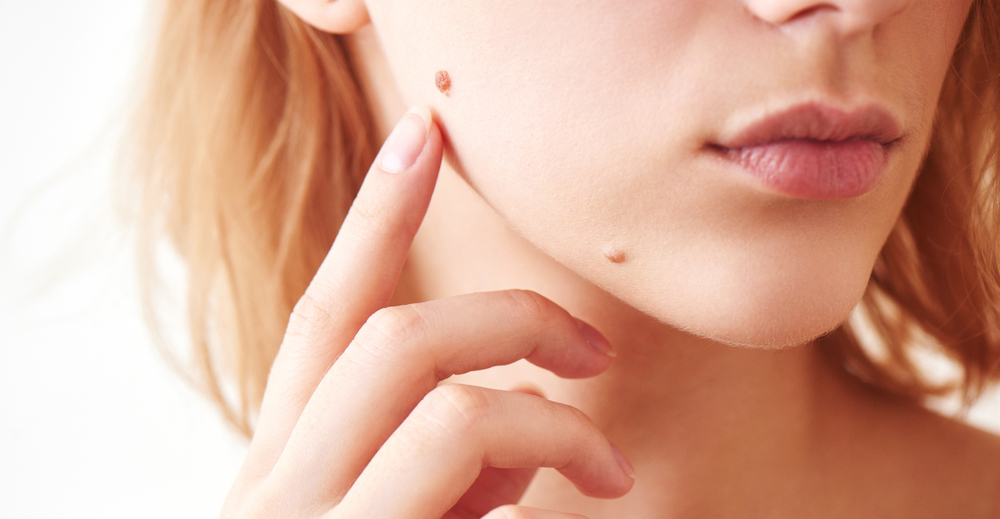
Moles are small spots on our skin. Sometimes people want to take them off for better looks or health reasons. A Plastic surgeon can do this job well because they know how to leave very little scarring behind.
These doctors use special ways like shaving, cutting, or using a laser to remove moles.
Getting rid of moles can make your skin look nicer and also help stop skin cancer from happening. Plastic surgeons often choose lasers for this because it doesn’t hurt as much and you get better fast.
If you have 1-3 moles, it might cost around $1500 to take them off with extra ones at $500 each.
To heal right and avoid scars after mole removal, good care is important. In two or three weeks, your skin should mostly be back to normal if you follow the doctor’s advice. The best people for this are healthy and know what changes they will see in their skin.
Even though risks like infection or scars are rare, they can happen sometimes if care isn’t taken after surgery. Now let’s find out more about why choosing a plastic surgeon could be the best choice for taking away moles!
Key Takeaways
- Plastic surgeons help make sure you get the least scarring when removing moles.
- Getting moles taken off can cut down your risk of getting skin cancer.
- There are different ways to remove moles, like with a special light or by cutting them out. Each way needs good care to heal well.
- If your mole is checked and turns out okay, this can stop worries about it turning into cancer later on.
- The price for laser removal of up to three moles starts at $390; it’s fast and leaves little to no marks. (not sure about this price)
Why Choose a Plastic Surgeon for Mole Removal?
Plastic surgeons know a lot about how to make skin look good. They have training in cosmetic and reconstructive work. When they take off a mole, they are very careful to leave the smallest scar possible.
Their skills can help you heal well and be happy with how your skin looks.
Choosing a plastic surgeon for mole removal is smart if you want less scarring. This is important for moles on the face or other places where people can see them easily. A plastic surgeon’s method is gentle and doesn’t go too deep into the skin, which means healing is easier and scars are less likely.
Plus, getting rid of moles can also lower the chance of skin cancer later on, so it’s about looking good and staying healthy.
Procedure Details and Techniques of Mole Removal
When considering mole removal, it’s essential to understand the variety of procedures a plastic surgeon may employ. These techniques are tailored to suit individual cases and are aimed at achieving the best cosmetic outcome while ensuring medical safety.
Shave Excision
Shave excision is a quick way for doctors to take off moles that stick out on the skin. First, they make sure you don’t feel anything by numbing your skin. Then, using a sharp tool, they carefully slice away the mole.
This method works great for moles that are raised or big.
Doctors often pick shave excision because it doesn’t go deep into the skin. This means you’re less likely to have a scar after the mole is gone. It’s good for getting rid of moles that bother you when they rub against clothes or when you just don’t like how they look.
After the mole is removed, most people heal fast and can get back to their normal activities quickly.
Surgical Excision
Surgical excision means a doctor cuts out the mole with a small blade. They remove not only the mole but also some skin around it. This helps make sure all of the mole is gone. The skin is then sewn back together.
After the operation for mole removal, taking care of your wound is key. This helps you heal better and can mean less scarring. Your doctor will tell you how to look after your skin as it heals.
You might need to go back to see them so they can check on your healing.
Laser Removal
Moving on from surgical methods, laser removal offers a high-tech option for getting rid of moles. This type of mole removal uses special light beams to take off the mole without cuts or stitches.
It’s quick and neat, usually lasting just minutes per mole. This method is really good for those who want a clean process with low chances of leaving a mark.
Many people pick laser removal because it’s less scary than surgery and there’s not much downtime. You won’t have to worry about big scars since lasers are so precise. They can even treat some skin spots that might turn into cancer if left alone.
The cost starts at $390 for up to three moles, which can be more budget-friendly when dealing with multiple spots at once. Overall, laser excision means less fuss and quick healing, making it a smart choice for many looking to remove moles safely and effectively.
Benefits of Mole Removal
Mole removal by a plastic surgeon not only enhances one’s appearance but also provides peace of mind concerning health concerns — delve into how this choice can be transformative for both skin and self-confidence.
Improved Cosmetics
Getting rid of moles can make your skin look smoother and clearer. When a plastic surgeon does the job, they take care to make sure your skin looks as good as it can after the mole is gone.
This means you might get only a tiny scar that’s hard to see. People feel great about their skin when moles that bother them are no longer there.
Having clear skin without blemishes can give you a big boost in confidence. You may find yourself worrying less about how your skin looks and feeling better about showing off parts of your body that used to have moles.
Plus, if a mole changes in a way that could mean it’s turning into cancer, taking it out can also help keep your skin healthy.
Reduced Risk of Skin Cancer
Removing moles can help keep skin healthy and lower the risk of getting skin cancer. When a plastic surgeon takes off a mole, they can check it for signs of cancer. If they find anything that looks like cancer, doctors can act fast to treat it.
This quick action may stop cancer from spreading to other body parts.
Taking out suspicious moles is a key step in melanoma prevention. Skin health gets better because the risk drops when these moles are gone. Plastic surgeons know how to spot which moles might be risky and remove them safely.
After taking out a mole, they often do a skin biopsy to make sure everything is okay. This careful checking goes hand in hand with regular skin screenings that catch problems early on.
Minimal Scarring
Besides cutting down the chance of skin cancer, getting a mole taken off by a plastic surgeon can also mean less scarring. These doctors know how to remove moles with great care. They use special methods so that your skin looks smooth after healing.
If they use lasers to take away the mole, you might not see any marks at all because there’s no need for cuts or stitches.
Good care after the mole is gone helps keep scars small, too. This is very important when bigger and deeper moles are removed. Dr. David Colbert( maybe delete this doctor?)and other skilled surgeons advise on how to look after your wound gently.
Following their tips means your skin can heal nicely without big scars showing where the mole used to be.
Before and Aftercare for Mole Removal
Ensuring optimal outcomes from mole removal involves careful attention to pre-procedure preparation and post-procedure care. Patients can expect guidance on how to prime their skin for the surgery, as well as tailored advice for a swift and healthy recovery process.
Who is a Good Candidate for Mole Removal?
If you’re thinking about getting a mole taken off, it’s best if you are in good shape both body and mind. You should not be taking medicines that make it hard for your blood to clot, or have any conditions that do the same.
It is also important that your skin heals well. Having a clear reason for wanting your mole removed helps too. You should know what to expect from the process.
You’ll need to care for your skin before and after the mole is removed. This means following doctors’ advice closely to stay safe and healthy. Good candidates understand these steps and are ready to take them seriously.
They want their skin to look its best but they also think clearly about the change they will see.
Risks and Complications of Mole Removal
Moving on to the potential issues you might face after mole removal, it’s good to know what could happen. Taking out moles is mostly safe. Yet, like any surgery, it has some risks.
You might get an infection or hurt your skin when the mole is taken away. Scars can also be a problem sometimes.
Doctors work hard to keep these troubles small. They will tell you how to look after yourself once your mole is gone. This helps stop bad things from happening and keeps you safe as you heal up.
Follow their advice closely for the best care of your skin after surgery.
Recovery Time and Follow-Up Appointments
After your mole is taken off, it will usually take about two to three weeks for the skin to heal. You should keep a bandage on the spot where the mole was for one or two days. After that, you need to clean it with care using soap and water.
This helps keep the area free from germs. The spot where your mole used to be might get a hard layer on top, like a scab, which lasts from one to three weeks.
During this recovery period, you must go back to see your doctor as they ask. They will check how well the wound site is healing and make sure there isn’t any infection or other issues.
Always follow their advice on how to look after your skin as it heals. If you have questions about taking care of yourself after mole removal or notice anything unusual, contact your doctor right away.
Conclusion
Choosing a plastic surgeon for mole removal means you get an expert to take care of your skin. They know how to do it with very little scarring and keep you looking good. Plus, getting moles checked out can stop skin cancer before it starts.
It’s not just about beauty, but keeping healthy too! So if you have a mole that bothers you, see a plastic surgeon for help.
Rhinoplasty Recovery – What to expect during your recovery

Why Consider Rhinoplasty?
Rhinoplasty, or nose surgery, is a procedure that can address a range of concerns, both functional and aesthetic. While many people believe that nose surgery is solely for cosmetic reasons, it can also provide significant health benefits. For individuals experiencing breathing difficulties due to a deviated septum or other structural issues, rhinoplasty can offer relief. Additionally, reshaping the nose can help alleviate sinus problems and improve overall respiratory function.
Beyond these health benefits, rhinoplasty can also help achieve various aesthetic goals. It can address issues such as nostril breadth and shape, bridge width, humps or depressions in the bridge, and deformed nasal tips. Furthermore, it can correct asymmetry and enhance facial balance and proportions.
At Dr Mohaghegh Plastic Surgery, we understand the importance of both form and function. Our experienced surgeon, Dr Mohaghegh, will work closely with you to understand your specific needs and goals, ensuring that your rhinoplasty procedure is tailored to address both your health and aesthetic concerns.
Your Recovery and What to Expect
First and foremost, you should be aware that the swelling may take up to a year to diminish for the final shape of your new nose to emerge. As the tissues mend and the swelling fades, most patients will notice a subtle change in look throughout the first few weeks.
Although you will see a noticeable difference after three to four weeks, your final nose contour may take many months to materialise.
The surgical site will be packed or splinted on the inside for most rhinoplasty patients, and the nose will be wrapped with bandages on the outside to protect and maintain your new nose shape. This dressing should be left in place for one week, after which your surgeon will remove the dressing as well as any stitches.
The first week after surgery will be the most painful and swollen, and you’ll probably have some bruising and discomfort on your cheeks and under your eyes for a week or two, but this will usually go away.
Your surgeon will also provide you with specific and extensive post-operative instructions. This will include post-operative care, medication schedules, and any problems to keep an eye on. Following these instructions will result in the best possible result.
Some Frequently Asked Questions
Will I be able to see the results straight away?
After about a month, the majority of patients observe first improvements. However, it’s possible that the final form of your nose won’t be fully noticeable for up to a year after surgery.
When will I be able to resume my normal routine?
Although treatment varies from patient to patient, most patients are able to return to work and light activities after three weeks. Those who work in physically demanding jobs may require a lengthier recovery period before being cleared to return to work.
Reshaping Your Body with Liposuction Combined with Abdominoplasty
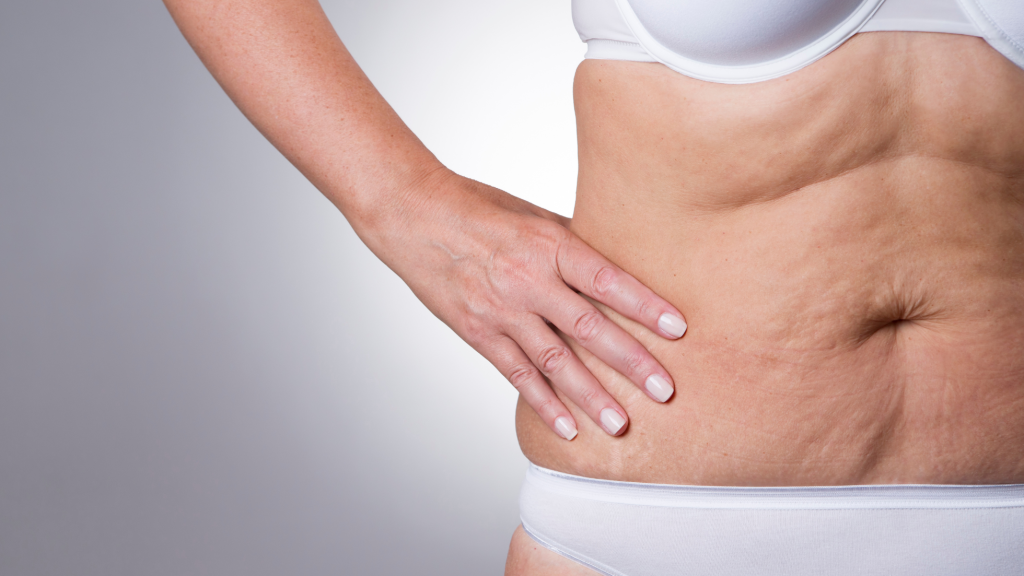
Reshaping Your Body with Liposuction Combined with Abdominoplasty
If you have been struggling to shed stubborn belly fat despite dieting and exercise, you may be considering surgical options to achieve a more toned and sculpted abdomen. At Dr Mohaghegh Plastic Surgery, we offer a comprehensive approach that combines liposuction with abdominoplasty (tummy tuck) to provide more comprehensive results for body reshaping.
Abdominoplasty, or tummy tuck, is a surgical procedure that targets excess skin and tissue and repairs damaged or weakened abdominal muscles to deliver a sculpted, tighter waistline. However, it may not address all areas of concern, particularly stubborn fat deposits. Liposuction, on the other hand, is a versatile procedure that can remove isolated pockets of subcutaneous fat that resist diet and exercise.By combining these two procedures, our experienced surgeon can address both excess skin and fat, as well as repair muscle tissue, to achieve a more holistic transformation of the midsection. This approach can provide a flatter, smoother abdomen that looks natural both in and out of clothes.
At Dr Mohaghegh Plastic Surgery, we will work closely with you to understand your specific needs and goals, ensuring that you are fully informed about the procedure, its benefits, and potential risks. We will also ensure that you are prepared for a smooth and successful recovery.
Benefits of Combining Liposuction with Abdominoplasty
- Reduced Recovery Time: By combining the procedures, you will only need to undergo one recovery period, rather than two separate recoveries.
- Comprehensive Results: This approach can address both excess skin and fat, as well as repair muscle tissue, to achieve a more holistic transformation of the midsection.
- Cost-Effective: Combining the procedures can be more cost-effective than having two separate procedures.
- Enhanced Body Contouring: This approach can provide a more refined and sculpted appearance, addressing both excess skin and fat.
If you are considering combining liposuction with abdominoplasty, we invite you to schedule a consultation with our experienced surgeon to discuss your options and determine if this procedure is right for you.
Key Takeaways
- Liposuction and abdominoplasty are complementary procedures that can provide comprehensive results for body reshaping.
- Liposuction targets specific areas of the body to remove excess fat, while abdominoplasty primarily focuses on the abdominal area to tighten loose skin and repair muscles.
- Good candidates for combined liposuction and abdominoplasty are those in overall good health, with a healthy BMI, and realistic expectations about the outcomes of the procedure.
- During the procedure, incisions are strategically placed to remove excess fat and skin, repair muscles, and create a more toned body shape. The recovery process involves pain management techniques, follow-up appointments with your surgeon, and adherence to exercise and dietary recommendations.
Liposuction vs. Abdominoplasty: Understanding the Differences
When considering body reshaping options, it is important to understand the differences between liposuction and a tummy tuck.
Targeted areas
Liposuction and abdominoplasty procedures focus on specific parts of your body. Plastic surgeons like Dr Mohaghegh selectively administer liposuction to areas that have excess fat deposits.
These targeted areas usually include the arms, thighs, waistline, buttocks or even the neck! Abdominoplasty primarily targets the abdominal part of your body for optimal shaping, tightening loose skin and repairing muscles.
With these plastic surgery techniques in Sydney, you can achieve comprehensive results by reshaping multiple target areas simultaneously. This combined procedure option efficiently maximises visible changes in your body contouring journey.
Fat removal technique
Liposuction, a widely known fat removal technique, transforms your body shape by eliminating stubborn pockets of fat. It exclusively deals with melting down and suctioning out excess fats from various parts of your body such as the flanks or love handles.
Dr Mohaghegh, a leading plastic surgeon in Sydney, employs this method to help patients achieve their desired silhouette.
Recently, Vaser liposuction emerged as an advanced alternative within the realm of plastic surgery for fat removal. This innovative approach uses ultrasound technology to break down fatty tissues before removing them.
The strategic use of vibrations preserves essential tissues while homing in on unwanted fats – offering more precise results than traditional methods.
Recovery time
Following surgery, patients typically need a recovery period to heal and regain strength. Liposuction usually requires 5-14 days to recover, while an abdominoplasty involves two weeks of intense healing and up to 12 months for a full recovery.
Combining the procedures may extend this timeline slightly. During this time, it’s common for patients to wear compression garments that aid in healing and reduce swelling. While the total recovery duration varies from person to person, most individuals can return to work after about two weeks post-surgery under normal circumstances.
Dr Mohaghegh Plastic Surgery in Sydney closely monitors their patient’s progress during this crucial phase ensuring optimal comfort and safety.
Who is a Good Candidate for Combined Liposuction and Abdominoplasty
Good candidates for combined liposuction and abdominoplasty are individuals who are in overall good health, have a body mass index (BMI) within a healthy range, and have realistic expectations about the outcomes of the procedure.
Overall health
Good overall health significantly increases your compatibility for a combined liposuction and abdominoplasty procedure. It’s crucial to be free from chronic medical conditions that could interfere with healing or surgery.
As a Plastic Surgeon, Dr Mohaghegh always prioritises patient wellbeing in his Sydney clinic, ensuring only suitable candidates undergo these procedures. Being fit and well nourishes quick recovery times and reduces potential complications.
So if you’ve been maintaining good general health, you’re already on the path towards becoming an ideal candidate!
Body mass index (BMI)
The Body Mass Index (BMI) is a critical factor in determining the effectiveness and safety of combined liposuction and abdominoplasty procedures. Dr Mohaghegh, a renowned plastic surgeon from Sydney, often recommends patients to be within their goal weight or have a healthy BMI before undergoing these cosmetic surgeries.
This essentially means that the results of your body reshaping venture are tied closely to your BMI.
A low BMI typically signifies good candidacy for medium-definition liposuction. On the other hand, those with BMIs between 30 to 40 could still opt for abdominoplasty surgery but should be aware that excess weight might influence the final outcomes negatively.
Higher BMI can lead to extended operative time, prolonged hospital stay, and increased drainage duration and amount. Making informed decisions about such surgical interventions becomes crucial when it comes to achieving desired results effectively while minimizing potential risks or complications.
Realistic expectations
Undergoing a combined liposuction and abdominoplasty procedure can dramatically improve the contour of your body, but it’s crucial to have realistic expectations. This isn’t an alternative to weight loss or a diet-healthy lifestyle.
The ideal candidate is already at their desired weight range and seeks further toning through this surgical process. Keep in mind that while Dr Mohaghegh, as an experienced plastic surgeon, will strive for perfection, every patient’s body responds differently to surgery.
Therefore, results may vary from person to person.
The Procedure Process and Expected Results
During the combined liposuction and abdominoplasty procedure, incisions are strategically placed to remove excess fat and skin, repair muscles, and create a more toned body shape. Find out what you can expect from this transformative procedure.
Incision placement
Dr Mohaghegh, a highly experienced plastic surgeon in Sydney, understands that the incision placement is integral to achieving optimal outcomes from lipo-abdominoplasty. The specific anatomy of an individual patient guides him in deciding where to make the necessary surgical cuts.
For instance, if there’s excess skin to remove or specific reshaping goals set by the patient, these would significantly affect his choice for incision positioning. His meticulous approach ensures not only improved aesthetic results but also minimises potential complications relating to this type of plastic surgery procedure.
This careful selection process for incision placement forms part of Dr Mohaghegh’s unique and personalised strategy towards body contouring surgeries such as lipo-abdominoplasty.
Fat and skin removal
During the combined liposuction and abdominoplasty procedure, excess fat and skin are removed to reshape your body. Here’s what you can expect:
- The plastic surgeon will make incisions in strategic locations, allowing them to access the targeted areas.
- Using liposuction, the surgeon will remove excess fat by liquefying it and suctioning it out.
- The remaining skin is then carefully lifted and tightened to create a smoother and more contoured appearance.
- In cases where there is muscle separation or weakness, the surgeon may also perform muscle repair to restore abdominal wall integrity.
Muscle repair
During a combined liposuction and abdominoplasty procedure, one important aspect is the repair of split tummy muscles. Abdominoplasty involves tightening and stitching together the weakened or separated abdominal muscles to create a firmer core.
This repair not only improves the appearance of your abdomen but also helps restore strength and stability to your midsection. Dr Mohaghegh, a trusted plastic surgeon at Dr Mohaghegh Plastic Surgery in Sydney, specialises in this technique to help reshape your body and achieve optimal results.
Potential complications
Potential complications can arise during liposuction combined with abdominoplasty. These include seroma, hematoma, infection, skin necrosis, and suture-related issues. It’s important to note that combining these procedures increases the risk of complications compared to having just an abdominoplasty alone.
Abdominoplasty itself carries its own potential risks such as wound healing issues, infection, seroma formation, and hematoma. Liposuction also has its own set of risks including contour irregularities, skin elasticity problems, scarring, and fluid imbalances.
It’s crucial to understand these risks before undergoing any plastic surgery procedure in order to make an informed decision about your desired results and consider all aspects of safety involved.
Expected outcomes
During the combined liposuction and abdominoplasty procedure, you can expect to see significant improvements in your body contour. The excess skin and stubborn fat will be removed, giving you a flatter and more toned appearance in the abdominal area.
Your waistline may also become more defined as a result of removing unwanted fat deposits. It’s important to note that individual results may vary, but many patients experience increased self-confidence and satisfaction with their new body shape following the surgery.
Keep in mind that maintaining a healthy lifestyle after the procedure will contribute to long-lasting results.
Recovery and Aftercare
During the recovery process, pain medication will be provided to manage any discomfort. Follow-up appointments will be scheduled to monitor healing progress. Exercise and dietary recommendations will also be given to support a successful recovery.
Discover what you need to know about post-operative care after liposuction and abdominoplasty here!
Pain management
Combining different pain relief techniques during the liposuction and abdominoplasty procedure has been successful in reducing pain for patients. Dr. Mohaghegh uses various non-opioid analgesia techniques and nerve blocks, to provide long-lasting pain relief.
Additionally, wetting solutions used during liposuction not only help with fat removal but also act as local anaesthetics to reduce post-operative discomfort. These approaches are aimed at ensuring your comfort throughout the recovery process.
Follow-up appointments
Regular follow-up appointments with your plastic surgeon are an essential part of the recovery process after combining liposuction with abdominoplasty. These appointments allow your surgeon to monitor your healing progress and assess the results of the procedure.
By attending these follow-ups, you can ensure that any potential complications are identified and addressed early on, leading to a smoother recovery and optimal outcomes. Your plastic surgeon will provide guidance and support during these appointments, answering any questions or concerns you may have along the way.
Remember that these check-ins play a crucial role in your overall satisfaction with your abdominoplasty results.
Exercise and dietary recommendations
Exercise and a healthy diet are essential for a successful recovery after undergoing combined liposuction and abdominoplasty surgery. Here are some recommendations to consider:
- Follow your surgeon’s instructions: Your doctor will provide specific guidelines on the type and frequency of exercises that are safe to perform during the recovery period.
- Start slow: Begin with gentle stretching and walking as soon as you feel comfortable. This can help improve blood circulation, reduce swelling, and prevent blood clots.
- Gradually increase intensity: As your body heals, gradually increase the intensity of your workouts. Incorporate light cardio exercises such as swimming or cycling.
- Maintain a balanced diet: Choose nutrient-dense foods that support healing, such as lean proteins, fruits, vegetables, and whole grains. Avoid processed foods, sugary beverages, and excessive sodium intake to minimise inflammation.
- Stay hydrated: Drink plenty of water throughout the day to promote healing, flush out toxins, and keep your skin hydrated.
- Take it easy on alcohol and caffeine: Both alcohol and caffeine can dehydrate the body and hinder the healing process. Limit consumption during your recovery period.
- Listen to your body: Pay attention to any discomfort or pain during exercise or after eating certain foods. If something feels uncomfortable or causes pain, modify or avoid it until you fully recover.
Final results
After undergoing liposuction combined with abdominoplasty, you can expect to see the final results of your procedure at 12 months. The timeline for seeing these results may vary depending on the amount of fat that was removed during the surgery.
Combining liposuction and abdominoplasty has been shown to lead to better outcomes and a shorter recovery time compared to having these procedures done separately. It’s important to note that complications or revisions may occur when combining these two surgeries, so it’s crucial to choose a skilled and experienced plastic surgeon like Dr Mohaghegh who specialises in this field.
Conclusion
Reshaping your body with liposuction combined with abdominoplasty can be an effective way to address excess fat and sagging skin in the abdominal area. By targeting stubborn pockets of fat and tightening the muscles, this combination procedure can help you achieve a more sculpted and defined abdominal contour.
However, it’s important to consult with a qualified plastic surgeon to determine if you are a good candidate for this procedure and understand the potential risks and benefits involved.
FAQs
1. What is Liposuction combined with Abdominoplasty?
Liposuction combined with abdominoplasty is a plastic surgery procedure that reshapes the body by removing excess fat and skin.
2. What are the effects of combining Liposuction with Abdominoplasty?
When liposuction combined with abdominoplasty, it can enhance your body contour more effectively compared to when each operation is performed separately.
3. How long does recovery take after undergoing these procedures in Sydney?
Recovery time varies among individuals; however, most patients typically start feeling better within two weeks following their plastic surgery in Sydney.
Preservation Rhinoplasty
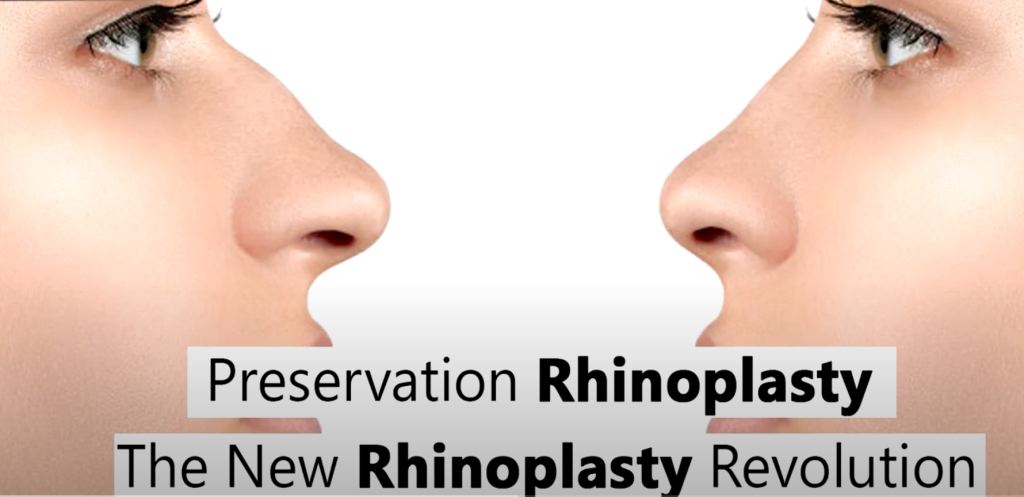
Understanding Preservation Rhinoplasty
Preservation rhinoplasty is a surgical technique that aims to reshape the nose while preserving its natural structural components and support. This approach focuses on conservative methods to improve the aesthetic appearance of the nose, while also addressing functional issues such as septal deviation or nasal valving. Unlike traditional rhinoplasty techniques, preservation rhinoplasty minimizes modification to the framework beneath the skin, reducing the risk of outwardly visible irregularities.
By preserving the natural anatomy of the nose, this technique can help achieve a more natural-looking result with less downtime and reduced swelling and bruising. It is particularly suitable for patients who have a well-defined nasal aesthetic line, have not had previous surgery, and require minimal tip treatment. However, it can also be used to address more complex issues such as crookedness, septal deviation, tip shaping, and broad noses, but these cases may require more operator competence.
At Dr Mohaghegh Plastic Surgery, our experienced surgeon will work closely with you to determine if preservation rhinoplasty is the right choice for your specific needs and goals. We will ensure that you are fully informed about the procedure, its benefits, and potential risks, and that you are prepared for a smooth and successful recovery.
Nostril Reduction: What to Expect and How to Prepare
Nostril reduction surgery, or alarplasty, is a way to make nostrils smaller. Doctors cut away tissue at the base of the nose to change its shape. This takes about one hour and helps people feel better about how they look.
In Australia, the price can be anywhere from $5,000 to $25,000; in the U.S., it averages around $6,324. Getting ready for this surgery means talking to a good surgeon and learning what will happen during and after the operation.
You should know there might be some risks like infection or needing more surgery later on.
After getting nostril reduction, you will need up to two weeks off work and it can take up to a year to see the final result. When you have this surgery done, doctors use anaesthetic so you don’t feel pain.
They also give you careful directions for how to look after yourself when you go home.
This type of nose job gives long-lasting results but wait a full year before thinking about having any more changes done. Let’s explore what makes your nose unique and how making it different could help you breathe easy with new confidence!
Nostril Reduction (alar base reduction or alarplasty) at a glance
Below is an overview of the Nostril Reduction procedure at a glance (medically known as a alar base reduction and/or alarplasty). Nostril reduction surgery, a specialised form of rhinoplasty, refines the nostrils for facial harmony and aesthetic balance. It tailors nostril size and shape to complement your unique features, enhancing both appearance and confidence.
1. What is the target area of a nostril reduction?
The target area for a Nostril Reduction can include; nostrils (alar base), nasal base width, nostril flares and/or alar-facial grooves
2. How much time off work do I need when doing a Nostril Reduction?
About 1 to 2 weeks after surgery, those with less demanding jobs can go back to work quicker.
3. What is the total recovery time for a alarplasty?
About 4 to 6 weeks, this timeline is dependent on your as a patient and your situation. Timelines are based on: extent of the surgery being performed, your healing rate and your ability to comply with post-operative care. Swelling subsides within 2 to 3 weeks, with the final result being apparent within 6 to 12 months.
4. What is the scar positioning on an Nostril Reduction?
Depending on your situation the scar is on the alar-facial junction, inside the nostril rim and/or along the natural creases of the nose
5. What are some other surgeries combined with a Nostril Reduction?
Commonly a rhinoplasty is performed in combination with a Nostril Reduction, or other variants of a Rhinoplasty i.e. septorhinoplasty
Key Takeaways about Nostril Reductions
- Nostril reduction surgery, also known as alarplasty, makes nostrils smaller to balance the face.
- Choosing a skilled surgeon is important. Costs vary and can be from $7,500 to $25,000 in Australia.
- Recovery takes time; expect swelling for weeks but full results may take up to a year.
- Risks include infection and not liking the new look. Discuss these with your doctor.
- Follow all after-care instructions for the best healing and avoid complications.
Definition and purpose
Nostril reduction surgery, or alar base reduction, makes the nostrils smaller. This nose reshaping surgery aims to give the nose a more balanced look by improving symmetry and shape.
People choose this type of cosmetic nose surgery for many reasons. Some want their face to be more equal on both sides. Others might find that their wide flaring nostrils stand out too much.
The main goal of this procedure is to make the nose look better as a whole. Doctors take off a tiny bit of tissue from where the nostrils meet the cheeks. This change can have a big effect on how your nose looks without changing who you are or how you breathe.
Types of nostril reduction procedures
- Alar Wedge Resection: This procedure involves removing a small tissue wedge from where your nostrils meet your cheeks.
- Alar Base Reduction: It narrows wide nostrils by cutting out small parts on the sides of the nose base. This can make the nose look narrower.
- Weir Excisions: These excisions reduce flaring and adjust nostril width by making careful cuts in the alar base region.
- Cosmetic Rhinoplasty: Also known as a “nose job,” it changes your nose shape for a better look. It often includes reducing nostril size.
- Functional Rhinoplasty: The focus here is on improving breathing by changing the inside structure of the nose. Nostril size can also be adjusted during this surgery.
Benefits of nostril surgery
Nostril surgery, such as alarplasty, brings many good changes. It makes your nose look better and more balanced. This kind of nasal reshaping can make you feel happier with how you look.
When your nostrils match well and are the right size for your face, it can boost your self-esteem.
Getting a nostril reduction might also help with breathing if that’s an issue for you. The surgery aims to make not just the outside but the inside of your nose work better. If you’re worried about nostril flare or want a proportionate look for your nose, this procedure may be what you need.
Afterwards, patients often find their noses fit their faces nicely and feel great about themselves.
Preparing for Nostril Reduction Surgery
Embarking on your journey towards a refined nasal contour begins with choosing an expert surgeon who aligns with your aesthetic goals and ensures you have a comprehensive grasp of the procedure’s nuances.
It is crucial to engage in an open dialogue about expectations, openly address potential risks, and meticulously plan for the days leading up to your nostril reduction surgery.
Finding a qualified surgeon
Choosing the right doctor for nostril reshaping surgery is super important. Look for a plastic surgeon who has done many nose surgeries. Make sure they are allowed to work as surgeons in Australia.
A GP can help you find a skilled surgeon for rhinoplasty. Ask about their training and if they’re certified to change how noses look.
Meeting with a surgeon face-to-face is the best way to see if tip rhinoplasty works for you. You can talk about what you want and learn more from them. This helps make sure that your nose job goes well.
Understanding the procedure
Getting ready for nostril reduction means learning about the steps of the surgery. Your doctor will look at your nose and how you breathe to make sure they know what changes to make.
They will plan how to reduce the size or change the shape of your nostrils so that your face looks balanced and nice. The aim is also to fix any airway blocks so you can breathe better.
During this time, share what you hope to get from the surgery with your surgeon. They will talk to you about what can happen after surgery and any risks involved. You need to have a clear idea of these things before deciding on the operation.
Next, we’ll go into details about getting ready for nostril reduction surgery, like picking a good surgeon and discussing your hopes and concerns with them.
Discussing expectations and potential risks
You need to know what might happen during and after nostril reduction surgery. Talk with your doctor about how you want your nose to look and feel when the surgery is done. Make sure these goals are possible.
Your doctor will tell you about the things that could go wrong, like infection or not liking the way it looks. Both you and your surgeon must agree on what changes will be made.
Understanding the risks helps you get ready for surgery safely. You should think carefully before making any decisions. Ask lots of questions so there are no surprises later on. After this talk, you’ll need to follow certain steps before going into surgery.
What to Expect During and After Surgery
Prepare to navigate the transformation journey with insight into the surgical process and embrace attentive guidance for a smooth recovery—continue reading for an in-depth look at your nostril reshaping experience.
Anaesthesia and incision placement
Doctors use anaesthesia in nostril reduction surgery so you won’t feel any pain. This means you’ll be comfortable and still while the surgeon works. They might give you a local anaesthetic, which numbs only your nose, or sometimes they may use other types to make sure you are completely asleep during the operation.
The surgeon makes careful cuts in your skin to change the size of your nostrils. The place where they cut is important because it should be hidden well after healing. However, putting anaesthetic into your nose can make it look different for a short time.
This change can hide some of the small adjustments that the doctor makes.
Before surgery, doctors check patients carefully to ensure their safety under anaesthesia and reduce risks during recovery. It’s key to follow all pre-surgery advice from your healthcare team so you’re ready for both the procedure and healing afterwards.
Surgery duration and recovery
Nostril reduction surgery usually takes one to two hours. You will be under anaesthesia so you won’t feel pain during the operation. After the surgery, you might feel sore and see some swelling and bruising around your nose.
This is normal and part of healing.
In the first two weeks, most of the swelling and bruising should go down. Your nose will still be healing inside for about 1-2 months. It’s important to follow your surgeon’s advice on how to care for your nose after the operation.
It takes time to see the final shape of your nose after surgery. Usually, it can take up to 12 months for all changes to show fully. Be patient as your body recovers and adjusts to these changes over time.
Post-operative instructions
After your nostril reduction surgery, you’ll need to follow some important steps to help with the healing process. These instructions help you heal and reduce the chance of problems.
- Keep your head raised higher than your chest while sleeping for up to six weeks. This helps lower swelling.
- Take out packing from inside your nose and change any nasal drip pads within two days after surgery. This keeps your nose clean.
- Go back to the doctor about a week after surgery to get the splint taken off your nose. This is a normal part of recovery.
- Use cold packs on your cheeks to help with swelling and pain. Don’t use ice directly on your skin because it can cause damage.
- Be ready for some bruising and swelling around your nose after the operation. It’s normal and will go away.
- See your surgeon for check-ups as they ask you to. They need to make sure you’re healing right.
- Always follow what your surgeon tells you before and after surgery for the best healing.
Long-Term Results and Expectations of Nostril Reduction Surgery
Nostril reduction surgery changes your nose for a long time. You can look forward to a new nose shape that lasts many years. It usually makes people feel better about their looks and boosts confidence.
Most of the time, once you heal, the way your nostrils look will not change much as you get older.
You need to wait several months to see the final shape after surgery. Your nose might keep changing a bit during this time. If things don’t look right or if there are any problems, you might need another surgery to fix it.
But most people do not have big issues and are happy with how they look at the end. Remember, like all surgeries, there are some risks; talking to a good surgeon helps you understand these risks before deciding on the surgery.
Cost, Recovery, and Results
Delve into the financial aspects of nostril reduction surgery and discover what your investment in time and care will mean for healing and enjoying your new look.
Explore the journey from initial expenses to the final reveal of results, along with guidance on managing recovery for an optimal outcome.
Average cost of nostril reduction surgery
Understanding the financial aspect of nostril reduction surgery is crucial for patients planning to undergo this procedure. Costs can vary widely depending on the surgeon’s expertise, geographic location, and the complexity of the surgery. Below is a breakdown of the average costs patients might expect in different regions, reflecting fees and the overall market trends for this cosmetic procedure.
These figures represent a general guide for patients. Individuals should consult with surgeons for personalised quotes, taking into account the unique aspects of their procedures.
Recovery timeline and follow-up appointments
Nostril reduction surgery helps shape your nose. It requires time to heal and see the final look.
- Plan for up to 2 weeks off work after your surgery. This is when most swelling and bruising start to go down.
- Attend all postoperative checkups. Your surgeon needs to see how you are healing.
- The full emergence of nostril reduction results can take up to a year. Early on, you might not see the changes you expect.
- Follow your surgeon’s advice closely during recovery. This helps avoid problems and get the best results.
- Prepare for individual variation in recovery time. Everyone heals at their own pace, so what happens for one person may be different for another.
- Wait at least a year before considering any follow-up surgical procedures. Your nose needs time to fully heal first.
- Be ready for side effects like swelling or discomfort, especially in the first few days. Ice packs and rest can help with these.
- Stick to the healing timeline your doctor gives you, even if you feel better sooner. Healing on the inside takes longer than it might seem on the outside.
Realistic outcomes and potential complications
Before you get nostril reduction surgery, it’s good to talk about what you hope to look like afterwards. Your surgeon will help set goals that can be reached. They will also tell you about any limits and risks.
Risks include getting an infection, bleeding, or bruises where the cuts were made.
It’s best to know all this before the surgery so there are no surprises while you heal. Make sure to chat with your doctor about what could go wrong and how likely it is. This way, you’re ready for whatever comes after the operation.
?Next up, let’s have a look at celebrities who decided on nostril reduction surgery and their experiences. (not sure if this is relevant / if this should be included.
Celebrities who have had nostril reduction surgery
Many people know that stars often change their looks. Some famous folks might get nostril reduction to shape their nose a bit more. For example, Kate Moss and Tom Cruise have heard talk around them about having this surgery.
Scarlett Johansson and Beyoncé are also on the list of celebrities with rumours of nose jobs.
The cost and healing time for these surgeries can vary, even for stars. Getting a new nose shape is common in Hollywood but not all celebs say it’s true for them. There is chatter, and sometimes they say “nope” to those nose job stories.
Now let’s look at how much you might pay if you’re thinking about getting your nostrils reduced.
Conclusion
Nostril reduction surgery can change how your nose looks and feels. Prepare well by talking to a skilled surgeon and learning about the process. Expect some swelling and redness right after but know it won’t last long.
Your new nose shape will settle in over time, giving you the look you hope for. Remember, good results come from understanding what’s involved and following care advice post-surgery.
Nose Alar Reduction: Is It Right for You?
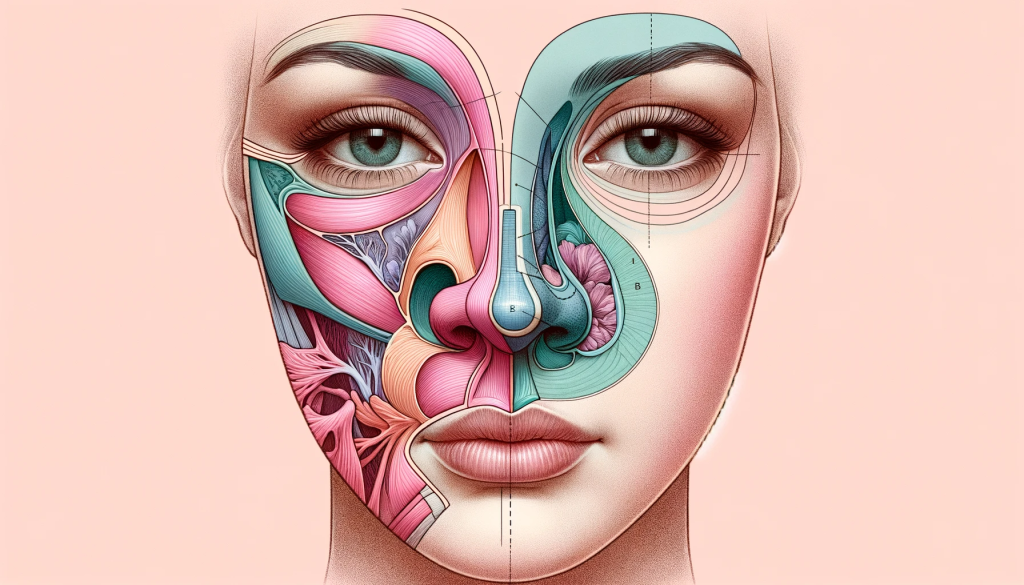
Nose Alar Reduction: Is It Right for You?
Nose alar reduction, also known as alarplasty, is a type of nose surgery. It changes the size and shape of your nose to create better facial harmony. This surgery cuts out small parts of tissue to make the nostrils smaller and the base of the nose smaller.
This surgery may benefit patients who have large nostrils or a large base of their nose
All surgical procedures have the risk of infections or trouble breathing can happen after it’s done. But if you take care during recovery, which is usually one to two weeks long, most swelling goes down in about a month.
The cost of getting this done in Australia is often between $5,000 and $10,000.
It’s important to find a plastic surgeon who is very experienced with noses and has been certified by other doctors. This surgery may help you breathe better and also improve how your nose looks by making your nostrils fit better with the rest of your face.
Learning more will show why finding an expert surgeon matters so much for safe surgery and great results.
Key Takeaways
- Nose alar reduction is a surgery to make wide or uneven nostrils smaller.
- A well-trained plastic surgeon should do the operation, and it’s best if they know a lot about noses.
- Healing takes about 1 to 2 weeks, but the initial swelling should go down in a month.
- The price for alarplasty can be between $50,000 and $10,000 in Australia.
- Picking a plastic surgeon means safer surgery and better results. They help with planning and recovery too.
What is Nose Alar Reduction?
Nose alar reduction, also known as alarplasty, is a cosmetic procedure tailored to refine the nostril shape by reducing the width of the nasal base and nostril size for enhanced facial harmony.
It involves precise surgical techniques that target the area where your nostrils meet your cheeks, commonly sought after to achieve a more balanced nose appearance.
Overview of the procedure
In rhinoplasty and nose alar reduction, a surgeon changes the part of your nose that’s called the alar. This is the bit where your nostrils meet your cheeks. They make small incisions to remove excess tissue in this area to make the bottom of your nose look better and more in balance with your face.
The goal is to make wide nostrils narrower or fix up parts that don’t match after an injury.
This surgery takes little time, but it does need care and skill. A plastic surgeon who knows a lot about faces will measure and mark exactly where they need to be cut before starting.
They’ll also make sure that everything stays safe and clean to lower the risk of problems during and after surgery.
After getting rid of those bits of tissue, they close up with tiny stitches. These help heal the skin properly so it looks smooth again. You might have this done on its own or with other kinds of nasal surgery if you want bigger changes in how your nose looks.
Who is a Good Candidate for Nose Alar Reduction?
Good candidates for nose alar reduction are individuals seeking improved nostril symmetry and a more balanced nasal appearance, often due to wide or flaring nostrils that they feel are disproportionate to the rest of their facial features; keep reading to explore how this procedure might align with your aesthetic goals.
Factors to consider
- Think about the size and shape of your nose base. If it’s wide or your nostrils stand out a lot, you might be a good person for this surgery.
- Check if your lower nose part called the alar base, is broad. This could mean alar base reduction is suitable for you.
- Look at how your whole face works together. Alarplasty can help make your nose fit better with your other features.
- Measure how even your nose looks. This operation can help with making both sides of the nose match better.
- Consider how you feel about your nose. If refining your nose’s look would make you happier, this procedure might be right for you.
- Think about any past nose work or injuries that may affect getting an alar base reduction now.
- Make sure to understand what risks come with changing the shape of your nose. Every surgery can have things go not as planned.
- Reflect on what you hope to get from the surgery. It should match up with what alarplasty can do.
The Procedure and Recovery Process
4. The Procedure and Recovery Process: Delving into the practical aspects of nose alar reduction, we uncover the journey from surgical precision to post-operative care, ensuring a comprehensive understanding of what patients can anticipate during this transformative pathway.
Surgical preparation and technique
Alarplasty is not a simple nose job. It needs a skilled plastic surgeon because it’s complex.
- First, the doctor talks with you about how you want your nose to look. They make sure they understand your goals.
- Next, they take photos of your nose from different angles. This helps in planning the surgery.
- Before surgery, you get instructions on what to eat and drink. You also learn about medicines you should avoid.
- On the day of surgery, they clean your skin well. This is to reduce the chance of infection.
- The surgeon marks your nose with a special pen. These marks are guides for where to cut.
- You get medicine to make you sleep so that you do not feel pain during the operation.
- The surgeon makes careful cuts inside or between your nostrils to reach the alar base.
- They remove small bits of tissue to make the bottom part of your nose narrower.
- After shaping the alar base, they close up any cuts with small stitches. These stitches usually leave tiny lines that fade over time.
- The team checks that there is no bleeding before waking you up from surgery.
Potential complications
Nose-alar reduction can lead to problems. Some people might get an infection or start bleeding. You may also see swelling or bruising around your nose. Sometimes, things used in the surgery like implants could cause trouble too.
They might get infected, stick out, change shape, or even get absorbed by your body.
Other side effects can happen after the surgery. Your nose may look uneven or you might feel numb. Scar tissue could form and make it hard to breathe through your nose. In some cases, the skin where they did surgery dies off (tissue necrosis).
Bad scarring and thick scars called keloids could develop as well.
During any surgery, including this one for making nostrils smaller, there are risks from being put to sleep (anesthesia). If blood collects under the skin (small hematomas), doctors have to drain it so you don’t get an infection and heal better.
Always know these risks before deciding on a nose job.
Recovery timeline
Nose alar reduction helps make the nostrils smaller. It’s important to know what to expect as you heal.
- The first few days will involve swelling and bruising. You might look a bit different, but this is normal.
- Around 1 – 2 weeks is how long most people take to recover. During this time, your nose is healing inside and out.
- Packing in your nose and a pad to catch drips are usually taken out after 2 days. This makes breathing easier.
- A week after surgery, it’s time for the splint to come off. Your nose will still be healing but it starts to look better.
- Most of the swollen look goes away within a month. Every day your nose should look a bit more like how you want it.
- Going back to work or school happens quickly, often in just 24 – 48 hours. Still, take it easy and avoid hard exercise.
Cost and Finding a Qualified Surgeon
Understanding the financial investment and selecting an expert plastic surgeon are pivotal steps towards achieving your desired nostril-reshaping results, urging you to delve deeper into how to navigate these aspects successfully.
The average cost of the procedure
The cost of a nose alar reduction, also known as alarplasty, varies considerably across different locations and depending on the surgeon you choose. In Australia, you can expect the average price of nose surgery to range between $10,000 and $20,000. This cost encompasses the surgeon’s fees, hospital charges, and anesthesia, which averages around AUD 1,250. In Sydney, the surgery’s price will depend on various factors, including the surgeon’s expertise, hospital fees, the type of prosthesis used if any, and the surgery’s length. To give you a clearer idea of the financial aspect of this procedure, below is a summary table of average costs associated with nose alar reduction surgery:
Keep in mind that these figures are averages, and the actual cost may be higher or lower based on individual circumstances. It’s essential to consult with a qualified surgeon to get an accurate estimate tailored to your specific needs.
How to choose a reputable plastic surgeon
Choosing a reputable plastic surgeon is important for your safety and the success of your nose alar reduction. Trusting a qualified and experienced professional ensures you get the best care and results.
- Look for a board-certified plastic surgeon. This means they have passed strict tests and have the right training to do surgery.
- Ask if the surgeon has an interest in rhinoplasty. Surgeons who focus on nose jobs often have more skill in this area.
- Check hospital feedback. Talk to hospitals where the surgeon works to learn about their work.
- Visit your GP. They can help you find a good plastic surgeon and give you a referral.
- Understand titles. A Specialist Plastic Surgeon has more training than someone called a “Cosmetic Surgeon.”
- See before-and-after photos. These show the doctor’s work so you can see what results they give.
Benefits of having a qualified plastic surgeon for cosmetic procedures
Once you pick a reputable plastic surgeon, you’ll see many good things. A skilled plastic surgeon makes sure your nose alar reduction is safe and works well. You get advice that fits just for you.
This means your nose might look better balanced with your face, have smaller nostrils, and have a clearer shape.
A certified plastic surgeon knows all about the risks. They tell you how to prepare and what to expect after surgery. Their training helps them make tiny changes for big improvements in how your nose looks and works.
With their help, many find it easier to breathe through their noses too. If you talk to an expert alar reduction surgeon, they can explain even more ways this surgery could be right for you.
Conclusion
Nose-alar reduction could be the change you’re looking for. If your nostrils are wide or not even, this surgery might help. Talk to a good surgeon to see if it’s right for you. They can answer your questions and help plan the surgery.
Remember, choosing an expert will give you the best chance at a nose you’ll love!
For more insights on the importance of a skilled plastic surgeon, explore our detailed guide on the benefits of having moles removed by a qualified professional.