
Your Guide to Liposuction – 2025

At Dr Mohaghegh Plastic Surgery in Sydney, we understand the importance of making informed decisions about your body. Liposuction is a surgical procedure designed to remove excess fat from specific areas of the body, helping to contour and reshape your figure. This comprehensive guide aims to provide you with a detailed understanding of what liposuction entails, including its benefits, the procedure itself, recovery timelines, and what to expect post-surgery. Whether you are considering this procedure to address stubborn fat pockets or simply to achieve a smoother and more toned appearance, this guide will help you make an informed decision about your body transformation journey.
Liposuction at a Glance
Target Area: Liposuction can be performed on various body areas, including: Abdomen. Thighs. Hips and flanks, Arms, Back, Chin and neck, Chest (for men with gynecomastia), Knees, Calves and ankles
Time Off Work: Within 1-2 weeks (this depends on the patient and their work situation)
Total Recovery: Within 4 to 6 weeks, however this can change depending on factors including; extent of the procedure, the number of areas treated and your healing rate. Most swelling will reduce within 30 to 90 days post-surgery, but the final results can take up to 6 months.
Scar Positioning: This procedure typically has a scar measuring 3 to 4 mm, common placements of the scar are; wiithin the natural fold of the skin, areas usually covered by clothing and along existing scars (if possible).
What is liposuction?
Liposuction, or Lipo as it’s commonly known, is a procedure that removes excess fat from specific areas of the body. It is one of several methods used to contour and reshape your body. Liposuction can be performed on many different parts of the body and is most commonly used for the thighs, buttocks, abdomen, arms, neck and under the chin, but also for the back, inner knee, chest, cheek, calves and ankles.
Who invented liposuction?
In 1975, cosmetic surgeons Arpad and Giorgio Fischer, developed the modern technique of liposuction. They were the first to introduce the blunt hollow cannula attached to a suction source and the criss-cross suctioning technique from multiple incision sites.
In the late 1980s, a dermatologist in California, Dr Jeffery Klein, revolutionized liposuction with the introduction of tumescent liposuction, where the use of large volumes of very dilute anesthesia which allowed liposuction to be performed in larger volumes completely under local anesthesia without the need for sedation or general anesthesia. This allowed liposuction to be performed under local anaesthetic with or without sedation with an excellent safety profile, principally minimizing blood loss and the risks of general anaesthesia.
This tumescent technique is used widely around the world and has transformed liposuction before and after changes that patients now experience.
How is liposuction performed?
Liposuction of larger, or multiple areas is performed under general anaesthetic. The surgeon will insert a thin tube (cannula) into the area to be treated and use it to suck out the unwanted fat cells.
Some liposuction procedures may require only local or regional anesthesia — anesthesia limited to a specific area of your body. Other procedures may require general anesthesia, which induces a temporary state of unconsciousness. You may be given a sedative, typically through an IV injection, to help you remain calm and relaxed. The procedure typically takes 20 to 30 minutes. Your surgeon will then massage the treated area to remove any excess fat cells and blood clots.
Liposuction is usually performed on an outpatient basis, which means you can go home after surgery and resume your normal activities.
What are the different types of liposuction?
There are several types of liposuction:
· Tumescent Liposuction
· Ultrasound-Assisted Liposuction
· Laser-Assisted Liposuction
· Power-Assisted Liposuction
The most common liposuction technique is tumescent liposuction, which uses a local anesthetic and large amounts of fluid to make the procedure much more comfortable for patients. In some cases, this type of anesthesia can also help minimize bruising and swelling after surgery.
Ultrasound-assisted liposuction (UAL) is another method that involves heating up fat cells with ultrasound waves before removing them through a cannula in order to minimize pain and discomfort during your treatment.
Laser-assisted liposuction (LAL), another popular option, uses laser technology to remove fat cells while leaving surrounding tissue unharmed. This option may be best suited to people who aren’t comfortable with general anesthesia or who want a more precise removal process than UAL provides.
Power-assisted liposuction (PAL) uses water pressure instead of suction during surgery; studies have shown it can be as effective as traditional methods but requires less recovery time afterwards due to its gentler approach to surrounding tissues.
What is Vaser liposuction?
Vaser is an acronym for vibration amplification of sound energy at resonance. This ultrasound technology uses powerful waves to disrupt the bonds between fat cells and is currently one of the most popular ultrasonic devices, and is designed to be more energy efficient and generates less thermal energy, hence decreasing thermal transmission to the tissues.
Vaser liposuction uses a combination of mechanical and thermal energy to safely break down fat tissue, which can then be removed by suction through tiny cannulas, or tubes. The ultrasonic waves force fat cells to rupture, allowing them to be removed through the cannula using high-speed suction pressure.
Where can you do liposuction in Sydney?
There are many options to choose from when it comes to having liposuction, and Vaser liposuction Sydney is available right now. It can be done in a hospital or a clinic, in public or private facilities, and you can even do it in day surgery.
Not all liposuction procedures are created equal, and it’s important to make sure that the surgeon you choose is highly skilled. The procedure should be conducted by a surgeon who is a Fellow of the Royal Australian College of Surgeons. You can check this information with the Australian Health Practitioner Regulation Agency (AHPRA), or contact Dr. Mohaghegh to talk more about lipo. A good doctor will also be able to tell you about their safety record and explain any complications that may arise after your procedure.
If you want to have liposuction done at the best of facilities, it’s important that you research different hospitals and clinics. The right doctor will be able to help you decide which option is best for your specific needs.
What is the price range of liposuction?
The cost of liposuction dependends on the area to be treated and the type of liposuction you choose. The average price range for traditional liposuction is between $1000 to $5000, depending on the size of your body parts.
For example, if you want to undergo traditional liposuction to remove fat from your abdomen, then it will cost you around $3000 in Australia. On the other hand, if you want a tummy tuck procedure that combines with liposuction (to remove excess skin and tighten abdominal muscles), then it will cost around $5000 in Sydney or Brisbane.
Are liposuction and a tummy tuck the same thing?
While liposuction and a tummy tuck may seem similar, they are actually quite different. Liposuction is a surgical procedure in which the surgeon removes fat cells from your body by inserting a tube into the area and suctioning out the fat. A tummy tuck is also a surgical procedure that involves removing excess skin on your abdomen or waistline to create smoother lines and curves in this area of your body. In other words, it is possible to have both liposuction and a tummy tuck performed on you at once if necessary!
A tummy tuck costs more than liposuction because it’s an invasive procedure that requires surgery (and subsequent healing time). Lipo costs less because it’s non-invasive, meaning there’s no incision made during the treatment—it simply involves injecting medicine directly into targeted areas instead of making cuts into them first; this reduces recovery time significantly as well!
Conclusion
Liposuction is a great way to reduce stubborn fat, but it’s not always the right choice. It can be expensive and requires downtime. If you’re considering a liposuction procedure, make sure you know all your options before making a decision. If you’re interested in having this procedure done, contact Dr. Mohaghegh and his staff today.
Your Guide to an Abdominoplasty – 2025

At Dr Mohaghegh Plastic Surgery in Sydney, we understand that making informed decisions about your body is crucial. An abdominoplasty, commonly known as a tummy tuck, is a surgical procedure designed to remove excess skin and fat from the abdomen, tighten weakened or separated muscles, and enhance the overall appearance of the abdominal area. This comprehensive guide aims to provide you with a detailed understanding of what an abdominoplasty entails, including its benefits, the procedure itself, recovery timelines, and what to expect post-surgery. Whether you are considering this procedure to address post-pregnancy changes, significant weight loss, or simply to achieve a smoother and firmer abdominal profile, this guide will help you make an informed decision about your body transformation journey.
What is an Abdominoplasty?
An abdominoplasty, also known as a tummy tuck, is a surgical procedure to remove excess skin and fat from the abdomen, reducing the appearance of a protruding stomach. The procedure may also involve tightening the connective tissue of the abdomen with sutures to further enhance the appearance while the remaining skin is repositioned to create a more toned abdomen.
In most cases, abdominoplasty will:
- change the shape and tone of the abdomen to create a firmer and smoother profile,
- restore weakened or separated muscles,
- help alleviate pain,
- improve bladder function,
- reduce itching and skin infections caused by excess skin,
You might choose to have a tummy tuck if you have excess fat or skin around the area of your belly button or a weak lower abdominal wall.
Who did the first Tummy Tuck or Abdominoplasty?
Abdominoplasty is one of the most common plastic surgery operations in the world. The procedure is more than one hundred years old, and dates back to the 1890s when it was first performed by the surgeons Demars and Marx in France.
However, it wasn’t until Pitanguy and Regnault in the 1960s and 1970s that the procedure became popular around the world. After the advent of liposuction in 1975, the techniques were combined to create the lipoabdominoplasty procedure, which predominates today.
How long is an Abdominoplasty procedure?
The length of the operation will depend on the extent of the surgery, but it could take up to five hours for larger surgeries. The surgery is performed under general anaesthesia and you are unconscious for the duration of the procedure. Your doctor will provide you with specific instructions regarding what to expect before surgery, how to prepare for your procedure and aftercare following your operation.
How long is an Abdominoplasty recovery?
You will need to take it easy during the first week, and most people want to get back to normal activities within a month. While you’re recovering, don’t do anything that requires heavy lifting or straining for at least four weeks. It’s also important not to sit for long periods of time; try alternating between sitting and standing when working on your computer or reading a book.
After four weeks, you can start doing more vigorous activity such as jogging or weight training under your doctor’s supervision. The process of returning from surgery takes about six weeks on average before full recovery is complete.
What is the difference between an abdominoplasty and a tummy tuck?
A ‘tummy tuck’ is another name for abdominoplasty, which is a cosmetic or reconstructive surgery. It is used to tighten muscles that have become loose or split following pregnancy, or to remove fat and extra loose skin from the abdomen after massive weight loss.
How much scarring happens during an abdominoplasty?
The amount of scarring depends on the patient’s skin and lifestyle. For example, someone with tanned skin who works outside all day will have different results than someone with pale skin that works indoors most of the day.
The abdominoplasty procedure itself should leave you with very minimal scarring, but if your surgeon has to perform liposuction as part of his or her technique as well, then it may leave some noticeable marks on your body. Your doctor may be able to reduce these scars with laser procedures after surgery is over, however, this isn’t guaranteed to work for everyone.
If you’re planning on having children after undergoing an abdominoplasty operation, we recommend not doing so until at least six months have passed since your surgery was completed (especially if you had liposuction done at the same time). This is because there are still risks associated with carrying a child while recovering from a tummy tuck procedure—the abdominal muscles won’t be fully healed yet and could tear more easily than normal during pregnancy—and also because it can take up to 18 months for a full recovery process after undergoing this kind of surgery.
What is a mini tummy tuck?
A mini tummy tuck is a less invasive procedure than a full abdominoplasty. It involves the removal of excess skin and fat from the lower abdomen, which can make you look thinner and more toned. A mini tummy tuck can be done in combination with liposuction to remove excess fat from other parts of your body. During this procedure, your surgeon will remove any loose or sagging skin that may be hanging over your pubic area, hips or thighs.
The recovery time for this type of surgery is usually much shorter than with traditional plastic surgeries because there are no cuts made on either side of your navel (belly button). However, there may be some discomfort after surgery since you’ll have stitches in place on those areas where excess skin was removed; these stitches need to stay in place until they come out naturally over time – usually around 10 days after surgery.
Can I do a tummy tuck after pregnancy?
Yes, it is possible to have a tummy tuck after pregnancy. You can get surgery on your stomach muscles even while you are breastfeeding.
What is a 360 Abdominoplasty (Tummy Tuck)?
A 360 Abdominoplasty (tummy tuck) is a procedure that removes excess skin and fat from the abdomen, improves post-pregnancy stretch marks and tightens muscles.
A regular Abdominoplasty (tummy tuck) removes excess fat and skin in the lower abdomen and upper thighs but does not repair damaged muscles or reduce muscle bulges that can occur after pregnancy. It also does not correct diastasis recti (abdominal muscle separation). A 360-degree abdominoplasty, on the other hand, repairs diastasis recti as well as tightens up stretched-out abdominal muscles.
How much is this procedure in Sydney?
It’s important to note that the cost of surgery varies based on location and surgeon. The average tummy tuck surgery cost in Sydney, Melbourne, Perth, Canberra and Adelaide starts from around $10,000-$15,000.
The cost of surgery will also depend on the type of abdominoplasty you have done as well as how much work is needed. If you’re having a full tummy tuck with liposuction, then this will be more expensive than if you simply want a smaller area lifted or tightened up only with liposuction.
Conclusion
If you’re considering a tummy tuck or a abdominoplasty procedure, make sure you know all your options before making a decision. If you’re interested in having this procedure done, contact Dr. Mohaghegh and his staff today.
Your Guide to a Rhinoplasty – 2025

At Dr Mohaghegh Plastic Surgery in Sydney, we understand that the decision to undergo rhinoplasty, or a nose job, is a significant one. Rhinoplasty is a surgical procedure designed to reshape the nose, improving its appearance and function. This procedure can address various concerns such as changing the nose’s size, shape, and projection, correcting uneven, droopy, rounded, or pronounced noses, removing dips, bumps, or prominences, and opening blocked or obstructed nasal passages.
Whether you’re seeking to improve the aesthetic appearance of your nose, correct breathing difficulties, or address specific issues such as a crooked nose or a bump, rhinoplasty offers a tailored solution. Our experienced team, led by Dr Mohaghegh, is dedicated to providing personalized care and achieving results that meet your individual needs and expectations.
In this guide, we will explore the different types of rhinoplasty, including reduction, augmentation, and cleft rhinoplasty, as well as the techniques used, such as open and closed approaches. We will also discuss other procedures that can be performed in conjunction with rhinoplasty, recovery times, and what to expect during and after the surgery. By understanding the intricacies of rhinoplasty, you can make an informed decision about whether this procedure is right for you.
What is a rhinoplasty or nose job?
Rhinoplasty, also known as a nose job, is a surgical procedure that aims to reshape the nose, which improves its appearance and function. It is mainly used to change the nose’s size, shape and projection.
Rhinoplasty can change the shape of the nose and nasal cartilage in several ways, depending on the patient’s desire and the existing structure of the nose. For example, the surgery can change or correct the upper bony portion of the nose or the lower cartilaginous part of the nose.
A rhinoplasty or a nose job can help:
- improve the aesthetic appearance of the nose,
- change the nostrils that are too large, wide or upturned,
- correct noses that are uneven, droopy, rounded or pronounced,
- remove dips, bumps or prominences on the nose,
- change the size of the nose to make it proportional to the rest of the face,
- open blocked or obstructed nasal passages.
Rhinoplasty or a nose job might be right for you if you have difficulty breathing through your nose, your nose is crooked, you would like a bump removed, or you wish to improve the overall proportions and appearance of your nose.
What are the different types of rhinoplasty?
Rhinoplasty is a surgery usually performed under general anaesthesia, so you are asleep for the duration of the procedure. Your doctor will discuss exactly which type of rhinoplasty is best for you to achieve your desired result.
There are many different types of rhinoplasty available depending on your needs; they include:
- Reduction rhinoplasty – The most common type of rhinoplasty, which involves reducing the nose size and reflects a desire to create a balance and proportions from the front and profile view
- Augmentation rhinoplasty – The enhancement of existing nasal structures to improve overall nasal features, including nasal bridge augmentation or tip enhancement. It can rectify deficits in nasal projection and length, improving the appearance and profile view of the nose.
- Cleft rhinoplasty – Repairing a nasal cleft deformity stemming from a cleft lip and palate. It can be done on one side (unilateral) or both sides (bilateral) of the nose. When one side is affected, unilateral reconstruction will restore symmetry to the nose and correct a deviated septum. In a bilateral cleft involving both sides, rhinoplasty reconstructs the scaffold of the nose to provide support for the nostrils and improve the overall appearance and function of the nose.
What techniques can be used for rhinoplasty?
The procedure can be performed open (external) or closed (endonasal). The closed and open techniques are commonly used for primary and secondary operations and reduction or augmentation.
With good technique, careful planning and attention to detail, both approaches to rhinoplasty can be very effective. The external or open approach allows more direct access to the nasal pyramid, which can be helpful in complex nasal tip reshaping.
The endonasal or closed approach involves small incisions inside your nose and is often favoured in some rhinoplasties because it can produce less swelling in the nasal tip after surgery.
What other procedures can be performed on the nose?
While rhinoplasty is the most common procedure performed over the nose area, other procedures can be done in this area or on nearby structures.
Other procedures that can be carried out include:
- Septoplasty – often performed at the same time as rhinoplasty, this procedure opens the nasal passages blocked by a bent septum.
What other procedure can be performed on the face?
- Pinnaplasty or Otoplasty – works to improve the appearance and placement of your ears, often pinning them back closer to the skull. It may involve repositioning or reshaping either one or both external ears into a more proportional position to each other and your face by moving them closer together or farther apart.
- Face and Neck Lifts – Aim to reduce the signs of ageing, such as wrinkles and folds, and it can also help smooth areas of the cheek and jawline. The surgery can involve tightening facial fascia, removing fat from the neck, jaw or face, and using facial fat grafting.
- Eye Lifts – Also known as Blepharoplasty, this surgery removes excess skin from the eyelids and can correct sagging eyebrows, droopy upper eyes and bags under the eye. The surgery can help make you look younger and fresher.
- Facial Injections – are substances that can be injected into the skin to remove the appearance of wrinkles and to increase the face volume. They are a very common non-invasive procedure that can treat the signs of ageing in many people.
What is the average recovery time?
The recovery time depends on the extent of the surgery. After a rhinoplasty, you will be expected to rest for at least a few days and avoid strenuous activity for six weeks. Depending on the type of surgery that was performed, your doctor may also recommend taking an average of two weeks off from work or school after surgery.
The recovery time for nose operations depends on many factors, including the type of procedure performed, the extent of the surgical procedure and whether additional procedures were performed simultaneously.
How much does a rhinoplasty or nose job cost in Sydney?
Rhinoplasty or nose jobs can vary in cost depending on the surgeon, hospital and procedure. The average surgeon fee in Sydney is $7,000-15,000. The cost of the procedure will depend on the extent of the operation performed and whether some part of the procedure can be covered by private health insurance or Medicare.
Which Type Of Abdominoplasty (tummy tuck) is Right for Me?
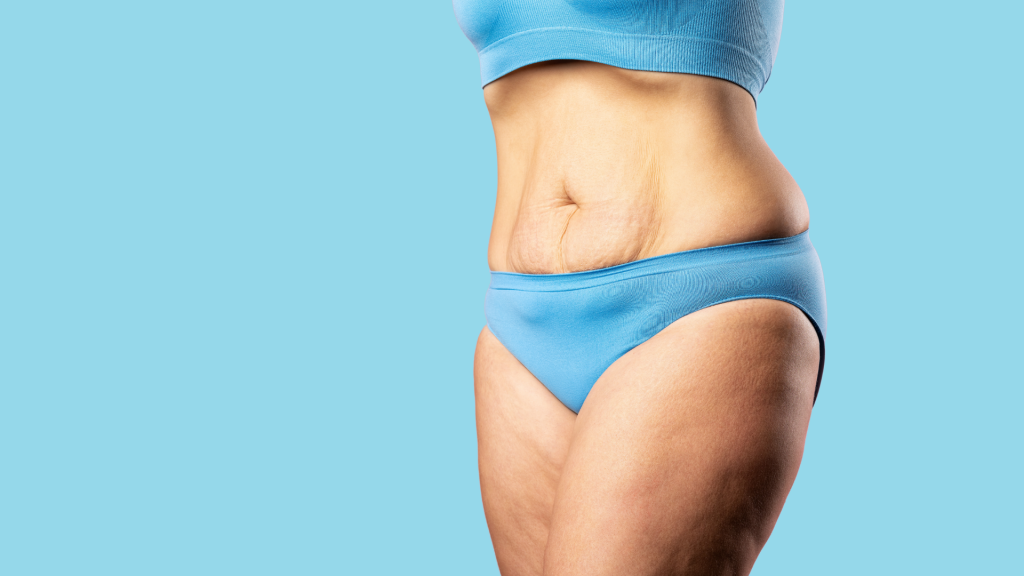
Understanding Tummy Tuck (Abdominoplasty)
Abdominoplasty, commonly referred to as a tummy tuck, is a surgical procedure designed to remove excess skin and fat from the abdominal area and tighten the abdominal muscles. This procedure aims to create a firmer, flatter abdomen and a narrower waist. It is important to note that a tummy tuck is not a substitute for a healthy diet and exercise routine but rather a surgical solution to address specific concerns that cannot be resolved through lifestyle changes alone.
There are various types of tummy tuck procedures, each tailored to address specific needs and achieve the desired contour. The choice of procedure depends on your individual goals and existing anatomy. At Dr Mohaghegh Plastic Surgery, our experienced surgeon will work closely with you to understand your specific needs and goals, ensuring that your abdominoplasty procedure is tailored to address both your health and aesthetic concerns.
Full Tummy Tuck
The full tummy tuck is ideal for patients who want to flatten the area above and below the belly button. It is suitable for healthy men and women who have weakening abdominal muscles or excess skin around their midsections. This operation, also known as a typical or normal tummy tuck, necessitates a horizontal incision between the hipbones and, in certain cases, an incision around the umbilicus (belly button). The plastic surgeon tightens the muscles and pulls the skin down over the stomach to remove the extra during the procedure. While a stomach tuck is not intended to be a weight-loss operation, liposuction can be performed to contour and decrease extra fat during the process.
Mini Tummy Tuck
Even the slimmest of persons can be troubled by a stubborn belly pooch that no amount of dieting or exercise can remove. The small tummy tuck was created specifically for this condition. It treats the area between the mons pubis and the belly button, which flattens away a little bulge in the lower abdomen. A short horizontal incision is made between the hipbones in the area covered by a bikini bottom, allowing the surgeon to tighten the underlying muscles and remove excess skin. Before the surgeon seals the wound, liposuction might be used to remove fat deposits if necessary. Because this treatment is less invasive than a traditional tummy tuck, there is no need to relocate the belly button, and patients typically recover faster. The areas of extra skin, fat, and muscle laxity above the umbilicus, on the other hand, are unaffected. In about a week, most people are able to resume their typical activities.
Extended Tummy Tuck
The extended tummy tuck is a more extensive variant of the full tummy tuck, as the name implies. It is designed to address the concerns of men and women who are in generally good condition but have excess skin around their tummy, hips, and lower back sides. A horizontal incision can stretch across the lower belly and across the hips for a prolonged tummy tuck, and a vertical incision may be required as well. As a result, the surgeon can treat a larger area and remove more excess tissue. The belly button is moved before the wound is closed, and liposuction is usually utilised to shape and eliminate extra fat. Patients who have this operation should anticipate a recovery period of a few weeks.
Your Body is the Most Important Factor
While the amount and location of excess skin are obviously important factors in selecting which style of tummy tuck is best for you, other characteristics of your anatomy can also play a role. The quality of your skin as well as your body type can have an impact on your results. Scarring from past surgeries should also be evaluated because it can make future surgeries more difficult. Furthermore, the location of extra fat deposits is important. While stomach tucks are useful in reducing fat that is positioned in front of the muscular wall, it does not treat the deeper visceral fat found behind it. Tummy tucks should be tailored to the patient’s specific needs for the greatest outcomes, therefore consultation with an expert board certified plastic surgeon is essential. Following a discussion of your specific goals and an examination of your anatomy, the doctor can educate you about your options, help you understand what kind of results you can expect, and design a treatment plan that includes the appropriate type of tummy tuck as well as any other procedures that may be required.
What To Expect With Open Rhinoplasty

Open rhinoplasty is a surgical procedure for reshaping the nose that involves making an incision across the columella between the nostrils and exposing underlying nasal structures.
Although it is more invasive than closed rhinoplasty, its increased level of precision allows for changes to be made directly to both its cosmetic aspects as well as its functionality – thus producing a potentially more accurate result.
This article will discuss what one can expect when undergoing open rhinoplasty; from reasons for choosing it over closed procedures to details regarding anaesthesia techniques and post-operative care.
It concludes by outlining potential risks and discussing frequently asked questions about recovering from open rhinoplasty. Through understanding these considerations, patients can make an informed decision when deciding on their chosen method of treatment.
Key Takeaways
- Open Rhinoplasty is a reconstructive surgery to modify the appearance of the nose, with incisions made between nostrils and tissue grafts used in some cases.
- Depending on individual needs, either open or closed rhinoplasty may be selected for cosmetic concerns. Open offers increased visibility during the procedure for precise revisions but carries risks such as bruising & swelling; realistic expectations should be had regarding outcome results following this advanced surgical technique.
- Anaesthesia and incision placement require a tailored approach based on the patient’s personal preference and medical history while Cartilage & bone reshaping within the nose structure plus refinements to define features are performed under direct access given from mid-columellar inverted-V shaped cut near the underside of the bridge (manually/or instruments).
- Symptoms like bruising, swelling and difficulty breathing through a newly shaped nose may occur post-surgery – recovery typically takes around 1 week off work whereas social activity may not resume until 6 weeks when the healing process becomes more pronounced with scarring reducing thereafter if careful attention is taken throughout rehabilitation period towards enjoying final results!
Definition of open rhinoplasty
Open rhinoplasty, also known as a “nose job”, is a surgical technique used to correct the cosmetic and functional deficits of the nose. This procedure involves making incisions to access and modify the osseocartilaginous framework to achieve the desired aesthetic results.
Open rhinoplasty provides direct exposure, inspection, and assessment of the nose structure which allows for very precise modifications that can be difficult or impossible using closed rhinoplasty.
Furthermore, cartilage grafts may be used in many cases which helps restore structural integrity and improve function. The decisions on whether general or local anesthesia is best suited towards each patient are made before surgery by Dr Mohaghegh Plastic Surgeon and your anaesthetist.
Overview of the procedure
Open rhinoplasty is an advanced plastic surgery method used to modify the appearance of the nose. It involves making incisions in various parts of the face, including along both sides of the nostrils and behind them inside the nostrils.
Oftentimes, additional skin may be removed or tissue grafts inserted. The doctor will use small surgical instruments to realign cartilage and bone structure beneath your facial skin, before reattaching it in a new shape.
Your surgeon may use certain techniques such as reshaping cartilage from within your nose or repositioning any broken bones you might have suffered after previous trauma. Open rhinoplasty also enables access to previously hidden nasal structures for revisional work if needed during reconstruction surgeries.
In addition to reshaping, refinements can be made to better define features like a straight ridge line between your eyes or angular tip projection just above them when looking down at your profile.
The recovery time following open rhinoplasty varies depending on how much tissue manipulation has been done; however, typically patients need around one week off work and some form of social activity may not resume until 6 weeks post-operative due to swelling and bruising at this stage while healing takes place prior fully corrected aesthetic results being visible.
Reasons for Choosing Open or Closed Rhinoplasty
Depending on your individual needs, the type of rhinoplasty procedure that’s most suitable for you may vary – find out more to make an informed decision.
Cosmetic concerns
Open rhinoplasty is a cosmetic surgery procedure that can correct both functional and aesthetic concerns of the nose. For many, an open rhinoplasty provides better access for the surgeon to refine areas such as the bridge, tip or nostrils than may be possible with a closed technique.
However, one of the main disadvantages is visible scarring due to the trans-columellar incision which must be made to gain direct access within the nose. Additionally, although open rhinoplasty does provide increased visualisation during surgery––allowing for more precise revisions––patients should also be aware of other potential risks associated with this type of procedure such as bruising, swelling and impaired nasal airflow or difficulty breathing through their newly shaped nose afterwards.
Patients considering open rhinoplasty should have realistic expectations regarding outcome results and understand all options before making treatment decisions.
Functional issues
Open rhinoplasty can address a variety of problems related to nasal airflow which may cause difficulty in breathing. Some common structural issues that can be corrected with an open rhinoplasty include narrowing of the nasal passages due to abnormalities such as curved cartilage or septal deviations, as well as correcting irregularities caused by trauma or previous surgery.
This procedure can also alter the shape and size of your nose, addressing cosmetic concerns that impact your ability to breathe comfortably. The goal is to create an aesthetically pleasing look while helping you get relief from any functional issues obstructing airflow through your nose.
Patients have found that undergoing this type of targeted surgery has resulted in more even breathing and overall better quality of life from alleviated discomfort associated with functional difficulties.
Procedure for Open Rhinoplasty
Open rhinoplasty involves an incision made between the nostrils to allow for reshaping of the internal structures of the nose, which can help improve both its form and function. Read on to learn more about this procedure!
Anaesthesia and incision placement
Open rhinoplasty requires a tailored approach to anaesthesia that is based on the patient’s personal preference and medical history. Patients can choose from either local or general anaesthesia during their procedure, depending on how much discomfort they are willing to experience throughout their operation.
Additionally, different types of anaesthetics may be combined for maximum comfort during the surgery. For example, if performing complex work on both nasal tip and cartilage grafts at once, combining intravenous sedation with local anaesthetic injections can give patients the most ideal experience for such an in-depth procedure.
Regarding incision placement, surgeons generally use a mid-columellar inverted-V-shaped cut near the underside of the nose bridge to minimise visible scarring following recovery. This incision allows more direct access for surgeons so they can perform precise modifications while minimising any potential damage by traditional internal or external instruments like forceps/suction devices which might distort cartilage and soft tissues within nose structures through contact trauma caused by handling which could lead to shape irregularities naturally occurring post rhinoplastic again compromising results post-operatively The strategic positioning of this incision further helps patients reduce postoperative swelling as well as minimise the visibility of any subsequent scarring that would otherwise display prominently due to facial movement when smiling or touching one’s face purposely located out of detection in normal vision even under close examination thereby perpetuating confidence into daily life after implantation.
Changes made during the surgery
Open rhinoplasty allows for the correction of both cosmetic and functional deficits of the nose. During open rhinoplasty, a small incision is made on either side of the columella (the middle segment between the nostrils).
This separates the skin from underlying bone and cartilage structure to allow your surgeon more access to all parts of your nasal anatomy. With this increased visibility, they can make precise modifications that can refine shape or address structural imbalances causing breathing problems.
These changes are often very small but have a profound impact on how well you look and breathe as well as reducing any lumps or bumps in your profile that may be visible at rest or during smiling.
Your plastic surgeon will sculpt delicate alterations around these areas so that each step taken contributes significantly to an overall improved outcome in combination with other treatments like septoplasty if required.
Recovery and aftercare
Following open rhinoplasty, patients need to take certain steps for complete and successful recovery. The goal is to minimise swelling and reduce the discomfort associated with healing during these early months post-surgery. Here are a few important guidelines that should be followed:
- Rest in bed with the head elevated to prevent bleeding and swelling from accumulating around the nose.
- A nasal splint will be put in place after surgery which should not be tampered with or removed until your follow-up appointment with your plastic surgeon.
- Cold compresses can help reduce any initial bruising or swelling as well. Always use hot towels only when recommended by your doctor for sinus relief as too much heat may damage skin tissues of the nose area leading to further complications including infection.
- Try breathing through the mouth instead of using your nose, especially within the days following surgery. An internal splint or packing material may have been inserted inside to protect inner structures but also slows down normal airflow resulting in obstructed breathing which can become uncomfortable over time so make sure you keep the mouth closed at all times if necessary see your GP immediately who advises relevant interventions, medications & treatments accordingly.
Advantages and Disadvantages of Open Rhinoplasty
When considering open rhinoplasty, it’s important to understand the advantages and disadvantages associated with this procedure in terms of aesthetics, surgical duration as well as post-operative recovery periods.
Scar visibility
One of the principal considerations for any rhinoplasty procedure is the potential visibility of scars. In closed (endonasal) rhinoplasty, incisions are placed inside nasal passages and therefore scarring is not externally visible following surgery.
However, if open rhinoplasty is required due to severe defects or structural anomalies, then the surgeon must make incisions at both sides and bridge of the nose which may be more noticeable after recovery.
Generally speaking; 98% of patients don’t find their external rhinoplasty scar objectionable while 90% consider it invisible or barely visible following healing process when looking in front-view position but can be seen from side view closely standing 1 metre away from them as well as exception cases that have a prominent facial feature such as light skin type/colour plus shallow nasal bridge could promote excessive sweating leading to greater swelling post-surgery and cause clear signs of scarring with highly stretched alterations on treated areas’ surfaces compared to none open technique adopted for most minor cases meanwhile consistent feeling among practitioners suggests that fading appearance becomes unobservable once wounds had sufficiently healed implicating definite advantage for applicable noses covering diffuse flat surface where single stitch wouldn’t result in noteworthy alteration moreover critical state shall no longer resulted by narrow featured subjects with less resilient tissue consistently showing various levels of prominence which turns out being coverable through additional measure values upon completion particularly redirected attention toward revitalising surrounding areas if those affected cannot allow embossment in consideration.
Skin colour considerations
During an open rhinoplasty, a small scar may be created; this generally heals in an almost imperceptible manner. However, it is important to consider potential differences in healing and scarring based on skin tone.
Patients with darker complexions may need to take specific precautions after the surgery. For example, they should use sun protection for a longer time than lighter-skinned individuals following their procedure as exposure to UV rays can cause hyperpigmentation of scars.
They should also talk to their surgeon about creams or substances that can help reduce the appearance of any visible appearance of incisions when healing has taken place across different skin tones.
Differences in recovery and results
Open rhinoplasty is a lengthier and more invasive procedure in comparison to closed rhinoplasty which may require additional incisions or the manipulation of cartilage, skin, bone, or other parts of the nose.
The primary difference between an open and closed rhinoplasty is the visibility and size of scars since an open procedure requires an incision across the columella at the base of the nose; these can be well concealed with time.
Open rhinoplasty has a longer recovery period due to swelling from increased access during surgery as well as possible bruising around the face due to the movement of tissues – both likely not seen with closed Rhinoplasties.
Frequently Asked Questions About Open Rhinoplasty
An important part of considering open rhinoplasty is having a clear understanding of the questions and potential answers surrounding the procedure. In this section, we will cover common queries regarding recovery time, differences from closed rhinoplasty procedures, and a comparison of reconstructive versus reductive options.
Recovery time
The amount of time it takes to successfully recover from open rhinoplasty depends largely on the individual and the extent of the procedure, but swelling after the surgery can take up to one year to fully subside.
Most people report that well-managed pain is not sufficient enough to require prescription medication, with some mild discomfort during recovery. Swelling and bruising should begin subsiding within a week following treatment, but may still be present for another three or four weeks after.
In most cases, the nose will have reached its final shape within six to twelve months afterwards; however small variations in skin texture and contours may remain even afterwards. To ensure proper healing and reduce potential risks it’s important to rest before resuming normal activities; remember also that smoking significantly hinders wound healing so abstaining until completely healed is highly recommended.
Comparison to closed rhinoplasty
As you consider the recovery time associated with open rhinoplasty, it’s also important to understand how it compares to the alternative, closed rhinoplasty. Both techniques aim to reshape the nose but differ in their approach and implications for the patient. Here is a concise comparison of the two:
Each technique has its advantages and disadvantages, and the choice ultimately depends on the patient’s specific needs and the surgeon’s recommendation. Open rhinoplasty provides more direct visibility for the surgeon, whereas closed rhinoplasty offers the benefit of no visible external scarring.
Reconstructive vs. reductive rhinoplasty options
Reconstructive rhinoplasty is a form of plastic surgery that revolves around restoring the look and feel of the nose. It’s often used to fix breathing issues resulting from deformities or injury, either externally or internally.
Reductive rhinoplasty, on the other hand, focuses more on reshaping certain aspects of the nose through reduction & augmentation techniques to create a new shape for aesthetic purposes.
The primary goal is always cosmetic – reducing widths/humps; creating curves & angles to improve symmetry; adjusting the size and length of nostrils, etc. Both types can offer dramatic transformations depending on what action needs to be taken but both require considerable skill from an experienced surgeon like Dr Frank Seely at his Sydney practice.
Conclusion
Open rhinoplasty is a safe and effective procedure for addressing cosmetic and functional issues of the nose. The open technique allows for access to the nasal bones and cartilage so that precise adjustments can be made, resulting in an improved outcome compared to closed rhinoplasty.
Moreover, open rhinoplasty carries the added benefit of minimal scarring due to the inverted V-shaped incision along the columella – healing up from this is almost imperceptible after surgery.
Patients can experience mild discomfort during recovery but this should subside as healing progresses over time. Open rhinoplasty offers a great way to improve both the form and function of one’s nose with natural look results in mind.
If you’re interested in a rhinoplasty consultation contact Dr Mohagheghs Plastic Surgery based in Sydey.
What to Expect from a Septorhinoplasty Procedure

At Dr Mohaghegh Plastic Surgery in Sydney, we understand that considering a septorhinoplasty procedure can be a significant decision. This surgical technique aims to improve both the aesthetic appearance and functional aspects of the nose, addressing issues such as a deviated septum, nasal deformities, and breathing difficulties. This article provides a comprehensive guide on what to expect from a septorhinoplasty procedure, including the pre-operative consultation, the surgical process, and the recovery period, helping you make an informed decision about your potential nose surgery.
Introduction to Septorhinoplasty Procedure
Are you contemplating a nose job to enhance your facial aesthetics or improve your breathing function? A procedure known as Septorhinoplasty could be the key to achieving these desired changes.
This article will guide you through what exactly this surgery entails, the prepping steps involved, and what recovery looks like. Dive in for an insightful journey into all things septorhinoplasty that might just help make your decision easier!
Key Takeaways
- Septorhinoplasty is a surgical procedure designed to improve both the aesthetics and functionality of the nose, addressing issues such as a deviated septum, nasal deformities, and breathing difficulties.
- Eligibility for septorhinoplasty is determined based on factors like obstructed airflow, sinus problems, difficulty breathing through the nose, or seeking facial symmetry improvement due to congenital defects or injuries.
- The pre – operative consultation is crucial in discussing goals and medical history with the surgeon. The procedure involves repositioning cartilage and bone which would be performed under general anesthesia. Recovery may take several weeks or months, with swelling being a common side effect that gradually improves over time.
- Potential risks include bleeding, infection, numbness in certain areas like the tip of the nose or upper lip, changes in sense of smell. It’s important to follow post-operative instructions carefully and seek medical attention if severe pain or unusual symptoms arise during recovery.
Understanding the Septorhinoplasty Procedure
The septorhinoplasty procedure is a surgical technique that aims to improve the appearance of the nose and enhance breathing capabilities.
Definition and purpose
Septorhinoplasty, often referred to as a ‘nose job’, is a surgical procedure designed to enhance both the aesthetic appearance and functionality of your nose. The treatment addresses numerous nasal issues such as deviated septum, nasal deformities, and breathing difficulties. .
By trimming, repositioning, and replacing cartilage or bone moves within your nose structure, this nasal reshaping can straighten out an askew septum which significantly improves airflow. Hence it serves dual purposes; rectifying any structural flaws for better breathing and moulding it into aesthetically pleasing shape — thus striking a balance between medical necessity and cosmetic aspiration.
This makes septorhinoplasty not only beneficial for individuals suffering from conditions like snoring or sleep apnea due to nasal obstruction but also those seeking enhancement in their facial symmetry through nose surgery.
Eligibility for the procedure
Assessing your eligibility for the septorhinoplasty procedure is an essential step undertaken during initial consultation with a proficient surgeon like Dr. Mohaghegh FRACS. This evaluation entails comprehensive health checks and analysis of both facial aesthetics and functional nasal requirements.
Prior medical history, current health status, and specific nasal deformities or obstructions are considered to determine suitable candidates for the operation.
Certain factors play a pivotal role in determining candidacy for this surgery. These include having a deviated septum that obstructs airflow, suffering from sinus issues or frequent nosebleeds, experiencing difficulty breathing through the nose, or seeking improved symmetry of the face due to congenital defects or injuries.
Not all applicants will meet these conditions; hence it’s crucial to have realistic expectations about what Septorhinoplasty can achieve based on individual circumstances.
It should be noted though that cosmetic Septorhinoplasty isn’t typically covered by Medicare or private health insurance schemes as it’s classified under elective procedures aimed at enhancing appearance rather than treating medically necessary conditions.
Despite this potential cost factor, many consider undergoing Septorhinoplasty owing to its dual benefit of improving both functional and aesthetic aspects of their nasal features effectively.
What to Expect During and After Septorhinoplasty Procedure
During and after the septorhinoplasty procedure, you will undergo a pre-operative consultation to discuss your goals, followed by the surgical process which may involve repositioning cartilage and bone, ultimately improving nasal airflow and correcting any structural issues.
Pre-operative consultation and preparation
Understanding the importance of pre-operative consultation and preparation is essential before embarking on a septorhinoplasty procedure. This initial step provides you with an opportunity to share your aesthetic goals and medical history with your surgeon, thereby ensuring a tailored surgical plan that aligns with your expectations.
It’s also during this phase where the expert nose surgeon in Sydney, like Dr. MohagheghFRACS, will conduct a detailed examination of your face structure—including skins quality —to determine eligibility for the procedure.
Alongside outlining how septorhinoplasty can address both cosmetic concerns and problems related to nasal obstruction—like deviated septum correction—it’s vital at this stage to have clear discussions about potential risks and complication and postoperative care for optimal recovery outcomes.
The surgeon may additionally provide advice regarding insurance coverage aspects of septorhinoplasty and possible nonsurgical alternatives if deemed more suitable based on individual needs or health considerations.
Maintaining transparency throughout this process ensures preparedness heading into surgery while strengthening trust between you and your selected surgeon..
In summary, thorough pre-operative discussion from which a successful nose surgery is built upon—with careful patient selection being paramount to achieving an optimal results.
Procedure timeline and surgical process
During a septorhinoplasty procedure, the surgical process typically takes about 3-4 hours and is performed under general anesthesia. The surgeon will make incisions on columella ( the skin between the nostrils) and inside your nose, allowing them to gently lift the skin envelope to reshape your nose and correct any breathing difficulties associated with a deviated septum.
Once the necessary corrections have been made, the incisions are carefully closed. After the surgery, you can expect to stay in an observation area for a short period before being discharged on the same day as an outpatient.
It’s important to note that swelling is a common side effect of this procedure but will gradually improve over time. Full recovery may take several weeks or months, during which it’s essential to follow your surgeon’s post-operative instructions for optimal healing outcomes.
Recovery process and potential risks
After a septorhinoplasty procedure, it is important to understand the recovery process and potential risks involved. The recovery timeline can vary for each individual, so it’s crucial to have realistic expectations.
Swelling and bruising are common after surgery and may take several weeks or even months to fully subside. During this time, it is normal to experience blocked nasal passages as the tissues heal.
While rare, there are potential risks associated with septorhinoplasty that you should be aware of. These include bleeding, infection, numbness in certain areas like the tip of the nose , and adverse reactions to anesthesia.
It is essential to follow your surgeon’s post-operative instructions carefully to minimize these risks and ensure proper healing.
Remember that if you experience severe pain or discomfort beyond what was initially expected or if any unusual symptoms arise during your recovery period, it is important to seek medical attention promptly.
Risks and Complications
During the recovery period, there are certain risks and complications that may arise from septorhinoplasty such as infection, excessive bleeding, nasal blockage, scarring, numbness, or changes in the sense of smell.
Potential risks and how to minimize them
Septorhinoplasty, like any surgical procedure, carries potential risks and complications that should be carefully considered. proper patient selection, thorough pre-operative planning, and precise surgical technique are crucial in minimizing the risks associated with septorhinoplasty.
It’s important for individuals considering a septorhinoplasty to understand that all surgical procedures come with some level of risk. However, there are steps you can take to minimize these risks.
Maintaining good nasal hygiene by practicing frequent handwashing and following post-operative care instructions can help reduce the chances of excessive bleeding and infection. Warning signs during recovery
It is crucial to be aware of the warning signs that may arise during your recovery from septorhinoplasty. While complications are rare, it’s essential to know what to look out for and when to seek medical attention.
Red flags such as excessive bleeding, severe pain that cannot be controlled by medications, persistent high fever, or signs of infection such as redness, swelling, or discharge should not be overlooked.
Additionally, if you experience difficulty breathing through your nose beyond the expected timeframe or notice any changes in sensation or function, it is important to consult with your surgeon promptly.
When to seek medical attention.
If you’ve recently undergone a septorhinoplasty procedure, it’s essential to be aware of when to seek medical attention. While complications are relatively rare, they can occur in some cases.
If you experience severe or persistent bleeding from your nose, contact your surgeon immediately as this could indicate a problem. Additionally, if you notice signs of infection such as excessive swelling, redness, warmth at the surgical site, or a fever above37.8°C, it’s crucial to consult with your doctor promptly.
Another warning sign that requires medical attention is persistent difficulty breathing through your nose even after the expected recovery period. This may indicate an issue with the internal structures of your nose that need addressing.
Conclusion
In conclusion, undergoing a septorhinoplasty procedure can be an exciting and life-changing decision. By understanding the process, being aware of what to expect during and after surgery, and following the necessary recovery steps, patients can achieve their desired results in both appearance and breathing function.
It is important to consult with a qualified surgeon to ensure realistic expectations and minimize any potential risks. Get ready for a confident new you!
Frequently Asked Questions
1. How long does it take to recover from a septorhinoplasty procedure?
The recovery time for a septorhinoplasty procedure can vary depending on the individual, but most patients can expect to see initial swelling and bruising improve within 1 to 2 weeks. It may take several months till 18 months for the nose to fully heal and for the final results to be visible.
2. Will there be any pain or discomfort after a septorhinoplasty procedure?
It is normal to experience some pain, discomfort, and nasal congestion after a septorhinoplasty procedure. Your surgeon will prescribe medications to help manage any pain or discomfort during your recovery period.
3. Are there any risks involved with a septorhinoplasty procedure?
As with any surgical procedure, there are certain risks associated with septorhinoplasty. These include infection, bleeding, scarring, changes in sensation, and unsatisfactory cosmetic outcomes. However, these risks can be minimized by choosing an experienced surgeon and following post-operative care instructions closely.
4. How soon after a septorhinoplasty can I resume my regular activities?
Most patients are able to resume their regular activities within 1-2 weeks following a septorhinoplasty procedure. However, it is important to avoid strenuous exercise or activities,that could potentially impact the nose during the first 6-12 weeks after your surgery.
General Facts
- Septorhinoplasty is a surgical procedure that aims to improve the appearance of the nose and enhance breathing capabilities.
- The procedure typically takes between 3-4 hours and is usually performed on an outpatient basis.
- Recovery from septorhinoplasty can take several weeks, and it may take up to a more than a year to see the final results.
- In the first 72 hours following the surgery, swelling in and around the nose will increase, and there may be a feeling of pressure.
- It is normal to experience some oozing during the first 48 hours after surgery, but if the bleeding becomes steady or severe, medical attention should be sought.
- The tip of the nose and the upper lip and gums may be numb after the procedure, but feeling will gradually return over the course of a few weeks to months.
- It is essential to have realistic expectations about the results of septorhinoplasty, as the final outcome may not meet every individual’s desired aesthetic goals.
- Septorhinoplasty can address various issues, including a deviated septum, nasal asymmetry, nasal hump, or a crooked nose.
- The recovery period may require taking time off work or other activities, and it is important to follow the surgeon’s post-operative instructions for a successful healing process.
- Before undergoing septorhinoplasty, it is advisable to consult with a qualified and experienced plastic surgeon who can assess your specific needs and discuss the potential risks and benefits of the procedure.
Facts about -Definition and purpose, Understanding the Septorhinoplasty Procedure
- Septorhinoplasty is a surgical procedure that aims to improve both the appearance and function of the nose.
- It involves reshaping the nose to enhance its aesthetic appearance and correcting any structural issues that may be causing breathing difficulties.
- Septorhinoplasty is commonly referred to as a “nose job.”
- The procedure can address various nasal issues, including a deviated septum, nasal deformities, and breathing problems.
- It may involve trimming, repositioning, and replacing cartilage and bone to straighten the nasal septum and improve airflow.
- Septorhinoplasty is often performed for both medical and cosmetic reasons.
- It can improve the quality of life for individuals with nasal obstruction, snoring, or sleep apnea.
- The surgery is typically performed under general anesthesia.
- Recovery from septorhinoplasty can take several weeks, and patients may experience swelling, bruising, and discomfort during this time.
- The cost of septorhinoplasty can vary depending on several factors, including , the length of surgical procedure, and the complexity of the procedure and whether it covered by medicare and private health fund
Facts about -Eligibility for the procedure, Understanding the Septorhinoplasty Procedure
- Septorhinoplasty is a surgical procedure that combines septoplasty (reshaping the septum) and rhinoplasty (reshaping the nose).
- The procedure is performed to correct nasal deformities, improve nasal function, and enhance facial aesthetics.
- Septoplasty straightens the nasal septum by trimming, repositioning, or replacing cartilage and bone.
- Septorhinoplasty can address both the nasal septum and other aesthetic concerns of the nose, such as asymmetry and proportions.
- The procedure may require grafts for implants to achieve the desired results.
- Dr.Mohaghegh FRACS has a vast experience in septoplasty and septorhinoplasty procedures in Sydney, NSW.
- Risks and complications associated with septorhinoplasty include but are not limited to infection, bleeding, scarring, and changes in nasal sensation.
- Cosmetic septorhinoplasty is usually not covered by Medicare or private health insurance.
- Septoplasty is not the same as septorhinoplasty, as the latter also addresses other nasal aesthetic issues.
- Septorhinoplasty can be an effective solution for patients with nasal deformities or functional nasal obstructions.
Facts about -Pre-operative consultation and preparation, What to Expect During and After Septorhinoplasty Procedure
- Septorhinoplasty is a surgical procedure that improves both the appearance of the nose and the ability to breathe properly.
- It is important for patients to have realistic expectations about the results of septorhinoplasty.
- Septoplasty is a related surgical procedure that specifically reshapes the septum and can help correct a deviated septum.
- Dr. Mohaghegh FRACS , plastic and Rhinoplasty surgeon in Sydney, NSW who performs septoplasty.
- Pre and post-operative instructions should be followed carefully for septal surgery to ensure proper healing and recovery.
- Careful patient selection and thorough preoperative analysis and planning are crucial for achieving successful rhinoplasty results.
- Septoplasty is a surgery specifically designed to correct a deviated septum, improving airflow through the nasal passages.
- Before undergoing rhinoplasty, it is essential to ask important questions about the surgeon’s expertise, the suitability of the procedure, and associated potential risks.
- There are various related searches regarding septorhinoplasty procedure steps, complications, surgery time, insurance coverage for septoplasty with rhinoplasty,, recovery time, and different types of nose surgery to improve breathing.
Facts about -Procedure timeline and surgical process, What to Expect During and After Septorhinoplasty Procedure
- Septorhinoplasty is a surgical procedure that involves reshaping the nose and correcting any breathing difficulties associated with a deviated septum.
- The procedure is typically performed under general anesthesia and takes approximately 3-4 hours to complete.
- During the surgery, the surgeon makes incisions outside and inside the nose and gently lifts covering tissues to make the necessary corrections.
- Septorhinoplasty is an outpatient procedure, meaning most patients can go home on the same day of the surgery.
- Swelling is a common side effect of the procedure and may last for two to three days, but full recovery can take several weeks or months.
- By three to six months after the surgery, the nasal tissues will be relatively stable, although some gradual changes may still occur.
- Septorhinoplasty can improve both the functional aspects of breathing and the aesthetic appearance of the nose.
- The surgery is often recommended for individuals with a deviated septum, chronic sinusitis, nasal trauma, or aesthetic concerns about the shape or size of their nose.
- Risks associated with septorhinoplasty include infection, bleeding, nasal blockage, scarring, and changes in sensation.
- It is important to consult with a qualified surgeon who specializes in septorhinoplasty to ensure a successful outcome and minimize the risks associated with the procedure.
Facts about -Recovery process and potential risks, What to Expect During and After Septorhinoplasty Procedure
- Septorhinoplasty is a surgical procedure that aims to improve the appearance of the nose and how a person breathes.
- Realistic expectations about the results of septorhinoplasty are important.
- Like any surgery, septorhinoplasty carries risks, including bleeding, infection, and numbness.
- Septoplasty, a similar procedure to septorhinoplasty, also carries risks such as bleeding, infection, and adverse reactions to anesthesia.
- After septorhinoplasty, the tip of the nose, upper lip, and gums may be numb, but feeling will return within a few weeks to a few months.
- Acute complications of rhinoplasty, including septorhinoplasty, can include abnormal swelling, hematomas, local infections, and skin necrosis.
- Skin Atrophy, and fibrosis are potential consequences of complications in rhinoplasty procedures.
- Frontal pain may occur for 10-14 days following significant septorhinoplasty surgery, but if it becomes very uncomfortable or worsens beyond 14 days, medical contact should be made.
- Common related search terms include what to expect after deviated septum surgery, septoplasty recovery day by day, septoplasty procedure steps, and more.
- The duration of swelling after septorhinoplasty can vary, and some individuals may experience blocked nasal passages for months following the procedure.
Facts about -Potential risks and how to minimize them, Risks and Complications
- Septorhinoplasty carries potential risks and complications, especially for individuals who are overweight.
- Regular exercise before surgery can help prepare the body for the procedure and aid in recovery.
- Risks and complications in rhinoplasty related to cartilage graft include infection, extrusion, distortion, and resorption. in the nose.
- All surgical procedures carry some degree of risk, including rhinoplasty.
- Heavy bleeding from the nose is a possible complication of rhinoplasty.
- Septoplasty, a surgical procedure to correct a deviated septum, also carries risks that include bleeding and infection.
- Keeping the nose clean and practicing frequent handwashing can help minimize the risks of excessive bleeding and infection.
- Proper patient selection, careful pre-operative planning, and meticulous surgical technique can help minimize the risks associated with septorhinoplasty.
- Long-term side effects of rhinoplasty and specific risks associated with the septorhinoplasty procedure are not mentioned.
- The information provided includes a mix of facts about septorhinoplasty, rhinoplasty, and septoplasty procedures, as well as the associated risks and complications.
Facts about -Warning signs during recovery, Risks and Complications
- Septorhinoplasty, which is a surgical procedure for both septoplasty and rhinoplasty, carries risks similar to any major surgery, including bleeding, infection, and adverse reactions to anesthesia.
- Rhinoplasty, a component of septorhinoplasty, is associated with many risks, including complications of the skin and soft tissues such as atrophy and fibrosis.
- Being overweight increases the risk of developing complications during septorhinoplasty, highlighting the importance of regular exercise to prepare for the procedure and aid in recovery.
- Possible complications of rhinoplasty include heavy bleeding from the surgical site and infections that may require antibiotic treatment.Septoplasty, a procedure focused on correcting a deviated septum, typically requires a few days of recovery and about a week of downtime.
- Septoplasty, like any surgery, carries certain risks, which should be considered by individuals undergoing the procedure.
- Risks associated with septorhinoplasty should be thoroughly explained by the surgeon, and patients may be required to sign a consent form acknowledging these risks.
- Long-term side effects of rhinoplasty and the possibility of complications after deviated septum surgery should be taken into consideration.
- Signs of infection after septoplasty should be monitored closely to ensure timely intervention and treatment if necessary.
Facts about -When to seek medical attention., Risks and Complications
- Septorhinoplasty carries risks, such as bleeding, infection, and adverse reactions to anesthesia.
- Overweight individuals have a higher risk of developing complications during septorhinoplasty.
- Regular exercise can help prepare for the procedure and aid in recovery.
- In rhinoplasty procedures, possible complications include heavy bleeding and infection.
- Using allograft cartilage in rhinoplasty pose risks such as infection, extrusion, distortion, and resorption.
- Septoplasty, a surgery to correct a deviated septum, also carries risks like bleeding and infection.
- Complications after septoplasty are more likely in smokers.
- Risks of septoplasty include bleeding, infection requiring antibiotics, and continued or recurrent nasal issues.
- It is important to seek medical attention if any adverse reactions or complications occur after a septorhinoplasty procedure.
- The cost of septorhinoplasty can vary, and it is beneficial to research and find a reputable surgeon in your area.
What is Open Rhinoplasty? Procedure Steps, Incisions & Scars Explained

Rhinoplasty, or nose surgery, is a significant procedure that can enhance both the appearance and function of the nose. Open rhinoplasty is a popular technique used to achieve both cosmetic and functional improvements. This article provides an in-depth look at open rhinoplasty, including its benefits, risks, and what to expect during the recovery process. Dr. Mohaghegh, a Sydney-based plastic surgeon, offers expert guidance to help patients make informed decisions about this transformative surgery. By understanding the procedure and its outcomes, individuals can better navigate the recovery process and achieve optimal results.
Key Takeaways
- Open rhinoplasty is a surgical technique used to correct both the cosmetic and functional deficits of the nose.
- Incisions are made on either side of the skin between the nostrils, allowing surgeons access to reshape and refine its structure.
- Open rhinoplasty provides precise results as it allows for more detailed analysis of nasal anatomy with greater visibility.
- Recovery from open rhinoplasty requires patience as swelling and bruising normally occur in the first few weeks post-surgery before major changes can be visible at 3 months later.Final results are seen up to 18 months post surgery
Understanding Open Rhinoplasty
Open rhinoplasty is a procedure that adjusts both the structure and aesthetics of the nose, with its main goal to improve symmetry and shape.
Definition and purpose
Open rhinoplasty is a surgical technique used to correct both the cosmetic and functional deficits of the nose. Instead of using cuts made inside the nostrils as in closed rhinoplasty, an incision is made on the skin between the two nostrils at the base of your nose – called columella – which enables our surgeon to reshape, add or subtract cartilage from your nose.
Using underdeveloped cartilages from other parts in order here such as ear and rib-cartilage, open rhinoplasty also allows access for augmentation by these materials beautifying and giving better definition for flatter noses where required.
Rest assured that precise measurements taken during consultation prior to surgery will be transferred onto our operating room so Dr Mohaghegh can ensure accuracy with consistency throughout this process.
Differences from closed rhinoplasty
Open rhinoplasty and closed rhinoplasty are both surgical procedures used to alter the nasal bone and cartilage to improve facial aesthetics and function. The main difference between them is access to the nasal structures during surgery.
Open rhinoplasty usually involves making a transcolumellar incision, which is a small cut on the columella (the strip of tissue between nostrils) that allows for direct visualisation and manipulation of the nose’s internal structural components.
Closed rhinoplasty, on the other hand, does not involve any external cuts but instead is performed entirely through incisions made inside of one’s nose. When choosing between open or closed nasal plastic techniques, it is important for patients to consider their individual needs as well as consult with a qualified surgeon who can make an informed recommendation based on these circumstances.
The Procedure of Open Rhinoplasty
– Incisions are made along the columella, with the skin of the nose then carefully lifted off to expose underlying structures for reshaping.
Incisions and skin lifting
During an open rhinoplasty, the surgeon will make incisions either inside the nose (a transnasal approach) or through a small external cut at the base of the nose. This enables them to lift away skin from the underlying bones and cartilage, allowing precise reshaping.
For example, in some cases a hump may be reduced by surgically removing parts of bone and/or cartilage. In other cases additional support or augmentation might be required with grafts taken from elsewhere on your body or supplied synthetically.
It is essential that these areas are separated in order for effective treatments to take place. By separating this layer of tissue and lifting it appropriately then any reshaping of bone and cartilage can take place safely without putting too much pressure on surrounding tissues which could lead to further damage as well as increased bleeding during surgery.
Reshaping the nose
In open rhinoplasty, the surgeon can gain greater access and control over reshaping the nose. This is enabled by making a small cut on either side of the skin between the nostrils, known as an external rhytidectomy incision or “open roof” incision, to provide direct access for surgery.
As part of this procedure, excess bone and cartilage are removed with a scalpel or chisel to create a more desirable shape in order to achieve desired aesthetic results. Reshaping techniques used may also include suturing techniques such as grafting (for building structure), trimming (for reducing size) and tip refinement (for providing support).
Open rhinoplasty may also treat structural problems that cause nasal airway obstruction thus improving how well you breathe through your nose. Through precise surgical precision offered by this technique many facial flaws such as noses too long or short; flared nostrils; hooked; upturned; rounded tips etc., can be corrected resulting in improved patient satisfaction with their overall appearance and breathing function post-surgery.
Closing the incisions
After the reshaping of the nose is complete, comes the process of closing up these incisions made on the outside. This usually involves suturing together both sides of all incisions used during open rhinoplasty – whether it’s marginal or columellar.
Sutures help keep both sides together in order to get a smooth transition from one side to another, and create an aesthetically pleasing look for the individual having this procedure completed.
While many different types of materials are used while performing surgery, there are two main types found in rhinoplasty: absorbable and non-absorbable sutures. Absorbable sutures provide immediate support after the procedure has been conducted as they slowly dissolve throughout time; whereas non-absorbable sutures provide longer-term stability when placed beneath layers of skin (different techniques may be applied depending on what needs to be addressed).
Benefits and Risks of Open Rhinoplasty
Open rhinoplasty offers precise and effective cosmetic results with improved nasal functionality, though the longer recovery time and potential risks of scarring and infection must also be taken into consideration before making a decision.
Precise and effective results
Open rhinoplasty can provide precise and effective results compared to closed rhinoplasty, thanks to the greater visibility achieved when lifting up a small portion of skin from the nose’s outer surface.
This allows for more detailed analysis of the structure and anatomy of the nose – an important step many surgeons consider crucial in ensuring optimal aesthetic outcomes. By being able to accurately measure and observe any subtle differences or irregularities, a highly-qualified surgeon such as Dr Mohaghegh in Sydney is better placed to effect manual adjustments that conform perfectly with a patient’s facial features.
Additionally, open rhinoplasty offers numerous benefits over closed techniques due its access nature – providing additional opportunities to remove cartilage or enlarge nasal cavities if necessary.
Longer recovery
Open rhinoplasty typically requires a longer recovery period compared to closed rhinoplasty. This is mainly due to the increased amount of dissection and manipulation of the skin, bone and cartilage that’s required in open surgeries.
As a result, swelling may take up to 18 months before in final result can occur. Immediately after surgery you can expect some traditional post-operative issues such as bruising and swelling around the eyes which should gradually improve over time.
During your long-term recovery it is important to avoid strenuous activities, smoking cigarettes, drinking alcohol excessively and taking medications that can thin your blood (such as aspirin).
Additionally, avoiding contact sports for several weeks following your surgery will reduce your risk of complications associated with open rhinoplasty such as infection or trauma to the healing area.
Scarring and infection risks
Open rhinoplasty carries the potential risks of scarring and infection. Following the procedure, some patients may experience heavy bleeding which will require medical attention. An infection after surgery is rare, occurring in about 2% of cases, but symptoms such as pus-like discharge, swelling and redness should be reported to a surgeon or doctor immediately.
Unlike closed rhinoplasty surgery, open rhinoplasty leaves a visible scar that can take time to heal properly depending on individual healing abilities. Though it is much more precise due to better visualization during the procedure than with closed surgery methods, there is higher risk for complications like delayed healing or infection.
Closed rhinoplasty has typical advantages such as producing less visible scars as well as reducing post surgical swelling and lower risk for an open wound incision site compared to an open technique used in open rhinoplasty.
Consulting with a qualified surgeon.
It is extremely important to consult with a board-certified surgeon who specializes in rhinoplasty before undergoing open rhinoplasty. This allows the patient to understand risks associated with this complex procedure and how it might affect any existing medical conditions as well as ensuring that expectations of both parties are aligned.
Qualified surgeons possess very specific expertise in facial anatomy which will maximise safety during surgery, safeguard against unnecessary scarring and optimize results. Additionally, consultations can determine whether an individual is more suitable for open or closed rhinoplasty and whether alternative techniques such as ultrasonic rhinoplasty may better suit their needs.
Ultimately, professional consultation ensures individuals receive all relevant information about the procedure from experienced professionals which helps make an informed decision regarding Open rhinoplasty.
Conclusion
Open rhinoplasty can provide lasting and aesthetically pleasing results for a wide range of patients. The open technique gives surgeons more control over the operation, allowing them to access and reshape areas that are not normally accessible during closed rhinoplasty.
While open rhinoplasty may result in improved breathing, those seeking a purely cosmetic solution should speak with an experienced surgeon to explore other options.
Recovery from open rhinoplasty requires patience as immediate changes may only be subtle. Swelling and bruising is likely during the first few weeks post-surgery but these will gradually subside until major changes are visible around three months later.
It’s important that you follow all instructions provided by your doctor after your surgery – this includes monitoring any potential signs of infection or complications such as scarring which can occur if proper care is not taken immediately after surgery has been performed.
Ultimately, it’s important to consult with qualified surgeons when considering open rhinoplasty so that they can help determine whether it’s right for you – regardless of the outcome desired!
FAQs
1. What is an open rhinoplasty procedure?
Open rhinoplasty is a surgical procedure that reshapes the nose by making incisions both at the base of the nose (external incision) and inside the nostrils. It can be used to reduce or increase the size, change the shape of your nasal tip as well as altering its profile or correct structural deformities.
2. When would I need open rhinoplasty?
Open rhinoplasty is suitable for more complex facial changes including correction of birth defects such as cleft lip, correction of damage from trauma and even redefining one’s breathing pattern through reshaping the inner architecture of their nose.
3. How long does recovery take following an open rhinoplasty?
Full recovery usually takes about 18 months after surgery with initial results visible soon after swelling subsides which generally occurs within two weeks post-procedure. You may experience some minor bruising on and around your face during this time however it should subside quickly with proper rest/care given during this period.
4. Are there any risks associated with open rhinoplasty?
Yes, like all surgeries, there are potential risks associated with open rhinoplasty including infection, excessive scarring/ bleeding and reaction to anesthesia administered during actual operation depending upon individual patient health status & history prior to usage
General Facts
- Open rhinoplasty is a technique used to correct both cosmetic and functional issues of the nose.
- It is performed by making a small external incision at the base of the nose, between the nostrils.
- The skin of the nose is then folded upward to reveal the cartilage and other structures underneath.
- This technique allows for more extensive access to the nasal structures, making it suitable for complex cases.
- Open rhinoplasty is often preferred when significant changes to the nasal tip are required.
- Surgeons use open rhinoplasty to make noticeable and lasting changes to the nasal tip, such as narrowing and rotating it.
- It can also be used to correct structural problems in the nasal passages that affect breathing.
- Open rhinoplasty may be recommended when only a small amount of work is needed.
- The procedure can be performed under general anesthesia or local anesthesia with sedation.
- Recovery from open rhinoplasty may take several weeks, with swelling and bruising gradually subsiding over time.
Facts about – Definition and purpose, Understanding Open Rhinoplasty
- Open rhinoplasty is a surgical technique used to correct both the cosmetic and functional deficits of the nose.
- It is a procedure that aims to change the shape and structure of the nose.
- Rhinoplasty can be performed for cosmetic reasons to improve the appearance of the nose.
- It can also be done to address functional issues, such as breathing difficulties.
- Open rhinoplasty involves making an incision on the columella, the strip of tissue that separates the nostrils.
- This technique provides the surgeon with better visibility and access to the underlying structures of the nose.
- The bone and cartilage architecture of the nose can be altered during open rhinoplasty.
- Open rhinoplasty is one of two surgical pathways into the nose, with the other being closed rhinoplasty.
- Closed rhinoplasty involves making incisions inside the nose, without any external visible scars.
- Open rhinoplasty may be recommended for more complex cases that require extensive modification.
Facts about – Differences from closed rhinoplasty, Understanding Open Rhinoplasty
- Open and closed rhinoplasty are surgical procedures used to alter the nasal bone and cartilage to improve appearance and function.
- The main difference between open and closed rhinoplasty lies in the access to the nasal structures during surgery.
- Open rhinoplasty involves making a transcolumellar incision, which is a small cut on the columella (the strip of tissue between the nostrils), allowing for direct visualization and manipulation of the nasal structures.
- Closed rhinoplasty, on the other hand, is performed entirely through incisions made inside the nose, without any external cuts.
- The choice between open and closed rhinoplasty depends on the patient’s individual needs and the surgeon’s recommendations.
- Both open and closed rhinoplasty can achieve excellent results in terms of cosmetic and functional improvements.
- Closed rhinoplasty may be preferable for patients who require less extensive modifications to their nasal structures.
- Open rhinoplasty may be recommended when more significant changes are needed or when the surgeon needs better access to the nasal framework.
- Recovery time for both open and closed rhinoplasty procedures can vary, but most patients can expect some swelling and bruising for a few weeks.
- It is essential for patients considering rhinoplasty to consult with a qualified and experienced surgeon to understand the potential risks, benefits, and individualized approach for their specific case.
Facts about – Incisions and skin lifting, The Procedure of Open Rhinoplasty
- Open rhinoplasty is a surgical technique used to correct both cosmetic and functional issues with the nose.
- The procedure can be performed for both cosmetic reasons or to correct functional deficits.
- The surgeon makes incisions either inside the nose or through a small external cut at the base of the nose.
- The incisions allow the surgeon to lift the skin away from the underlying bones and cartilage.
- Open rhinoplasty involves separating the skin of the nose from the underlying structures to make changes to the bone and cartilage.
- The procedure allows for major nose reshaping.
- Open rhinoplasty typically takes 1.5 to 3 hours and is usually performed on an outpatient basis.
- In contrast, closed rhinoplasty involves making incisions within the nostrils, without external cuts.
- Through the incisions made in open rhinoplasty, the surgeon can access and reshape the structure of the nose.
- Open rhinoplasty may also involve the use of cartilage grafts for additional support or augmentation.
Facts about – Reshaping the nose, The Procedure of Open Rhinoplasty
- Open rhinoplasty is a surgical procedure that aims to change the shape of the nose.
- It is used to correct both cosmetic and functional deficits of the nose.
- The open rhinoplasty technique involves making a small cut on the nose, typically across the skin between the nostrils.
- This cut allows the surgeon better access to the nasal structures for reshaping and correction.
- Open rhinoplasty can be performed for both cosmetic reasons and to improve breathing.
- The procedure is commonly referred to as a “nose job.”
- Rhinoplasty is a popular option for individuals who are unhappy with the size or shape of their nose.
- The surgery can improve both the appearance of the nose and how the patient breathes.
- Rhinoplasty can be performed as a closed procedure, with incisions made inside the nostrils, or as an open procedure with a small external incision.
- Like any surgical procedure, rhinoplasty carries risks and potential side effects, which should be discussed with a qualified surgeon before undergoing the surgery.
Facts about – Closing the incisions, The Procedure of Open Rhinoplasty
- Open rhinoplasty involves making incisions on the outside of the nose, known as columellar and marginal incisions.
- Sutures are used to close these incisions during open rhinoplasty.
- In addition to the columellar and marginal incisions, an extra incision is made across the columella in open rhinoplasty.
- Open rhinoplasty allows for better access and visibility for the surgeon during the procedure.
- Septal coapting, graft fixation, tip/supra-tip contouring, and septal splint placement are some of the techniques used in open rhinoplasty.
- Open rhinoplasty may result in more swelling and scarring compared to closed rhinoplasty.
- Closed rhinoplasty involves making incisions inside the nose, leading to less visible scarring.
- The choice between open and closed rhinoplasty depends on the patient’s specific needs and the surgeon’s recommendation.
- Open rhinoplasty can be performed for both cosmetic and corrective reasons.
- The incision type used by the surgeon determines whether the rhinoplasty procedure is classified as open or closed.
Facts about – Precise and effective results, Benefits and Risks of Open Rhinoplasty
- Open rhinoplasty allows for a more accurate measurement and analysis of the nose’s anatomy compared to closed rhinoplasty.
- Open rhinoplasty provides better visibility of the nasal structures, allowing the surgeon to make precise adjustments.
- Rhinoplasty is a surgical procedure performed to repair or reshape the nose, either for cosmetic reasons or to correct structural issues.
- Risks associated with rhinoplasty include infection, scarring, and blood clots.
- Open rhinoplasty is generally more time-consuming and invasive than closed rhinoplasty, which may result in slightly more noticeable swelling and bruising.
- Ultrasonic rhinoplasty is a modern technique that offers less risk compared to traditional nose job procedures.
- Patients who undergo open rhinoplasty may require cartilage grafts for additional structural support.
- Rejection of rhinoplasty can be identified through certain signs and symptoms.
- Closed rhinoplasty is an alternative technique that involves incisions made only inside the nostrils, resulting in less visible scarring.
- Open septorhinoplasty is a specific procedure that combines open rhinoplasty with correction of a deviated septum.
Facts about – Longer recovery, Benefits and Risks of Open Rhinoplasty
- Open rhinoplasty is a surgical procedure performed to repair or reshape the nose, either for cosmetic reasons or to correct structural problems.
- There are benefits and risks associated with open rhinoplasty.
- Open rhinoplasty can have a longer recovery time compared to closed rhinoplasty.
- Swelling and bruising are common complications of open rhinoplasty.
- Closed rhinoplasty may result in slightly less swelling during the recovery period.
- The recovery time for rhinoplasty is divided into immediate and long-term recovery.
- Swelling after open rhinoplasty may take up to a year to fully resolve.
- There are potential long-term side effects of rhinoplasty.
- Open rhinoplasty is also known as open septorhinoplasty.
- Open rhinoplasty is a surgical procedure that requires careful post-operative care and adherence to the surgeon’s instructions for optimal results.
Facts about – Scarring and infection risks, Benefits and Risks of Open Rhinoplasty
- Open rhinoplasty carries the risk of scarring and infection.
- Complications of rhinoplasty can include heavy bleeding and the need for antibiotic treatment for infection.
- The risks associated with open rhinoplasty are similar to those of any major surgery, such as bleeding and infection.
- An infection after rhinoplasty surgery is rare, occurring in about 2% of cases. Symptoms may include pus-like discharge, swelling, and redness.
- Open rhinoplasty involves a visible scar, unlike closed surgery.
- Closed rhinoplasty has advantages such as less visible scarring, reduced swelling, and a lower risk of an open wound.
- Long-term side effects of rhinoplasty are not specifically mentioned in the given information.
- The risk of death from rhinoplasty is not discussed in the provided sources.
- The information does not mention specific risks or complications associated with rhinoplasty after 20 years.
- The rejection of rhinoplasty is not mentioned as a potential risk or complication.
Facts about – Consulting with a qualified surgeon, Benefits and Risks of Open Rhinoplasty
- Consulting with a qualified surgeon is essential for anyone considering open rhinoplasty, a surgical procedure aimed at repairing or reshaping the nose.
- Open rhinoplasty is performed for both cosmetic reasons and to correct structural problems with the nose.
- Like any major surgery, open rhinoplasty carries certain risks, including bleeding and infection.
- Ultrasonic rhinoplasty is a less invasive technique that offers lower risks compared to traditional nose jobs.
- Rhinoplasty is associated with various risks, as expectations of patients and physicians may not always align.
- Open rhinoplasty is typically a longer operation and is more suitable for patients who require alterations to the tips of their nose.
- Closed rhinoplasty is an alternative technique that avoids visible scarring.
- Common complications of rhinoplasty include bleeding and infection.
- Consulting with a qualified surgeon can help individuals understand the benefits and risks associated with open rhinoplasty and how the procedure works.
What is involved in a Breast Augmentation?
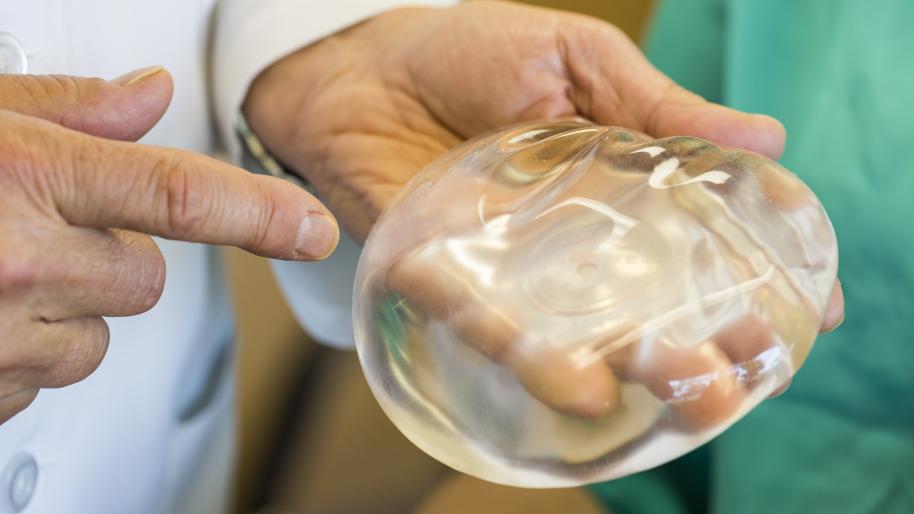
Breast augmentation, often termed a “boob job”, enhances aesthetic appeal and significantly elevates confidence and body image. This procedure entails the precise placement of implants within the breasts to boost volume and enhance symmetry. For those in Sydney or wider NSW, choosing accredited experts in this field is essential, as sometimes the cheapest option isn’t always the best option (revisions and complications should be taken into consideration).
An appropriate surgeon (like Dr Mohaghegh) ensures comprehensive management of breast augmentation surgery—from the selection between saline and silicone implants to the explanation of post-operative care. These experts hold accreditations from bodies such as the Royal Australian College of Surgeons, thoroughly trained to handle both the technical requirements and aesthetic aspects of augmentation mammoplasty. Continue reading to learn how these surgical enhancements can safely and effectively transform one’s physical appearance.
At Dr. Mohaghegh Plastic Surgery Sydney, understanding the significance of being thoroughly informed about healthcare options is essential. Breast augmentation is a cosmetic surgery aimed at enhancing the shape, size, and symmetry of breasts using implants. The detailed guide provided is designed to ensure a complete understanding of the breast augmentation procedure. It covers the benefits, detailed steps involved, recovery periods, and anticipated results post-surgery. Whether you are considering this surgery to correct asymmetrical breasts, restore volume lost after pregnancy or significant weight loss, or to enhance your self-esteem with a rejuvenated appearance, this guide will help you make an informed decision about altering your looks.
Why is a breast augmentation done?
Breast augmentation is often sought by individuals to improve the visual appeal of their chest. This might involve increasing breast size or adjusting their shape and symmetry to enhance self-image and confidence.
The procedure also serves functional purposes, such as revitalizing breast volume and form after substantial weight loss, childbirth, or a mastectomy. It helps in enhancing the overall balance and symmetry of the breast area.
What’s involved in the procedure?
Breast augmentation takes place in either a hospital setting or a day surgery unit and typically doesn’t require an extended hospital stay (in most cases). Administered under general anesthesia, patients remain unconscious for the duration of this cosmetic operation.
In this procedure for enhancing the breasts, Dr Mohaghegh makes an incision in the area around the breast before positioning the implants in a pocket crafted inside the chest. These implants may be placed under the chest muscle or between the breast tissue and muscle (depending on your characteristics). The choice of implant placement has a significant impact on recovery durations and it’s crucial to consult Dr Mohaghegh Plastic Surgery Sydney about which method is best for your body and meets your expected outcomes.
What should you consider?
Below are elements of a breast augmentation that you should take into consideration before deciding to go ahead. These include;
- Your Surgeon
- The implant you’re considering
- Costs
- If you’re the right fit for this operation
These should be discussed both with your the surgeons you are reviewing and also thought about.
Your Surgeon
When planning breast augmentation, it’s crucial to choose a surgeon with whom you feel comfortable. The surgeon should clearly communicate both the risks and the benefits of the surgery. It’s also vital to verify that the surgeon is accredited as a Fellow of the Royal Australian College of Surgeons, which can be confirmed through the Australian Health Practitioner Regulation Agency (AHPRA). Making sure your surgeon understands your specific needs is essential for the best outcomes from your breast augmentation.
Implant Selection
The type of implant chosen is critical for the success of the procedure. There are variations in materials, sizes, shapes, and projections. In Australia, there are primarily two types of breast implants used:
– Silicone implants: These implants have a silicone shell filled with a pliable silicone gel, mimicking the feel of natural breast tissue. For patients with less body fat, silicone implants are favored because they are less visible.
– Saline implants: Comprising a silicone shell filled with a sterile saline solution, these implants allow adjustment in size, useful for correcting disparities in breast size. They are preferred for their capability for smaller surgical incisions, although they may show more rippling in thinner patients.
The choice of implant size should be appropriate for your body frame; larger frames may require bigger implants to achieve the desired enhancement. Excessively large implants might stretch the skin excessively and cause breast sagging (in cases where patients want to increase their breast size dramatically, it is recommended to do this over a period of time as the skin can ripple if done too quickly). The selection between rounded or teardrop-shaped implants should be based on your existing breast shape and aesthetic goals. Rounded implants provide a fuller upper profile, while teardrop-shaped implants maintain the natural slope of the breast without overly emphasizing the upper breast.

Costs associated with the procedure
Breast augmentation is generally not covered by Medicare or most private health insurance plans; therefore, discussing all potential costs with your surgeon is important. It’s beneficial to learn which costs may be partially reimbursable by private health insurance before proceeding with any breast enhancement surgeries.
To get a quote from Dr Mohaghegh Plastic Surgeon please contact our friendly team through our contact us page.
What are the risks?
Breast augmentation, like any surgical procedure, carries certain risks. These should be thoroughly discussed with Dr Mohaghegh Plastic Surgery Sydney.
Risks generally associated with this procedure include:
- Swelling and bleeding in the chest area
- Infections at the site of surgery
- Changes in sensation in the nipple or breast
- Damage to tissue around the breasts
For further information on the risks associated with breast augmentations please also review the health direct information relating to this topic through this link.
Questions to ask your surgeon
If you are considering a breast augmentation, we recommend asking yourself and the surgeon you are considering the following questions:
- Are you a Fellow of the Royal Australian College of Surgeons?
- How extensive is your experience with breast augmentation?
- In what locations are these procedures conducted by you?
- Would I be a good candidate for breast augmentation?
- What recommendations do you have for the type, size, and shape of the implants for me?
- Could you provide before and after photos of breast augmentations you have performed?
- What complications might arise from breast augmentation in my situation?
- Is there an impact on breastfeeding after having a breast augmentation?
- What preparations do I need to make before the operation?
- What is the expected duration of hospital stay after the operation?
- Can you describe the expected pain, swelling, and bruising post-procedure?
- How soon after the surgery can normal activities be resumed?
- Typically, how long do the implants last?
- What are my options if I am not satisfied with the results?
Is a breast augmentation right for me?
When contemplating breast augmentation in Sydney, take the decision seriously. This procedure is suitable for women wanting larger breasts, those who have experienced changes due to pregnancy or breastfeeding, individuals with asymmetrical breasts, and anyone aiming to restore a youthful appearance. Make sure your expectations are realistic regarding the surgery’s outcomes and be clear about your reasons for choosing this treatment. It is important to actively communicate with your surgeon, ask relevant questions, and understand their recommendations before making a decision.
How can I find out more about breast augmentation in Sydney?
To explore more about breast augmentation or if you have further questions, please contact Dr Mo. The team is ready to provide information and can set up an initial consultation to discuss your options and expectations.
Conclusion
Breast augmentation in Sydney focuses on enhancing breast size and shape using implants. It’s essential that surgeons who perform this surgery are accredited by the Royal Australian College of Surgeons via AHPRA, confirming their capability to conduct such sensitive procedures as augmentation mammoplasty. While general anaesthesia facilitates a prompt home return after the operation, individuals might experience issues such as swelling and alterations in nipple sensation. In-depth conversations with Dr Mohaghegh Plastic Surgery Sydney regarding expenses are essential, as most health insurance plans do not encompass this operation. This consultation helps ensure that individuals considering breast augmentation in NSW have well-grounded expectations for their transformation. Candidates should examine before and after images carefully to accurately understand the potential results of their desired physical modifications.
What is Tip Plasty and How Can it Improve Your Nose?

Introduction
Tip plasty, or nasal tip reshaping, is a specialized surgical procedure designed to refine and improve the appearance of the nasal tip. This technique involves carefully reshaping the size and shape of the nasal tip to achieve a more balanced and harmonious facial appearance. Dr. Mohaghegh, a qualified and experienced plastic surgeon in Sydney, offers personalized consultations and tailored approaches to help patients achieve natural-looking results while prioritizing safety and individual needs. This article provides an in-depth look at tip plasty, including its benefits, the procedure itself, and what to expect during recovery, helping you make an informed decision about this transformative surgery.
Are you unhappy with the appearance of your nose? Tip plasty, or a nasal tip reshaping procedure, is a cosmetic surgery that can help improve the look of your current nose. This technique involves refining the size and shape of the nasal tip for a more balanced overall facial appearance.
With qualified surgeons such as Dr Mohaghegh Plastic Surgeon in Sydney, Australia, you can also reap improved function from this medical procedure. Read on to discover how taking advantage of tip plasty could give you greater confidence in your new-look nose!
Key Takeaways
- Tip Plasty is a rhinoplasty that specifically focuses on reshaping the nasal tip
- Tip plasty can reduce size of nostrils, increase nose projection and symmetry for improved facial balance and appearance
- Risks associated with tip plasty include infection, bleeding, bruising, delayed healing and scar formation – choosing an experienced specialist to provide treatment like Dr Mohaghegh Plastic Surgeon in Sydney is highly recommended
What is Tip Plasty?
Tip plasty is a cosmetic procedure that involves elevating the nasal tip to create an aesthetically pleasing contour.
Definition and Procedure
Tip Plasty is a type of rhinoplasty that specifically focuses on reshaping the nasal tip. During this procedure, the surgeon will use techniques such as excision, dissection, and augmentation to accurately refine and contour the shape of the tip for better balance with other facial features.
The goal is to improve its aesthetics while maintaining certain degree of naturalness so that it complements your overall appearance rather than looking unnatural or over altered. To achieve this result, an experienced plastic surgeon may use closed-tip plasty approach where he/she will make incisions inside the nostrils without cutting through visible skin outside.
They will then modify cartilage in order to redefine angles and ratio between different elements such as eyebrows, chin size & shape along with nose shape & size. After understanding patient’s individual anatomy & needs they can perform Tip Plasty safely without damaging surrounding structures like the septum resulting more even refined outcome. bHow it Improves Your Nose
Tip plasty, also known as tip rhinoplasty, can improve the shape of your nose and enhance your facial appearance. During a tip plasty procedure, the surgeon removes excess skin from the nasal tip and restructures underlying cartilage or bone.
This allows them to reshape the nose into an attractive point that has more symmetrical features than before. They may inject dermal fillers throughout the process in order to smoothen out bumps or refine areas of concern for a smoother result.
The benefits of having a successful tip plasty include reshaping a wide nasal tip into one with more pleasing proportions and reducing nostril asymmetry as well as giving patients with bulbous noses an improved overall look after surgery.
Benefits of Tip Plasty
Tip plasty can improve the overall balance and contour of the facial profile by refining the shape and size of the nasal tip, correcting asymmetry issues, and enhancing aesthetic appearance.
Refining the Tip Shape and Size
Tip plasty is a surgical procedure that can be used to refine and reshape the tip of the nose. This type of rhinoplasty focuses specifically on improving the shape, size, and contours of the nasal tip to create a more balanced appearance.
Techniques such as reducing the size of the nasal tip, narrowing flared nostrils, and elevating depressed tips are all common during this procedure.By restructuring cartilage at strategic points throughout the nasal tip, surgeons work to close poorly defined columellar margins while preserving vital anatomical landmarks for natural movement when smiling or speaking.
Correcting Asymmetry
Tip plasty is a particularly effective procedure for correcting asymmetry on the nasal tip. This is when one side of the nose appears to be disproportionate to the other side. In addition, this procedure can address concerns such as wide nostrils and give structure and better definition to a large or bulbous nose.
Unlike traditional rhinoplasty, the results of tip plasty are often less dramatic since its primary purpose is merely to refine existing structures rather than making major changes in shape or size with more advanced surgery techniques.
Removing excess cartilage from around the nasal tip helps create greater symmetry between both sides, resulting in an improved overall look that radiates balance across facial features while highlighting subtle natural contours.
Enhancing Overall Appearance
Tip plasty is an excellent way to refine and improve the overall appearance of your nose. It can reduce the size of the nasal tip, narrow the nostrils, and give a more defined tip with better projection.
The procedure involves making subtle refinements to shape and symmetry that leads to greater balance in your facial features.
By correcting any asymmetry or malformations present in nasal anatomy, you can rest assured knowing that results from these subtle changes will look natural while having minimal visible scarring post-surgery.
Risks and Considerations for Tip Plasty
Patients should be aware of the risks associated with tip plasty such as infection, swelling, and prolonged healing times, which may affect the outcomes of the procedure.
Possible Complications
Tip plasty carries risks and potential complications. The most common issues associated with this surgical procedure include infection, bleeding, bruising, delayed wound healing, and scar formation.
Some individuals may experience temporary numbness in the area of surgery, as well as difficulty breathing through their nose due to swelling at the nasal tip. In rare cases, a hole can form in the septum (septal perforation), which may require further procedures such as cartilage grafting for repair.
It is important that anyone considering tip plasty understands these risks and speaks openly to their surgeon about their medical history and lifestyle factors that could increase risk for any of these complications.
Additionally it is important to remember that there is no guarantee on results or outcomes from tip rhinoplasty; therefore having realistic expectations during and after the surgery can help minimize disappointment if desired results are not achieved.
Selecting a Qualified Surgeon
When considering tip rhinoplasty, it is essential to seek out a qualified and experienced plastic surgeon who specializes in nasal surgery. Not only will they be familiar with the techniques needed for successful nose reshaping or augmentation results, but they can also minimize potential complications associated with the procedure.
The importance of selecting an expert surgeon cannot be overstated, as any mistakes made during the operation could permanently affect the appearance and function of your nose. Although cost factors may differ depending on where you receive your treatment, bearing in mind that good health as well as excellent aesthetic outcome should always be priority when choosing a provider.
Dr Mohaghegh Plastic Surgery provides reliable expertise and quality service across Sydney offering patients personalized consultation and tailored approach aiming to deliver natural-looking end results while prioritizing safety first.
Recovery and Aftercare
The recovery process after tip plasty is relatively straightforward and typically includes proper rest, care for the area, and following post-operative instructions provided by your surgeon.
Aftercare may include refraining from blowing or rubbing your nose, avoiding strenuous exercise like heavy lifting, swimming or sports during this period as well as limiting sun exposure to reduce irritation.
Painkillers may be prescribed to manage any discomfort in the initial few days but mild bruising and swelling are common side effects that should subside within 7-10 days. During post-procedure follow ups with your surgeon they will provide you with detailed instructions including nose cleaning advice and answers to other questions you have regarding care and active lifestyle concerns throughout this time frame.
Conclusion
Tip plasty is an innovative cosmetic procedure used to reshape the nose and improve its overall appearance. It can help refine the nasal tip shape and size, correct asymmetry, reduce width of the nose, and enhance overall facial symmetry.
Though the procedure can deliver significant enhancements with minimal discomfort or downtime, determining whether this type of surgery is right for you should be done only after consulting with a qualified specialist like Dr Mohaghegh Plastic Surgery in Sydney.
Risks associated with tip plasty include scarring, infection, side effects caused by anesthesia use, changes in skin sensation following surgery and other potential complications that need to be taken into account before beginning treatment.
The recovery process after tip plasty will depend on individual factors such as age as well as post-surgery care instructions given by your chosen surgeon.
General Facts
- Tip plasty, also known as nasal tip reshaping or tip rhinoplasty, is a cosmetic procedure that aims to enhance and improve the appearance of the nasal tip.
- The procedure involves elevating the nasal tip to create a more aesthetically pleasing contour, often referred to as a “nose tip lift.”
- Tip plasty can help correct overprojecting nasal tips, which refers to when the tip protrudes too far out from the face.
- Dermal fillers may be used during the tip plasty procedure to smooth out bumps, improve nasal symmetry, and reshape the nasal tip.
- The main goal of tip plasty is to provide a more contoured and balanced appearance to the nasal tip.
- Tip plasty can also reduce the width of the nose, giving it a sharper point.
- The procedure can lead to significant changes in the overall look of the face by subtly altering the shape of the nasal tip.
- Tip rhinoplasty, another term used for tip plasty, can improve nasal function by repairing existing defects.
- The cost of tip plasty in Melbourne, Australia, may vary depending on individual factors and the specific clinic or surgeon chosen.
- Recovery time after tip plasty can vary, and patients should follow their surgeon’s post-operative instructions for optimal results.
Facts about – Definition and Procedure, What is Tip Plasty?
- Tip Plasty is a surgical procedure that focuses on correcting the nose tip, giving it a sharper point and reducing its width.
- It is a type of rhinoplasty that specifically targets the nasal tip to improve the overall appearance of the nose and face.
- The procedure involves modifying the cartilage tip through techniques such as excision, dissection, repositioning, and augmentation to achieve the desired results.
- Tip Plasty can address specific cosmetic concerns related to the nasal tip, such as nostril asymmetry, wide nostrils, and a bulbous nose.
- There are different approaches to performing Tip Plasty, including closed tip plasty where the incisions are made inside the nostril.
- The procedure aims to reshape and refine the tip of the nose, resulting in a more aesthetically pleasing appearance.
- Tip Rhinoplasty or Tip Plasty can be performed in various locations, including Gold Coast & Brisbane in Australia.
- The cost of Tip Rhinoplasty in Sydney, Australia, may vary depending on individual factors and the extent of the procedure.
- Tip Plasty is also known as nasal tip plasty or tip rhinoplasty.
- The procedure is commonly used to narrow a wide nasal tip and correct a bulbous nose shape.
- Nose tip plasty is a cosmetic surgical procedure that focuses solely on improving the shape and appearance of the nasal tip.
- Tip Plasty can be an effective option for individuals looking to enhance their nose’s overall aesthetic and achieve a more balanced facial profile.
Facts about – How it Improves Your Nose, What is Tip Plasty?
- Tip plasty or tipoplasty is a surgical procedure that narrows a wide nasal tip, correcting nostril asymmetry, wide nostrils, and a bulbous nose.
- Tip plasty, also known as tip rhinoplasty, improves the shape of the nasal tip, enhancing the overall appearance of the nose and face.
- This procedure gives the nose tip a sharper point and reduces the width of the nose.
- Tip rhinoplasty can improve nasal function by repairing existing defects.
- The surgeon may inject dermal fillers during the procedure to smoothen out bumps, improve nasal symmetry, and reshape the nasal tip.
- Tip plasty is aimed at addressing specific cosmetic concerns related to the nasal tip.
- The cost of tip rhinoplasty in Australia varies and can be expensive.
- Tip plasty can be seen as a min rhinoplastyi, focusing on reshaping and improving the nasal tip.
- The procedure can help correct nostril asymmetry and wide nostrils.
- Tip plasty can also be an effective solution for individuals with a bulbous nose.
- The surgical procedure can result in an improved nasal appearance and enhanced facial aesthetics.
- Tip rhinoplasty can be performed by experienced surgeons in cities like Sydney, Melbourne, and Brisbane.
Facts about – Refining the Tip Shape and Size, Benefits of Tip Plasty
- Tip plasty, also known as tip rhinoplasty, is a surgical procedure performed to refine and reshape the nasal tip to enhance the overall appearance of the nose.
- The goal of tip plasty is to create a more proportionate and balanced facial appearance by improving nasal symmetry and creating a more refined and defined nasal tip.
- Tip plasty can involve reducing the size of the nasal tip, narrowing the nostrils, and elevating the tip for more projection.
- One of the benefits of tip plasty is that it can improve nasal function by repairing any existing defects.
- Nose tip plasty is a cosmetic surgical procedure that aims to reshape and refine the tip of the nose.
- Tip plasty can be performed by reshaping the cartilage at the tip of the nose to make it appear more refined and defined.
- The cost of tip rhinoplasty in Australia may vary depending on the specific case and the location of the procedure.
- Tip plasty is a common request during a consultation for cosmetic nasal surgery, as many individuals seek to improve the shape and size of their nasal tip.
- Tip rhinoplasty can help create a more symmetrical and proportionate nose by altering the shape and size of the nasal bone and septal cartilage.
- Tip rhinoplasty is often referred to as a mini rhinoplasty, as it focuses specifically on refining and reshaping the nasal tip rather than the entire nose.
- The procedure aims to achieve a natural-looking result that enhances the overall facial harmony and aesthetics.
- Tip plasty is a popular cosmetic procedure that can greatly improve the appearance of the nose and boost an individual’s self-confidence.
Facts about – Correcting Asymmetry, Benefits of Tip Plasty
- Tip plasty, also known as tip rhinoplasty, is a surgical procedure conducted to improve the shape and appearance of the nasal tip.
- This procedure is particularly effective in correcting asymmetry in the nasal tip, which may be disproportionate to the rest of the nose.
- Tip plasty can address concerns such as wide nostrils, nostril asymmetry, and a bulbous nose.
- By narrowing a wide nasal tip, tip plasty enhances nasal symmetry and overall facial aesthetic.
- Tip rhinoplasty can correct a bulbous and bulky nasal tip by removing excess cartilage.
- The procedure is considered less invasive than traditional rhinoplasty, resulting in less scarring.
- Tip plasty can also improve nasal function by repairing existing defects.
- The surgery helps improve the shape of the nasal tip, consequently enhancing the appearance of the nose and face.
- Tip plasty is a cosmetic surgical procedure that is commonly performed in Sydney, Gold Coast, Brisbane, and London.
- The cost of tip rhinoplasty may vary depending on factors such as the location and complexity of the procedure.
- Tip plasty is sometimes referred to as a mini nose job, offering patients a less extensive surgical option.
- Tip rhinoplasty can provide patients with improved nasal symmetry and a more aesthetically pleasing nose.
Facts about – Enhancing Overall Appearance, Benefits of Tip Plasty
- Tip plasty, also known as tip rhinoplasty or mini rhinoplasty, is a cosmetic surgical procedure.
- It focuses on reshaping and reducing the size of the nasal tip to enhance the overall appearance of the nose.
- Tip plasty can improve the shape and symmetry of the nose tip without altering the overall size or structure of the nose.
- This procedure can help refine and reshape the nasal tip to create a more proportionate and balanced facial appearance.
- It can reduce the size of the nasal tip, narrow the nostrils, and elevate the tip for more projection.
- Tip plasty is a less invasive surgical technique compared to traditional rhinoplasty.
- It can deliver both aesthetic and medical benefits.
- The surgery aims to ensure that the nasal tip is in proportion with the rest of the nose.
- Tip plasty can enhance the overall appearance of the nose and face in general.
- It is a popular procedure in Gold Coast, Brisbane, Sydney, Turkey, and London.
- The refinements achieved through tip plasty can make aesthetic improvements to the nasal tip.
- The cost of tip plasty can vary, and it is advisable to consult with a qualified surgeon.
Facts about – Possible Complications, Risks and Considerations for Tip Plasty
- Tip rhinoplasty, or a mini rhinoplasty, is a surgical procedure with high satisfaction rates but does carry risks and complications.
- The main risks associated with tip plasty include infection, bleeding, bruising, and delayed wound healing.
- There is a possibility of experiencing temporary nasal numbness and scar formation after the procedure.
- Some patients may also face difficulty breathing through the nose and may develop a hole in the septum (septal perforation).
- It is important for individuals considering tip plasty to understand the potential complications and discuss their medical history and lifestyle with their practitioner.
- In some cases, a secondary rhinoplasty may be required due to unsatisfactory results or complications.
- Tip plasty involves reshaping and refining the tip of the nose to improve its appearance and symmetry.
- It is a highly specialized procedure that requires the expertise of a skilled surgeon.
- Patients should have realistic expectations and understand that there are potential risks associated with any surgical procedure.
- Before undergoing tip plasty, individuals should consult with their medical practitioner to learn about the benefits, risks, and what to expect during the surgery.
- Proper post-operative care and follow-up appointments are essential to minimize the risk of complications and ensure optimal results.
- Each individual’s case is unique, and the risks and considerations for tip plasty may vary depending on factors such as medical history and lifestyle.
Facts about – Selecting a Qualified Surgeon, Risks and Considerations for Tip Plasty
- A tip rhinoplasty, also known as tip plasty, is a surgical procedure aimed at addressing specific cosmetic concerns related to the nasal tip.
- The procedure can improve nasal function by repairing an existing defect.
- Common concerns that can be addressed with tip rhinoplasty include a bulbous or droopy tip, asymmetry, lack of definition, or excessive projection.
- Precise surgical techniques are used to achieve the desired results.
- A qualified and experienced plastic surgeon should be consulted to determine if tip rhinoplasty is appropriate for individual needs.
- It is important to discuss potential risks and complications associated with the procedure.
- Minimizing the rate of complications is crucial, and an interprofessional team approach can improve patient safety.
- Tip rhinoplasty can be performed in various locations, including Sydney, Turkey, Melbourne, Gold Coast, and Brisbane.
- Cost factors and availability may vary depending on the location.
- Tip rhinoplasty is sometimes referred to as a mini rhinoplasty.
- The procedure can have a significant impact on the overall appearance and function of the nose.
- Before undergoing tip rhinoplasty, it is essential to carefully consider the qualifications and expertise of the chosen surgeon to ensure the best possible results.
Facts about – Recovery and Aftercare, Risks and Considerations for Tip Plasty
- Recovery after tip rhinoplasty, also known as a mini rhinoplasty, can vary from person to person but generally follows a similar timeline.
- It is important to refrain from blowing or rubbing your nose for a minimum of eight weeks after the procedure.[not sure if this correct[
- Heavy lifting, strenuous exercise, swimming, and sports should be avoided during the first 6-8 weeks of the recovery period.
- Most patients are able to go home shortly after tip plasty surgery, usually on the same day.
- Discomfort, swelling, and mild bruising are normal after tip plasty, but these can be improved with proper care.
- The recovery period after tip rhinoplasty is generally straightforward with only mild bruising and minimal discomfort.
- Tip plasty is a surgical procedure that aims to correct and reshape the nose tip, giving it a sharper point and reducing its width.
- Tip rhinoplasty has high satisfaction rates, but it is important to note that it carries associated risks and complications.
- Tip plasty is a procedure that is considered permanent, providing long-lasting results for the nose tip.
- The cost of tip rhinoplasty in Australia can vary, and it is recommended to consult with a qualified surgeon for pricing details.
- Tip rhinoplasty recovery typically involves following post-operative instructions provided by the surgeon to ensure proper healing and optimal results.
Medial Thigh Lift: What To Expect From Your Surgery

A medial thigh lift, also known as thighplasty, is a surgical procedure designed to remove excess skin and fat from the inner thighs, resulting in smoother, more contoured legs. This procedure is often sought by individuals who have experienced significant weight loss or those dealing with sagging skin due to aging or genetics.
At Dr. Mohaghegh Plastic Surgery, we understand that considering any surgical procedure can be daunting. That’s why we’re committed to providing you with comprehensive information about medial thigh lift surgery, helping you make an informed decision about your body contouring goals.
What is a Thighlift – The Procedure and Techniques Used
A medial thigh lift is typically performed under general anaesthesia. The surgeon makes an incision in the groin area, extending downward and wrapping around the back of the thigh. Through this incision, excess skin is removed and the remaining skin is tightened to create a smoother contour.
There are several techniques that may be used, depending on the patient’s specific needs:
– Inner (medial) thigh lift: Targets the upper part of the inner thigh
– Vertical thighplasty: Addresses issues along the entire length of the inner thigh
– Outer (lateral) thigh lift: Focuses on the front and outside of the thigh
Dr. Mohaghegh will discuss which technique is most appropriate for your individual case during your consultation.
What is the Recovery Time?
Recovery time can vary depending on the extent of the procedure and individual healing factors. Generally, patients can expect:
– 1-2 weeks off work
– 4-6 weeks before resuming light exercise
– 8-12 weeks for a full recovery
It’s important to note that while you may feel better sooner, it can take several months for all swelling to subside and for final results to be visible.
Recovery & Aftercare
Proper recovery and aftercare are crucial for optimal results. Here are some key points to keep in mind:
– Wear compression garments as directed to minimise swelling
– Avoid strenuous activities for at least 4-6 weeks
– Keep incisions clean and dry
– Attend all follow-up appointments with Dr. Mohaghegh
Potential Risks and Complications
As with any surgical procedure, there are potential risks associated with medial thigh lift surgery. These may include:
– Infection
– Bleeding
– Poor wound healing
– Asymmetry
– Numbness or changes in skin sensation
– Seroma (fluid accumulation)
Dr. Mohaghegh will discuss these risks in detail during your consultation and provide guidance on how to minimise them.
Post-Surgery Care
Following your surgery, it’s crucial to:
– Follow all post-operative instructions provided by Dr. Mohaghegh
– Take prescribed medications as directed
– Avoid smoking and alcohol consumption
– Maintain a healthy diet to support healing
– Stay hydrated
– Avoid direct sun exposure to incision sites
Conclusion
A medial thigh lift can be a transformative procedure for those struggling with excess skin and fat in the thigh area. While it requires careful consideration and a commitment to proper recovery, many patients find the results to be well worth it.
If you’re considering a medial thigh lift, we encourage you to schedule a consultation with Dr. Mohaghegh. During this consultation, we can discuss your goals, assess your candidacy for the procedure, and develop a personalised treatment plan.
For more information or to schedule a consultation, please contact our office at 1300 074 466.
Frequently Asked Questions
1. Am I a good candidate for a medial thigh lift?
Ideal candidates generally have maintained a stable weight for at least 6 months and have excess skin in the thigh area that doesn’t respond to diet and exercise.
2. Will I have visible scars after the procedure?
While scars are an inevitable part of any surgery, Dr. Mohaghegh takes care to place incisions in areas that can be easily concealed by clothing. Over time, scars typically fade significantly.
3. How long do the results of a medial thigh lift last?
With proper diet and exercise, results can be long-lasting. However, natural aging processes will continue to affect your skin over time.
4. Can a medial thigh lift be combined with other procedures?
Yes, it’s often combined with other body contouring procedures such as tummy tucks or arm lifts. Dr. Mohaghegh can discuss the possibility of combining procedures during your consultation.
5. What kind of anaesthesia is used for a medial thigh lift?
Medial thigh lifts are typically performed under general anaesthesia to ensure patient comfort throughout the procedure.
Remember, every surgical procedure carries risks. Before proceeding, you should seek a second opinion from an appropriately qualified health practitioner. The information provided here is general in nature and does not constitute medical advice. For personalised information, please consult with Dr. Mohaghegh directly.